 Free shipping on orders over £29,85
  Shipping Tracking!


 Google
 Facebook
← Back to How to Dispose of Resin from Molds?


Disposing of uncured or liquid resin from moulds requires careful handling, as such materials can be hazardous to both health and the environment. Here’s how to approach this process safely and responsibly within your resin crafting routine.
Why Uncured Resin Needs Special Disposal
Uncured (liquid) resin contains active chemical compounds that can pose risks if not handled correctly. Pouring uncured resin down the drain, onto the ground, or in household waste bins is unsafe. Instead, treat it as chemical waste and ensure it’s dealt with by a designated collection service or waste facility.
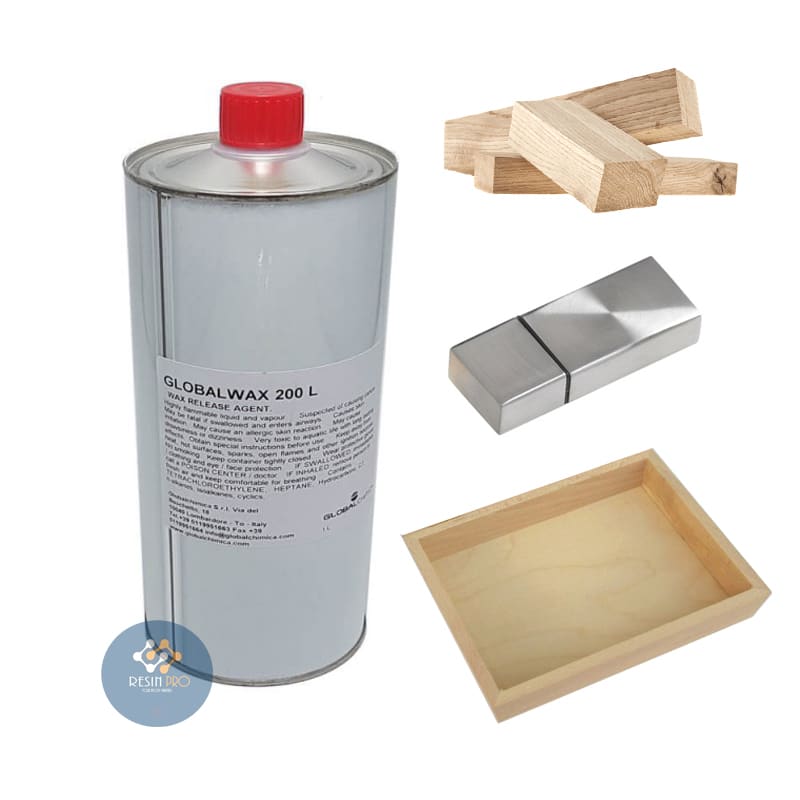
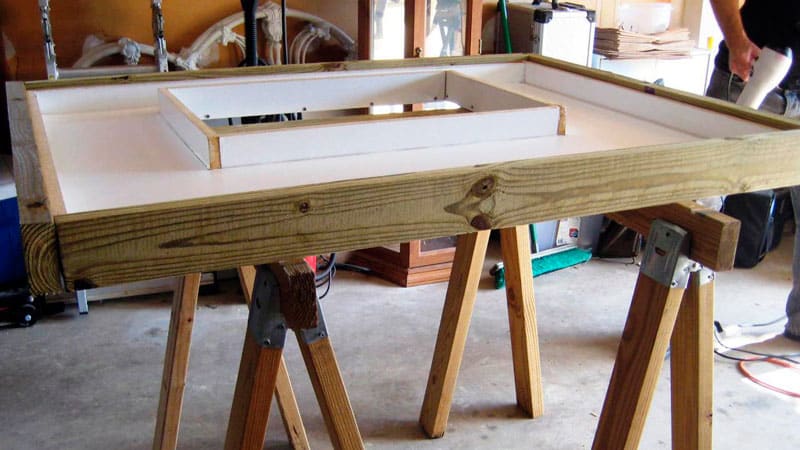
Practical Steps for Safe Removal and Cleaning
- Transfer Safely: Wearing gloves and working in a well-ventilated area, carefully scrape or pour excess resin from the mould into a sealed, chemical-resistant container for disposal.
- Clean Your Moulds: After removing bulk resin, any residue should be handled using suitable cleaners. Products like the Strong Technical Degreaser for Resin Projects work well for cleaning common resin residues from a variety of surfaces.
- Final Rinse: For persistent sticky spots, a small amount of Pure Isopropyl Alcohol 99.9% can help break down residues before a final water rinse (only after ensuring all uncured resin has been removed).
When This Matters
Proper disposal is important for anyone working with casting, moulding, or art projects using two-part or UV resins. Whether you’re cleaning up spills, changing projects, or dealing with leftover material, thoughtful handling helps protect your work area and the environment.
Related products
Related guides
For anyone working with resin, developing good disposal habits is essential for both safety and sustainability. Browse our dedicated guide on How to Dispose of Resin from Moulds for more detailed advice and responsible practices in your craft.