 Free shipping on orders over £29,85
  Shipping Tracking!


 Google
 Facebook
Where to dispose of resin?
A clear comparison of disposal practices and safer resin alternatives
Proper resin disposal is crucial for anyone working with casting, coating, or art projects—be it professionals, hobbyists, or first-time users. This page compares various types of resin and related materials to help you choose safer, more responsible ways to dispose of them, minimising harm to yourself and the environment.
Overview: Types of Resin and Their Disposal Requirements
Not all resins are created equal when it comes to safe disposal. Your method will depend on whether you’re dealing with uncured liquids, cured solids, or eco-conscious water-based formulations. Polyurethane, epoxy, and mineral-based resins each have specific considerations. Uncured resins may be hazardous—for example, isocyanates in polyurethanes—while fully cured pieces are generally inert. Water-based and VOC-free options are the easiest to handle. Below, we break down where each fits and their key differences for responsible disposal.

Visual Guide: Spot the Differences in Resin Types
Examine sample images to understand the visual cues distinguishing cured, uncured, and water-based resins. Recognising the state of your material is essential before choosing the right disposal method.
“IWhite” – Polyurethane Casting Resin: Disposal Considerations
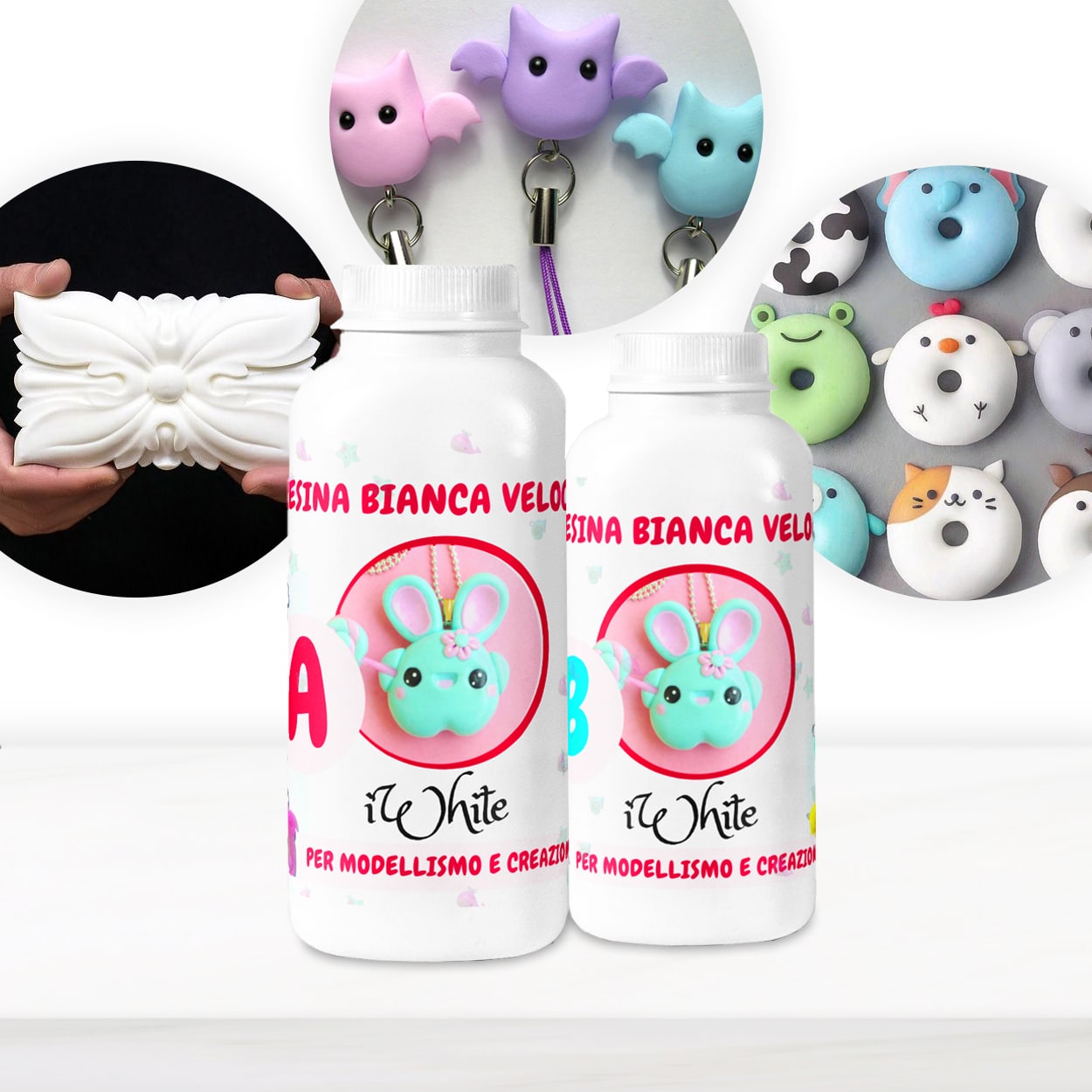
“IWhite” – Polyurethane Casting Resin – White, Fast-Curing Two-Part System is designed for rapid casting and detailed moulding. When disposing of unused or uncured polyurethane resin, treat it as hazardous waste due to the presence of isocyanates. This means it must not be poured down drains or binned with normal rubbish—use a certified hazardous waste facility. Once fully cured, waste from IWhite becomes non-toxic and can be disposed of as general solid waste, but always check your local council’s guidelines.
“EpoxyFood” – Clear Food Contact Epoxy: Disposal and Food Safety
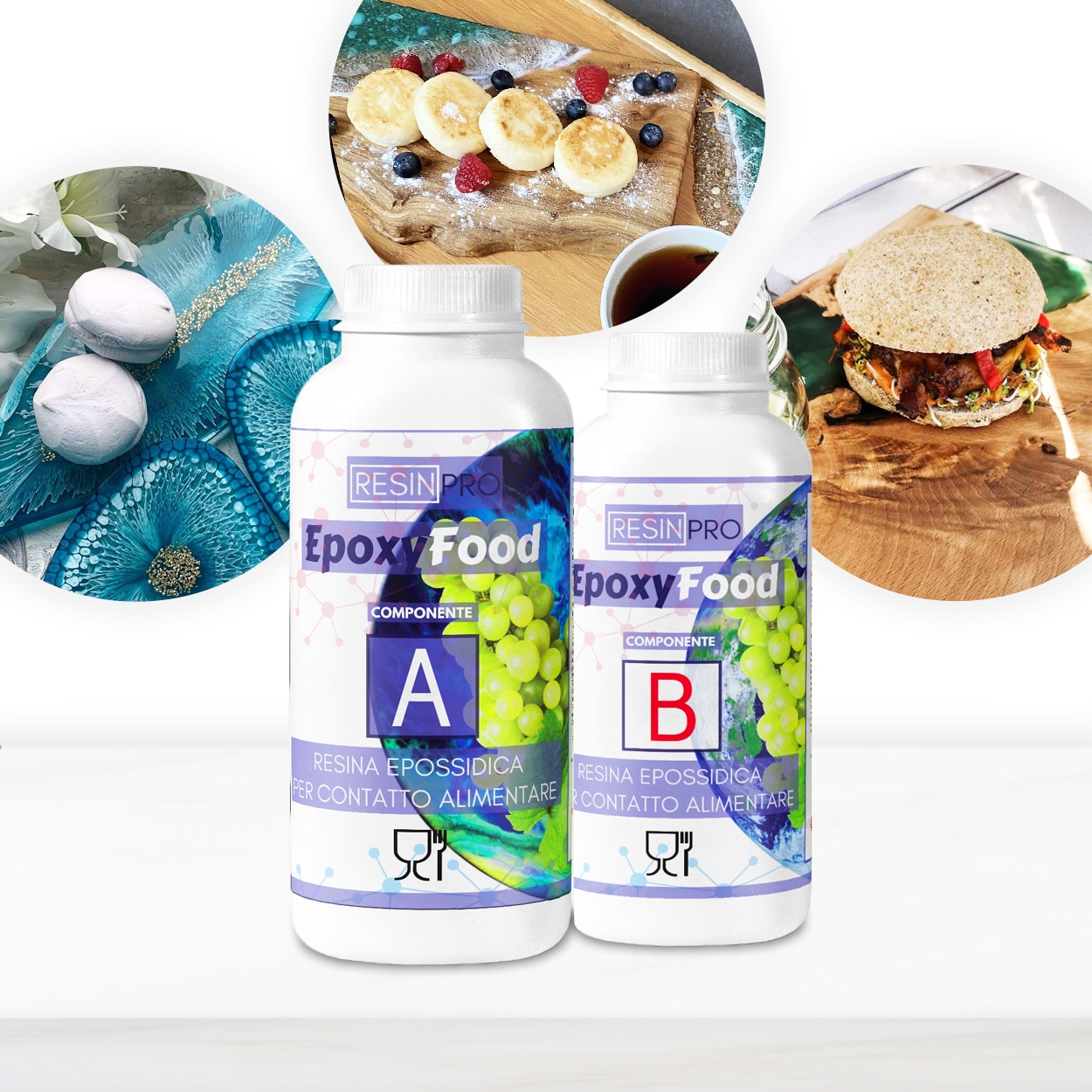
“EpoxyFood” – Certified Clear Food Contact Epoxy Resin for Coating offers certified food safety for coatings and craft projects. Like all standard epoxies, uncured material should never enter drains or landfill. Harden any leftovers before disposal—fully cured epoxy is generally non-hazardous and safe for household rubbish, keeping safety data sheets handy if asked by waste handlers. Always avoid burning or incinerating.
Pure Isopropyl Alcohol: Cleaning & Residue Disposal
Pure Isopropyl Alcohol 99.9% – 1000ml Bottle for Epoxy Resin Projects & DIY plays a role in residue clean-up and surface preparation. Never pour unused or contaminated alcohol down drains—local council hazardous waste points or chemical waste companies are recommended for small quantities. Always use in well-ventilated areas and store away from ignition sources.
“NatuResin” – Water-Based Mineral Resin: Eco-Friendly Alternative
If sustainability is a priority, “NatuResin” – Mineral Resin & Water System for Creative Casting and Crafts is an excellent solution. This single-component mineral resin is VOC-free and non-toxic, enabling easy clean-up and safer disposal. Unused material can often be disposed of like typical construction dust, while cured objects are safe for household waste streams. Always follow the product’s eco-guidance and local authority rules for best practice.
How to Choose the Right Approach for Your Resin Disposal
Consider whether your resin is cured or uncured, hazardous or VOC-free. For minimal environmental impact, opt for water-based, solvent-free products like NatuResin where possible. Always check local council rules, never pour anything down the sink, and use reputable hazardous waste services for liquid leftovers. Moving toward eco-friendly materials lets you craft with peace of mind and keeps your workspace safe.
Practical Demo: Safe Handling & Packaging for Disposal
Follow practical examples showing correct use of gloves, containers, and labels to pack leftover resin products—especially for hazardous waste drop-off or council recycling points. Safer handling protects you and those managing your waste.
- “IWhite” – Polyurethane Casting Resin – White, Fast-Curing Two-Part SystemPrice range: £24.00 through £36.95IWHITE is a fast-curing polyurethane resin designed for accurate casting and rapid prototyping suitable for modelling and crafting.
- "EpoxyFood" – Certified Clear Food Contact Epoxy Resin for CoatingPrice range: £20.95 through £146.95"EpoxyFood" is a transparent resin designed for food contact uses, suitable for coating kitchenware with clear, food-safe results.
 Pure Isopropyl Alcohol 99.9% – 1000ml Bottle for Epoxy Resin Projects & DIYPrice range: £10.45 through £20.95Pure Isopropyl Alcohol 99.9% in 1000 ml is suitable for epoxy resin projects and cleaning within the 'Where to dispose of resin?' theme.
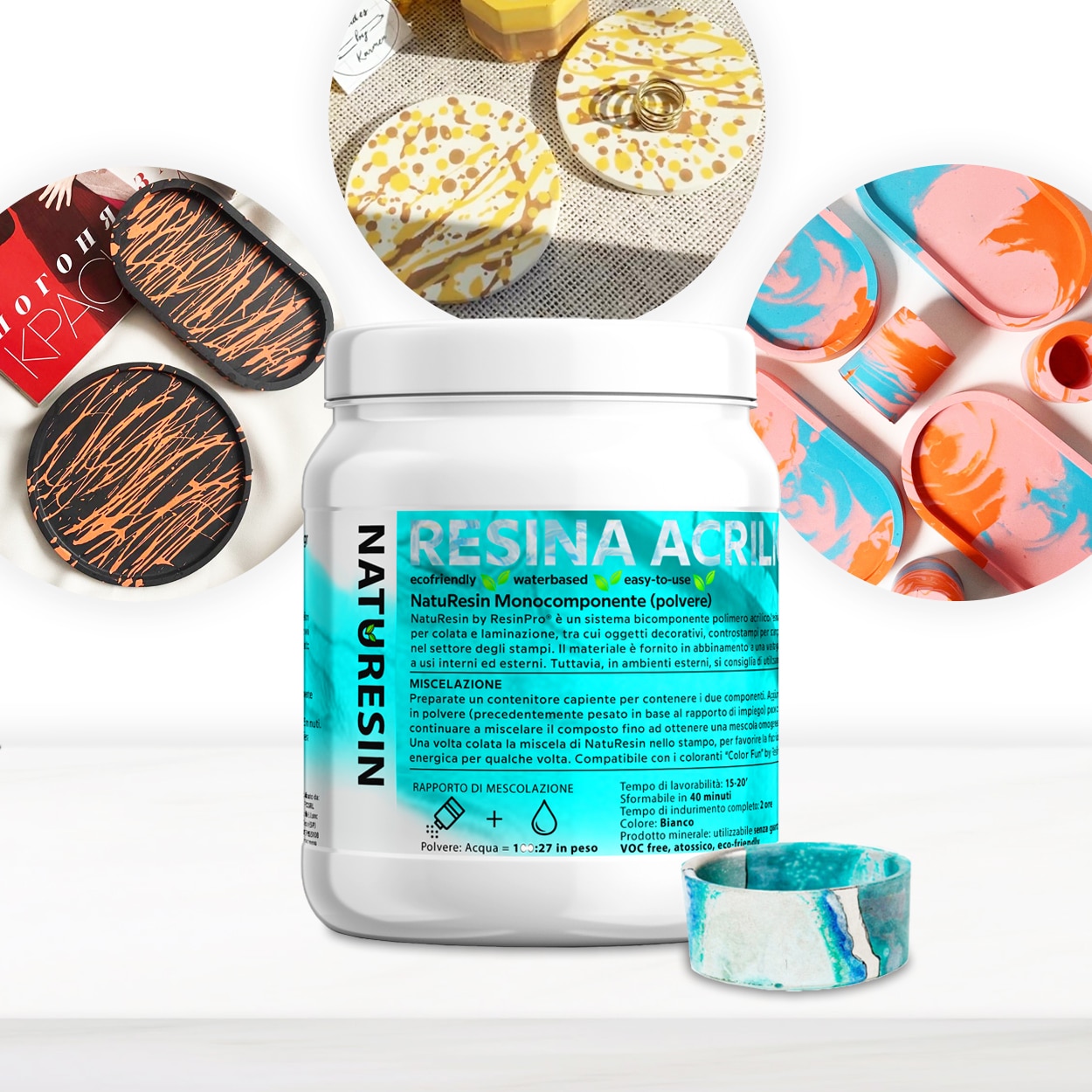 “NatuResin” – Mineral Resin & Water System for Creative Casting and CraftsPrice range: £18.95 through £104.95NatuResin is a water-activated mineral casting resin suited for creative projects, offering a non-toxic and eco-friendly alternative in line with…
Frequently Asked Questions
How should I throw away unused resin in the UK?
Bring uncured resin to a licensed hazardous waste facility or council chemical collection point; do not pour down drains or place in regular bins.
Can you dispose of cured resin objects in the bin?
Cured resin, like solid offcuts, is usually safe to bin as general waste, but verify with your local council for any regulations.
Is water-based resin easier to dispose of safely?
Water-based, VOC-free resins such as NatuResin are non-toxic and simplify disposal, often allowing entry into household waste streams.
Can I pour isopropyl alcohol down the sink?
Never pour isopropyl alcohol down the sink—it is classed as hazardous. Take unused product to an appropriate waste facility.
How do I dispose of epoxy resin safely?
Cure leftover epoxy fully before discarding as solid waste; always avoid liquid disposal via drains or regular bins.
What PPE do I need for resin disposal or clean-up?
Wear gloves and eye protection when handling uncured resin or cleaning solvents; a mask is advised for strong odours or dust.
Is cured resin recyclable?
Cured resin is rarely recyclable; dispose of as general waste unless your authority provides special facilities.