 Free shipping on orders over £29,85
  Shipping Tracking!


 Google
 Facebook
← Back to How to use bodywork resin?
Whether you’re tackling bodywork repairs or crafting composite parts, working safely with resin and putty is crucial. Using protective gloves and a mask is a simple step that helps protect yourself during these DIY or professional projects.
Why Protective Equipment Matters
Resins and polyester or epoxy-based putties can emit vapours and may come into contact with your skin during mixing and application. Wearing disposable nitrile gloves helps prevent potential skin irritation or allergic reactions. Similarly, a mask provides a barrier against dust produced when sanding cured materials, and helps reduce exposure to fumes when working in less ventilated spaces.


Practical Tips for Safer Handling
- Wear well-fitting gloves each time you mix or apply resin, hardeners, or putty.
- Use a particulate or respirator mask when sanding or shaping cured products, or if working with materials in enclosed areas.
- Work in a well-ventilated area to further reduce exposure to vapours and dust.
- Clean skin promptly if contact occurs, and avoid eating or drinking during application.
When This Matters Most
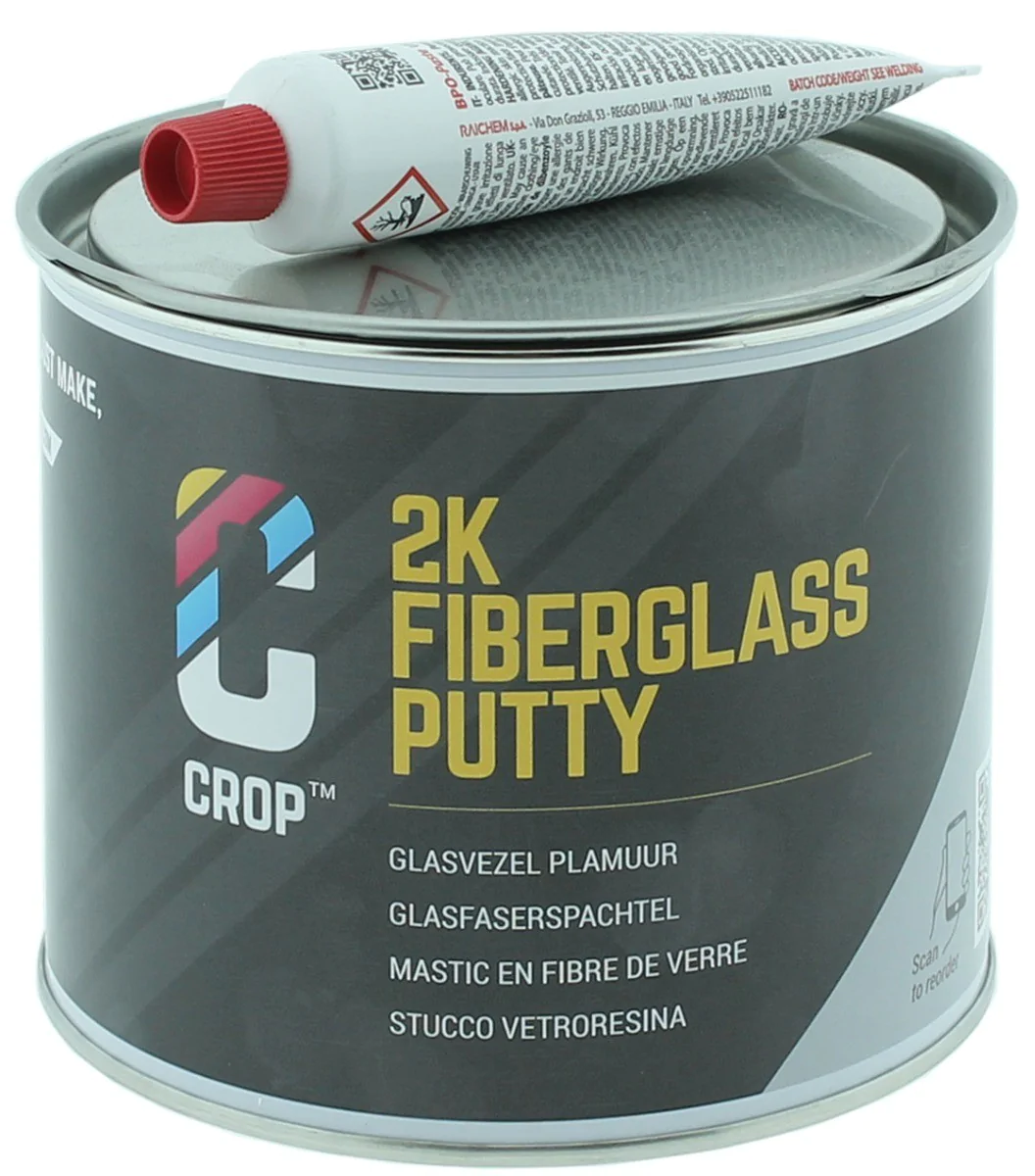
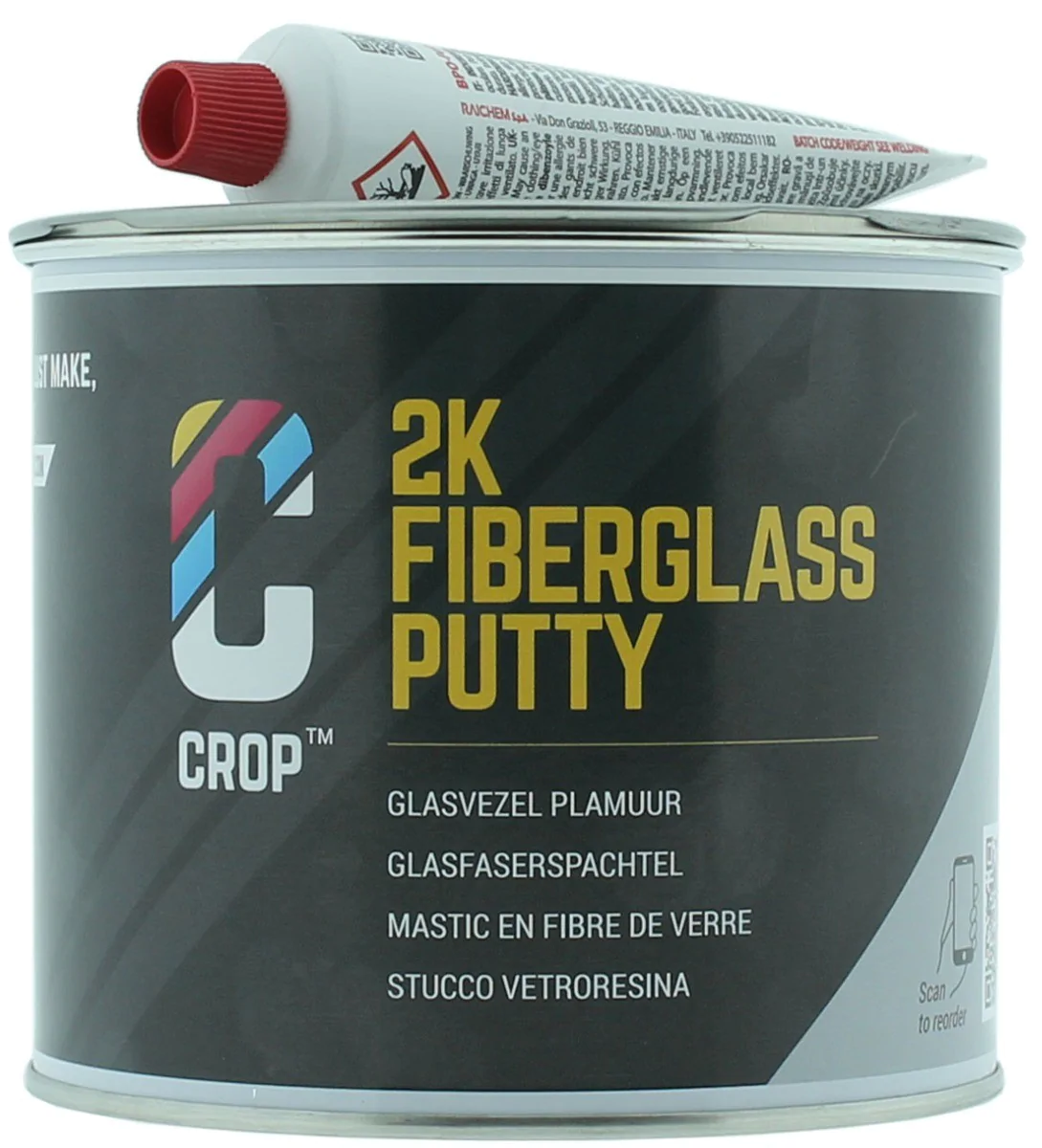
Taking these safety steps is especially important during large repairs or when extensive sanding is involved. For projects like filling deep dents or prepping for paint with products such as CROP 2K Fiberglass Putty – 750 ml + Hardener, consistent protection helps keep your workspace safer and your skin healthy.

Related products
Related guides
Using gloves and a mask is a straightforward way to look after your wellbeing while working on body repairs with resin and putty. For more guidance on effective and safe use of bodywork resin, see our full advice on the How to use bodywork resin? page.