 Free shipping on orders over £29,85
  Shipping Tracking!


 Google
 Facebook
← Back to How to raise a resin tank?

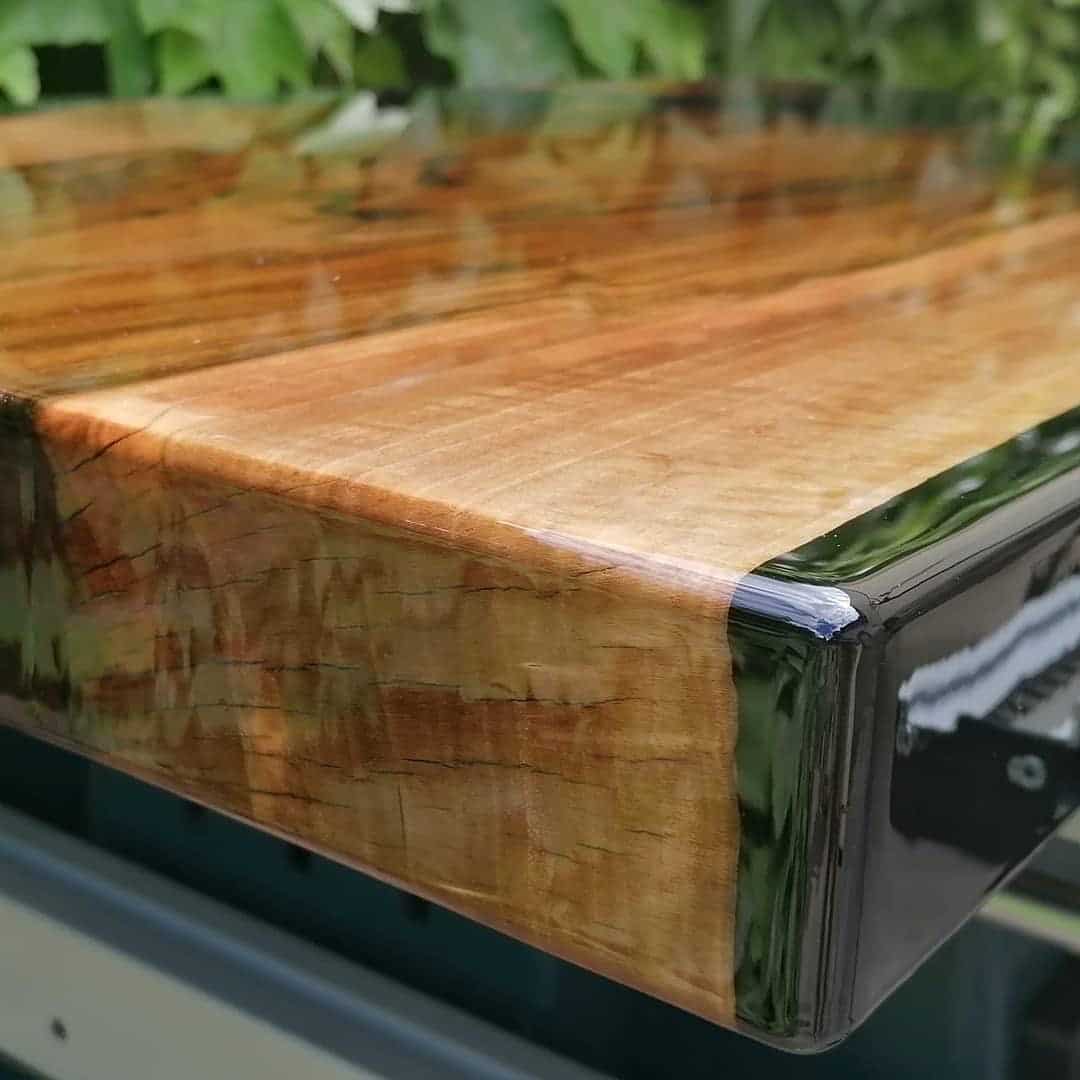
When raising a resin tank, understanding the maximum thickness you can safely pour in a single layer is essential for a successful and stable result. The thickness limit is influenced by the resin type, project scale, and heat management during curing.
Recommended Pour Thicknesses
Deep-pour epoxy resins are formulated to handle thicker layers than standard counterparts, making them suitable for tank raising and similar applications. Most deep-casting resins allow for pours between 5cm and 10cm per layer, though it’s always best to follow the manufacturer’s instructions for each product. For example, Epoxytable 10-Ten can support castings up to 10cm deep in a single application, while alternatives like EpoxyTable 5-Five are ideal for pours up to 5cm. Attempting greater thicknesses than recommended can risk overheating, incomplete curing, or quality issues.


Tips for Successful Deep Pours
- Always measure and mix your resin components accurately to ensure the correct ratio for curing.
- Work in a temperature-controlled environment to minimise risk of exothermic spikes, especially with thicker pours.
- For resins rated for a maximum of 5cm, larger volumes or tanks should be built up in multiple layers rather than pouring excess depth in one go.
- Allow each layer to cure fully before adding the next if your project requires greater total thickness than a single pour permits.
When Pour Thickness Matters Most
Poor management of layer thickness can cause trapped bubbles, surface irregularities, or even cracking from overheating. Using a resin designed for deep applications—such as those specifically labelled as deep pour—ensures a clear, stable result when raising tanks or creating layered resin furniture.

Related products
Related guides
Choosing the right resin and observing pour thickness guidelines is vital for building up a resin tank safely and beautifully. Explore our hub on how to raise a resin tank for more practical guidance.