 Free shipping on orders over £29,85
  Shipping Tracking!


 Google
 Facebook
How to raise a resin tank?
Step-by-step guide for deeper resin tank pours and builds

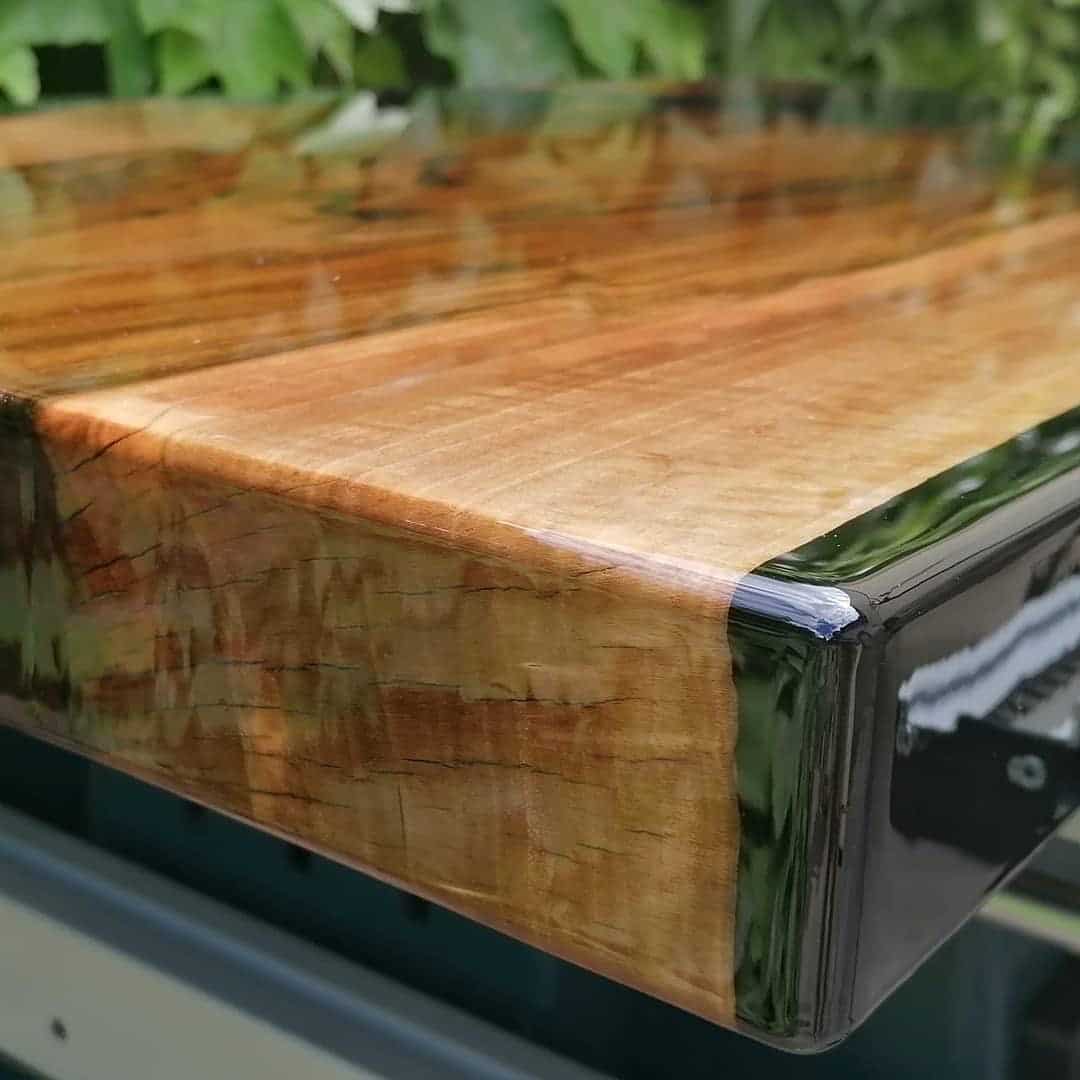
Raising a resin tank is a crucial step when you want to create thicker resin projects such as river tables, deep artwork, or custom builds that require a clear, flawless finish. This guide explains how to properly increase the height of a resin tank using essential techniques so you avoid heat build-up, surface defects, or leaks during the deep pour process.
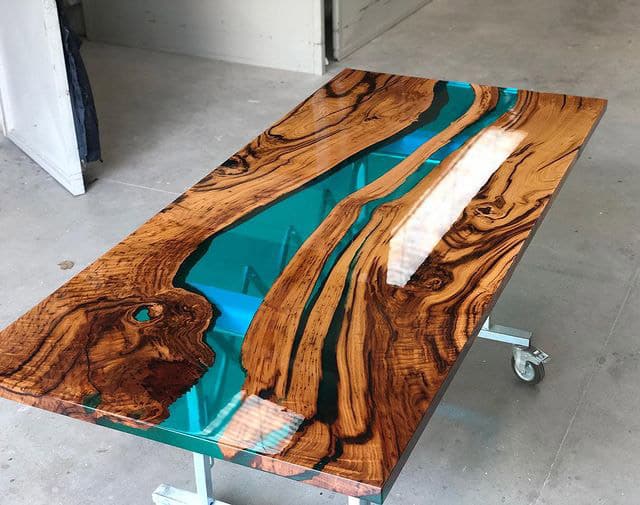
What You’ll Need
- “Epoxytable 10-Ten” – Deep Pour Epoxy Resin for Tables, Up to 10cm Casting — for deep casts and thick projects
- “EpoxyTable 5-Five” – Deep Pour Epoxy Resin for Tables and Large Projects – Up to 5cm — ideal for intermediate layers or medium-depth pieces
- “River-Table” – Complete Kit for Creating Your First Epoxy Resin Table — suitable for beginners and those who need all tools included
- “Liquidissima” – Epoxy Resin For Creations & Jewellery — best for small or detailed raised sections
- Formwork materials (MDF/plywood, silicone rubber for sealing)
- Protective gloves, mixing containers, stirring sticks, level

Choosing the Right Resin for Height Increases
Deep-pour epoxies formulated for thick casting are essential when raising tank heights significantly. These products manage heat and provide a bubble-free, glass-clear finish, making them ideal for demanding table and design projects. Consider resin characteristics such as viscosity, working time, and yellowing resistance based on your project’s requirements.
Step 1: Build and Seal the Formwork
Begin by constructing a form around your tank area with strong, non-porous materials such as MDF or coated plywood. The walls must be tall enough to accommodate the desired raised height. Ensure all joints are tight and use a silicone sealant to close any gaps, preventing resin leakage during pouring. For easier demoulding later, consider lining the inside of your form with release tape or film.
Always check compatibility between resin and substrate material to avoid adhesion or curing problems. The formwork must be fixed and level to guarantee an even resin surface.

Step 2: Prepare and Mix the Resin
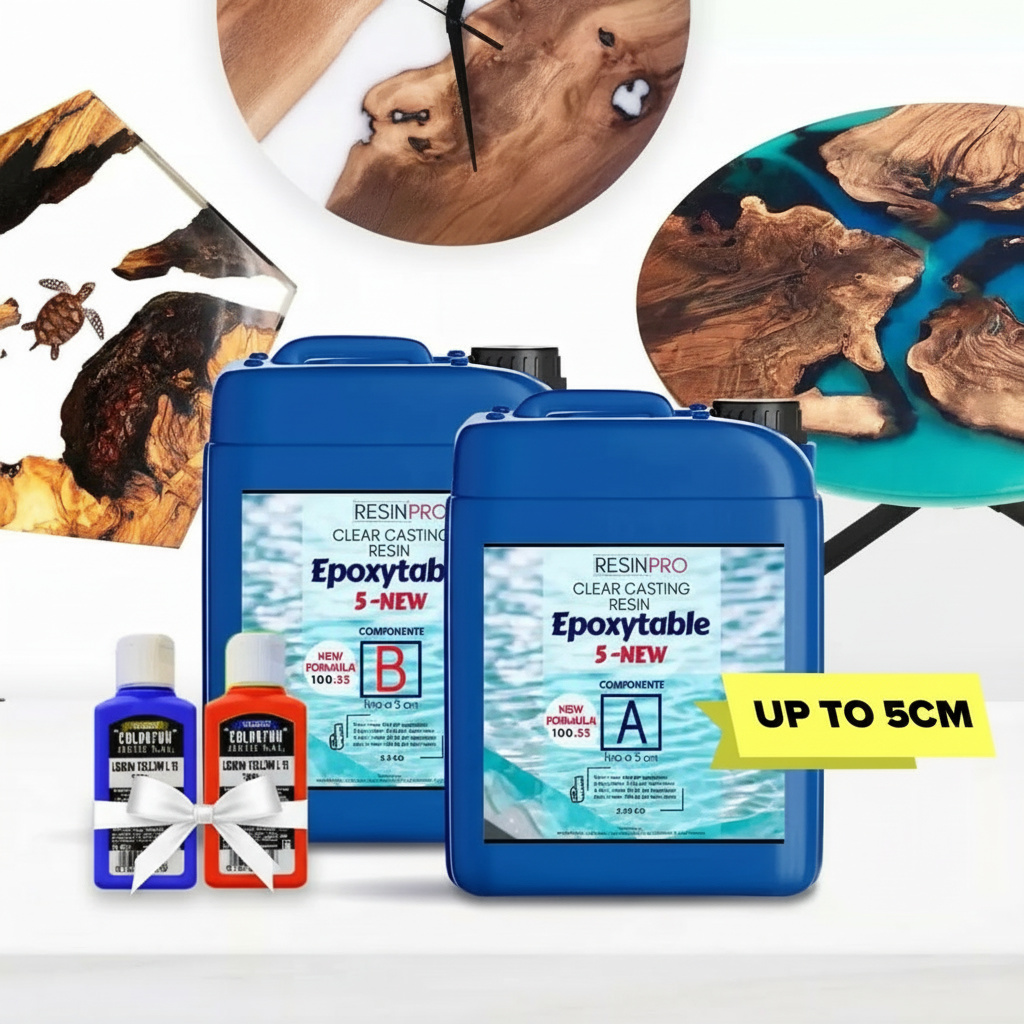
Carefully measure the required amount of resin and hardener based on your tank’s new volume. Deep pours require products designed for high volume applications, as standard resins may overheat and crack. For pours up to 10cm thick, choose “Epoxytable 10-Ten”; for up to 5cm, use EpoxyTable 5-Five.
Mix thoroughly in a clean vessel, scraping edges and bottom. Work in a dust-free, well-ventilated area to limit contamination and fumes. Allow the mixed resin to rest briefly to dissipate bubbles.
Step 3: Pour in Stages to Achieve Desired Height
If your target height exceeds the safe single pour depth of your resin, build up the height in stages. Pour the first layer, allow it to reach a firm gel state, then pour the next. This approach minimises overheating and ensures a strong, clear finish.
Allow sufficient curing time between layers to prevent overheating. The River-Table Complete Kit is especially useful for beginners, combining resin, hardener, and silicone sealant for smooth multi-stage projects.


Step 4: Finish and Release the Raised Resin Tank
Once the final pour has fully cured (this may require several days for very deep tanks), carefully remove the formwork. Use gentle pressure to avoid chips or fractures at the edges. If any sharp lines or slight imperfections remain, lightly sand and polish using a dedicated polishing cream.
For intricate raised sections or small scale projects, “Liquidissima” resin offers extended working time and a crystal-clear finish, perfect for detailed edges or custom inlays.
Tips, Pitfalls, and Troubleshooting
Deep pours require products designed for high volume applications; using standard art resin for thick layers can cause yellowing, cracking, or incomplete curing. Always pour in a stable environment with minimal vibration and a consistent room temperature.
Address air bubbles with gentle torching or warming, but avoid excessive heat. If you notice any cloudiness or softness in a layer, let it fully harden before adding another.
Safety and Preparation for Resin Tank Raising
Personal protective equipment such as gloves, eye protection, and an apron should be worn at all times. Working cleanly and waiting for full cures between steps will deliver professional, durable results when raising any resin tank structure.

- “Epoxytable 10-Ten” – Deep Pour Epoxy Resin for Tables, Up to 10cm CastingPrice range: £35.95 through £351.95Epoxy resin designed for deep pour castings up to 10cm, suitable for table projects and artistic creations.
- "EpoxyTable 5-Five" – Deep Pour Epoxy Resin for Tables and Large Projects – Up to 5cmPrice range: £17.95 through £1,154.95"EpoxyTable 5-Five" is designed for tables and large projects requiring deep pour resin up to 5cm with strong UV resistance.
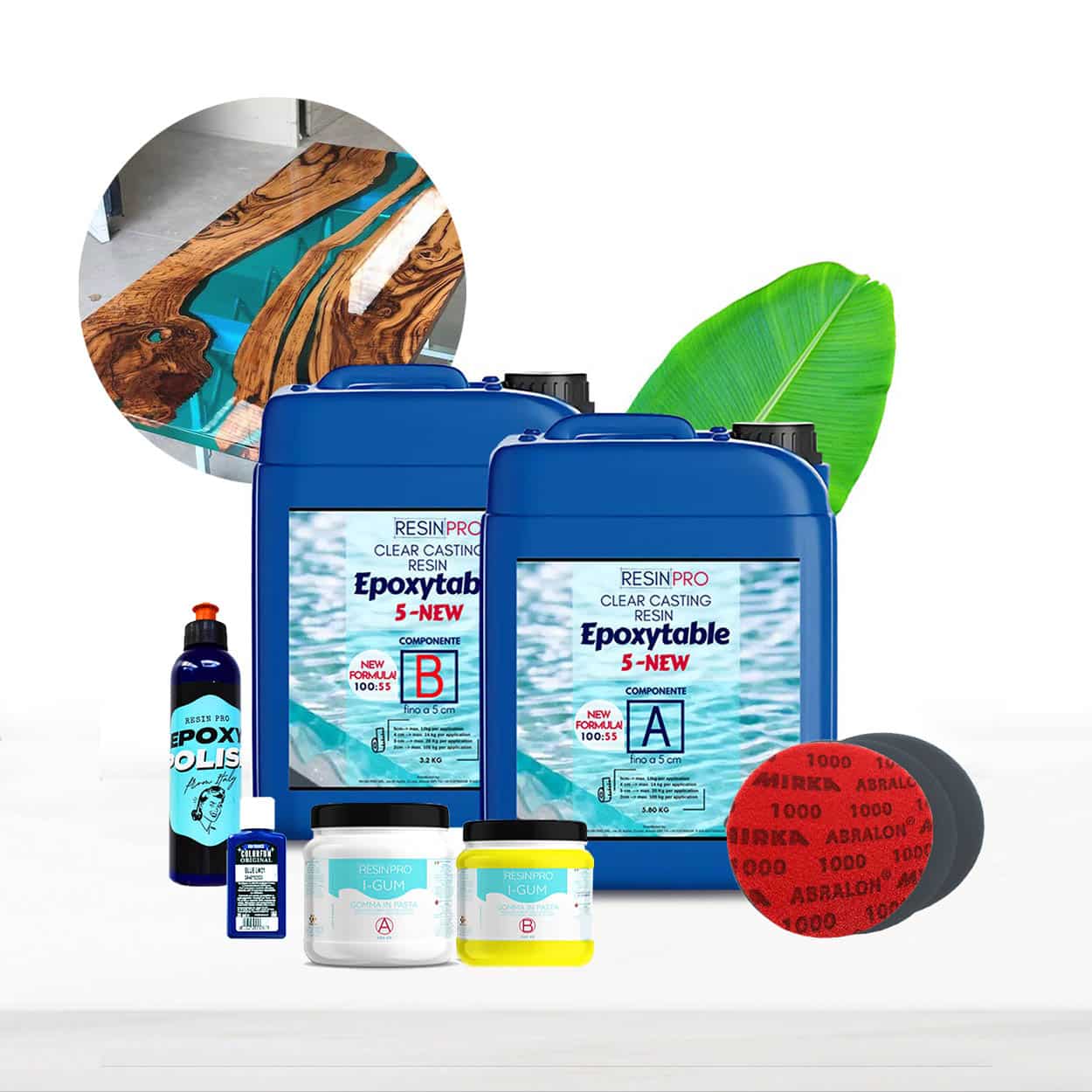 "River-Table" – Complete Kit for Creating Your First Epoxy Resin TablePrice range: £198.45 through £467.45"River-Table" kit includes materials and instructions for creating wood and resin tables, suitable for beginners under the theme How to raise a resin…
 "Liquidissima" – Epoxy Resin For Creations & JewelleryPrice range: £12.85 through £31.85"Liquidissima" epoxy resin is suited for creative projects requiring clear, self-levelling resin with longer working time and fine mould detail.
Frequently Asked Questions
How thick can I raise a resin tank in one pour?
Most deep-pour resins support pours from 5cm up to 10cm per layer, depending on the specific product used.
What resin is recommended for very deep tanks?
Epoxy resins formulated for deep casting, such as Epoxytable 10-Ten, are suited for tanks up to 10cm thick.
How do I avoid bubbles during deep pours?
Mix thoroughly, allow the resin to rest, and use a gentle heat source to remove trapped air before curing.
Can I use standard epoxy resin for raising a tank?
Standard art resins are unsuitable for deep pours; always use dedicated deep-pour formulations to prevent failures.
How long should I wait between layers?
Wait until each layer is fully cured or reaches a firm gel before pouring the next to prevent heat and curing issues.
Do I need special moulds or formwork?
Use sturdy, sealed formwork with silicone sealing and release film for best results when raising resin tanks.