 Free shipping on orders over £29,85
  Shipping Tracking!


 Google
 Facebook
How to renew a resin garden coffee table?
Step-by-step guide for restoring outdoor resin tabletops perfectly
Has your resin garden coffee table lost its original sparkle, suffered scratches, or become weathered after outdoor use? This detailed guide walks you through the process of renewing your table, helping restore clarity, protection, and that sought-after glossy finish, whether you’re dealing with minor scuffs or preparing for a full recoating.
What You’ll Need
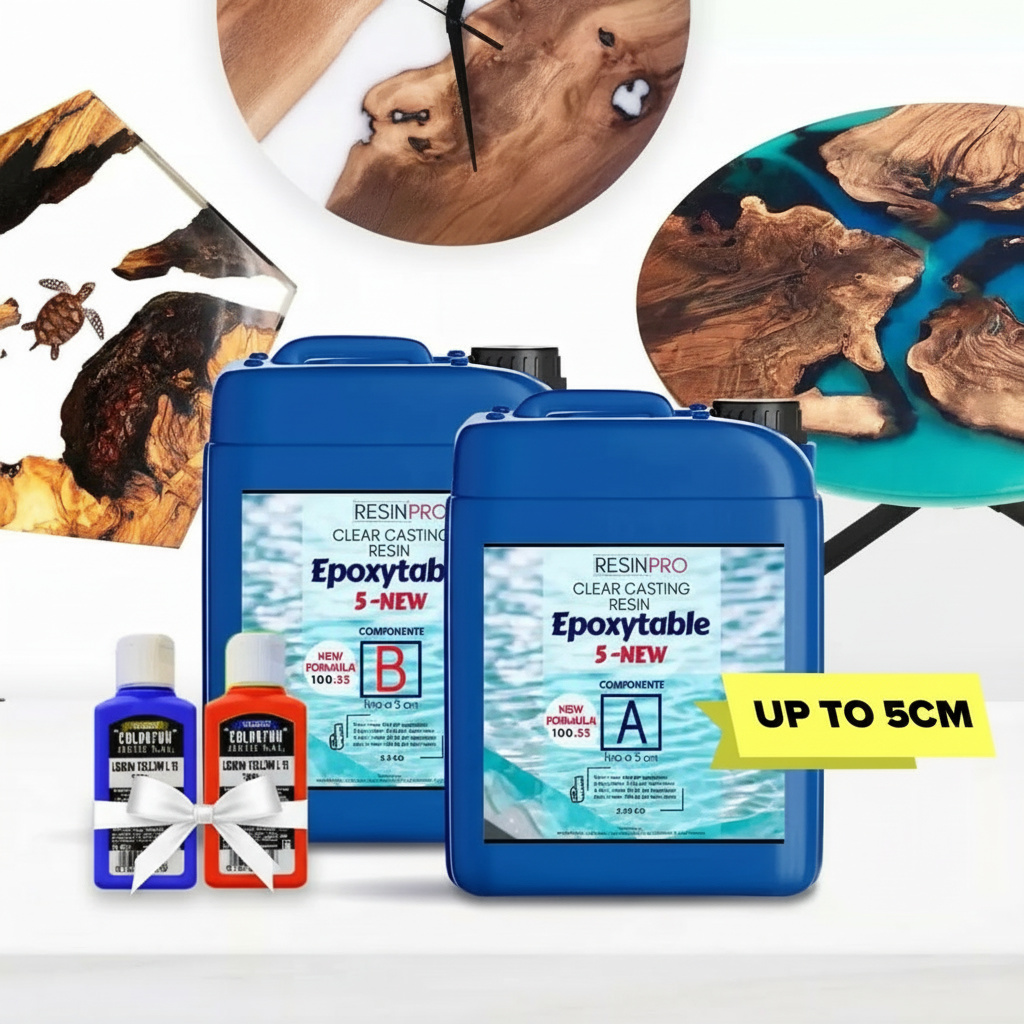
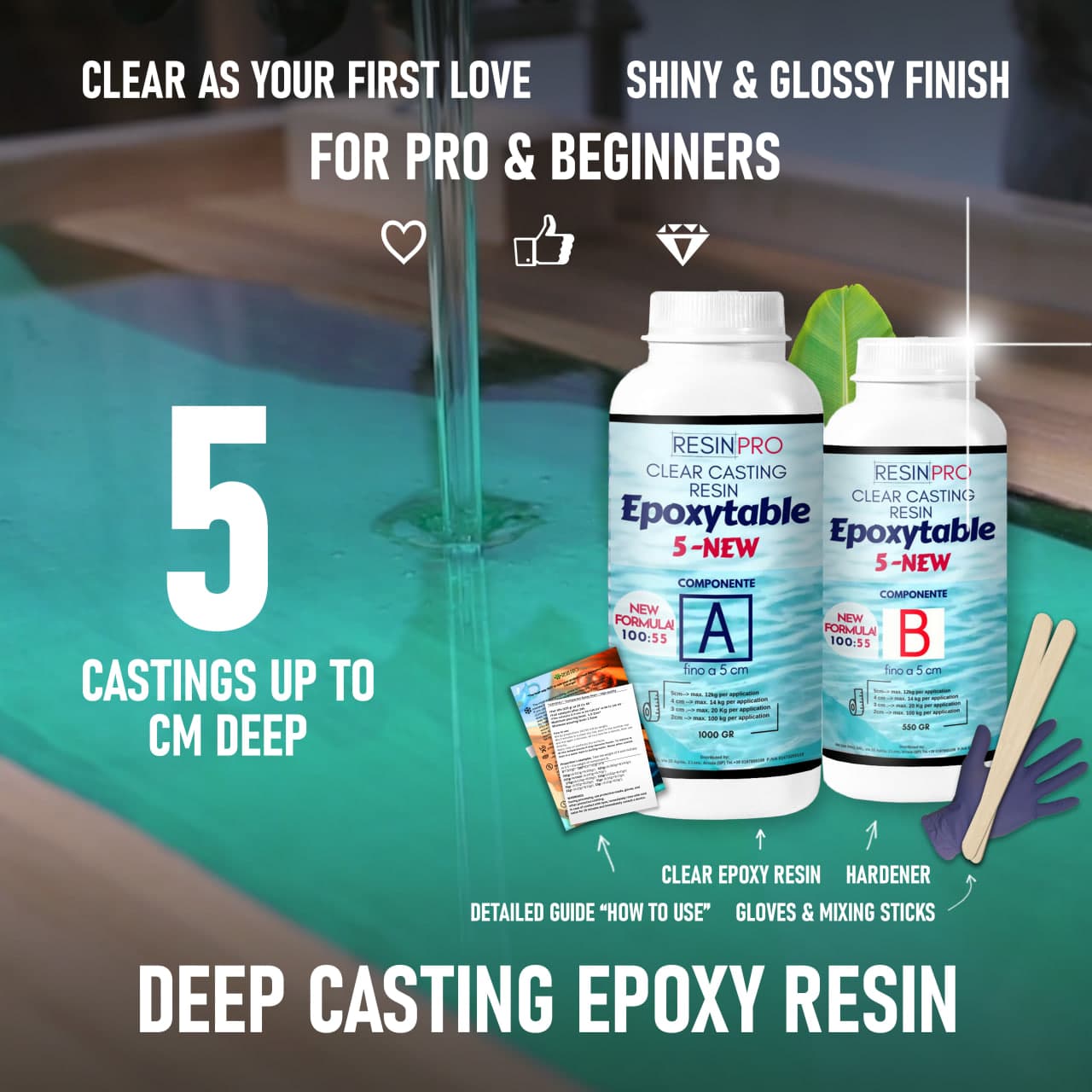
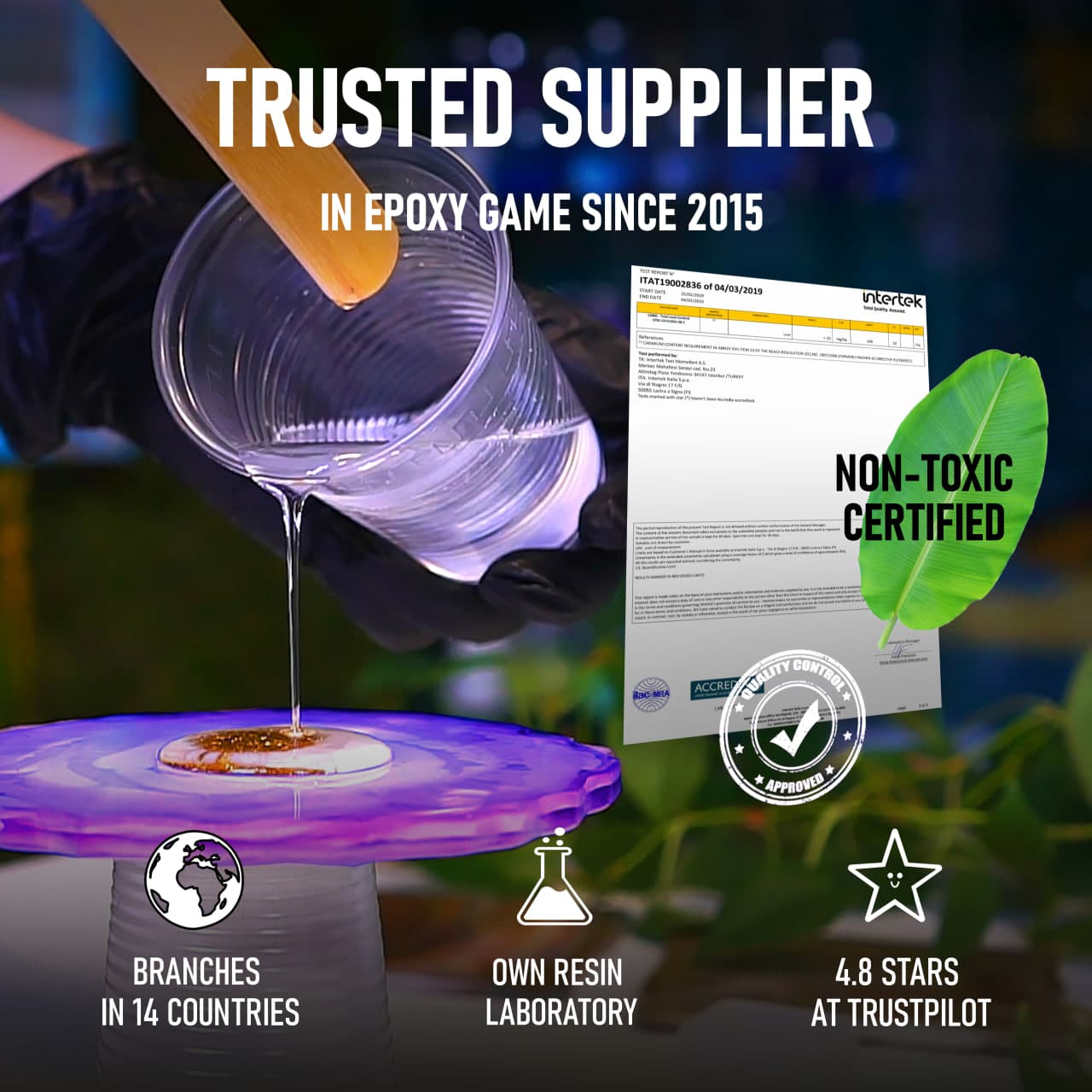
- “EpoxyTable 5-Five” – Deep Pour Epoxy Resin for Tables and Large Projects – Up to 5cm: Ideal for thicker repair or recoating up to 5cm.
- “Trasparente” – Multipurpose Clear Epoxy Resin for Casting – Up to 2cm: Best for medium depth or thin recoating.
- “Icrystal” – Clear Epoxy Resin – Odourless Formula – Up to 1.5cm: Great for very thin, clear topcoats.
- “Epoxy Polish” – Epoxy Resin Polishing System: For restoring high-gloss shine and removing fine scratches.
- Cleaning materials: mild detergent, soft cloths, protective gloves, safety mask, sanding papers (progressive grits), mixing sticks, measuring scale, and appropriate containers.
- Protective sheeting or tape (for masking areas near the edges).

Inspiration: Restored Resin Garden Table Surfaces
View examples of garden tables that have been beautifully renewed with a glossy, seamless finish. Notice how restoration brings out the vibrant textures and improves weather resistance for years of enjoyment outdoors.
Step 1: Clean and Assess the Table Surface
Begin by thoroughly cleaning your garden coffee table. Remove dust, loose dirt, algae, or any organic markings using mild detergent and a soft cloth. Dry the surface completely, as trapped moisture can compromise the adhesion of new resin.
Inspect the table for cracks, chips, or cloudy patches. Identify areas needing sanding or full recoating versus those that can be restored with careful polishing. Pay particular attention to any signs of yellowing or loss of gloss due to sunlight exposure.


Step 2: Sand the Existing Resin Finish
Gently sand the resin-coated surface with progressively finer grit papers, starting around 400 and moving up to 1000 grit or higher for stubborn blemishes. Sand in a circular motion, maintaining even pressure to avoid low spots.
For edges or hard-to-reach places, use hand-held sanding blocks rather than electric sanders to preserve the table’s lines. After sanding, wipe down with a slightly damp, lint-free cloth to remove all dust before recoating or polishing.
Step 3: Prepare and Apply a New Resin Layer (if Needed)
If you aim to fully renew the clarity or depth of your table, mix fresh epoxy resin according to your chosen product’s guidelines. For pours up to 5cm, opt for “EpoxyTable 5-Five”. For thinner repairs or topcoats under 2cm or 1.5cm, consider “Trasparente” or “Icrystal” as appropriate to your project.
Follow the correct mixing ratio precisely, and stir slowly to avoid introducing bubbles. Pour the resin evenly, guiding it gently across the whole surface. Use a torch or heat gun carefully to remove any trapped bubbles. If applying in layers, allow each layer to partially cure as directed on the packaging before adding the next.


Step 4: Sand and Polish for a Lasting High-Gloss Finish
After the new resin layer has fully cured, repeat a light sanding using ultra-fine grit if necessary for an ultra-smooth base. Then, polish the entire surface with a dedicated epoxy polishing system such as “Epoxy Polish” for a mirror-smooth finish.
Apply in small sections using a suitable pad and polisher, following the product’s technique for optimal gloss. Remove all polishing residues with a clean microfibre cloth, which will leave your garden coffee table looking vibrant and freshly renewed.
Tips and Common Mistakes to Avoid
- Thorough Surface Cleaning Matters: Any dust or greasy residues can cause poor resin adhesion.
- Gradual Sanding Yields the Best Finish: Rushing through grits or skipping fine sanding leads to visible scratches under clear resin.
- Mix Resin Carefully and Accurately: Incorrect ratios or over-mixing introduce bubbles and compromise clarity.
- Allow Full Curing Before Heavy Use: Placing objects on the table too soon can mar the new finish.
If you encounter issues like uneven curing or cloudiness, check for environmental factors such as temperature, humidity, or incomplete mixing. When in doubt, test resin and polish techniques on a smaller, inconspicuous section first.

Finish Comparison: Before and After Table Renewal
Compare typical results pre- and post-renewal of resin garden coffee tables. Spot the difference between faded, worn resin and a freshly renewed, crystal-clear surface ready for everyday use in your garden space.
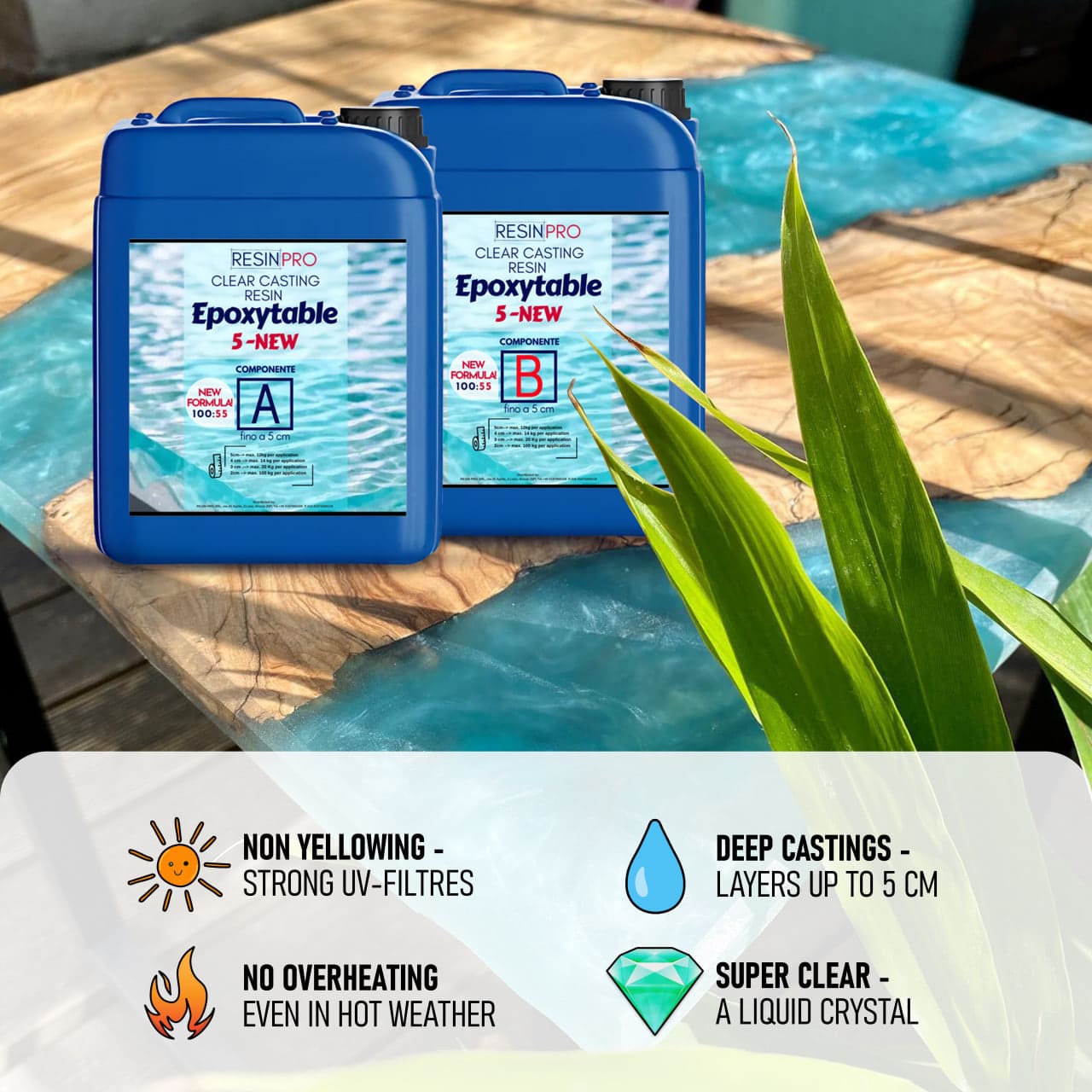
- "EpoxyTable 5-Five" – Deep Pour Epoxy Resin for Tables and Large Projects – Up to 5cmPrice range: £17.95 through £1,154.95"EpoxyTable 5-Five" features low exothermic reaction and UV protection for deep resin pours up to 5cm, suitable for table restoration projects.
- "Epoxy Polish" – Epoxy Resin Polishing SystemPrice range: £18.95 through £47.45"Epoxy Polish" is a polishing system suitable for resin projects, designed to rejuvenate surfaces to a mirror-like shine in line with the theme on…
 "Trasparente" – Multipurpose Clear Epoxy Resin for Casting – Up to 2cmPrice range: £8.95 through £397.95"Trasparente" offers an ultra-clear, scratch-resistant finish suitable for detailed castings and table surfaces in DIY and professional projects.
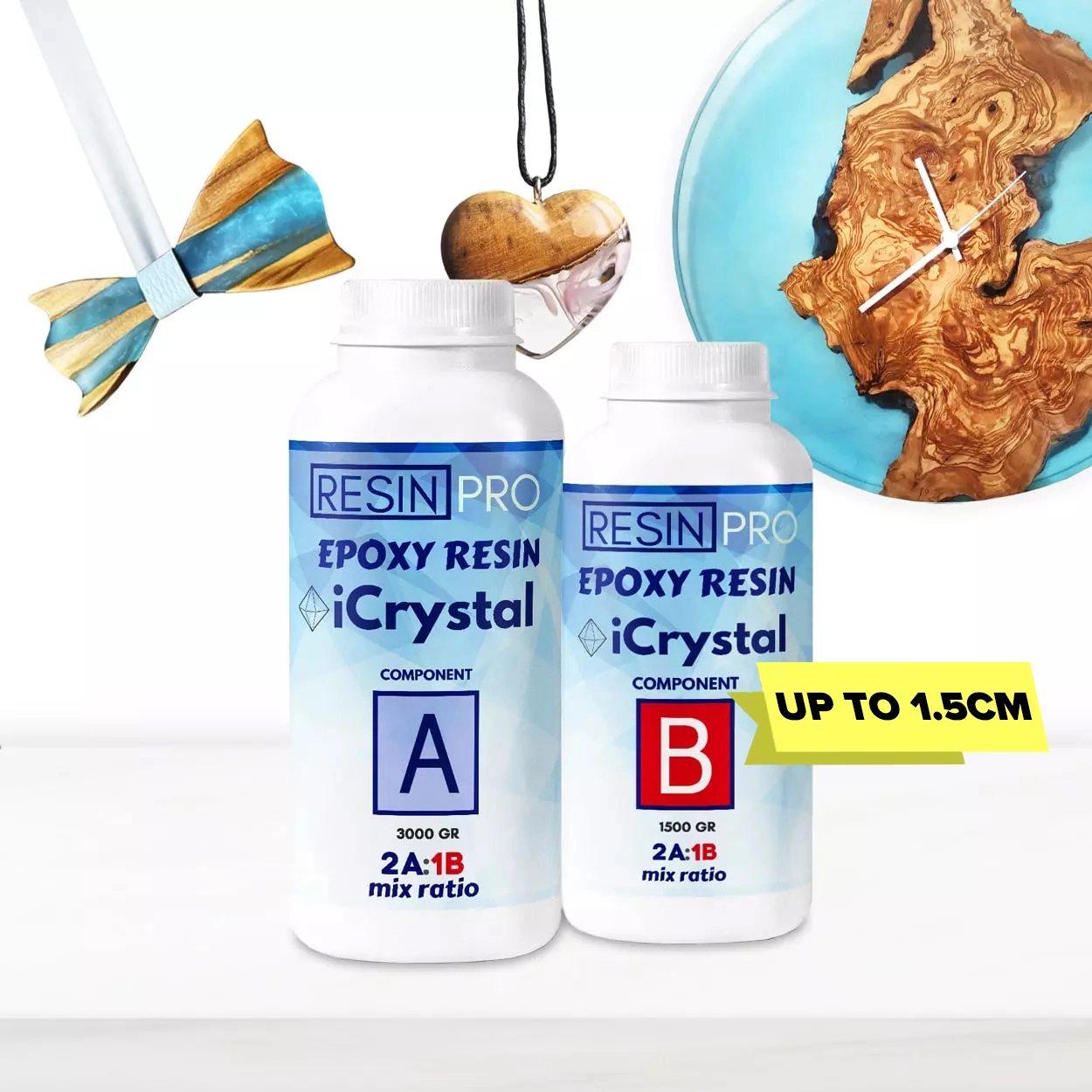 "Icrystal" – Clear Epoxy Resin – Odourless Formula – Up to 1.5cmPrice range: £12.45 through £341.45"Icrystal" epoxy resin offers high transparency and scratch resistance, suitable for table surfaces in resin renewal projects.
Frequently Asked Questions
What resin thickness should I choose when recoating an outdoor table?
Choose a resin designed for your intended pour depth—up to 5cm for deep restoration, or 1.5–2cm for surface-level repairs.
How can I avoid bubbles showing in my renewed resin table?
Stir resin slowly, work at room temperature, and use a heat gun or torch to release trapped air after pouring.
Is there a preferred method for polishing resin table surfaces safely?
Use a purpose-made polishing kit with appropriate pads, working in sections and avoiding overpressure to maintain the glossy surface.
When can I begin using the table after applying a new coat of resin?
Allow resin to cure fully as per product instructions, typically 48–72 hours, before regular use or putting weight on the surface.
Which resin product is most resistant to outdoor weathering?
Choose a resin with strong UV resistance and scratch protection, such as ones with integrated UV filters and a non-yellowing guarantee.
What should I do if my renewed resin table looks cloudy after curing?
Cloudiness can result from incomplete buffing, moisture, or residue. Repolish with a microfibre cloth and ensure the surface is fully dry.