 Free shipping on orders over £29,85
  Shipping Tracking!


 Google
 Facebook
How do you work on a resin floor?
Step-by-step techniques for strong, long-lasting resin floors
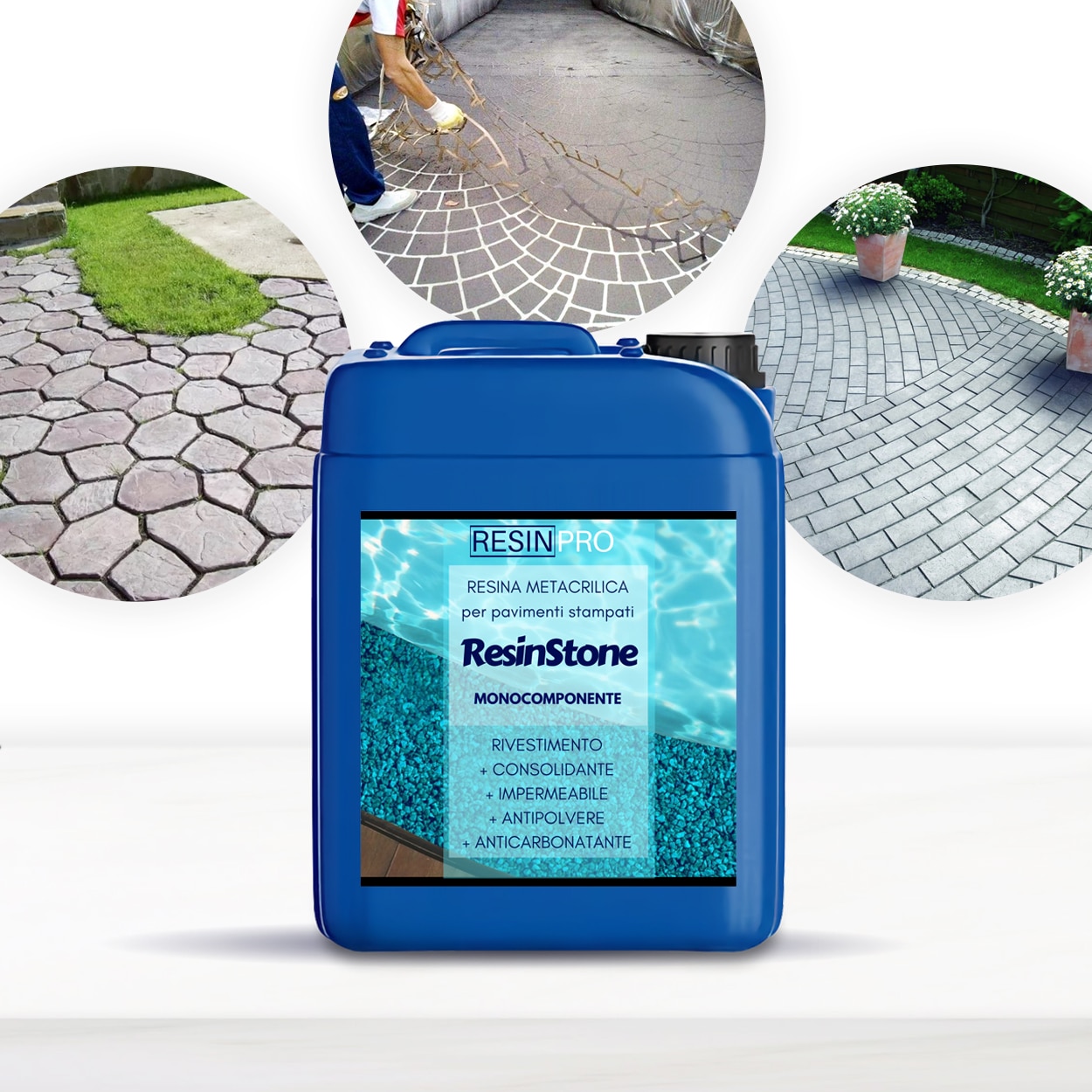

Working on a resin floor requires careful preparation, correct application methods, and attention to detail at every stage. Whether refreshing an existing surface or installing a new one, the process ensures a durable, attractive, and easy-to-maintain finish. This guide provides clear, actionable steps for anyone wanting to achieve reliable results on domestic or commercial resin floors.
What You’ll Need
- “Resinstone” – One-Component Methacrylic Resin for Concrete Floors and Driveways: A top choice for sealing and protecting absorbent concrete floors and driveways.
- “Epoxyprimer” – Universal Water-Based Two-Component Epoxy Floor Primer: Ensures stable adhesion to concrete, wood, tiles, or screeds.
- “Trasparente” – Epoxy Binder for Coloured Pebbles and Grits: Ideal for decorative pebble flooring or permeable surfaces.
- “Prolux” – PU coating for tiles, concrete, plastic and metal – suitable for driveable surfaces: For a final, wear-resistant and UV-stable finish, especially in high-traffic or outdoor areas.
- Rollers, brushes, spatula, masking tape, cleaning tools, and personal protective equipment.

Essential Tools and Application Visuals
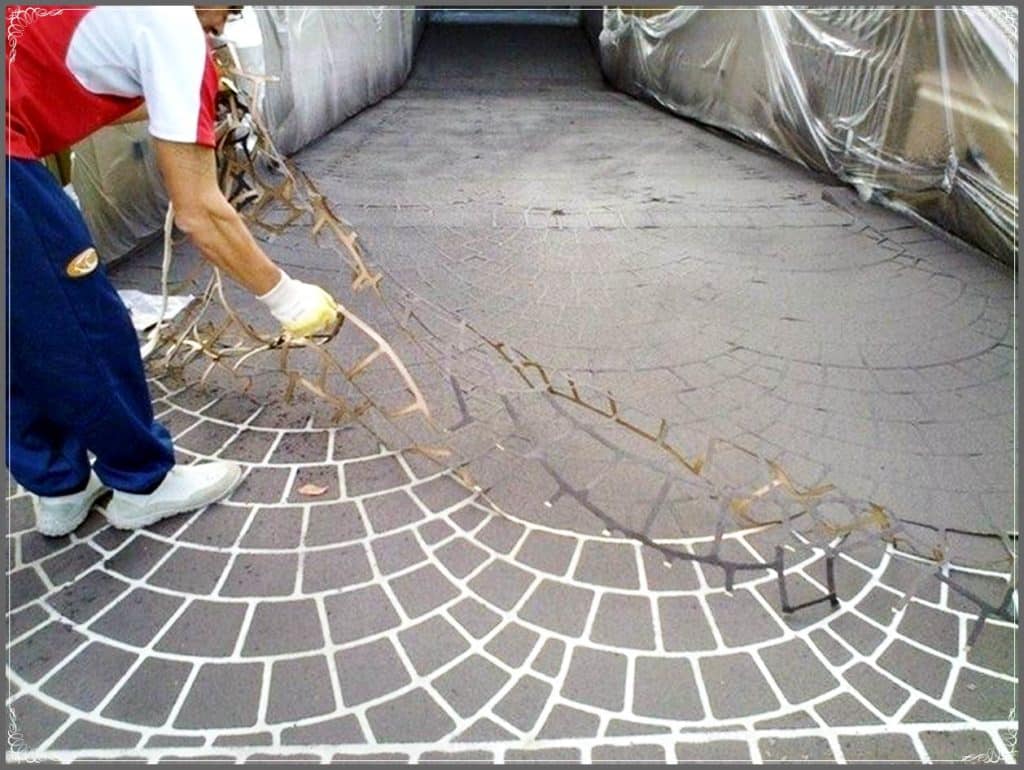
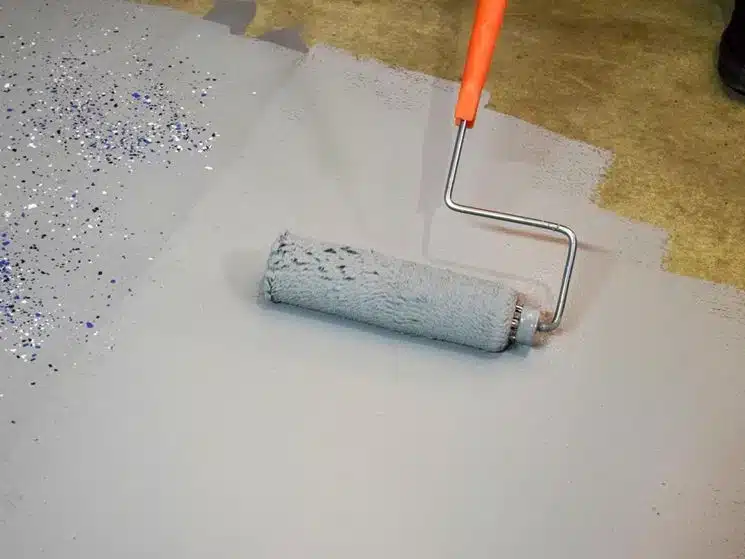
See the range of tools required for a professional resin floor installation and examples of product applications at each stage—surface cleaning, priming, resin mixing, and spreading for optimal coverage.
Step 1: Prepare the Surface
Start by thoroughly cleaning the floor, removing any dirt, dust, oil, or loose material. Repair cracks, holes, and level out uneven patches. For concrete, shot-blasting or mechanical abrasion may improve resin bonding. The success of any resin floor depends on a stable, dry, and contaminant-free substrate.
Thorough preparation and cleaning is critical to prevent adhesion failure. Allow the substrate to dry fully before proceeding. Avoid working on damp or newly laid concrete that hasn’t cured properly.
Step 2: Apply Primer for Reliable Adhesion
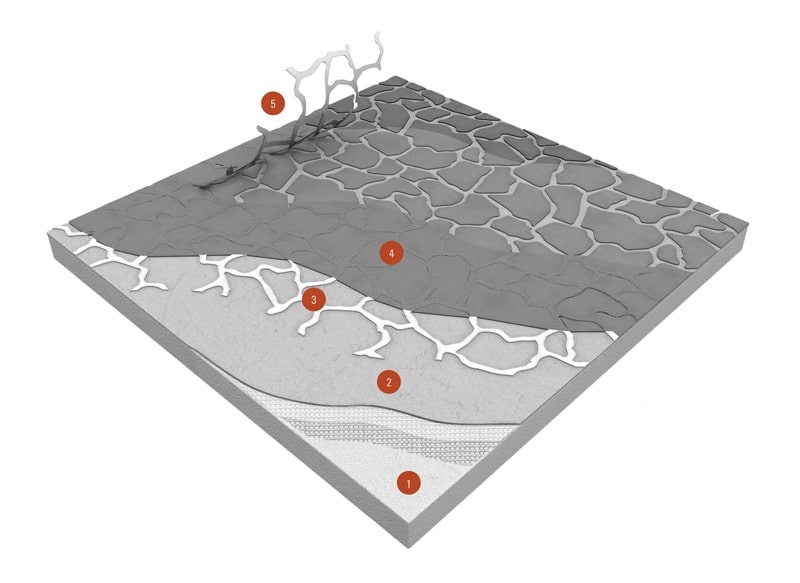
Priming is crucial, especially for concrete, screed, timber, or tiled floors. Use a suitable primer to enhance adhesion and prevent bubbles or pinholes in the finished resin coat. Apply the primer evenly with a roller, brush, or spatula and allow it to cure as per the manufacturer’s timing—typically 24–48 hours for full effect.
The “Epoxyprimer” – Universal Water-Based Two-Component Epoxy Floor Primer is specially formulated for this step, offering eco-friendly performance and compatibility across concrete, wood, and tiles.
Step 3: Mix and Apply the Resin Layer
Select the right resin system for your flooring type and requirements. Always observe the recommended mixing ratio, and stir components thoroughly to ensure full activation of the resin and hardener. Pour the mixed resin onto the floor in manageable sections, spreading it out evenly with a trowel or roller. Work methodically to avoid air bubbles and overlaps.
If installing a decorative pebble surface, combine the aggregate (such as coloured pebbles or grit) with “Trasparente” – Epoxy Binder for Coloured Pebbles and Grits, ensuring even distribution before laying and compacting the mixture for a complete bond. Refer to product guidance for walk-on or cure timings.
Allow each layer adequate drying or curing time for best structural integrity.


Step 4: Finish and Protect the Surface
After the resin layer has cured, inspect for surface imperfections, bubbles, or dry spots. Lightly sand any uneven areas if needed, then clean thoroughly before applying the final protective coating. A robust topcoat prolongs the floor’s life and enhances resistance to abrasion, UV rays, and chemicals.
The “Prolux” – PU coating for tiles, concrete, plastic and metal – suitable for driveable surfaces delivers a durable finish suitable even for driveways and workshops. Apply as directed for the specific colour and finish desired.
Tips and Common Mistakes with Resin Flooring
- Use protective gloves, eyewear, and ensure ventilation when mixing and applying resin products.
- Temperature and humidity greatly affect curing—work in stable, moderate conditions if possible.
- Always follow the manufacturer’s mixing ratios and application guidelines closely. Under- or over-mixing can lead to weak spots or surface defects.
- Mask off edges to avoid accidental coverage of adjoining surfaces.
- Do not rush between stages—each layer must be ready for the next.
Surface Results and Project Inspiration
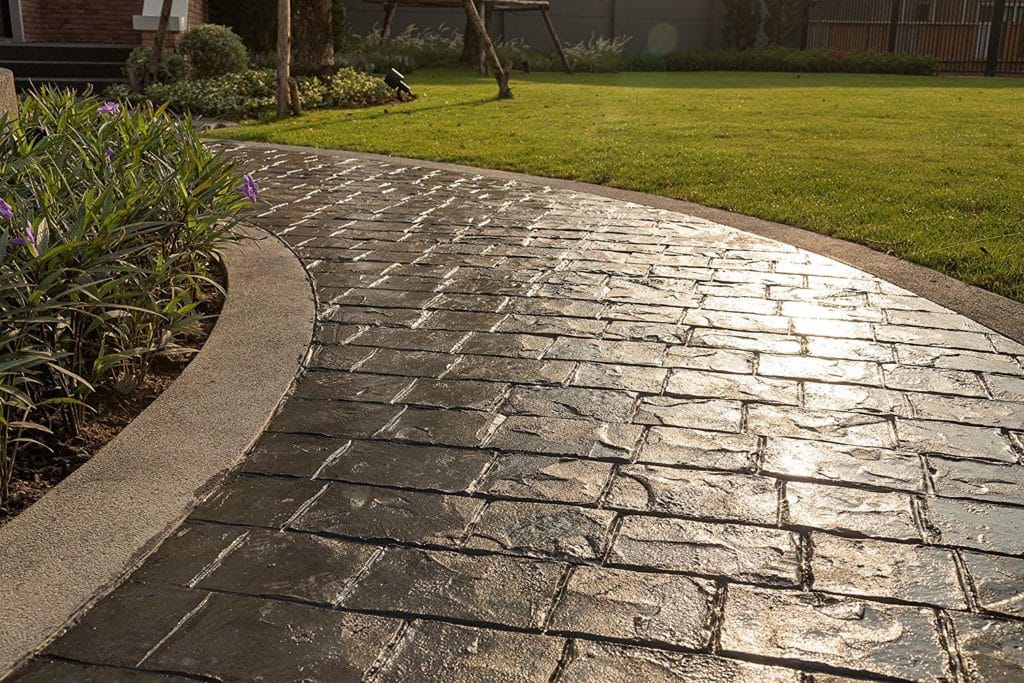
Explore finished resin flooring examples, illustrating results you can achieve with decorative pebbles or strong, clear topcoats. Review project inspiration and tips for both functional and creative floors.
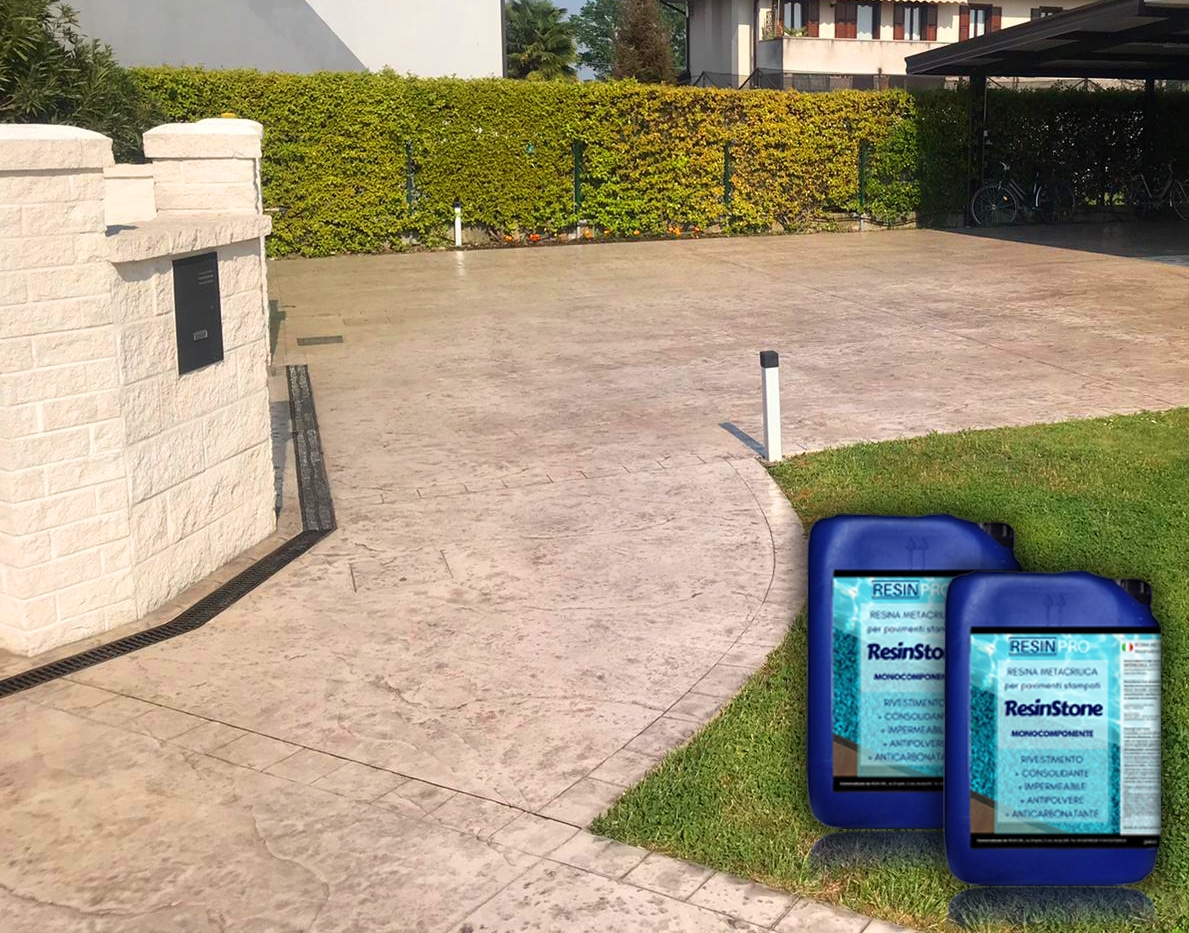
- "Resinstone" – One-Component Methacrylic Resin for Concrete Floors and DrivewaysPrice range: £36.71 through £336.48"Resinstone" is a one-component methacrylic resin designed to protect and seal concrete floors and driveways with durable and breathable coverage.
- "Epoxyprimer" – Universal Water-Based Two-Component Epoxy Floor PrimerPrice range: £156.45 through £286.45Epoxyprimer is a water-based two-component epoxy floor primer designed for reliable adhesion and durability on various stable surfaces.
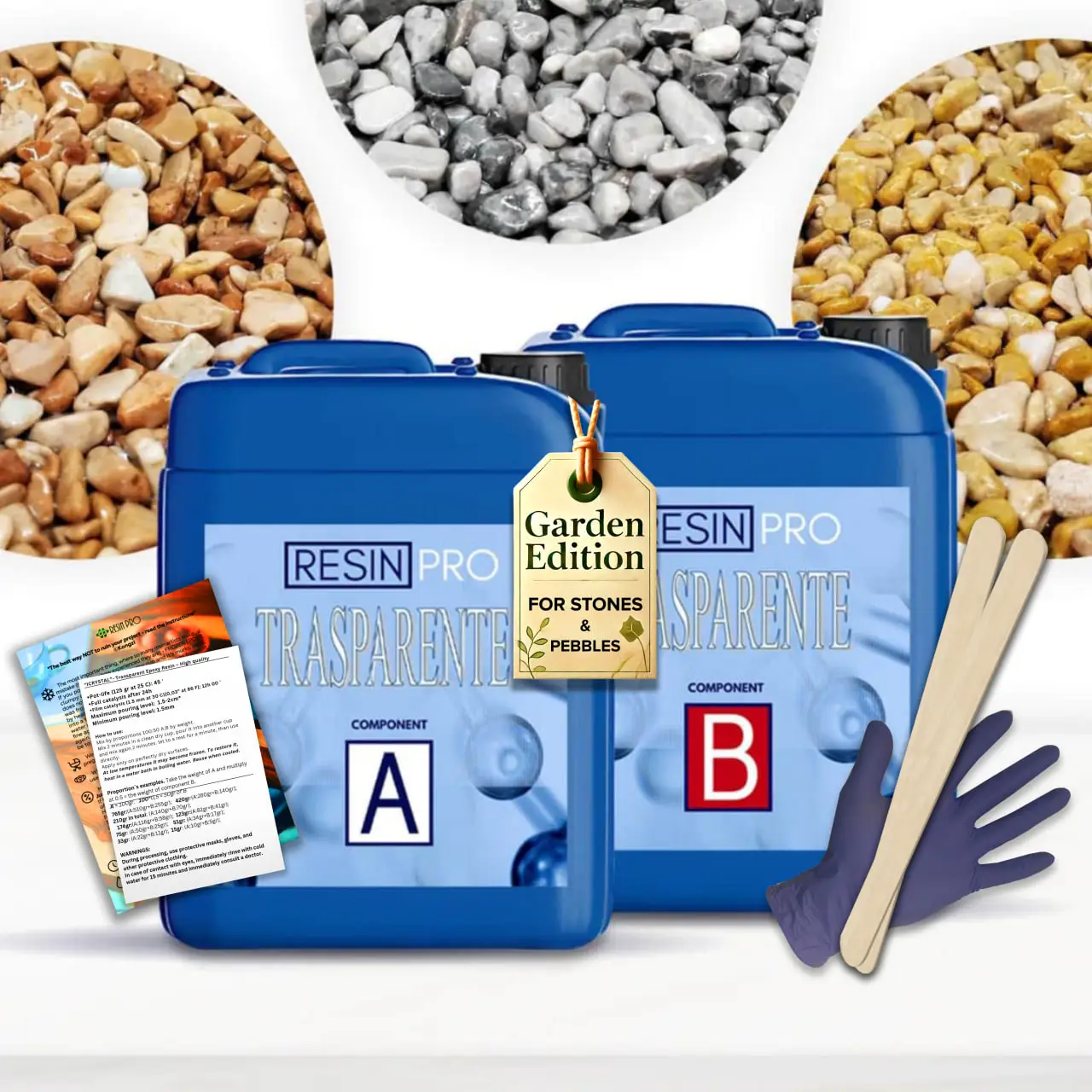 "Trasparente" – Epoxy Binder for Coloured Pebbles and GritsPrice range: £33.45 through £397.95"Trasparente" is a transparent epoxy binder designed for coloured pebbles and grits offering a clear, UV stable finish suitable for decorative…
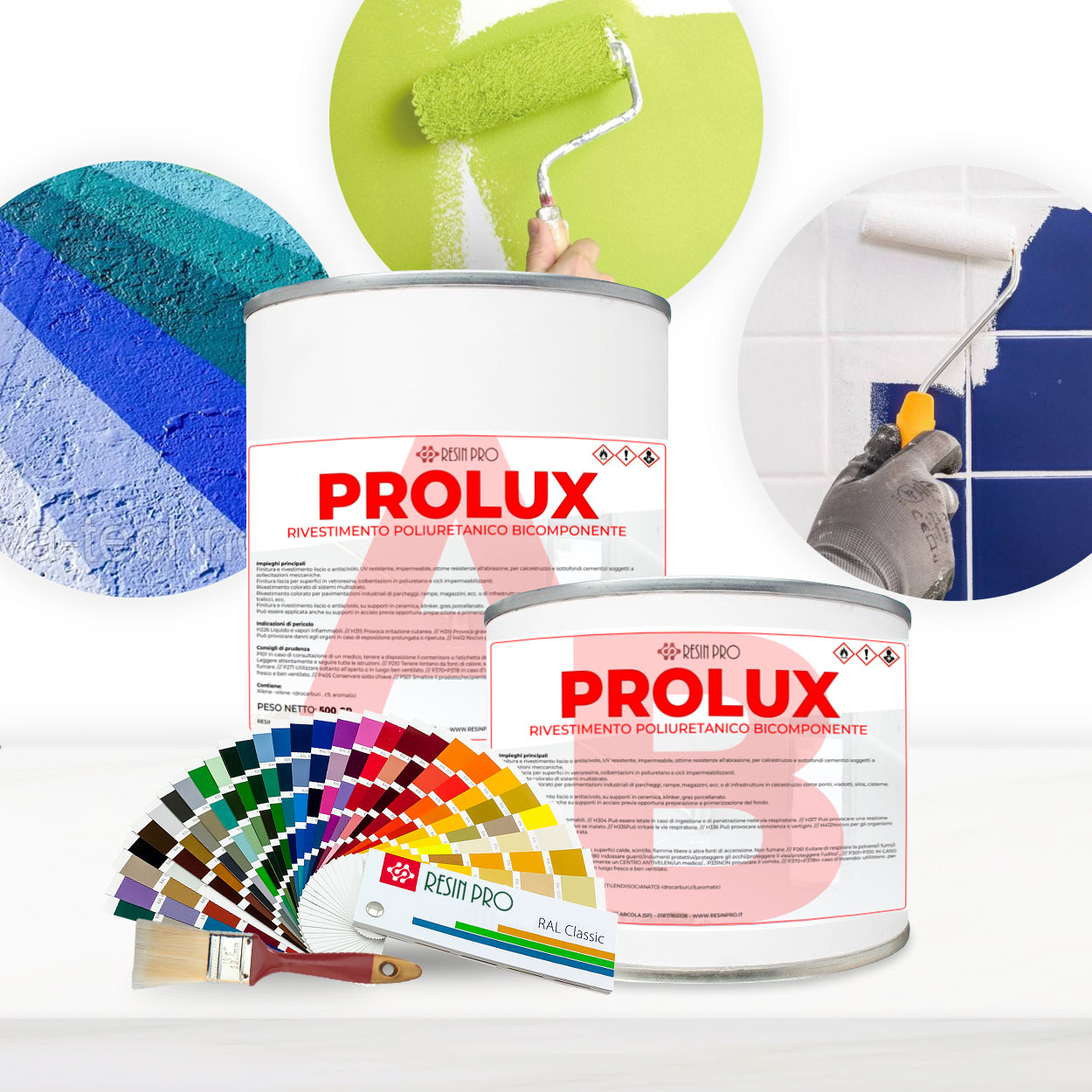 "Prolux" – PU coating for tiles, concrete, plastic and metal – suitable for driveable surfacesPrice range: £44.85 through £494.85"Prolux" is a polyurethane coating designed for durable finishes on multiple surfaces including tiles, concrete, and metal, suitable for driveable…
Frequently Asked Questions
How do I prepare my floor before resin application?
All loose material, dust, oil, and contaminants must be removed. Repair any cracks and ensure the floor is dry and level before priming.
Is priming necessary before applying resin?
Yes, a primer is crucial for adhesion, especially on concrete or porous substrates, preventing bubbles and enhancing durability.
Are resin floor materials safe to use indoors?
Select water-based or low-odour products for indoor use, and always ensure adequate ventilation and personal protection.
How long should I wait between resin coats?
Curing times vary by product, but most primers need 24–48 hours, while resin or topcoats are typically walkable after 10–24 hours.
What are common mistakes when working on resin floors?
Rushing between stages, poor mixing, and skipping surface preparation are the most frequent errors leading to defects or poor adhesion.
What products do I need for a decorative pebble floor?
A suitable epoxy binder, such as a transparent system for coloured aggregates, ensures clarity, durability, and a secure bond.