 Free shipping on orders over £29,85
  Shipping Tracking!


 Google
 Facebook
← Back to How to make a transparent resin floor?
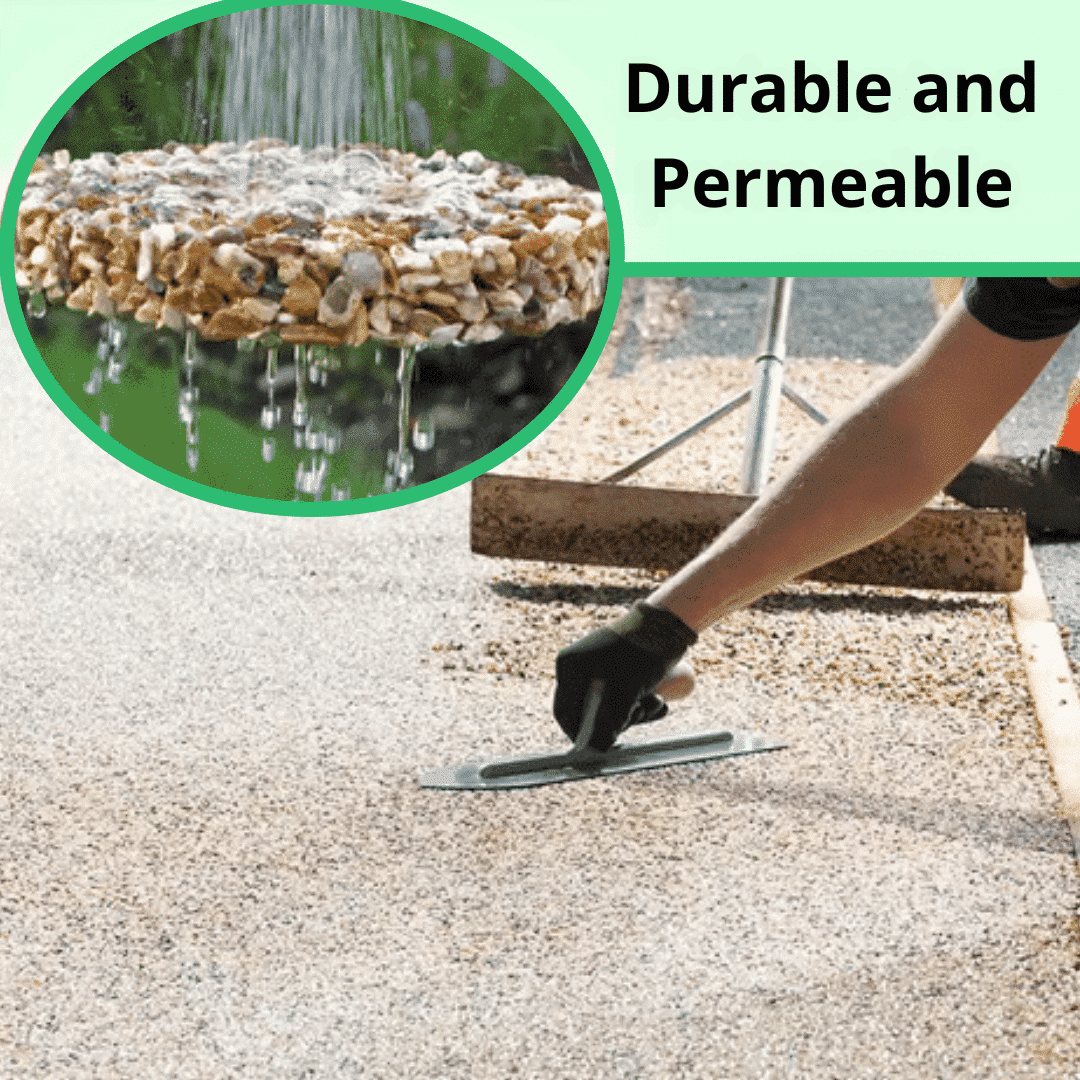
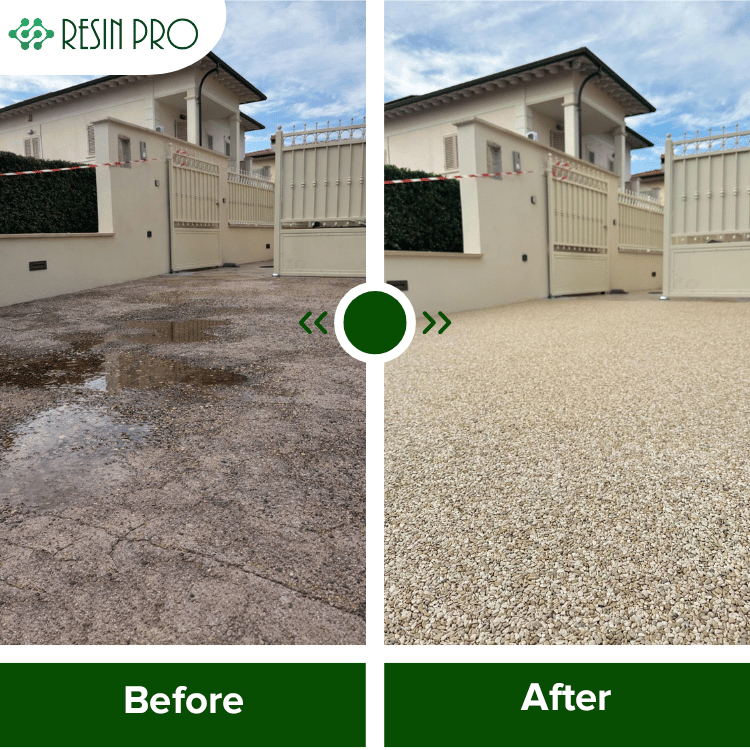
Thoroughly cleaning the substrate is a crucial first step when installing a transparent resin floor. Proper preparation ensures strong adhesion, a flawless finish, and long-term performance.
Why Substrate Cleaning Matters
Any dirt, dust, grease, or loose debris left on the substrate can interfere with the resin’s adhesion and cause imperfections in the final floor. A clean, stable base helps prevent peeling, bubbles, or staining beneath the transparent layer, maintaining both durability and visual clarity.
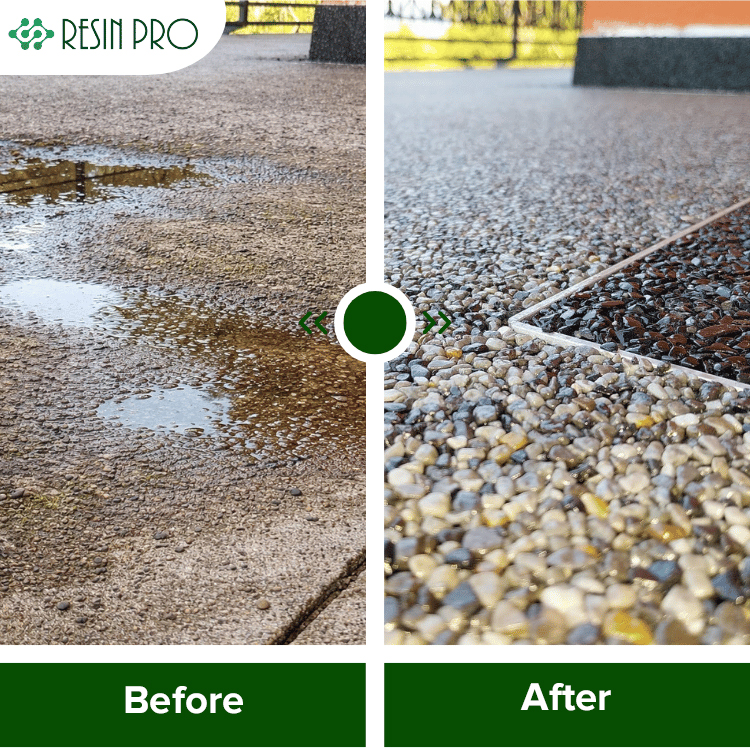
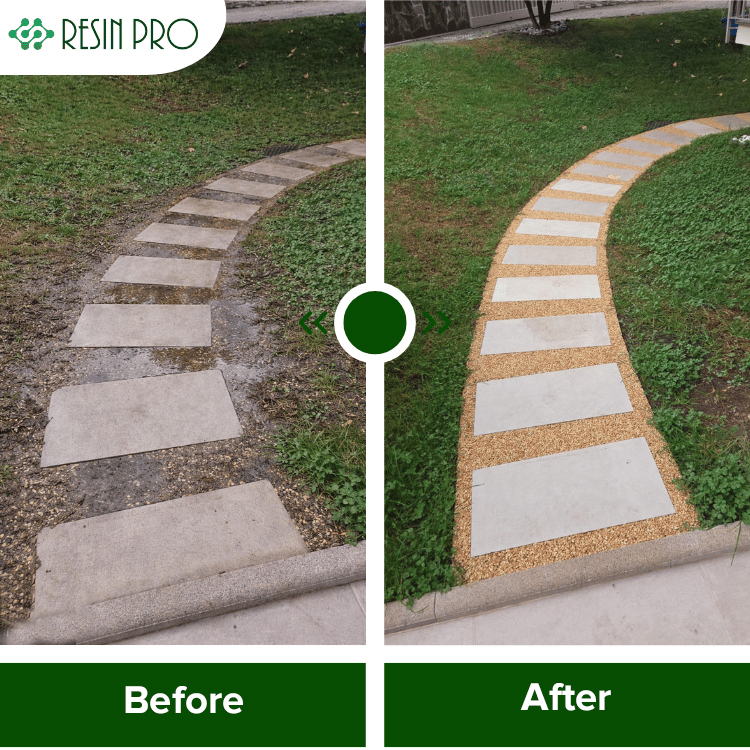
Step-by-Step Surface Preparation
- Remove loose material: Sweep or vacuum to clear away dust and loose particles.
- Treat stains and residues: Degrease the surface using a suitable cleaning agent to eliminate oil or stains. Rinse thoroughly and let it dry completely.
- Check for moisture: For concrete floors, ensure the substrate is dry by testing for damp spots, as trapped moisture can affect curing and adhesion.
- Inspect for damage: Repair cracks, chips, or uneven patches. Filling and smoothing these areas will help you achieve a seamless transparent finish.
For best results on concrete or cement-based substrates, consider using a dedicated sealing resin such as Resinstone before applying your transparent resin layer.
When This Matters Most
Meticulous substrate cleaning is particularly important when working with clear resins, like “Trasparente” multipurpose epoxy, because any contamination will be visible through the finished surface. Such preparation is also vital for outdoor resin installations and for pebble or decorative aggregate floors using kits like Flowstone, where strong bonding is essential to withstand foot or vehicle traffic.
Related products
Related guides
Investing time in substrate preparation will ensure your transparent resin floor is smooth, resilient and visually impressive. Ready to continue your project? Return to our complete transparent resin flooring guide for detailed next steps and expert product advice.