 Free shipping on orders over £29,85
  Shipping Tracking!


 Google
 Facebook
← Back to How to repair a hole in resin?
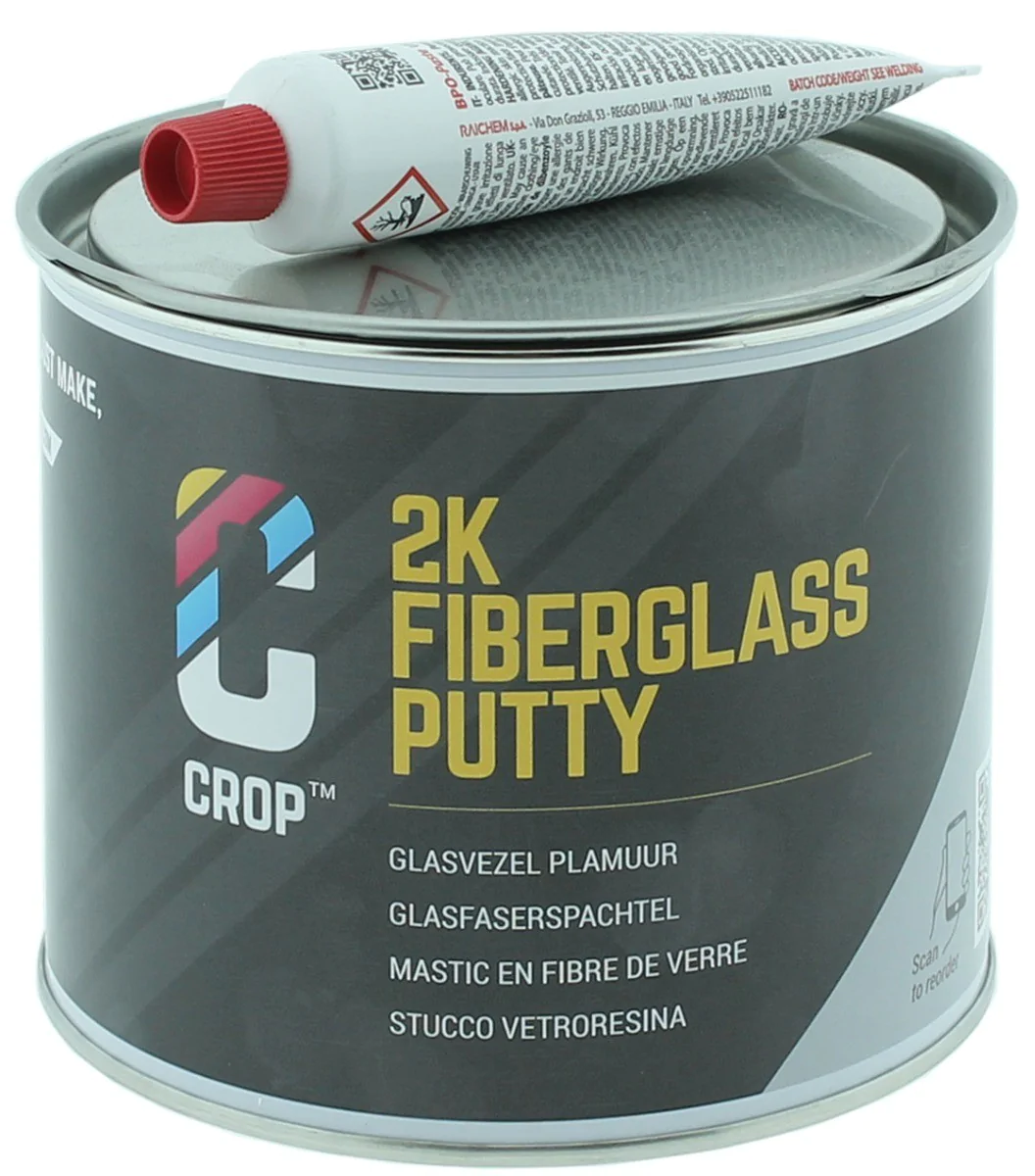
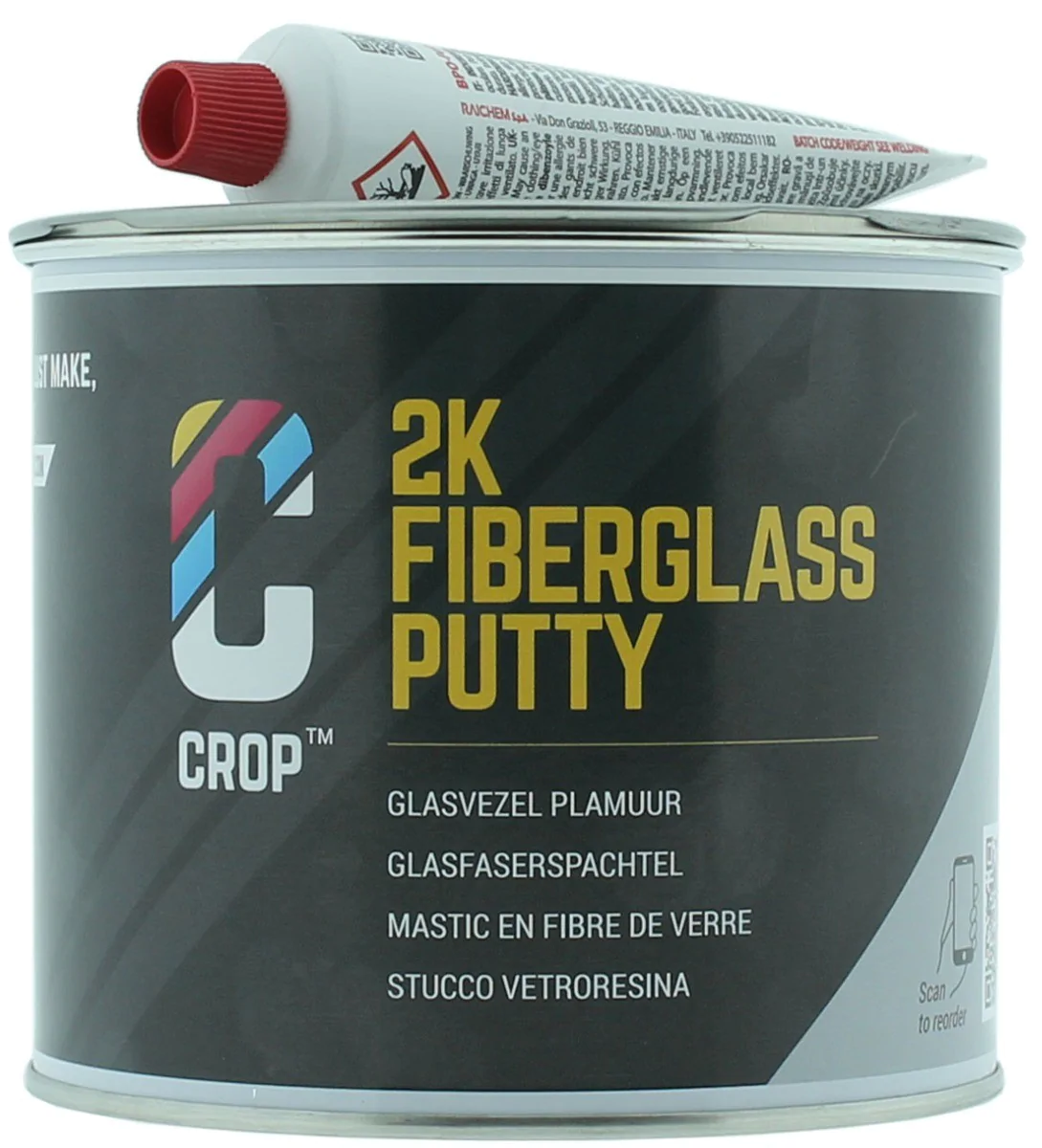
Repairing a hole in resin requires selecting the right product based on the size and nature of the damage. Whether you’re dealing with small cracks or more substantial losses, choosing the correct filler ensures a lasting, seamless result.
Choosing the Right Filler for Your Resin Repair
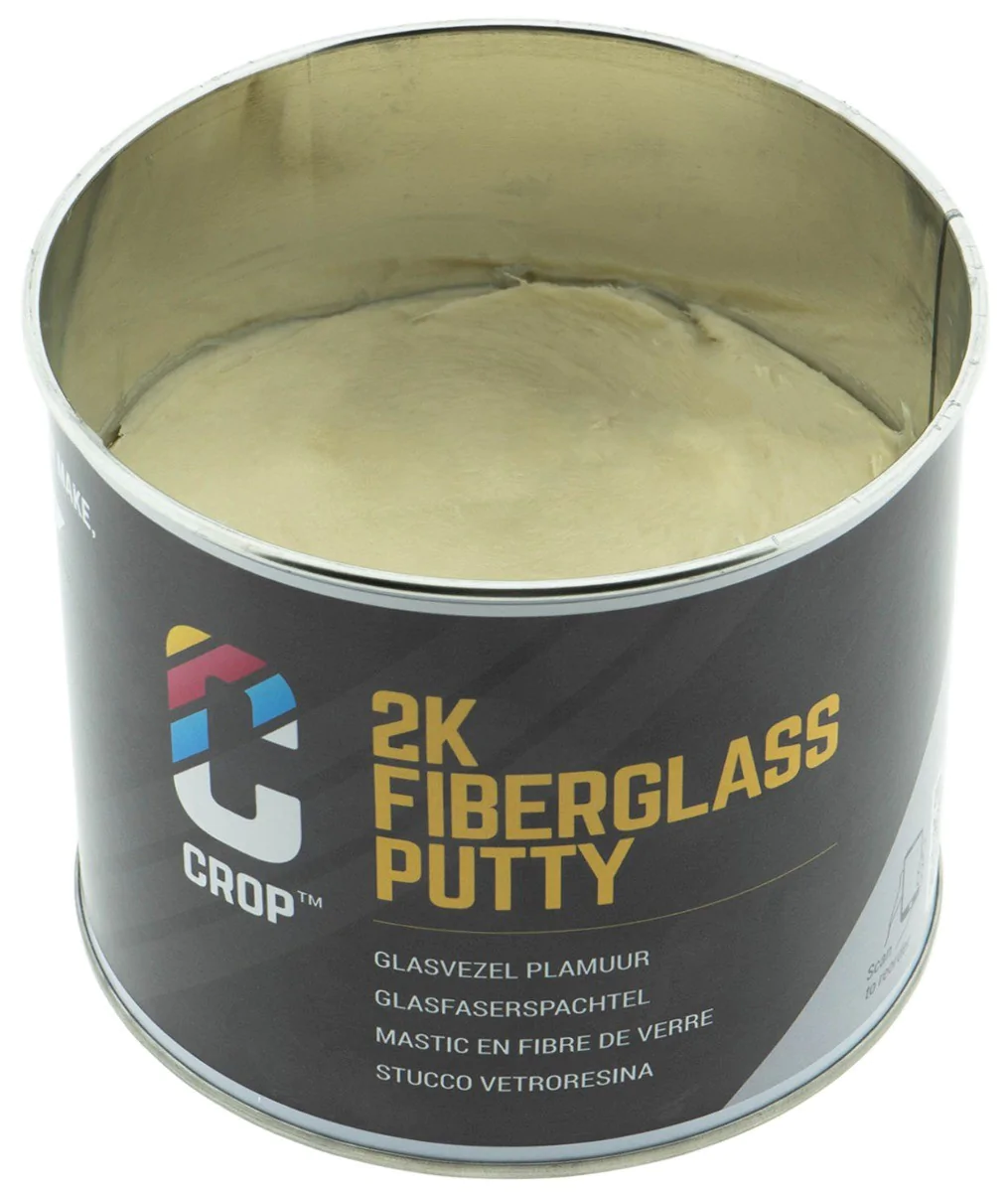
The best product depends on the extent of the hole and what you need from your repair. For small holes or surface imperfections, a fibreglass-reinforced putty offers both strength and the ability to build up the missing section. CROP 2K Fiberglass Putty is ideal here: it combines easy handling with excellent durability once cured.
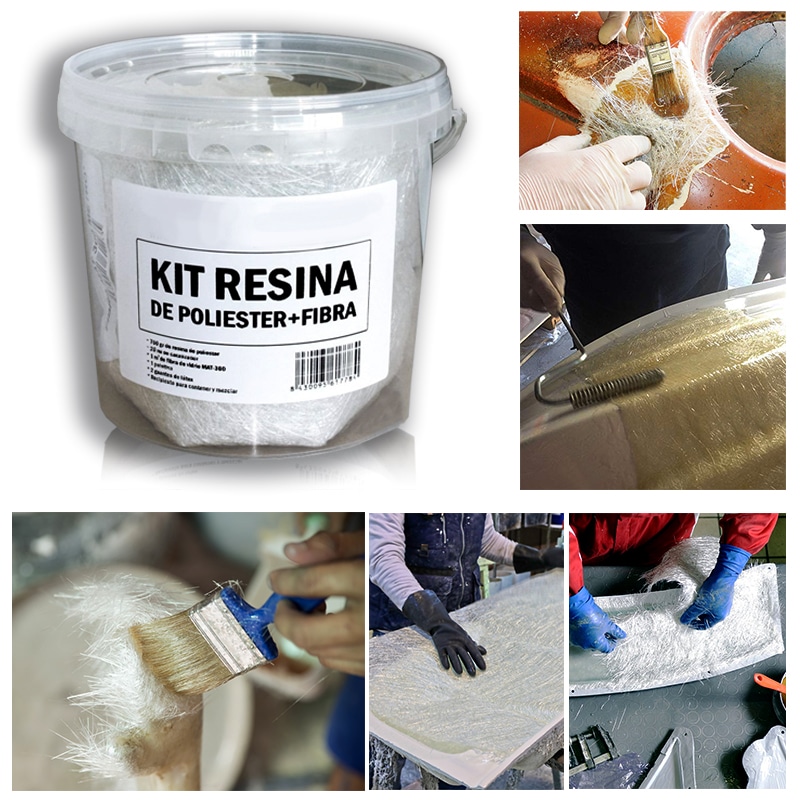
For more significant holes requiring extra structural support, a complete fibreglass repair kit or a specialised epoxy resin can offer robust, long-lasting solutions. These products can be layered and sanded down for a perfectly smooth finish ready for further coating or paint.

Step-by-Step: How to Fill a Hole in Resin
- Clean and Prepare: Remove any loose debris and sand the area lightly for best adhesion.
- Mix and Apply: Prepare your putty, resin, or kit according to the manufacturer’s instructions, then fill the hole slightly above the surface.
- Let it Cure: Allow ample curing time as recommended; curing periods will vary between polyester and epoxy products.
- Sanding and Finishing: Once fully set, sand flush with surrounding surfaces and proceed with priming or painting as needed.
When This Matters
Proper product choice matters most for repairs exposed to moisture, load-bearing use, or when you want an invisible final finish. A fibreglass-based filler or kit provides extra durability for outdoor, automotive, or marine applications where strength and resistance are critical.
Related products
Related guides
Careful selection and application of resin repair products ensure a resilient, professional finish. For more insights into the repair process or to discover suitable products, return to the main hole in resin repair guide.