 Free shipping on orders over £29,85
  Shipping Tracking!


 Google
 Facebook
← Back to How to use epoxy resin in a wooden boat?
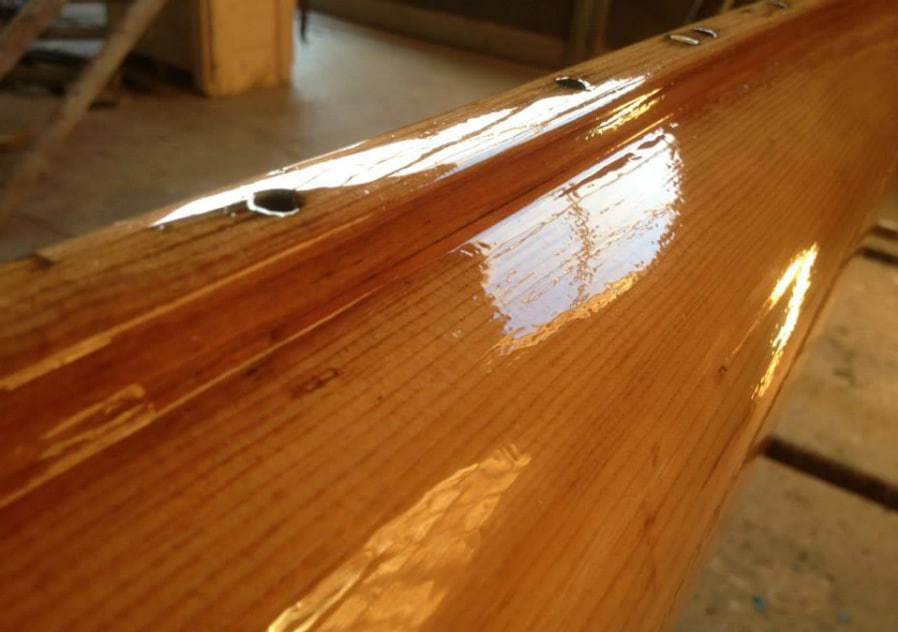
Even experienced boat builders occasionally discover tacky or soft patches after curing epoxy resin on wood. Tackiness indicates incomplete curing and can affect the final look and durability of your finish. Addressing these issues promptly ensures your project is both attractive and long-lasting.
Why Does Epoxy Stay Sticky or Soft?
The most common causes are incorrect mixing ratios, insufficient blending of resin and hardener, or applying epoxy in environments that are too damp or cold. Sometimes, a contaminated surface can also interfere with curing. Understanding the underlying cause helps prevent future problems with your boat restoration or build.

Step-by-Step Repair Process
- Remove Sticky Residue: Scrape and sand away all tacky or soft spots, taking care not to damage the underlying wood.
- Surface Preparation: Wipe the area with a suitable solvent (such as acetone) and allow it to dry thoroughly to remove any contaminants or uncured resin.
- Check Mixing Ratios: Carefully measure and mix a new batch of epoxy, following the product instructions exactly.
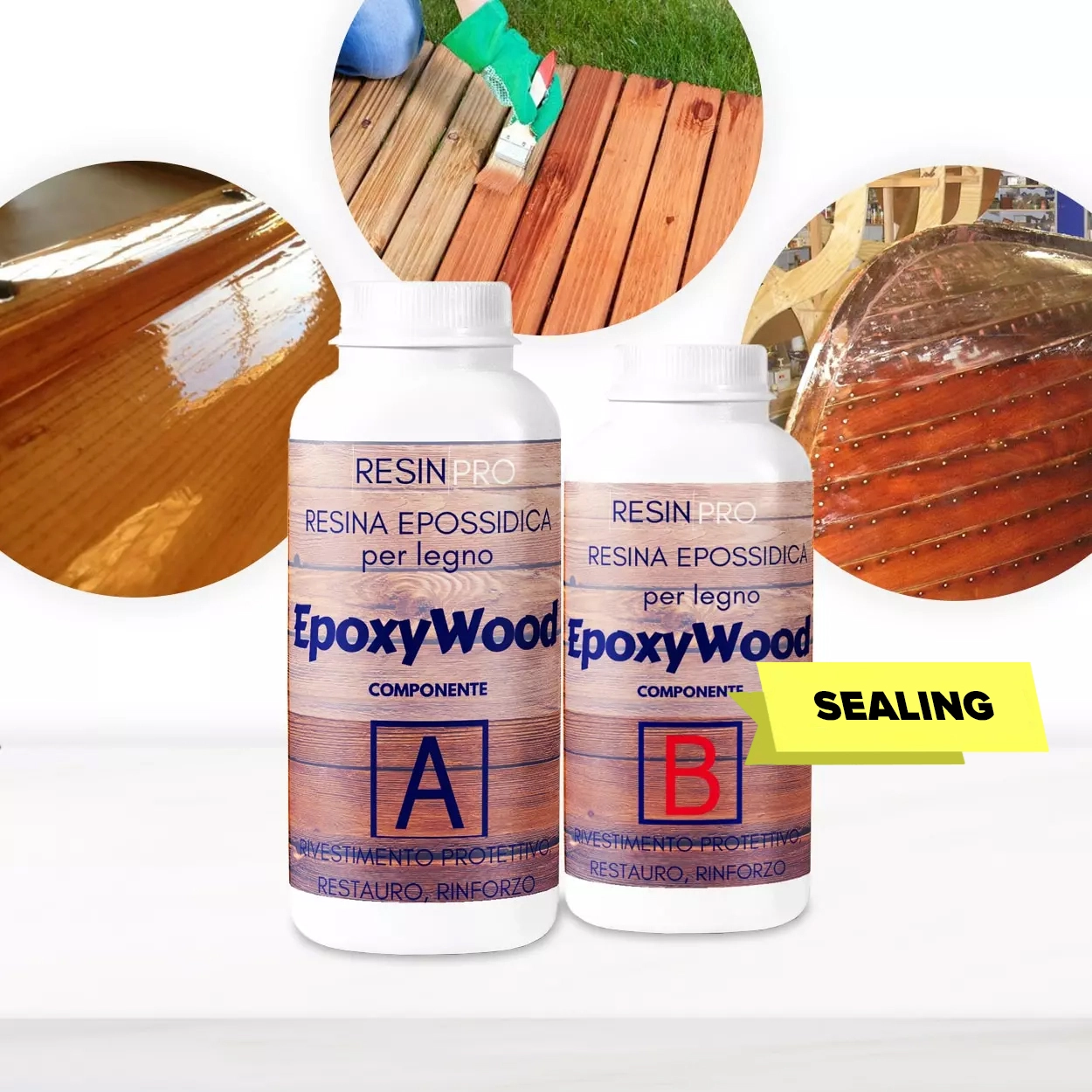
- Reapply Epoxy: Apply a fresh, even coat to the prepared area. Products such as EpoxyWood – Wood Restoration Epoxy Resin offer excellent penetration for durable, waterproof repairs.
When This Matters
Fixing sticky spots is crucial when your wooden boat will be exposed to moisture or heavy use. Uncured patches can undermine waterproofing and strength, so always remedy these faults before putting your boat back in the water or adding further coatings.

Related products
Related guides
Addressing soft epoxy issues promptly keeps your wooden boat protected and looking its best. For more tips on achieving a flawless epoxy finish, see our full guide on using epoxy resin in a wooden boat.