 Free shipping on orders over £29,85
  Shipping Tracking!


 Google
 Facebook
How to make real flowers and resin?
Step-by-step guide for dazzling floral resin art projects


Encasing real flowers in resin lets you preserve their natural beauty as keepsake jewellery, coasters, or decorative objects. This guide walks you through each step, ensuring vibrant petals and crystal-clear results for both beginners and resin crafters alike.
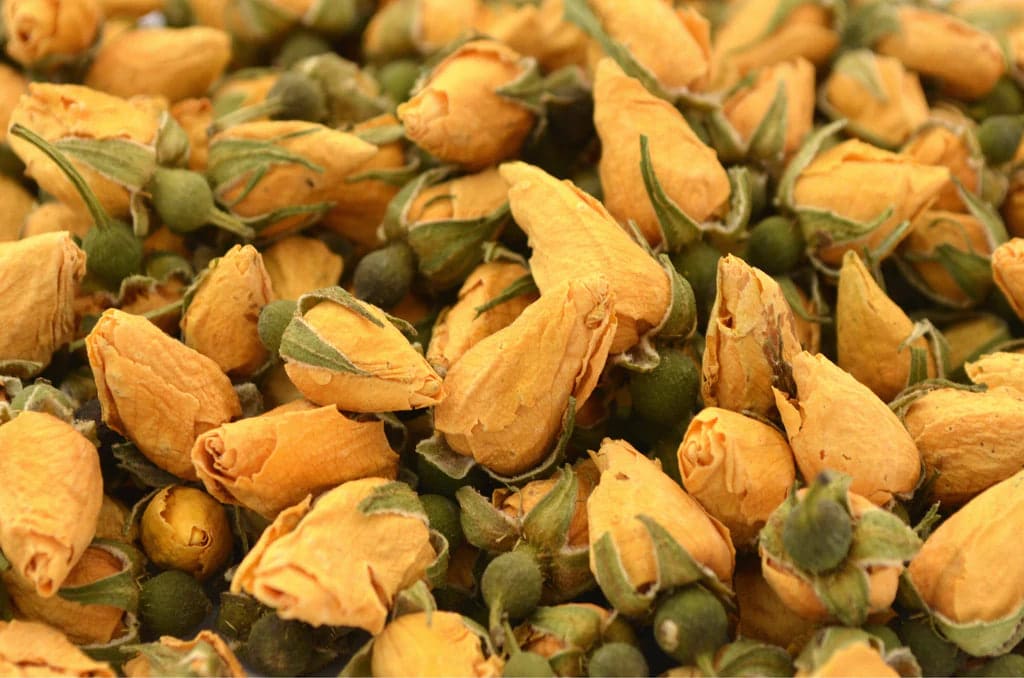
What You’ll Need
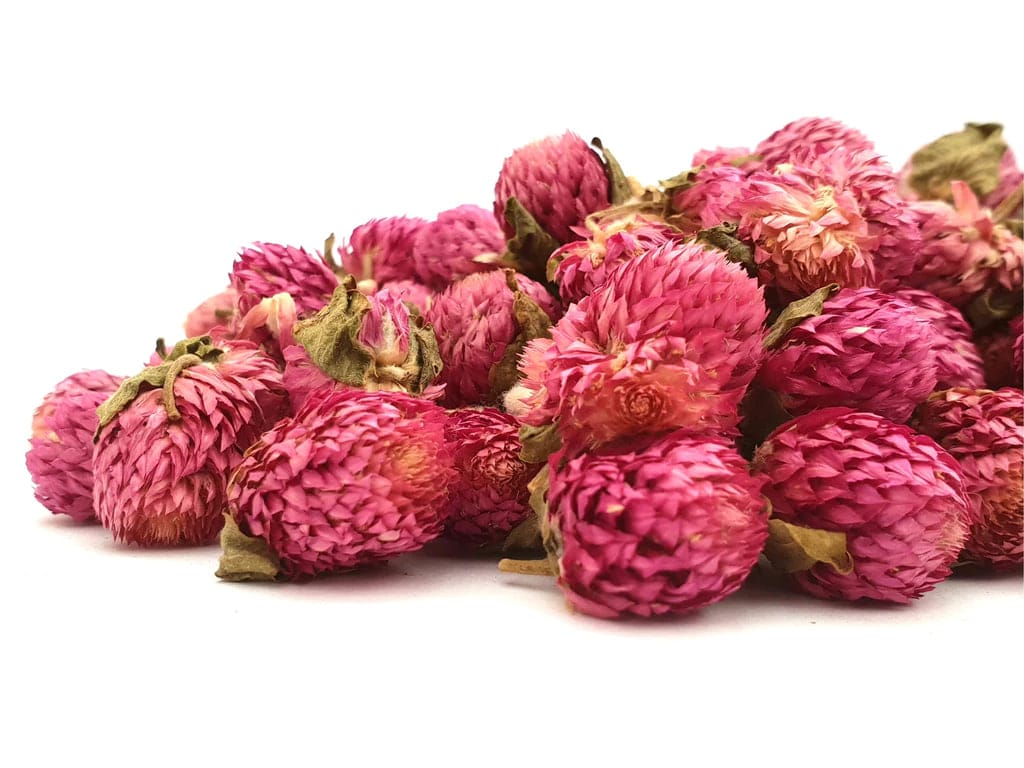
- Natural Dried Flowers for Art Projects and Epoxy Resin Casting – Prepped and ready for embedding.
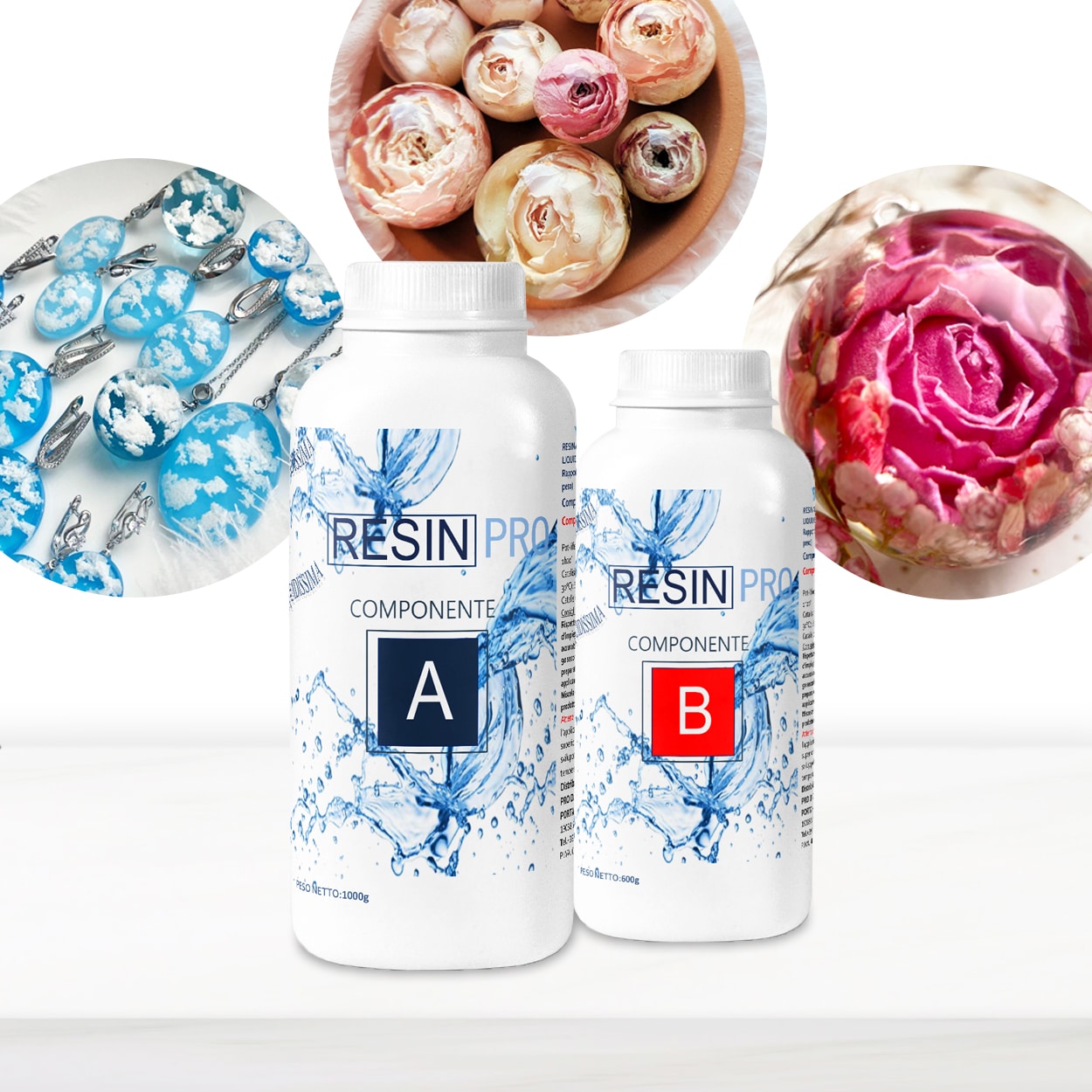
- “Liquidissima” – Epoxy Resin For Creations & Jewellery or a dedicated starter kit such as the “Evershine Collection” – Artisan Jewellery Epoxy Resin Kit with 100+ Accessories.
- Silicone moulds or jewellery settings (different shapes for coasters, pendants, etc.).
- Disposable gloves, mixing cups and stirrers.
- Tweezers (for precise flower placement).
- Protective cover for your workspace.

Inspiration: Floral Resin Artworks
Explore a world of creativity—resin crafts unlock endless possibilities, from sentimental jewellery to functional resin coasters. Embedding real flowers produces pieces that are both unique and deeply personal. Notice how layers and colours can evoke natural landscapes or preserve memories in a timeless way.
Step 1: Prepare Flowers and Workspace
Always start with thoroughly dried flowers to prevent moisture from reacting with the resin (which causes discolouration or cloudiness). If using fresh blooms, dry them completely first using a flower press, silica gel, or between sheets of absorbent paper. Remove any stems or parts you do not want to preserve.
Clean your silicone moulds and arrange your flowers in advance for quick, precise placement. Work in a dust-free environment as dust can become trapped and dull the clarity of your finished piece.

Step 2: Mix Your Epoxy Resin
Carefully follow the manufacturer’s instructions to achieve the correct resin-hardener ratio. For example, “Liquidissima” – Epoxy Resin For Creations & Jewellery features clear, self-levelling qualities perfect for flower embedding. Wear gloves and mix gently, avoiding rapid stirring that could introduce bubbles.
If you are new to resin crafting, an all-in-one set like the “Evershine Collection” – Artisan Jewellery Epoxy Resin Kit with 100+ Accessories provides easy-to-use instructions and everything required for smaller projects.
Step 3: Pour and Embed Flowers
Pour your resin in thin layers. Start by pouring a shallow base layer just covering the mould surface. Allow this layer to gel slightly (usually 20–40 minutes, monitor the manufacturer’s guidance). Using tweezers, gently lay your chosen dried flowers onto the partially set layer, arranging them aesthetically.
Carefully pour another layer of resin over the flowers, ensuring complete coverage. This prevents air pockets and helps keep delicate blooms in place. Use a cocktail stick or toothpick to nudge stray petals or pop visible bubbles. Avoid over-manipulating flowers once placed, as this can cause tearing or unwanted movement.


Step 4: Cure and Finish
Let your piece cure undisturbed as directed by the resin instructions—typically 24–48 hours for most epoxy formulations. Allow full curing before handling your piece. De-mould gently to avoid damaging delicate edges.
Should you want to smooth or polish any surfaces, lightly sand the edges with fine-grit sandpaper. For a professional finish, consider doming with an extra layer of clear resin to restore shine. Your preserved flowers will remain beautifully suspended for years to come.
Tips, Common Mistakes and Troubleshooting
- Test the placement of your flowers before mixing resin to avoid rushing during embedding.
- Avoid thick resin pours; thin layers help minimise bubbles and ensure flowers stay put.
- If bubbles appear, use a toothpick or gently exhale over the resin to help them rise and pop.
- Store finished pieces away from direct sunlight to prevent natural colours from fading.
- If the resin does not fully cure, check that the right ratio was measured and mixed accurately.
Focus: Achieving Crystal-Clear Results
Choosing the right resin is crucial—formulations designed for jewellery and art, such as “Liquidissima” or the “Evershine Collection” kit, deliver clarity and minimise bubbles. Layering, slow pouring, and careful placement of blooms ensure your finished piece displays every detail vividly. Patience is key for a glowing, glass-like finish!
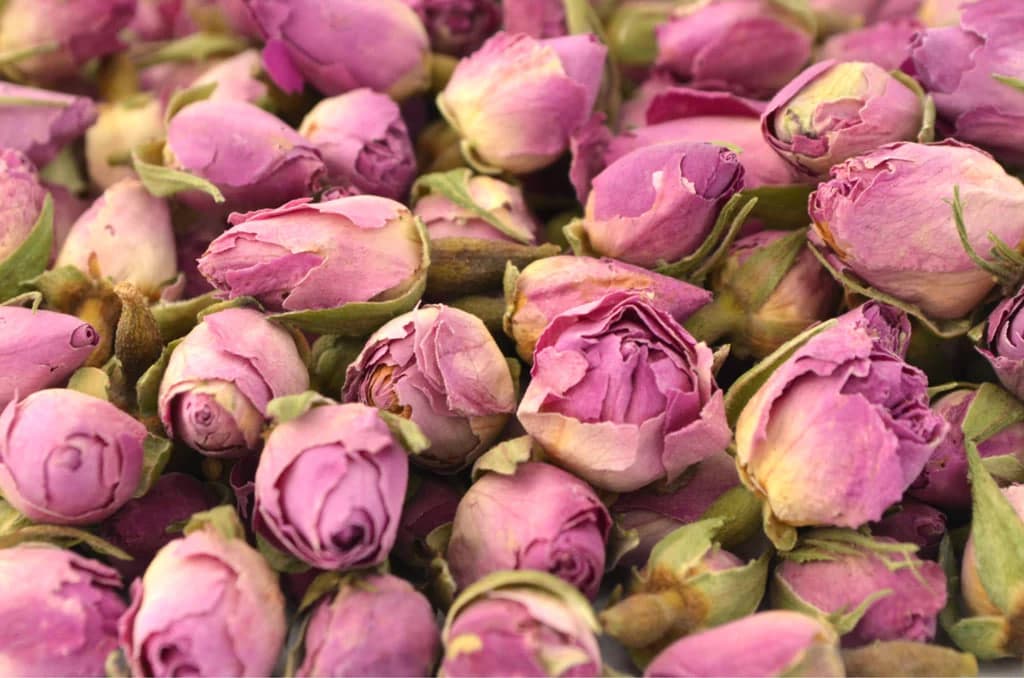
- Natural Dried Flowers for Art Projects and Epoxy Resin CastingPrice range: £5.95 through £8.45Natural dried flowers designed for seamless use in epoxy resin and other art projects.
- "Evershine Collection" – Artisan Jewellery Epoxy Resin Kit with 100+ Accessories£21.95A complete epoxy resin kit designed for jewellery makers to create glass-like, personalised pieces with included pigments and dried flowers.
- "Liquidissima" – Epoxy Resin For Creations & JewelleryPrice range: £12.85 through £31.85This epoxy resin provides high transparency and long working time suitable for intricate jewellery and artistic creations.
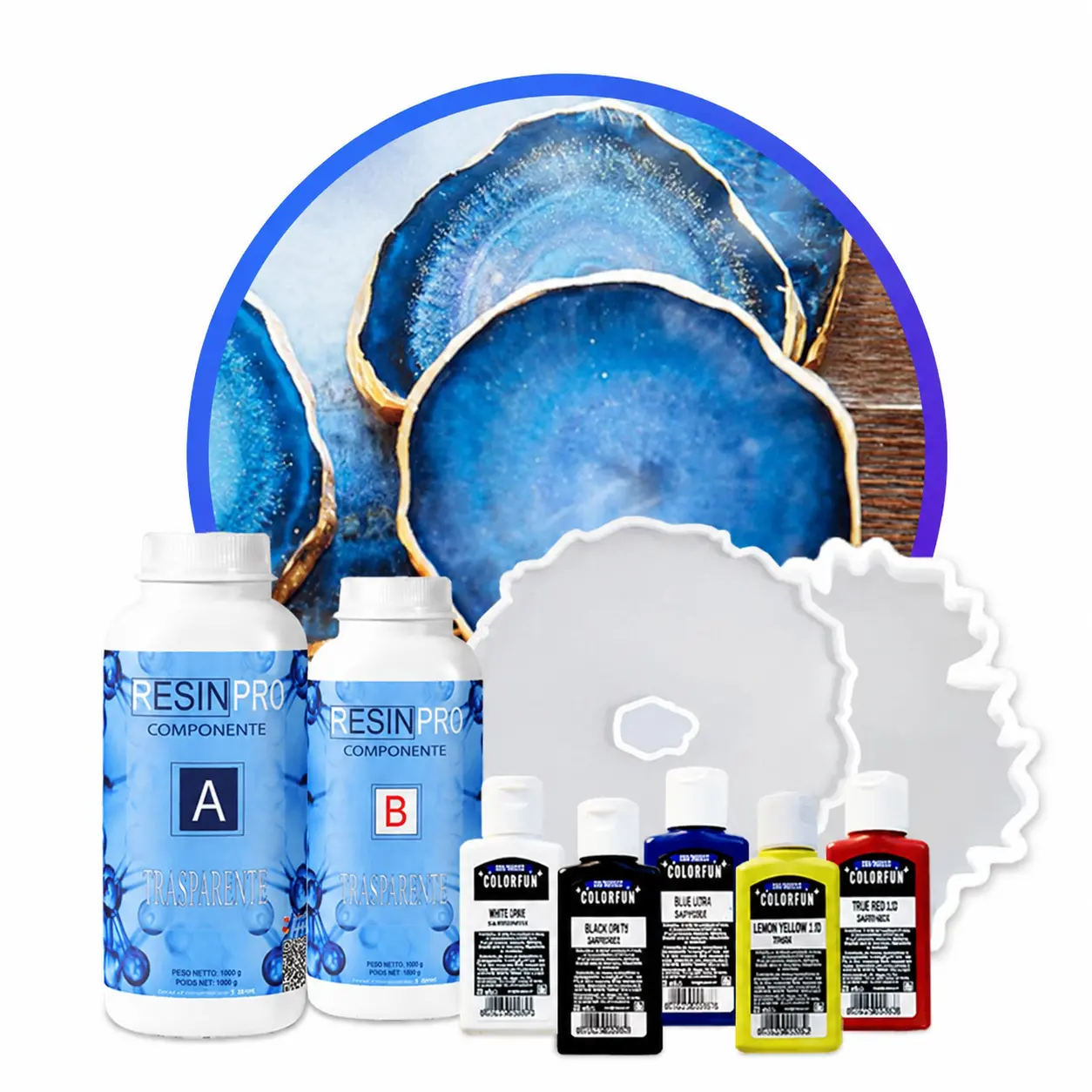 Resin Geode Coaster Starter Kit – Create Stunning Crystal-Style Coasters at Home£42.85A complete kit designed for creating resin coasters inspired by natural geodes, suitable for beginners exploring resin art.
Frequently Asked Questions
Can you use fresh flowers in resin art?
No, flowers must be completely dried before embedding in resin, otherwise moisture can cause cloudiness and decay.
How do you prevent air bubbles when preserving flowers in resin?
Pour resin in thin layers and use low-viscosity formulas. Removing bubbles with a toothpick or gentle exhaling also helps.
What is the best type of resin for flower preservation?
Clear, low-viscosity epoxy resin is ideal for flower embedding, providing gloss and minimising bubbles.
Does resin change flower colours?
Dried flowers hold their colour well, but bright hues may fade under sunlight. Keep pieces out of direct sun to preserve vibrancy.
How long does it take for epoxy resin to cure?
Most epoxy resins take 24–48 hours to fully cure, though curing times can vary based on brand and thickness.
Can you add glitter or pigments to resin when embedding flowers?
Yes, but use them sparingly so flowers remain visible. Overuse can obscure details or cause cloudiness.