 Free shipping on orders over £29,85
  Shipping Tracking!


 Google
 Facebook
How do you repair a resin floor?
Step-by-step resin floor repair for professionals and DIYers alike
Repairing a resin floor can restore its durability, seamless appearance, and protective qualities. Whether you are tackling minor chips or more significant wear, this guide covers the essential steps for effective repairs, so both professionals and dedicated DIYers can achieve strong, lasting results.
What You’ll Need
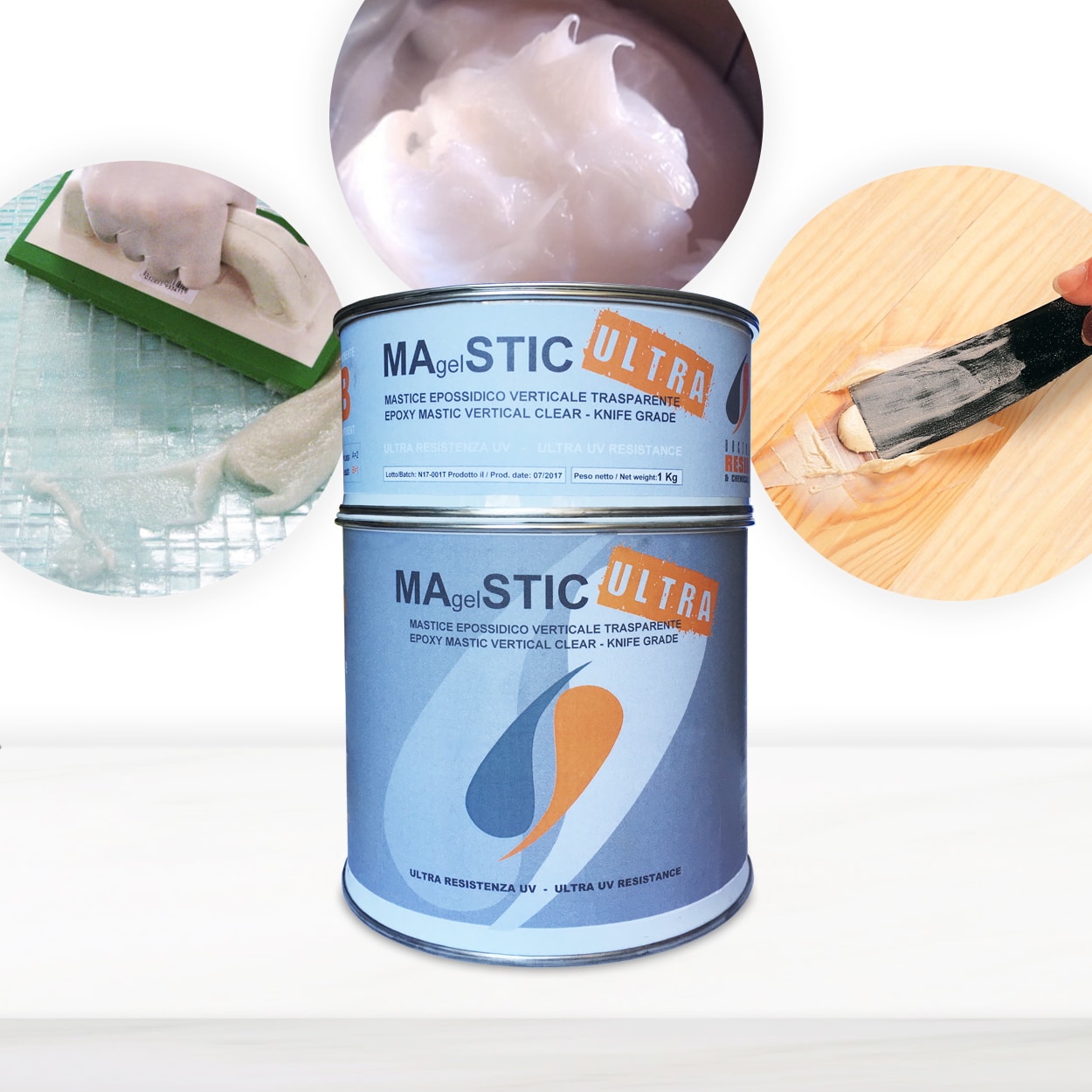
- “Magelstick” – Epoxy Mastic for Stone, Metal, and Cement Bonding and Grouting – Ideal for filling cracks and gaps in damaged resin floors
- “Epoxyprimer” – Universal Water-Based Two-Component Epoxy Floor Primer – For optimal floor preparation before resin application
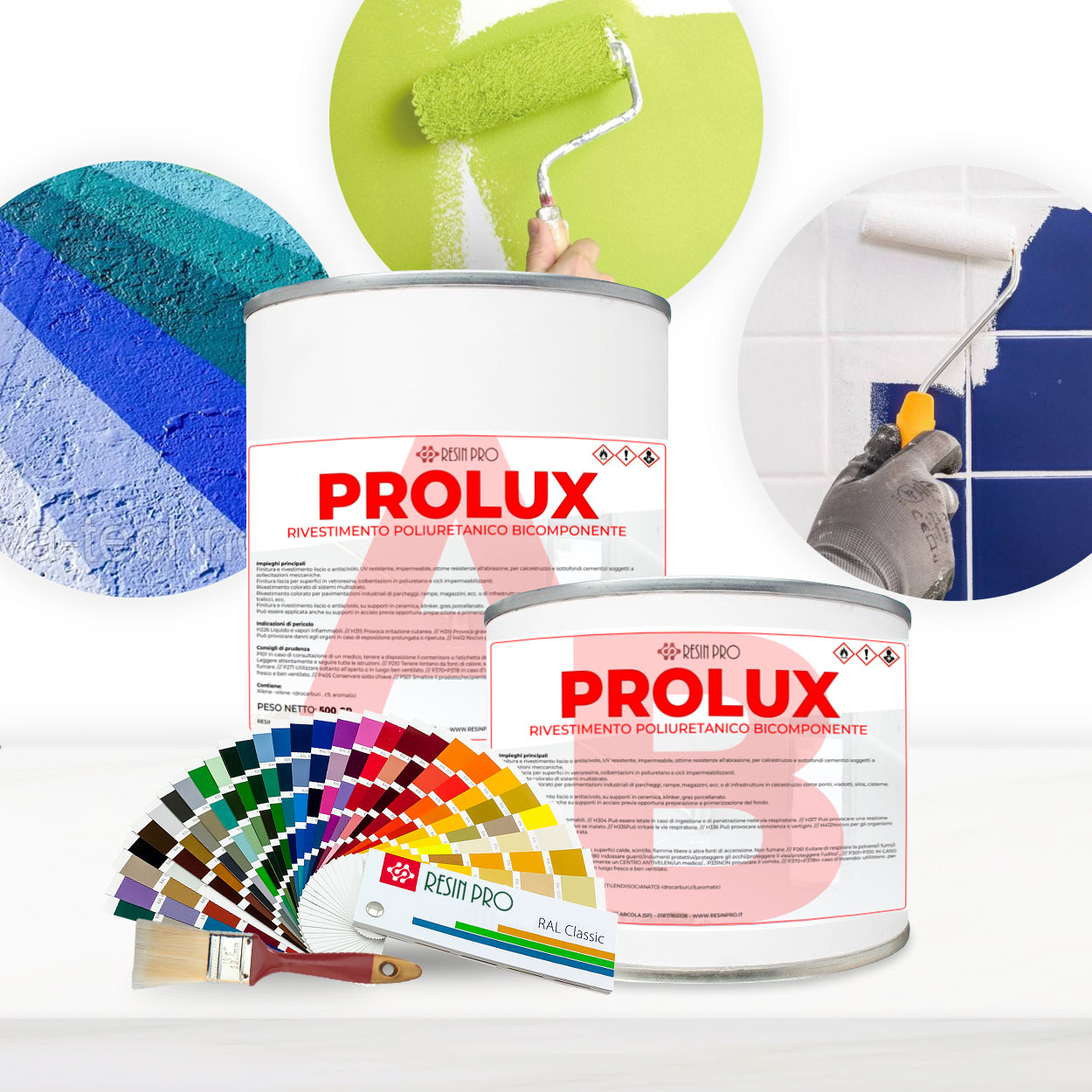
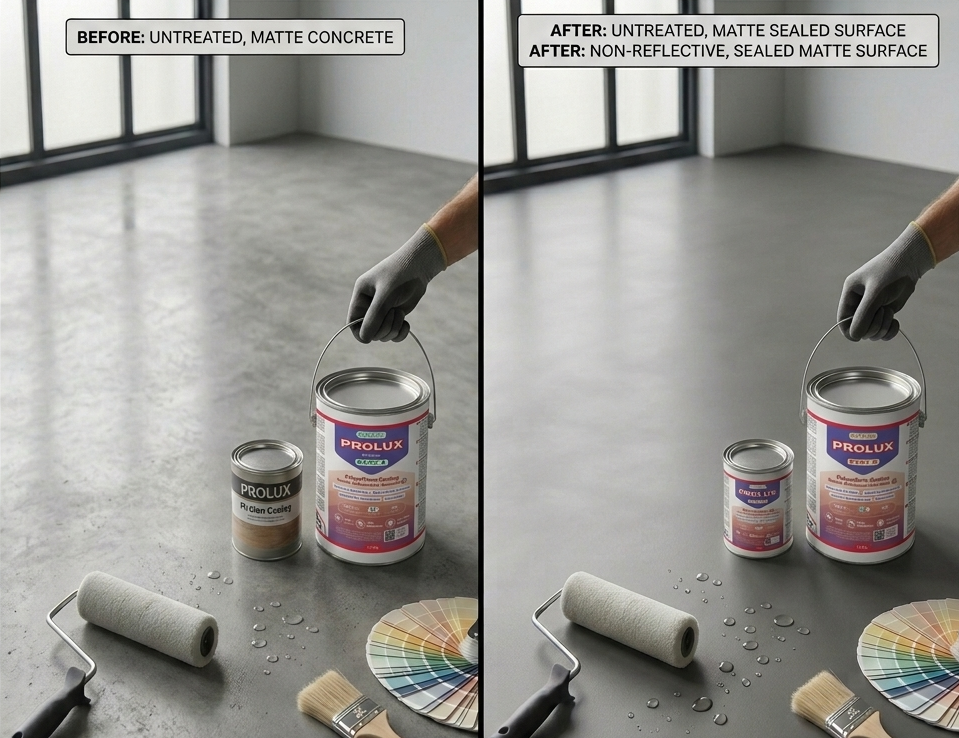
- “Prolux” – PU coating for tiles, concrete, plastic and metal – suitable for driveable surfaces – To seal and protect the repaired area
- “Resinstone” – One-Component Methacrylic Resin for Concrete Floors and Driveways – For sealing and reinforcing repaired concrete floor sections
- Protective gloves, dust mask, safety goggles
- Scraper, trowel, sandpaper (medium and fine), hoover or soft brush
- Cleaning solvent or mild detergent

Resin Floor Repair in Action
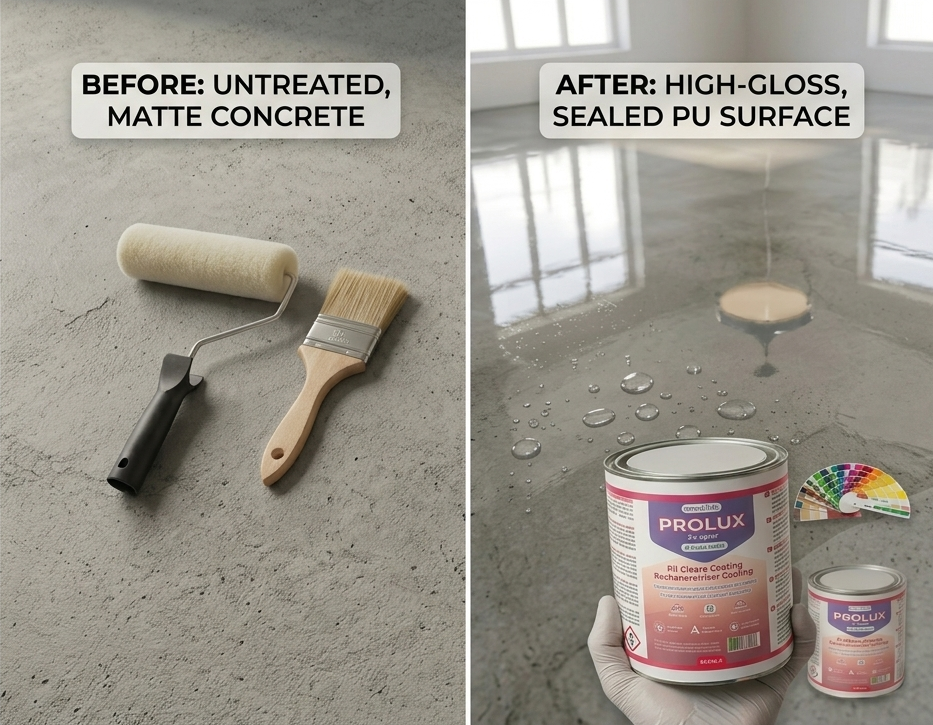
See close-up images of minor and major resin floor repairs, from initial surface cleaning to filling cracks and applying a fresh resin coat. These real-life examples highlight the dramatic transformation possible and the effectiveness of expert techniques.
Step 1: Assess Damage and Clean the Surface
Start by identifying all areas of visible damage, such as chips, cracks, or worn patches. Carefully mark affected sections and remove any loose debris. Clean thoroughly to remove all dirt, grease, and dust using an industrial hoover, mild detergent, and degreasing agent if needed. Ensuring a dust- and oil-free surface is crucial for a lasting repair.
Let the surface dry completely before moving to the next stage, as trapped moisture can compromise adhesion. Pay special attention to expansion joints, corners, and places where resin previously failed.
Step 2: Fill Cracks, Holes, and Joints
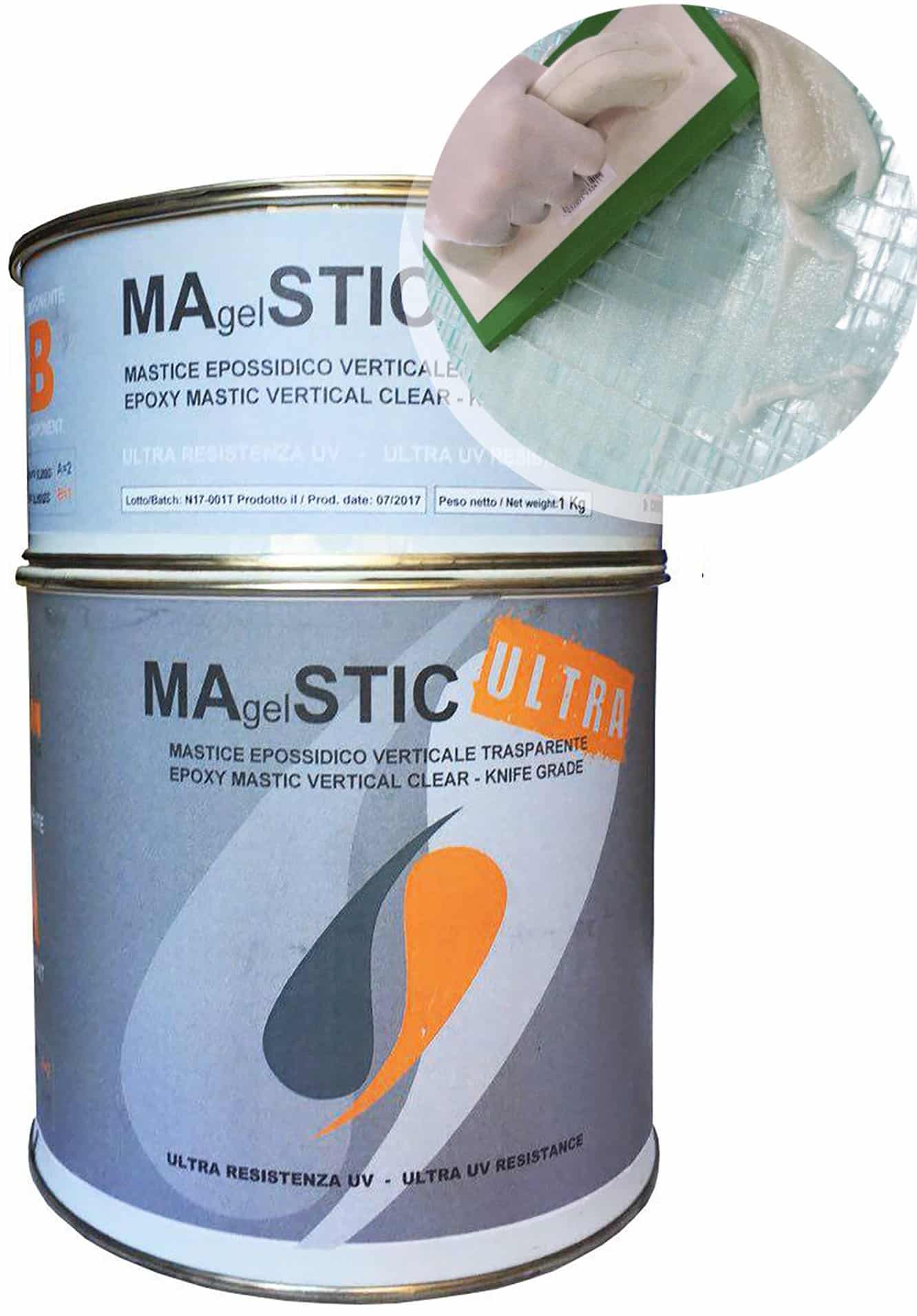
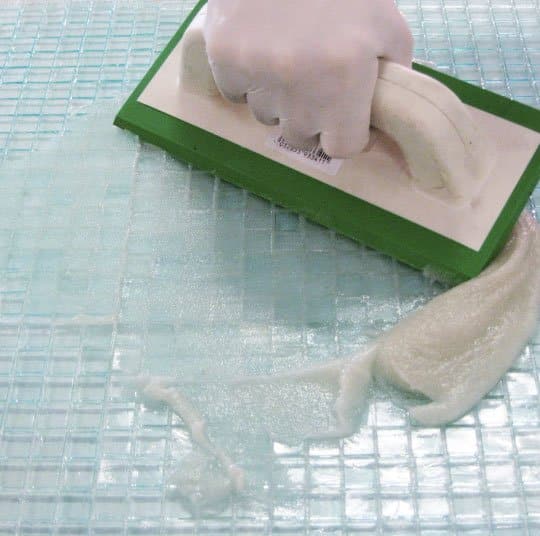
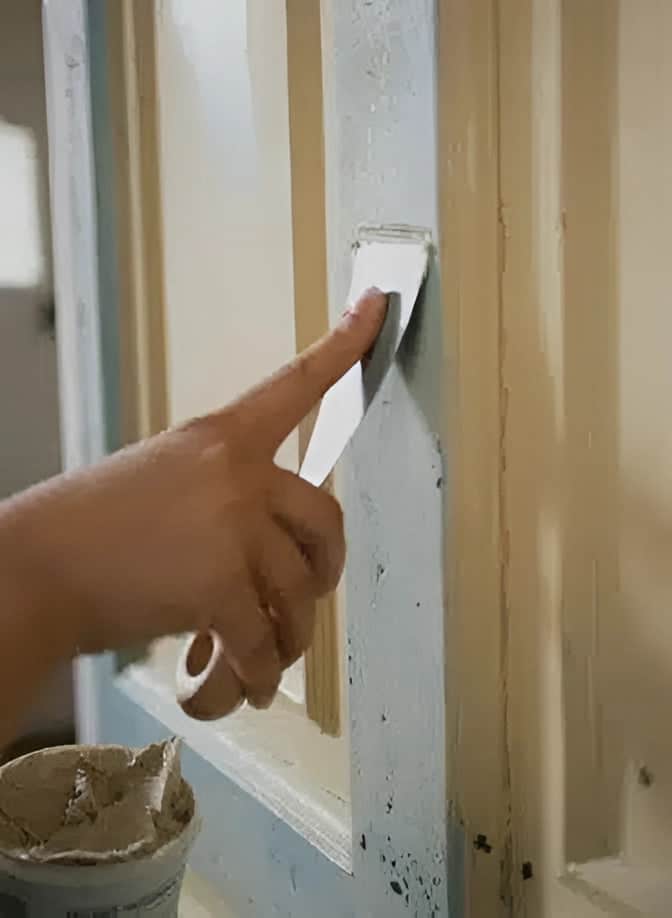
For small cracks, chips, or gaps in your resin floor, carefully mix a small batch of suitable epoxy mastic. Using a trowel or spatula, press the mastic firmly into defects, smoothing the surface level with the surrounding floor. Remove excess before initial setting.
If you are dealing with concrete or stone-backed resin floors, “Magelstick” – Epoxy Mastic for Stone, Metal, and Cement Bonding and Grouting is specifically formulated for high-strength grouting and gap-filling, maintaining structural integrity even on vertical or edge joints.
Allow the repair material to cure as recommended. Avoid walking or placing objects on these sections until fully set to prevent surface dips or unevenness.
Step 3: Prepare for Resin Application
Once repairs are dry and smooth, sand the patched areas with medium to fine grade sandpaper so the new resin can bond effectively. Carefully hoover all dust after sanding. Check again for moisture and ensure the floor is ready for priming.
Apply a suitable primer for your surface type to maximise adhesion between the repair and finishing layers. For a broad range of floor substrates—such as concrete, screed, tile, or timber—“Epoxyprimer” – Universal Water-Based Two-Component Epoxy Floor Primer is a reliable choice to ensure the new resin adheres securely and evenly.
Allow adequate drying time before applying resin, following the primer’s instructions to achieve full bond strength and performance.
Step 4: Apply Resin and Protective Topcoat
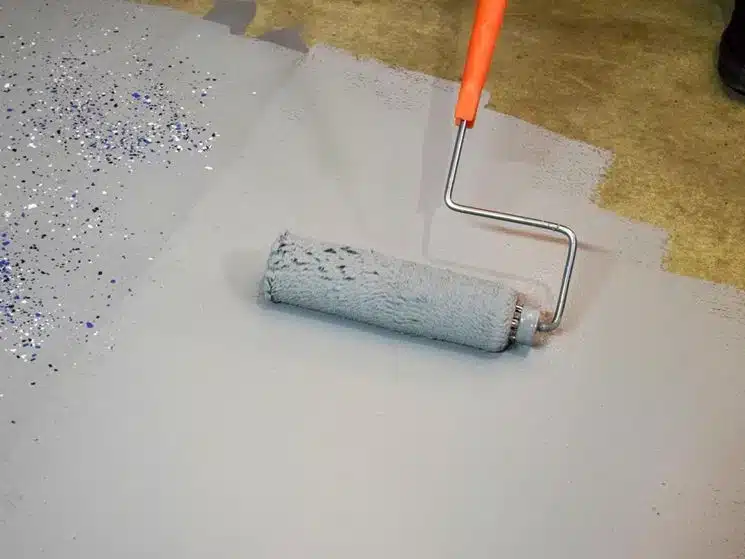
Mix your chosen resin or coating following the recommended ratio. Use a clean roller or brush to spread the product evenly, starting in one corner and moving methodically across the floor. Take care to avoid pooling or missed patches, which can cause surface weakness.
For areas subject to heavy use or outdoor exposure, adding a protective topcoat like “Prolux” – PU coating for tiles, concrete, plastic and metal – suitable for driveable surfaces helps resist abrasion, UV rays, and weathering. For concrete substrates, consider “Resinstone” – One-Component Methacrylic Resin for Concrete Floors and Driveways to seal and strengthen the repair further.
Avoid rushing curing times; leave the new surface undisturbed for the full recommended period to ensure hardening and durability.
Tips and Common Mistakes in Resin Floor Repair
Successful resin floor repair requires patience and attention to detail. Protect repaired areas from heavy use until fully cured, as premature foot or vehicle traffic can lead to surface marks or weaknesses.
Always check both temperature and humidity before beginning—most products require dry, mild conditions for optimal curing. Applying resin to damp or unclean surfaces is a frequent mistake that undermines adhesion and longevity. Take care to use compatible products throughout the process, and always follow safety guidelines when handling chemicals.
Getting the Best Results from Your Resin Floor Repairs
Plan your repair timing around weather and floor usage. For the highest-quality finish, repair resin floors during dry, mild weather, and allow adequate curing before returning the area to full service. Always read the supplied instructions for every product you use.

- "Epoxyprimer" – Universal Water-Based Two-Component Epoxy Floor PrimerPrice range: £156.45 through £286.45"Epoxyprimer" is a water-based two-component epoxy floor primer suited for reliable adhesion on various substrates in resin floor repairs.
- "Prolux" – PU coating for tiles, concrete, plastic and metal – suitable for driveable surfacesPrice range: £44.85 through £494.85"Prolux" PU coating offers durable protection with options for gloss or satin finish, suitable for various surfaces including floors and metal.
- "Magelstick" – Epoxy Mastic for Stone, Metal, and Cement Bonding and Grouting"Magelstick" Epoxy Mastic suits restoration and repair of stone, metal, and cement with good mechanical strength and vertical surface use.
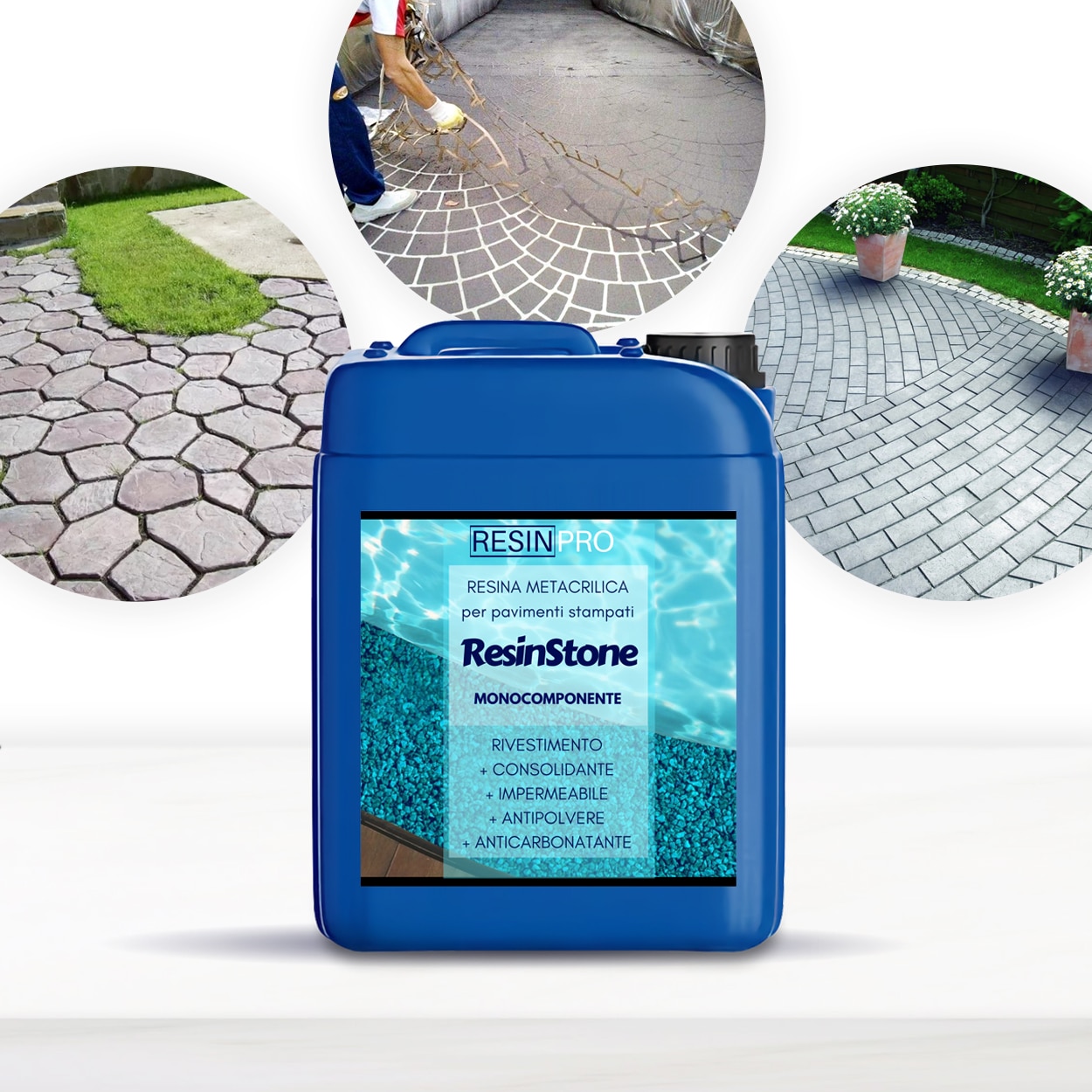 "Resinstone" – One-Component Methacrylic Resin for Concrete Floors and DrivewaysPrice range: £36.71 through £336.48"Resinstone" is a one-component methacrylic resin suited to concrete floors and driveways, offering waterproof protection and mechanical resistance.
Frequently Asked Questions
Can I repair small resin floor cracks myself?
Yes, hairline cracks and chips can often be filled with a suitable epoxy mastic. Ensure the area is clean and dry before application.
How long does a resin floor repair typically take to cure?
Most resin repair products require 24–48 hours for full cure, though this can vary. Always follow product instructions for best results.
Can I walk on the floor after repair?
Wait until the resin or mastic has fully cured before walking on or placing heavy objects on the repair area.
Do I need a primer for resin floor repair?
A primer improves adhesion and performance, especially on concrete, tiles, and porous substrates. Use as directed for lasting repairs.
Can I repair a resin floor in winter?
Repairs are possible but temperatures below 10°C can slow or prevent curing. Always check product temperature requirements.
How can I make a repair patch nearly invisible?
Careful smoothing, sanding, and colour matching will help. Using the same topcoat or resin as the original floor yields best results.