 Free shipping on orders over £29,85
  Shipping Tracking!


 Google
 Facebook
How to remove stains from resin flooring?
Step-by-step stain removal for clean, glossy resin floors


Maintaining resin flooring is essential for keeping its attractive appearance and ensuring long-term durability. Whether you’re dealing with oil marks, food spills, or ink stains, learning how to effectively remove stains from resin floors helps preserve their glossy, seamless finish. This guide provides clear, practical steps for restoring spotless surfaces while protecting your resin floor from unnecessary damage.

What You’ll Need
- Strong Technical Degreaser for Resin Projects – 100% Natural Formula: A natural cleaner for grease, silicone, and adhesive stains on resin.
- Pure Isopropyl Alcohol 99.9% – 1000ml Bottle for Epoxy Resin Projects & DIY: For spot cleaning and removing persistent residue.
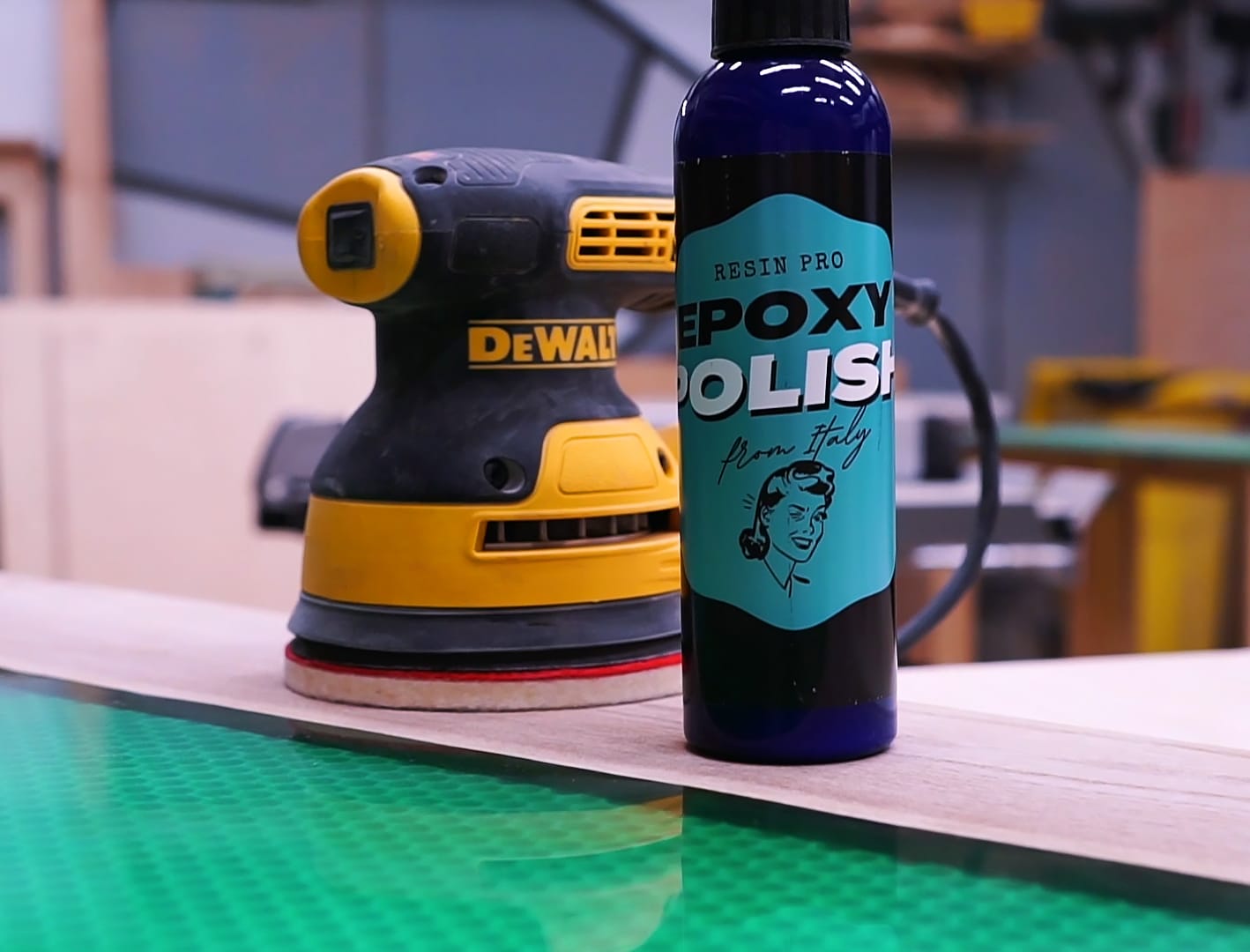
- “Epoxy Polish” – Epoxy Resin Polishing System: For restoring gloss after cleaning dull or lightly abraded areas.
- Microfibre cloths or non-abrasive sponges
- Bowl of warm water
- Rubber gloves for skin protection

See Stain Removal Techniques in Action
Watch before-and-after demonstrations, highlighting the effects of gentle cleaning agents and polishing kits on resin flooring. Notice how the right product restores clarity and gloss without dulling the finish. Browse customer projects for further maintenance inspiration.
Step 1: Assess and Prepare the Floor
Start by removing any loose debris and dust from the floor using a soft broom or vacuum cleaner with a suitable attachment. Identify the location and type of stain—whether it’s caused by grease, food, ink, or general soil. Avoid using abrasive brushes or acidic cleaners, as these can dull the resin’s sheen or cause micro-scratches.
Preparation is key: ensure the area is well-ventilated and that surrounding furniture or rugs are cleared to give you clear access to the stained surface. Use rubber gloves if your skin is sensitive to cleansers.


Step 2: Remove Fresh Stains Promptly
If the stain is recent, immediately blot (don’t rub) the area with a damp microfibre cloth. For water-soluble marks like drinks or light food spots, this simple method is often sufficient. Blotting helps avoid spreading the contamination further or driving it deeper into the resin coating.
If required, use a mild solution of warm water with a tiny squirt of gentle soap. Always dry steps thoroughly after cleaning to prevent streaks or new residue forming.
Step 3: Tackle Embedded or Greasy Stains
For older, stickier, or greasy marks, apply a specialised cleaner suited for resin surfaces. A natural degreaser such as the Strong Technical Degreaser for Resin Projects – 100% Natural Formula works effectively on oil, silicone, or adhesive residues without damaging the floor. Spray or pour a small amount onto the stain, allow it to penetrate for a few minutes, and wipe gently with a microfibre cloth in circular motions.
Rinse with a damp cloth to remove any leftover product and let the area dry fully. Repeat if necessary, but take care not to over-wet the resin surface.

Step 4: Deal with Ink, Marker, or Persistent Residue
Ink stains and certain dyes can be quite challenging to remove. Dab a clean cloth with a small amount of Pure Isopropyl Alcohol 99.9% and gently rub the affected spot. Test this method on an inconspicuous area first to check for any adverse reaction with the finish. Use only the required amount and ventilate the room during and after cleaning.
Avoid harsh scouring pads that can scratch resin surfaces. If the floor gloss appears dulled where the stain was treated, move to the next rejuvenation step.
Step 5: Restore Shine and Neutralise Minor Scratches
After cleaning, some resin floors may lose a little of their sheen, especially in spots that required stronger methods. When this happens, a polishing system such as the “Epoxy Polish” – Epoxy Resin Polishing System can restore the glossy finish. Follow the kit instructions, applying with a non-abrasive pad or rotary polisher to buff away minor scratches and revive the shine. Remember to work in small sections for an even result.

Tips, Common Mistakes, and Troubleshooting
Always test cleaning agents on a hidden area first. Resin finishes vary, and even suitable products should be checked for compatibility.
Avoid harsh scouring pads that can scratch resin surfaces. Use only microfibre or soft pads to preserve gloss.
Address spills promptly to prevent long-term discolouration. Quick action makes removal significantly easier.
If stains persist despite cleaning, or if the discolouration is due to a deeper chemical reaction, it may be necessary to refinish the area or consult a flooring specialist for guidance.
Successful Outcomes and Prevention Advice
Consistent care extends the life and beauty of resin floors. View time-lapse clips showing ongoing maintenance, and get practical advice on preventing common resin staining and surface dullness in high-traffic areas.

- Strong Technical Degreaser for Resin Projects – 100% Natural FormulaOriginal price was: £10.95.£9.45Current price is: £9.45.Strong Technical Degreaser is a gentle, natural liquid cleaner suitable for removing grease and silicone in resin flooring maintenance.
- Pure Isopropyl Alcohol 99.9% – 1000ml Bottle for Epoxy Resin Projects & DIYPrice range: £10.45 through £20.95Pure Isopropyl Alcohol 99.9% is suitable for epoxy resin projects and assists with bubble removal to support resin flooring maintenance.
- "Epoxy Polish" – Epoxy Resin Polishing SystemPrice range: £18.95 through £47.45"Epoxy Polish" is a system designed to restore resin surfaces to a glossy finish, suitable for stain removal challenges in resin flooring.
- "Epoxyprimer" – Universal Water-Based Two-Component Epoxy Floor PrimerPrice range: £156.45 through £286.45Epoxyprimer is a water-based epoxy floor primer suitable for professionals and DIYers preparing various stable surfaces.
Frequently Asked Questions
Can I remove grease stains from resin floors naturally?
Yes, use a natural degreaser specifically formulated for resin to remove grease while preserving floor quality.
Is isopropyl alcohol safe for cleaning epoxy floors?
It is safe in small amounts for spot cleaning, but always test on a hidden area first and use good ventilation.
How do I restore shine to resin floors after cleaning?
A specialised resin polishing system can help revive worn or dulled spots effectively without damaging the surface.
How can I remove ink or permanent marker stains from resin floors?
Use a small amount of isopropyl alcohol on a soft cloth, testing first on a discreet spot to avoid damaging the finish.
What should I avoid when trying to clean resin floors?
Avoid acidic cleaners and abrasive pads, which can scratch or dull resin floor surfaces.
How can I prevent stains on resin flooring in the future?
Address spills quickly, and clean floors regularly with approved mild products to help avoid build-up or permanent marks.