 Free shipping on orders over £29,85
  Shipping Tracking!


 Google
 Facebook
How to finish resin objects?
Step-by-step guide for a professional resin finish at home


Achieving a smooth, high-gloss finish on resin objects elevates your creations from amateur to professional quality. Whether you’re crafting jewellery, coasters, art panels, or functional décor, proper finishing ensures durability, clarity, and beauty. This guide walks you through the essential steps for sanding, polishing, and sealing resin objects, giving your projects a showroom-quality look.

What You’ll Need
- “Art Pro” – Clear Epoxy Resin for Artists and Surface Coating: For a transparent, protective top coat
- “Art Pro Deluxe” – Ultra-High Viscosity Epoxy Resin for Artists: For high-gloss, self-levelling finish layers requiring precise application
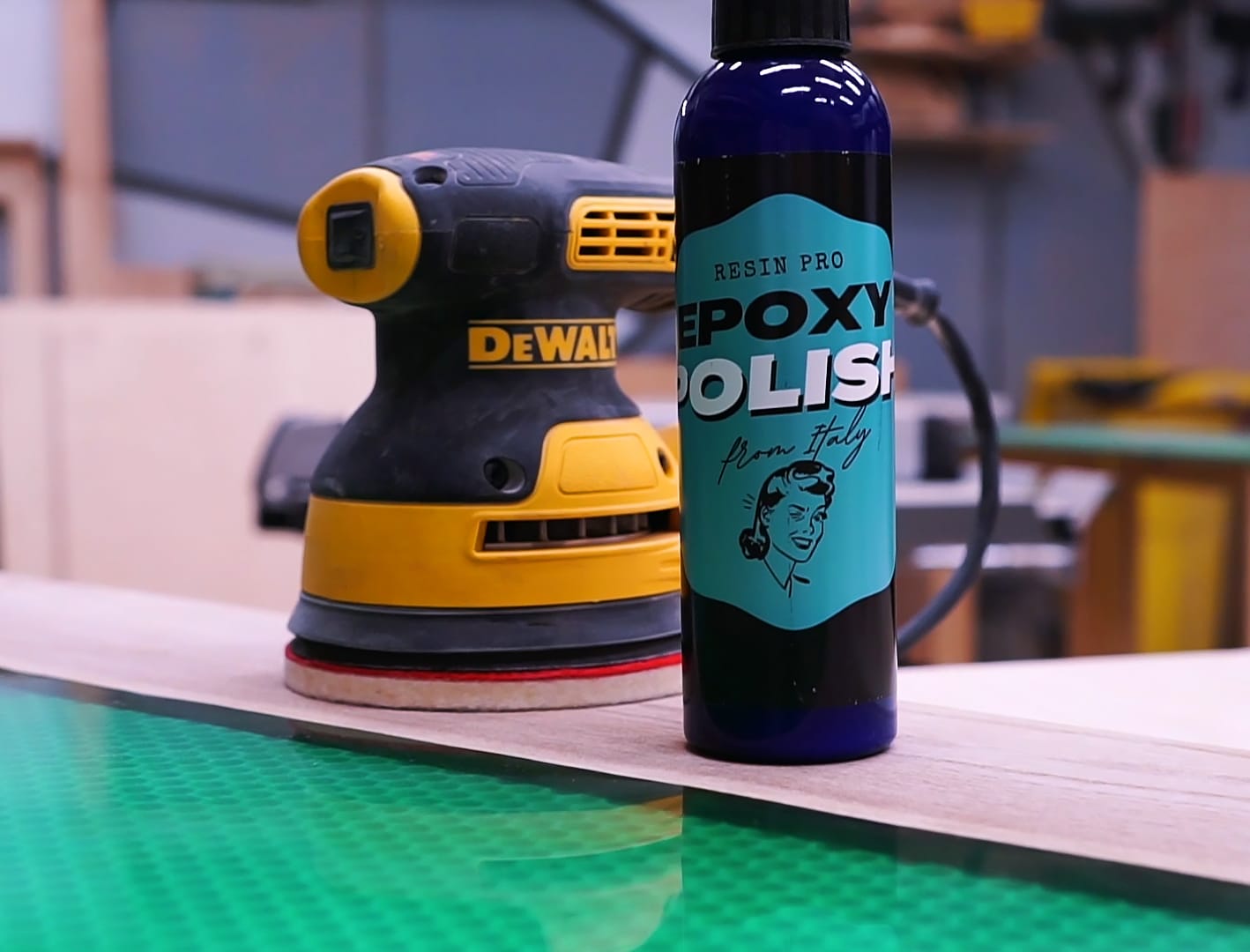
- “Epoxy Polish” – Epoxy Resin Polishing System: Polishing compound for restoring shine and removing minor imperfections
- Assorted wet and dry sandpaper (various grits: 600, 1200, 2000 and greater)
- Microfibre cloths
- Rotary polisher or hand pad holder
- Disposable gloves and a dust mask
- Clean, lint-free workspace

Essential tools and workspace for resin finishing
Proper preparation of your workspace and tools makes the finishing process smoother and safer. Lay out all sanding sheets, polishing pads, and protective gear before you start. Ensure your work area is free from dust and unexpected interruptions, and open windows for natural ventilation. For best results, keep separate cloths for polishing and wiping away dust to prevent scratches.
Step 1: Remove Surface Imperfections through Sanding and Progressive Grits
Sanding eliminates drips, lumps, or surface unevenness while also prepping the resin for polishing. Begin with a 600-grit wet or dry sandpaper to gently flatten any raised areas or marks. Always sand in a circular motion, keeping the surface slightly wet to avoid overheating and clogging the paper.
Gradually move through finer grits—up to 2000 or 3000 as needed—ensuring you remove the scratches each previous grade leaves behind. Rinse both the resin object and the sandpaper often. Be patient, as insufficient sanding can leave microscopic scratches that dull the finish.
By the end of this step, your resin surface should feel uniformly smooth when run under your fingers, with a slight matte effect that’s perfect for polishing.
Step 2: Polish for Clarity and Gloss Using a Dedicated Resin Polishing System
With sanding complete, it’s time to restore the clarity and shine. Apply a small amount of a dedicated resin polishing compound, such as the “Epoxy Polish” – Epoxy Resin Polishing System, to a clean polishing pad or microfibre cloth. Use a rotary polisher for best results, working in gentle, overlapping circles over the entire surface.
Continue polishing until you see the surface transition from matte to a vibrant, glass-like shine. Wipe away any excess polish with a dry, lint-free microfibre cloth. If necessary, repeat for additional brilliance, but avoid excessive pressure which can create swirl marks.
Always inspect under bright light for uniform shine before moving to the final step. If dull spots persist, additional fine sanding may be required.
Step 3: Seal and Protect Your Piece with a Clear Resin Top Coat
For objects exposed to wear, moisture, or frequent handling, sealing with a fresh resin layer locks in the shine and further protects the piece. Prepare a batch of clear epoxy, such as “Art Pro” – Clear Epoxy Resin for Artists and Surface Coating for smooth, glass-like layers, or “Art Pro Deluxe” – Ultra-High Viscosity Epoxy Resin for Artists when maximum gloss and line control are desired.
Pour or brush on a thin layer, allowing it to self-level for even coverage. Work in a dust-free environment, cover your project during curing, and allow the resin to cure as per the manufacturer’s instructions—typically 24 hours for handling. Cure time is crucial for clarity and strength.
Once fully cured, your resin piece will boast a durable, lustrous finish designed to stand the test of time.
Choose the Right Environment for Finishing Resin
The quality of your resin finish depends heavily on your working conditions. Always choose a well-ventilated, dust-free area to minimise airborne particles settling into fresh resin or polish. Ambient temperatures between 18°C and 24°C are optimal for resin self-levelling and curing. Lay down protective sheets and ensure all tools are clean and ready before starting each step.
Meticulous preparation and a controlled workspace are the keys to achieving a flawless, high-gloss resin finish on every project.
Finishing resin like a pro: mastering technique
Professional results are all about patience, precision, and using the correct products for each stage. Always allow resin and polishes to cure as recommended. When in doubt, perform a small test on a hidden area. With care, your finished resin objects will showcase depth, clarity, and shine worthy of gallery display.

Avoiding Common Finishing Mistakes with Resin
Skipping grits during sanding can leave unsightly scratches visible in your final piece. Avoid over-polishing in one area, which might create swirl marks or burns. Never attempt to coat over a sticky, under-cured resin base—patience at every stage pays off in the end. Always check that surfaces are clean and free from polishing residues before applying a protective coat.
If imperfections arise, most can be corrected by lightly re-sanding and re-polishing, provided the resin has cured completely.
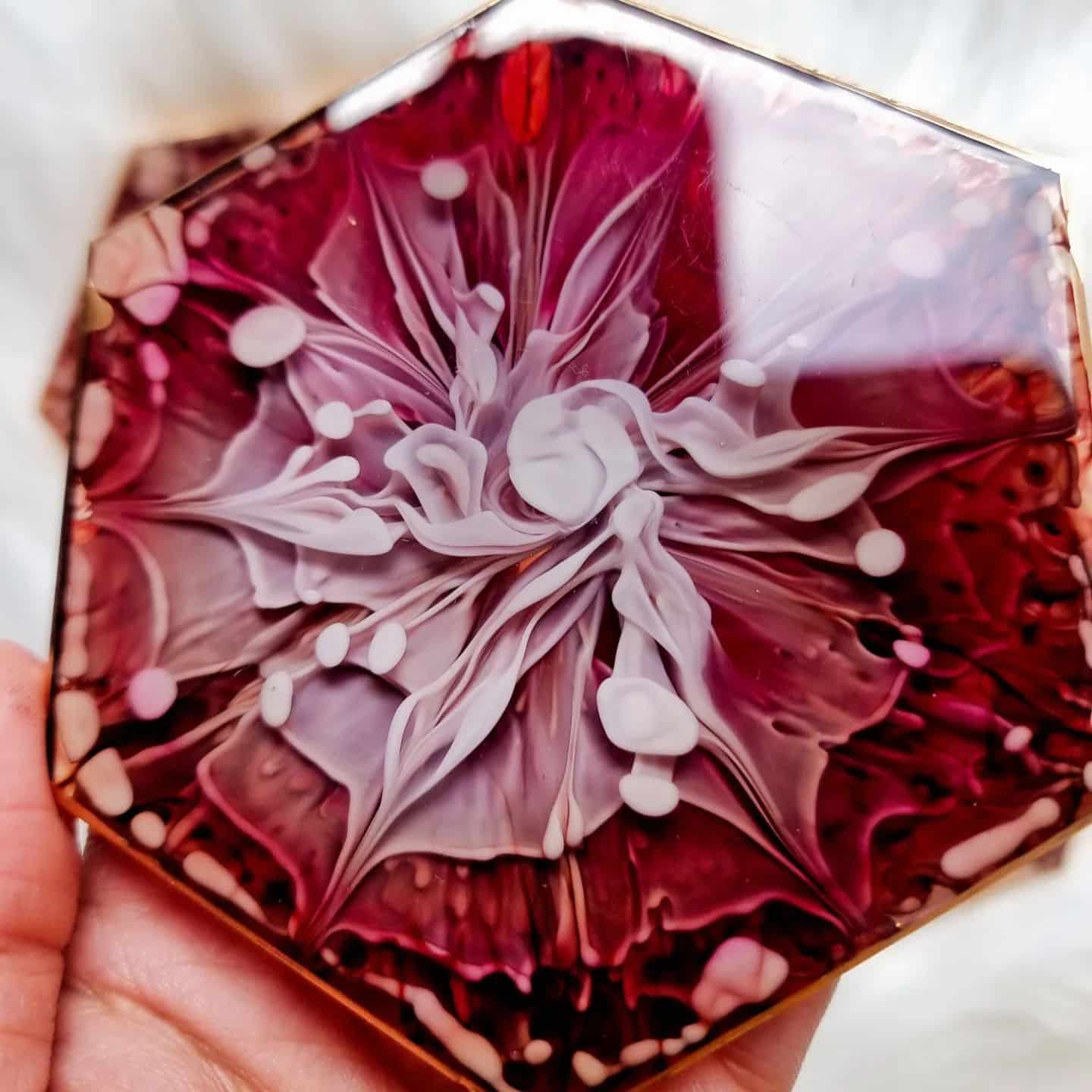
- "Epoxy Polish" – Epoxy Resin Polishing SystemPrice range: £18.95 through £47.45An epoxy resin polishing system designed for a glossy finish suitable for resin objects with minimal effort.
- Resin Class – 3D Effects Coasters Masterclass, 120 MinutesThis course provides guidance on creating resin coasters and trays, covering materials, colouring, and shaping techniques.
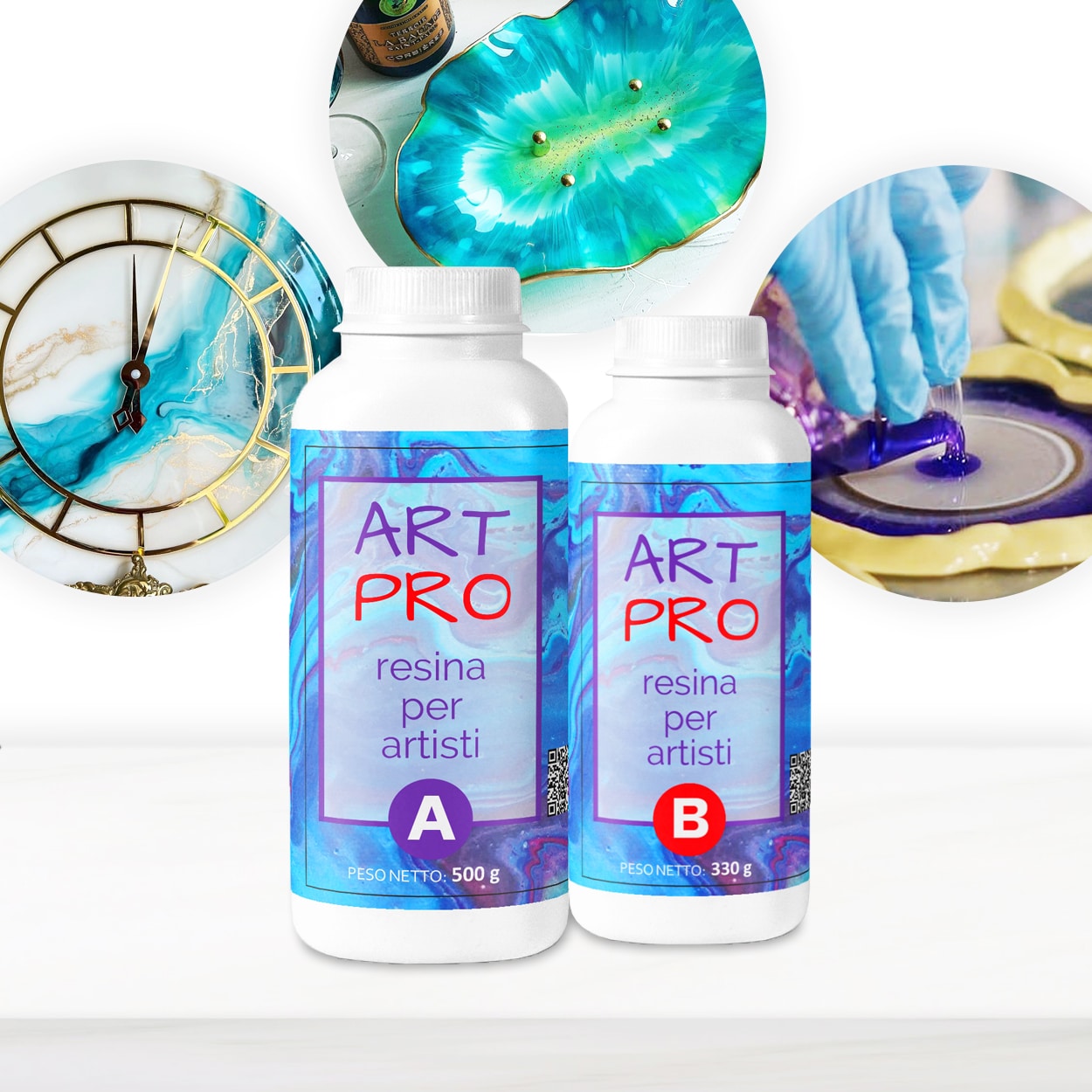 "Art Pro" – Clear Epoxy Resin for Artists and Surface CoatingPrice range: £19.95 through £267.95Art Pro clear epoxy resin provides durable, clear coatings with UV protection, suitable for artists and crafters in finishing resin objects.
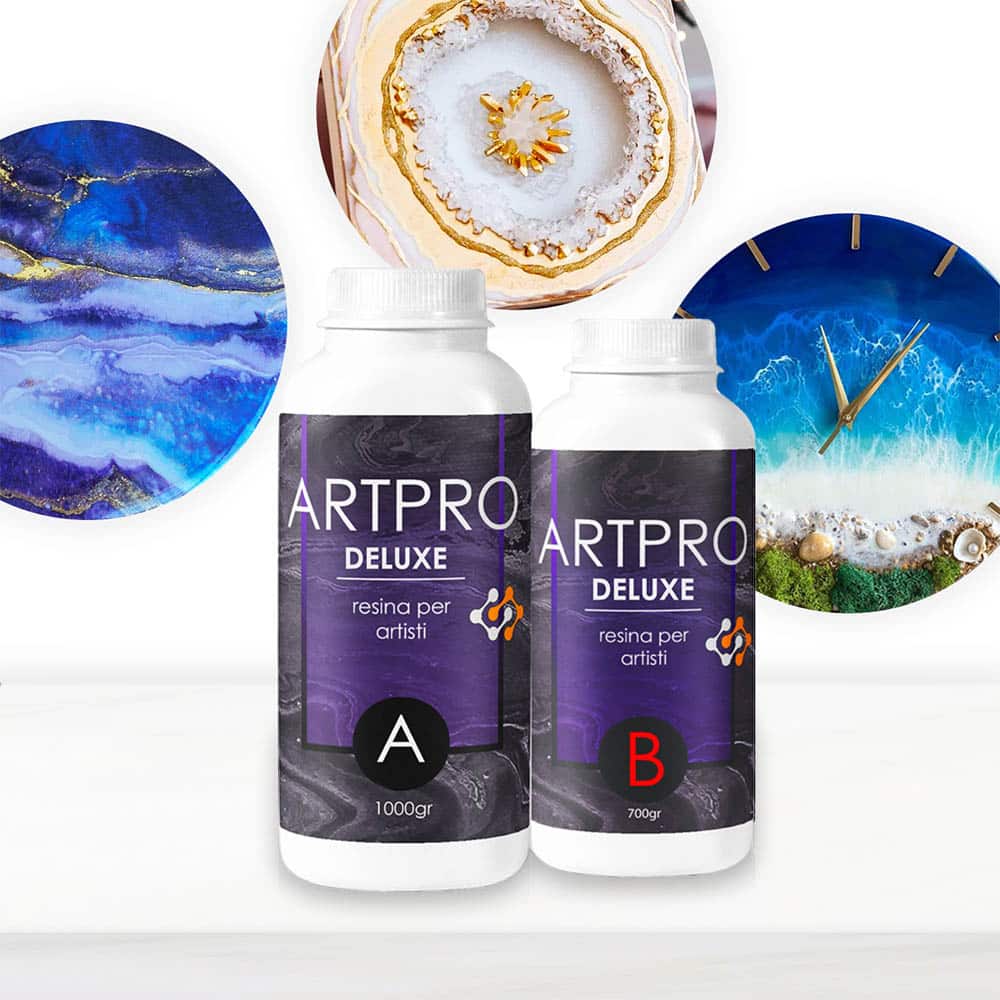 "Art Pro Deluxe" – Ultra-High Viscosity Epoxy Resin for ArtistsPrice range: £35.95 through £302.45Art Pro Deluxe is an ultra-high viscosity epoxy resin designed for precise resin art control and crystal-clear finish layers.
Frequently Asked Questions
What is the best way to polish resin objects?
Use a microfibre cloth and a resin-specific polishing compound, preferably applied with a rotary polisher or pad holder.
How long should resin cure before sanding or polishing?
Allow resin to fully cure—usually at least 24 hours—before starting any finishing processes for optimal results.
What sandpaper grit should I use to finish resin?
Start with 600 grit and progress through finer grades up to 2000 or 3000 for a smooth, scratch-free result.
How do I fix a cloudy or dull resin surface?
Re-sand with fine grits, polish with a dedicated compound, and if needed, apply a thin clear resin top coat.
What is the best clear coat to use on resin objects?
A high-quality epoxy resin top coat provides durable protection and a glossy finish on cured resin pieces.
Is it possible to finish resin objects without polishing?
Polishing is highly recommended for achieving maximum clarity and shine, but a clear resin top coat alone can offer reasonable gloss.
Why do resin finishes turn yellow over time?
UV exposure and impurities can cause yellowing. Use resin with UV protection and avoid sunlight during curing.