 Free shipping on orders over £29,85
  Shipping Tracking!


 Google
 Facebook
← Back to How to resin an air intake on a car?

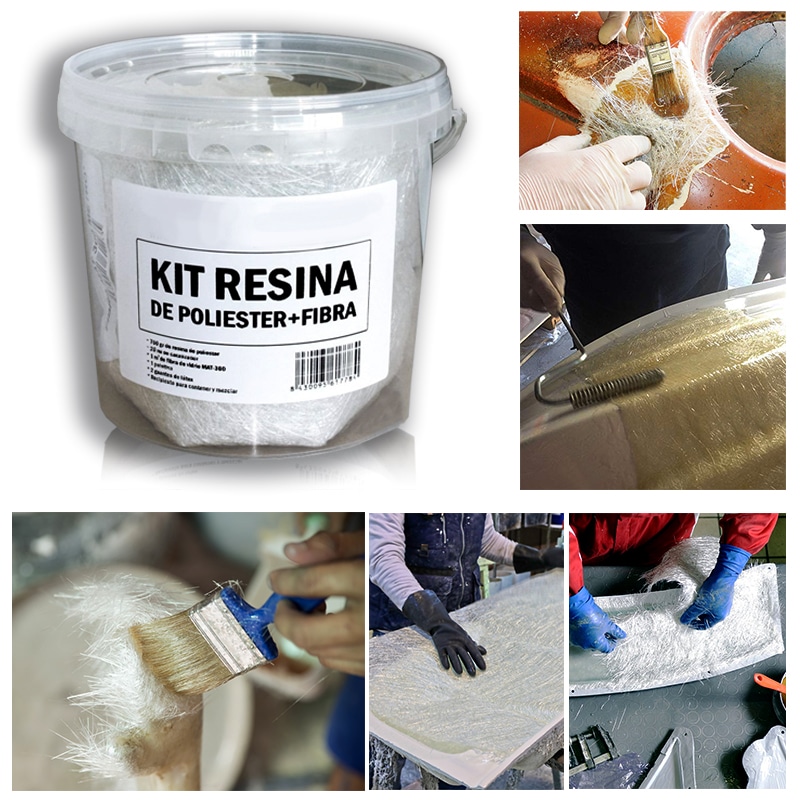
Resining a car air intake can strengthen and seal it, but mistakes during the process can affect both performance and appearance. Understanding common pitfalls helps you achieve robust, professional results that last.
1. Inadequate Surface Preparation
Thoroughly clean the air intake before applying any resin. Leaving behind grease, dust or contaminants will compromise adhesion and cause peeling or bubbling. For best results, use a dedicated automotive degreaser, such as the Strong Technical Degreaser, to prepare the surface without damaging any sensitive parts. Ensuring a clean, grease-free substrate is one of the simplest but most important steps in the process.
2. Poor Mixing or Rushed Application
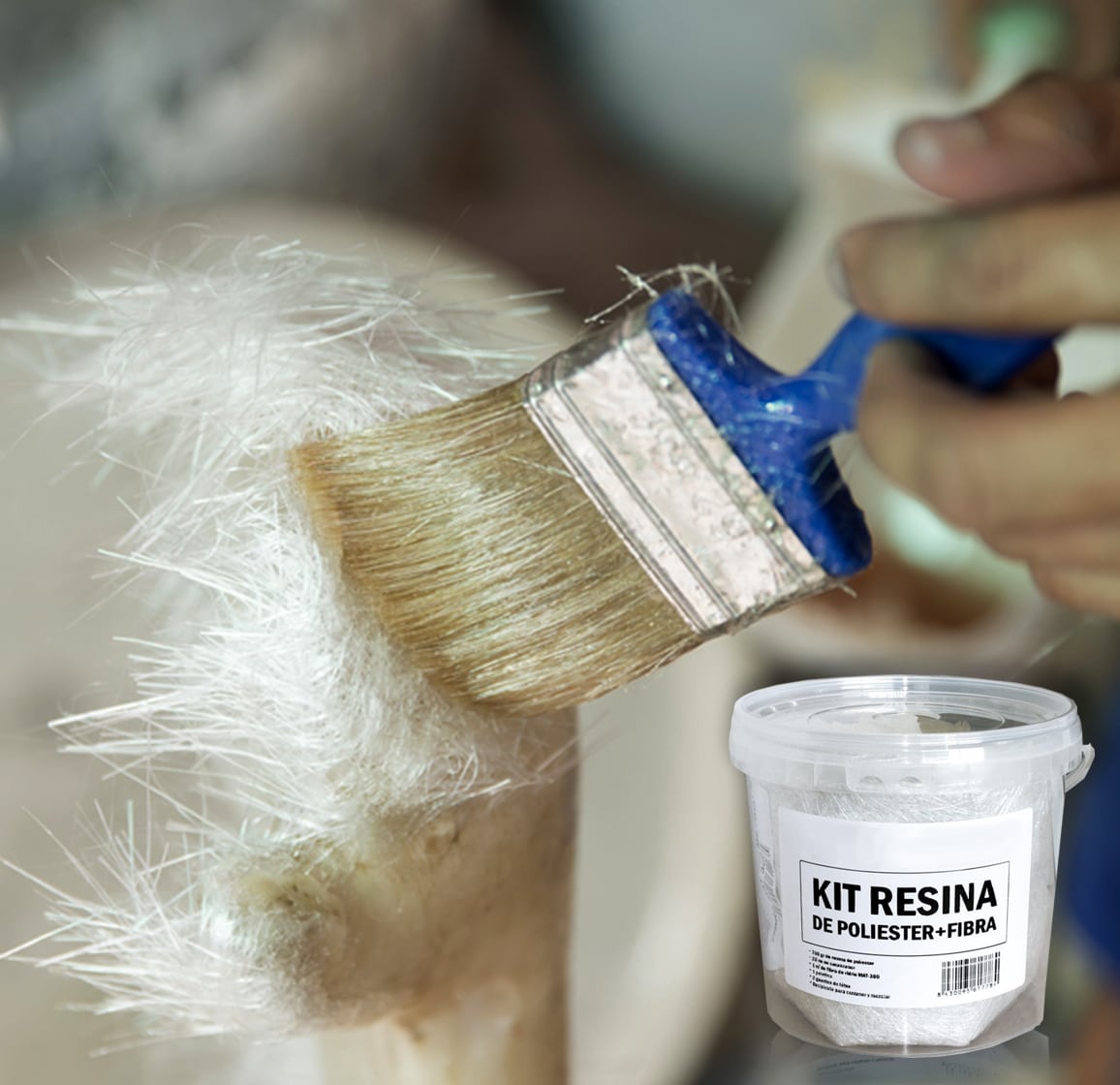
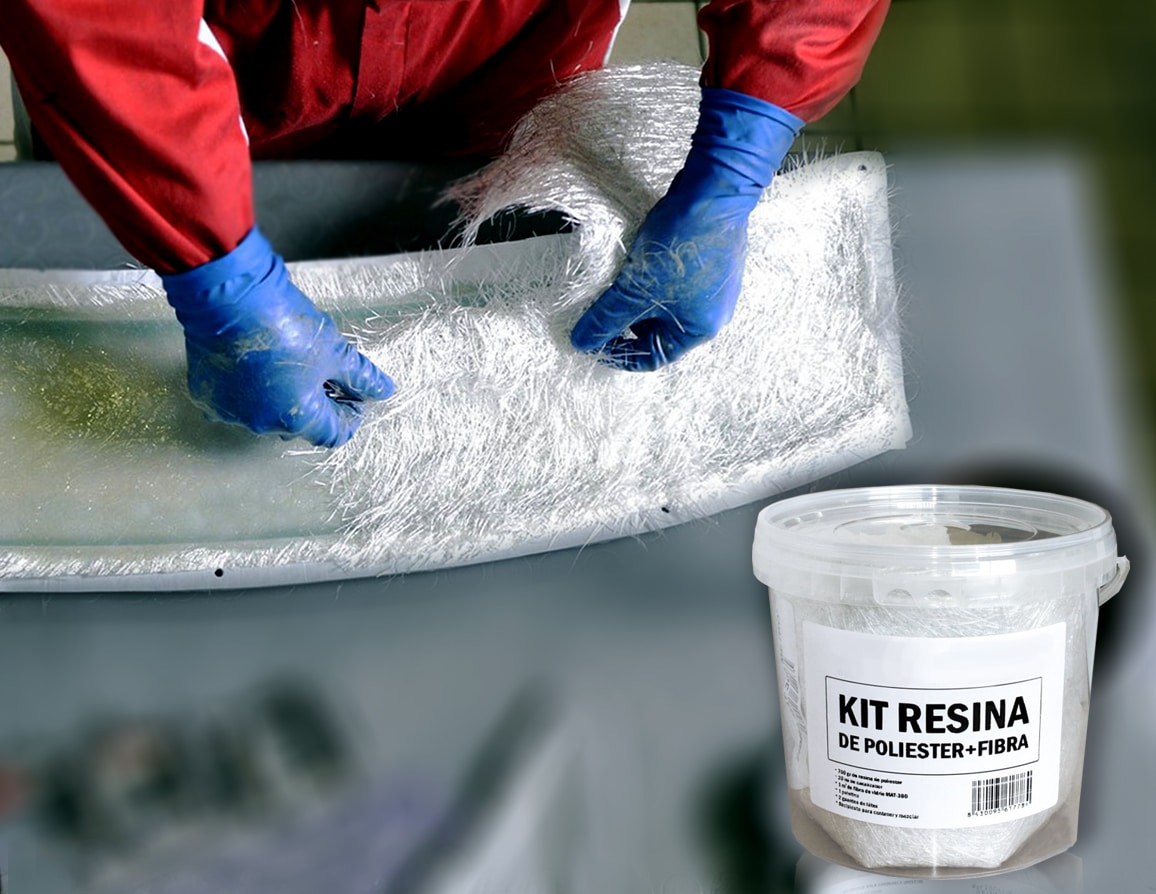
Always mix the resin and hardener according to the manufacturer’s instructions, taking care to scrape container sides and mix thoroughly. Applying resin too quickly or not allowing enough curing time can lead to a weak structure, tacky surface, or trapped air. Take your time to wet out the fibre evenly and remove air bubbles with a roller or brush. Allow the resin to cure fully in a dust-free, well-ventilated area before handling or installing.
3. Uneven Resin Application
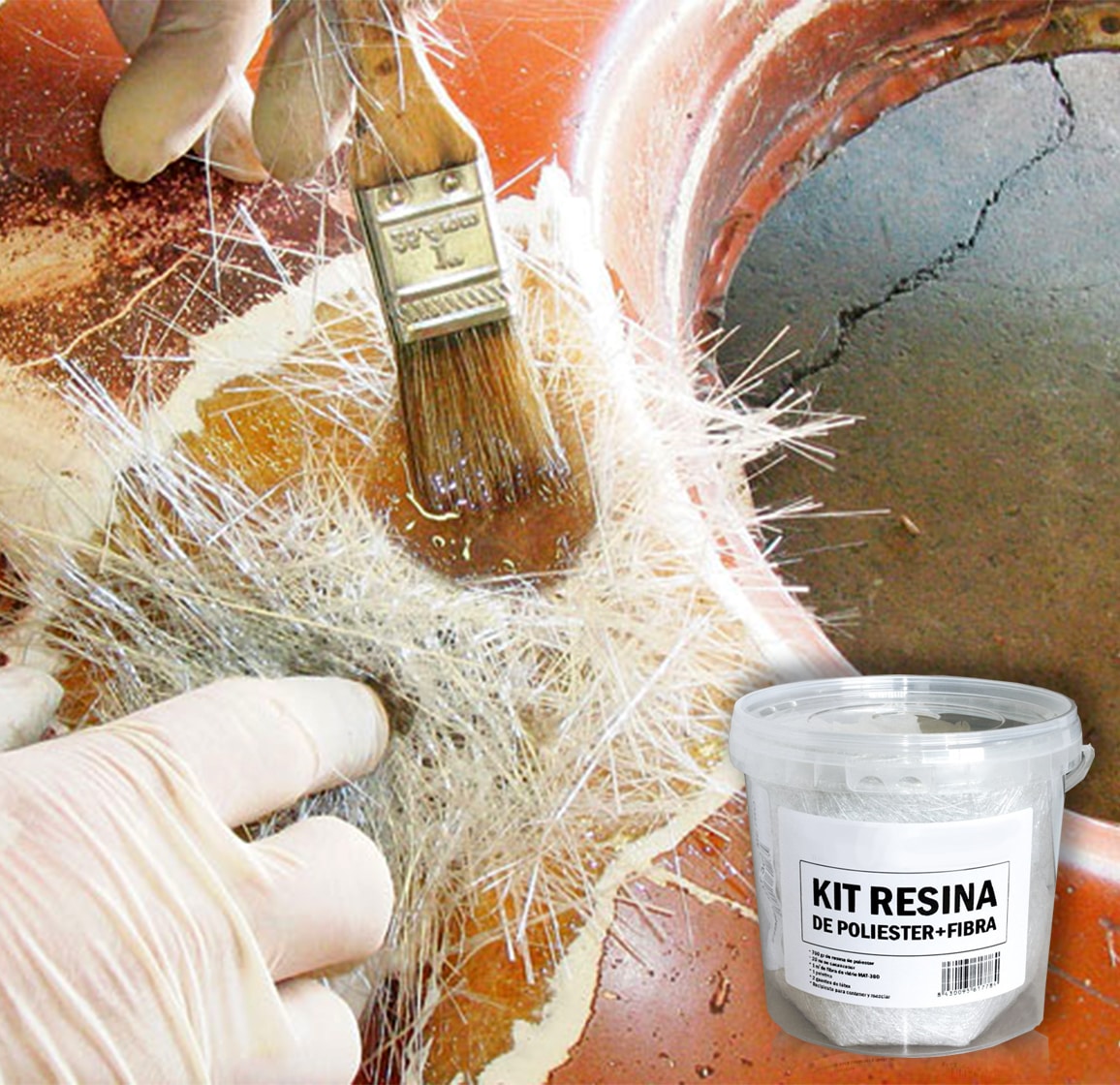
Uneven resin application can cause patchiness or thin spots that weaken the repaired area. Apply resin in thin, even coats and ensure the fibre mat is fully saturated without excess pooling. A complete kit like the Resin Fibreglass Repair Kit provides all the tools and materials needed for consistent results, including gloves, brush, and mixing container.
When This Matters
Taking care to avoid these mistakes is especially important for air intakes, as imperfections can affect airflow or reduce durability under engine heat and vibration. A precise approach leads to a lasting, professional outcome.
Related products
Related guides
By steering clear of these common errors, you’ll ensure your resined air intake stays strong and effective. For more guidance and recommended products, visit our full guide on how to resin an air intake on a car.