 Free shipping on orders over £29,85
  Shipping Tracking!


 Google
 Facebook
How to resin an air intake on a car?
Step-by-step automotive resin reinforcement for durable results

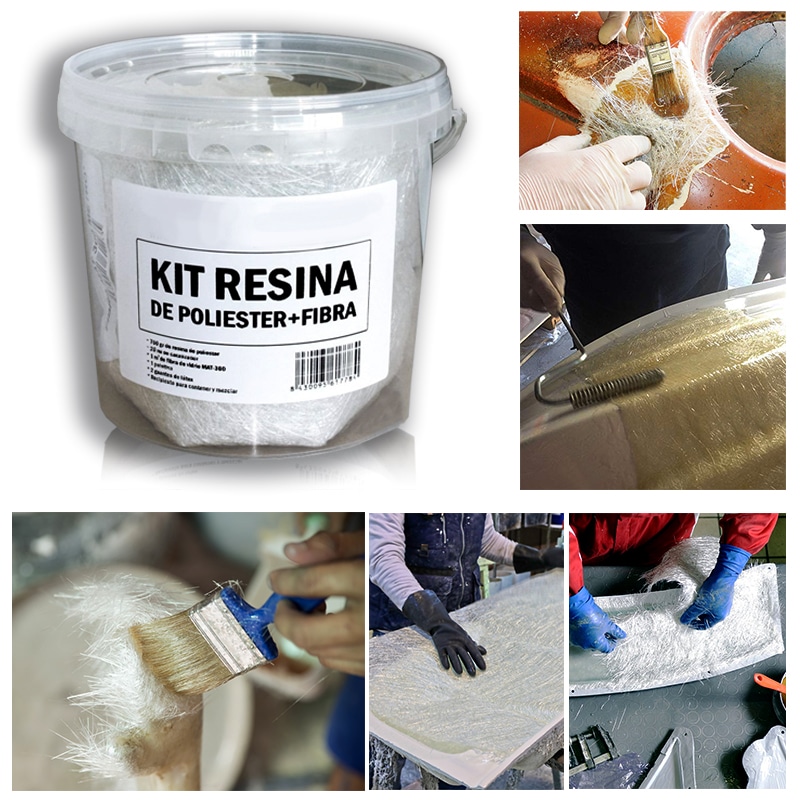
Resining an air intake on your car can enhance structural strength, prevent leaks, and extend the lifespan of this vital component. Whether you are repairing a minor crack or reinforcing a custom part, applying resin and fibres creates a durable and reliable finish suited for automotive use. This guide will take you through each step, from preparation to final curing, to help you achieve professional-grade results—safely and efficiently.
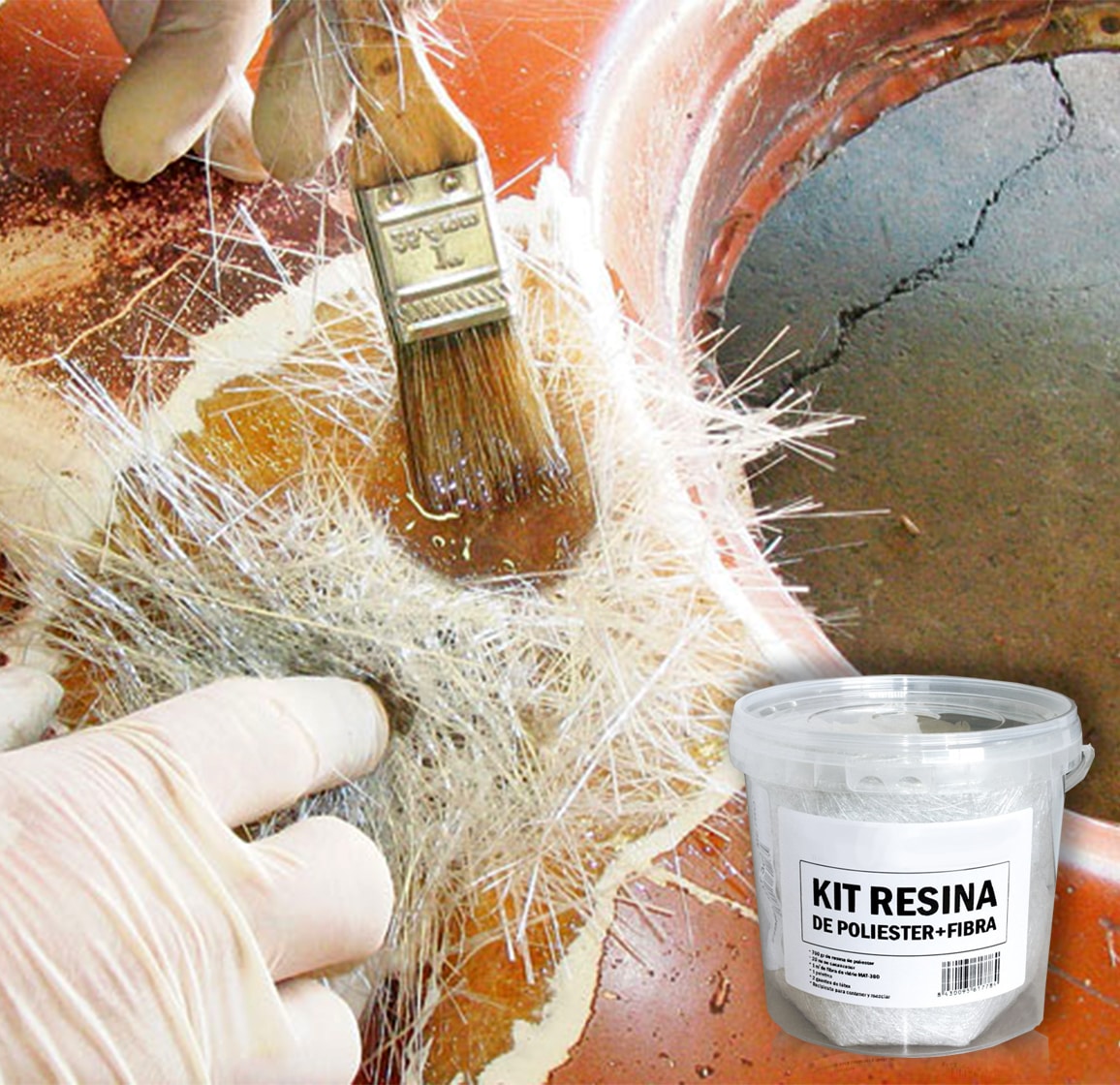
What You’ll Need
- Strong Technical Degreaser for Resin Projects – 100% Natural Formula: For safe and effective surface cleaning.
- Resin Fibreglass Repair Kit – Complete Polyester Resin and Hardener Set: Includes resin, hardener, and essential fibreglass matting.
- “Carbon Resin” – Epoxy Resin for Carbon Fiber & Fiberglass Coating: Specially formulated for composite reinforcement (ideal for carbon fibre intakes).
- “3D Finish” – Fast Coating Epoxy Resin for 3D Prints: Suitable for a glossy final layer, especially for 3D printed intakes.
- Protective gloves, mixing container, clean brushes, scissors, and masking tape.
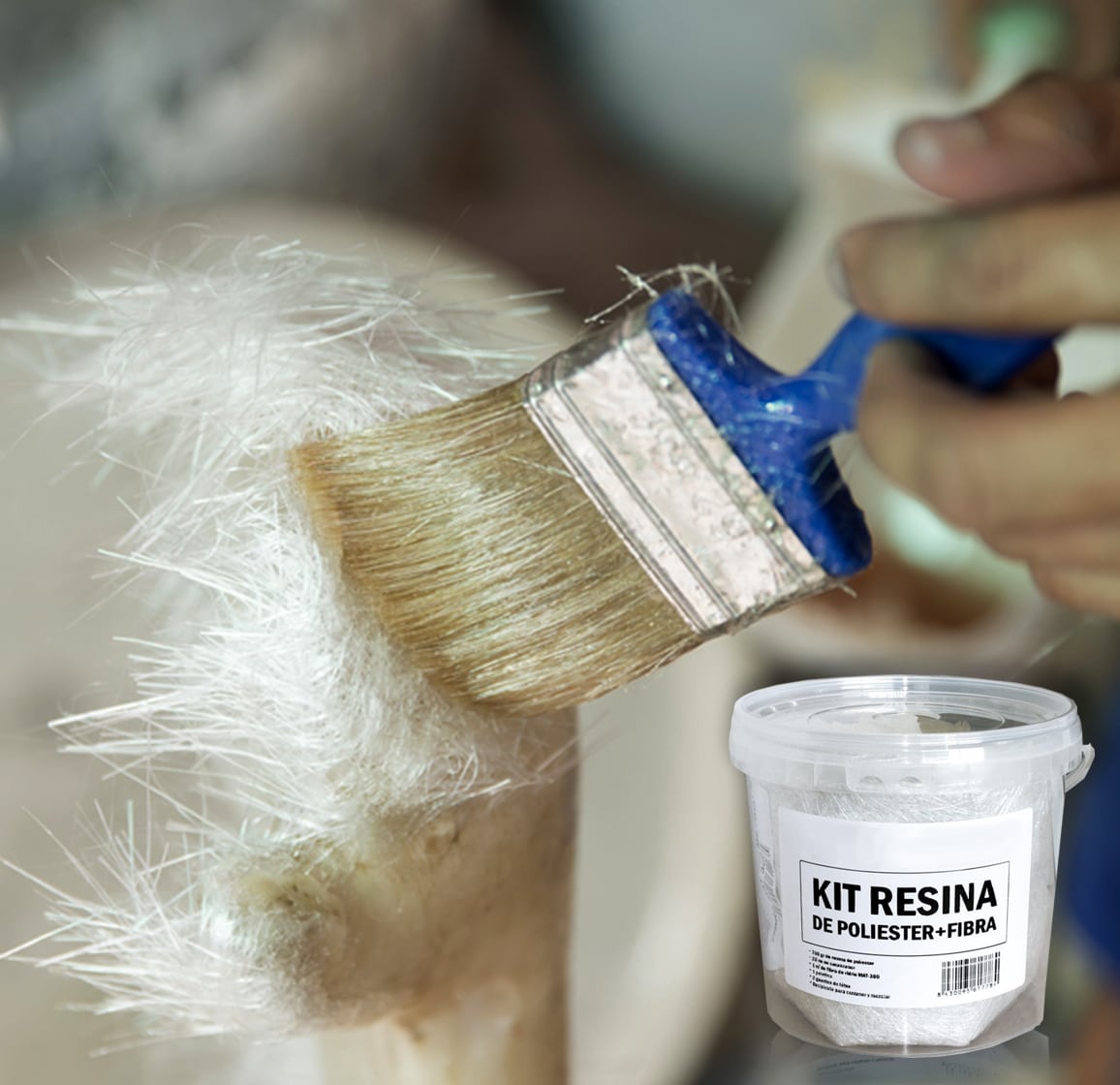
Essential gear for safe and effective resin application
Having the right equipment and safety gear is key to successful automotive resin work. Nitrile gloves, protective eyewear, and a clean, dust-free workspace help achieve professional results and prevent contamination. Always keep a degreaser handy for preparing surfaces and make sure your resin and glass or carbon fabrics are of suitable quality for automotive repairs.
Step 1: Clean and Prepare the Air Intake
Start by removing the air intake from the vehicle and place it on a clean, well-lit workspace. Ensure all connecting hoses, sensors, and fasteners are safely detached. Inspect the part for dirt, oil, grease, and loose debris. Thorough cleaning ensures optimal resin adhesion—do not skip this step! Use a suitable degreaser to remove contaminants, paying special attention to inside seams and corners.
For best results, apply a dedicated degreaser such as the Strong Technical Degreaser for Resin Projects – 100% Natural Formula to break down oils and residues, then wipe dry with a lint-free cloth. Allow the intake to air-dry fully before continuing.

Step 2: Select and Prepare Your Resin System
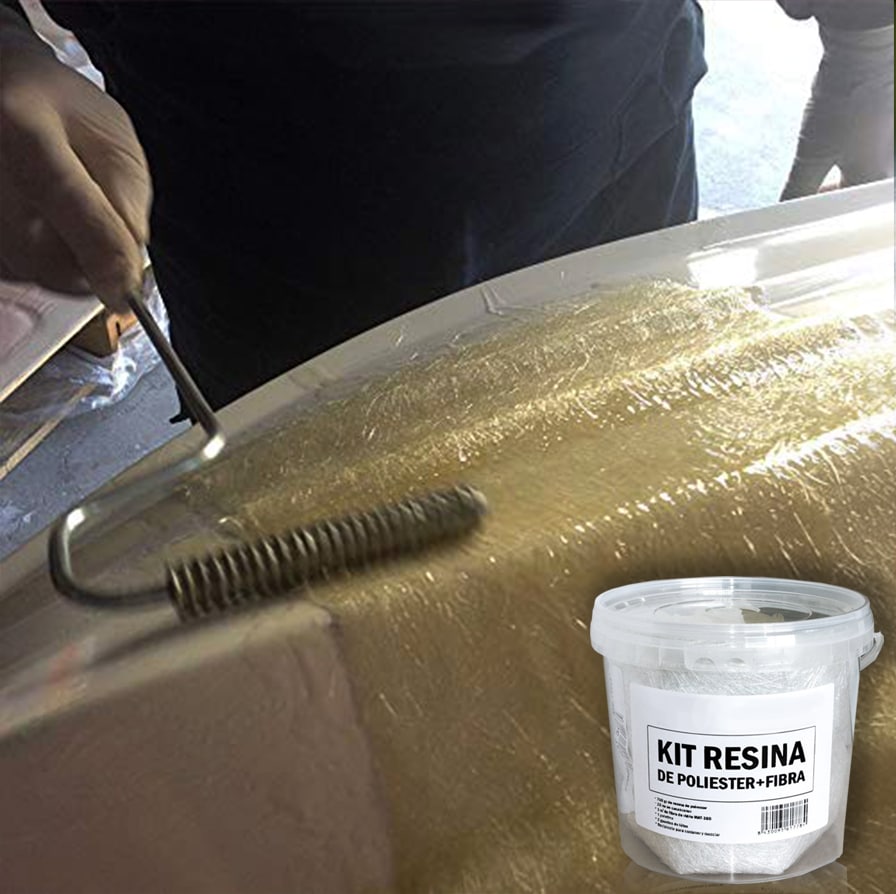
Choose a resin formulation that best suits your air intake material and intended use. Choose the right resin for lasting structural integrity: for glass fibre reinforcement, a kit like the Resin Fibreglass Repair Kit – Complete Polyester Resin and Hardener Set is ideal for rigid plastic or metal intakes. If you are reinforcing a carbon fibre or mixed composite intake, opt for “Carbon Resin” – Epoxy Resin for Carbon Fiber & Fiberglass Coating for superior impregnation and impact resistance.
Read the instructions carefully. Measure and mix the resin and hardener according to the recommended ratio, stirring slowly to avoid introducing air bubbles. Prepare your fibreglass or carbon fibre cloth to the correct size and shape for the area to be strengthened.
Step 3: Apply Resin and Lay Fibre Reinforcement
Lay the fibreglass or carbon fabric over the intended section of the air intake. Use a clean brush to apply mixed resin thoroughly, ensuring the fabric is fully saturated and there are no dry spots or trapped air. Overlap fabric edges slightly for seamless reinforcement. Apply resin and fibres with smooth, even coverage to maintain even strength and prevent weak points.
Work steadily but do not rush—most resin systems allow at least 15-30 minutes of working time. If reinforcing multiple layers, allow the prior layer to reach a tacky stage before applying the next, as this improves lamination strength. Remove any wrinkles, bubbles, or creases before the resin starts to set.


Step 4: Finishing and Curing
After the reinforcement layers are in place, allow the resin to cure undisturbed at the recommended temperature. Allow time for full curing before refitting parts; this can range from 4 hours (quick coat products) to overnight for maximum strength. Do not rush reassembly, as premature handling may compromise the repair.
For perfect aesthetics—especially on 3D printed or visible intakes—apply a finishing coat with “3D Finish” – Fast Coating Epoxy Resin for 3D Prints. This layer smooths the surface, enhances gloss, and provides extra protection against environmental exposure. After curing, lightly sand and polish if desired.
Tips and Common Mistakes to Avoid
Always wear gloves and ensure good ventilation while working with resin to protect both your skin and lungs. Avoid over-brushing, which may introduce bubbles or disturb fibres. Never apply resin to dirty or wet surfaces—it will weaken adhesion and lead to premature failure. Do not rush the curing stage; patience here leads to a reliable finish.
For sharp corners, pre-cutting fibre mats to match the intake geometry helps prevent lifting and folding. Test-fit all parts before returning the air intake to your engine bay to catch fitment problems early. Dispose of resin waste safely and clean tools promptly after finishing the job.

Ensuring a flawless resin finish on your car part
Meticulous preparation and patience are crucial to an impeccable finish. Let each layer cure completely, sand between coats if necessary, and always inspect for imperfections before refitting parts. With the proper techniques, your air intake will not only look great, but also perform reliably for years to come.
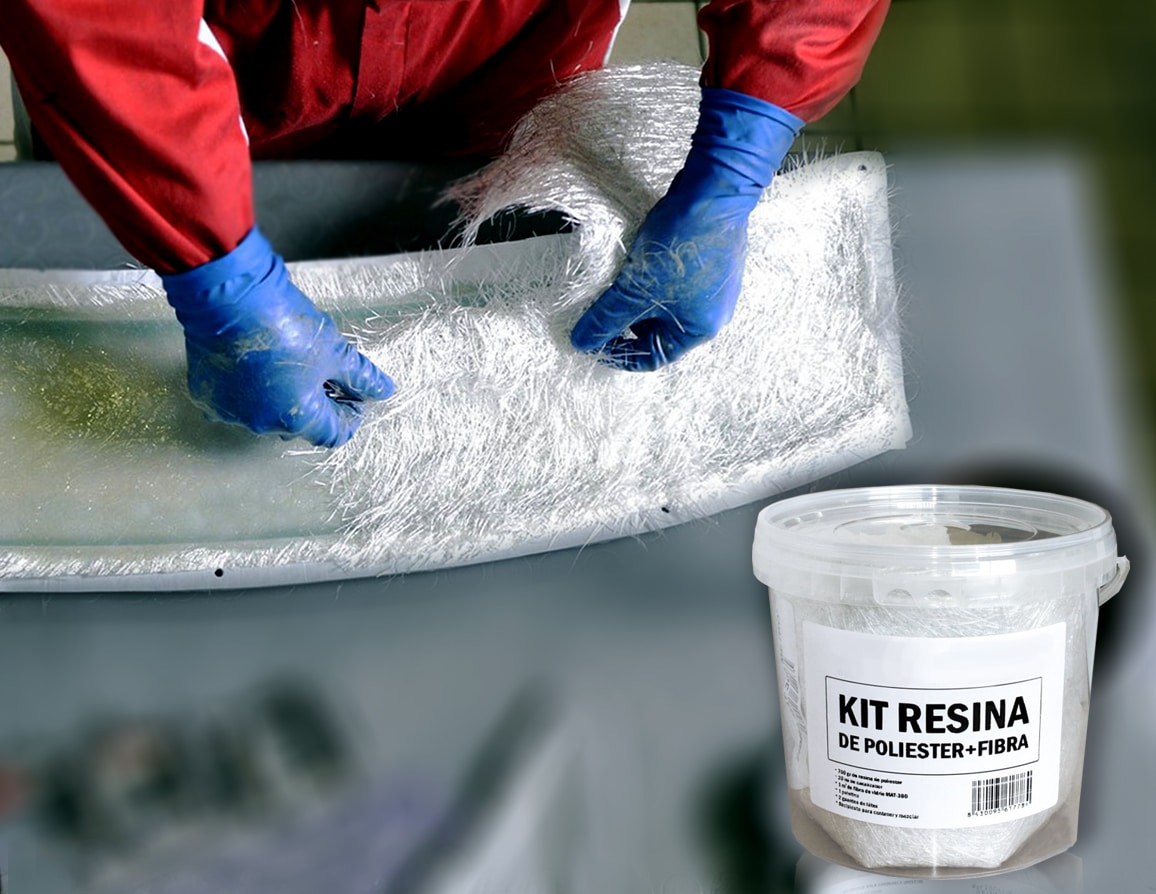
- Resin Fibreglass Repair Kit – Complete Polyester Resin and Hardener SetThe Resin Fibreglass Repair Kit offers a complete polyester resin and hardener set suitable for durable and waterproof repairs.
- "Carbon Resin" – Epoxy Resin for Carbon Fiber & Fiberglass CoatingPrice range: £19.95 through £37.95Epoxy resin designed for carbon fibre and fibreglass projects offering structural integrity and a glossy finish.
 Strong Technical Degreaser for Resin Projects – 100% Natural FormulaOriginal price was: £10.95.£9.45Current price is: £9.45.A natural and gentle degreaser suitable for cleaning surfaces including those used in resin projects.
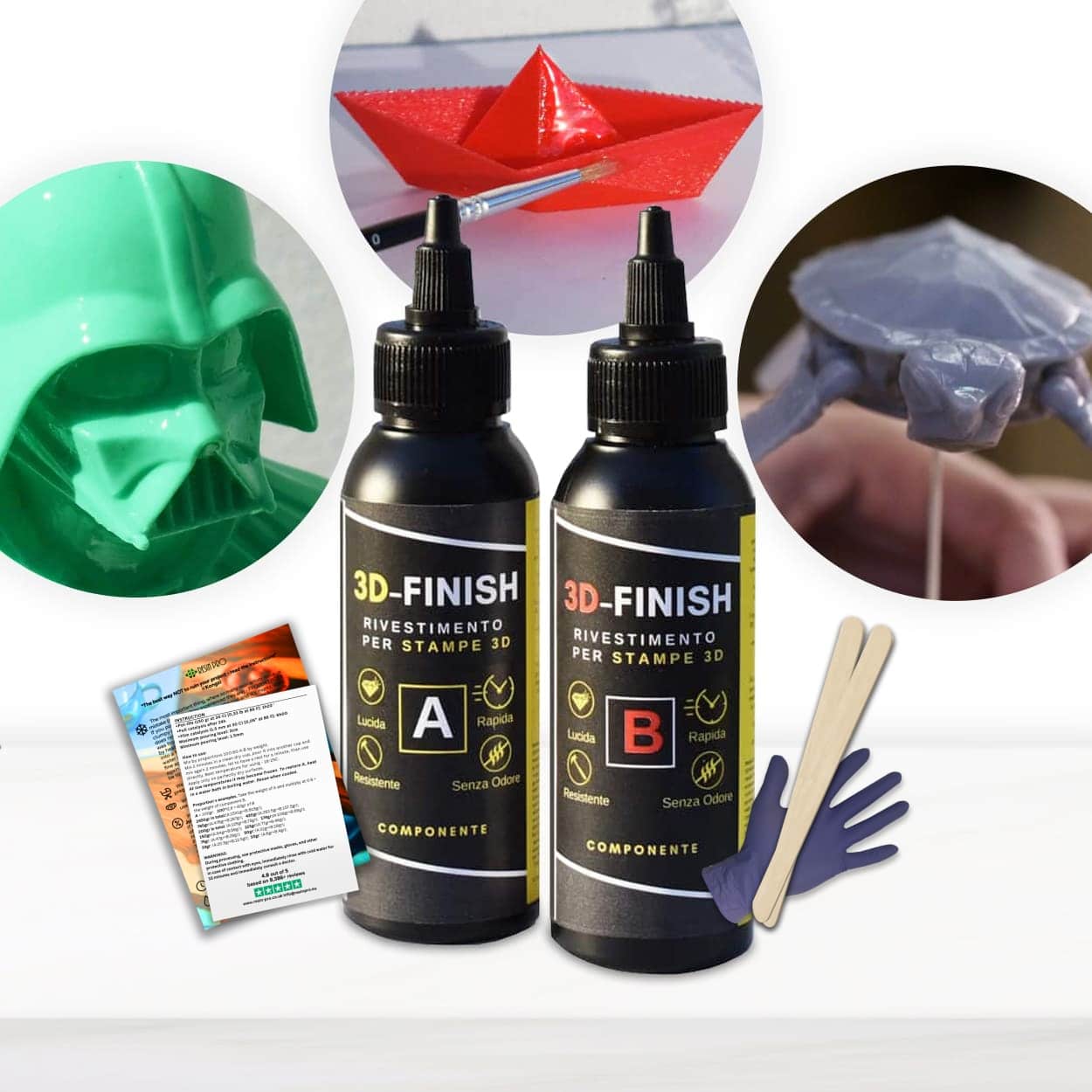 "3D Finish" – Fast Coating Epoxy Resin for 3D PrintsPrice range: £13.95 through £19.95"3D Finish" provides a smooth, non-drip coating suitable for enhancing and protecting various 3D printed materials.
Frequently Asked Questions
Can I use epoxy resin on a plastic car air intake?
Epoxy resin is suitable for most rigid plastic car parts, offering strong adhesion and durability when surfaces are properly prepared.
How long should the resin cure before reinstalling the air intake?
Curing time varies by product; typically, 4–24 hours is needed for full strength. Follow the recommended guidelines before reassembly.
Is fibre reinforcement necessary when resining a car’s air intake?
Fibre reinforcement greatly improves structural strength and longevity, especially for cracks, thin sections, or high-stress areas.
What mistakes should I avoid when resining an air intake?
Common mistakes include poor cleaning, rushing curing time, air bubbles under the fibre, and uneven resin application.
Can a resined intake withstand heat from the engine bay?
When fully cured and properly applied, automotive resins can endure the heat inside most engine bays under normal conditions.