 Free shipping on orders over £29,85
  Shipping Tracking!


 Google
 Facebook
← Back to How do you weld resin?
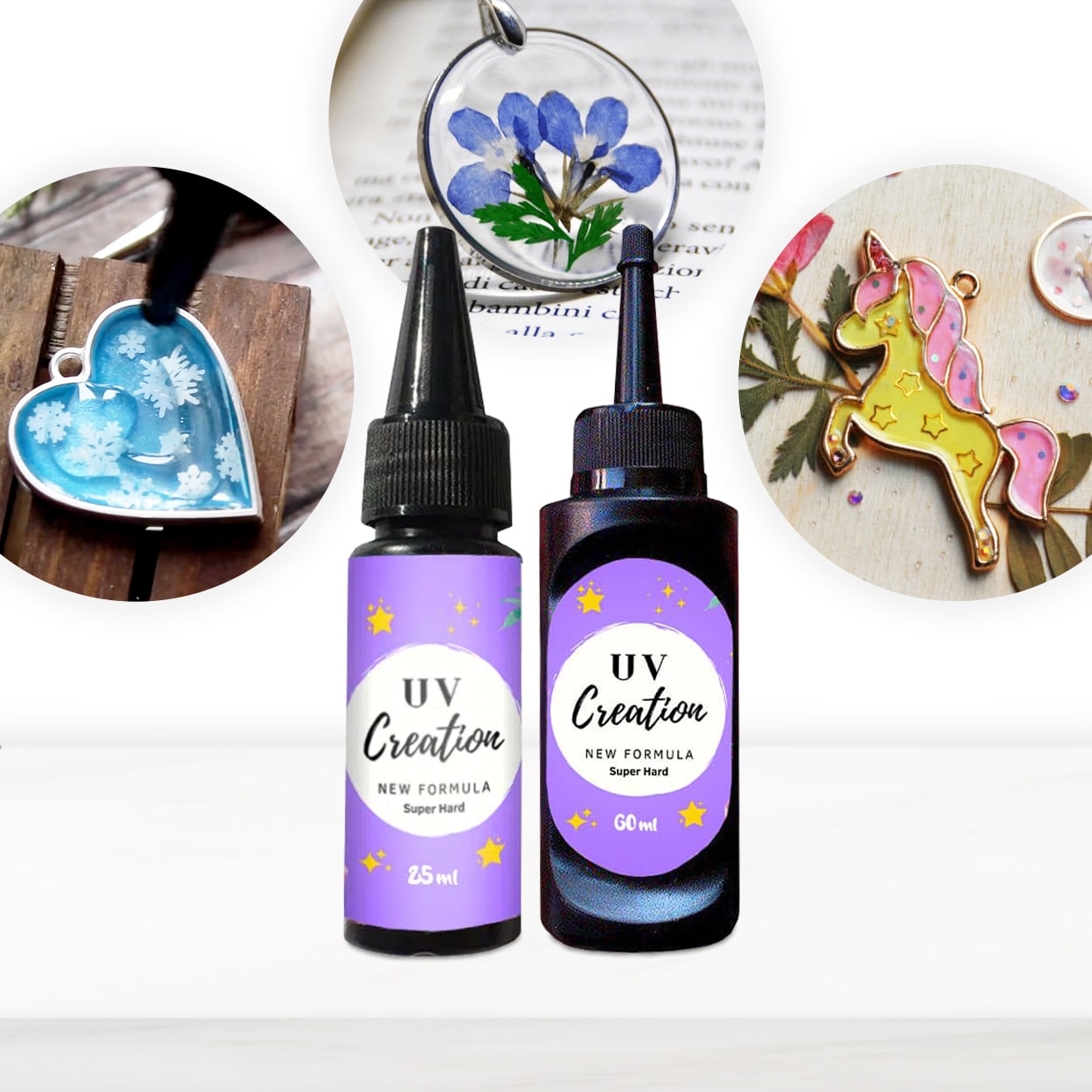

UV resin has gained popularity for being quick and convenient, but is it a good choice for emergency repairs? Here’s what you need to know if you’re considering UV resin for small fixes and patch-ups.
Why Choose UV Resin for Fast Repairs?
UV-cured resins harden in just a few minutes under exposure to a strong UV light. This makes them especially helpful for quick fixes where speed and precision matter, such as repairing tiny chips, filling narrow cracks, or bonding decorative elements. Unlike traditional two-part epoxies, UV resin is a single-component formula—no mixing required—helping you achieve clean results with minimal mess and downtime.
How to Use UV Resin for Small Fixes
- Preparation: Ensure the repair area is clean and dry for the best bond.
- Application: Apply a small amount of UV resin directly to the area needing repair using a spatula or a fine-tip applicator.
- Setting: Expose the resin to a UV lamp for the time suggested by the product (often 2–5 minutes). The resin should harden quickly, creating a tough, transparent finish.
This ease of use and rapid setting are why products like “UV–Creation” Fast Acrylic Resin are trusted by jewellers and crafters for urgent, precise repairs.
When to Use (and Not Use) UV Resin
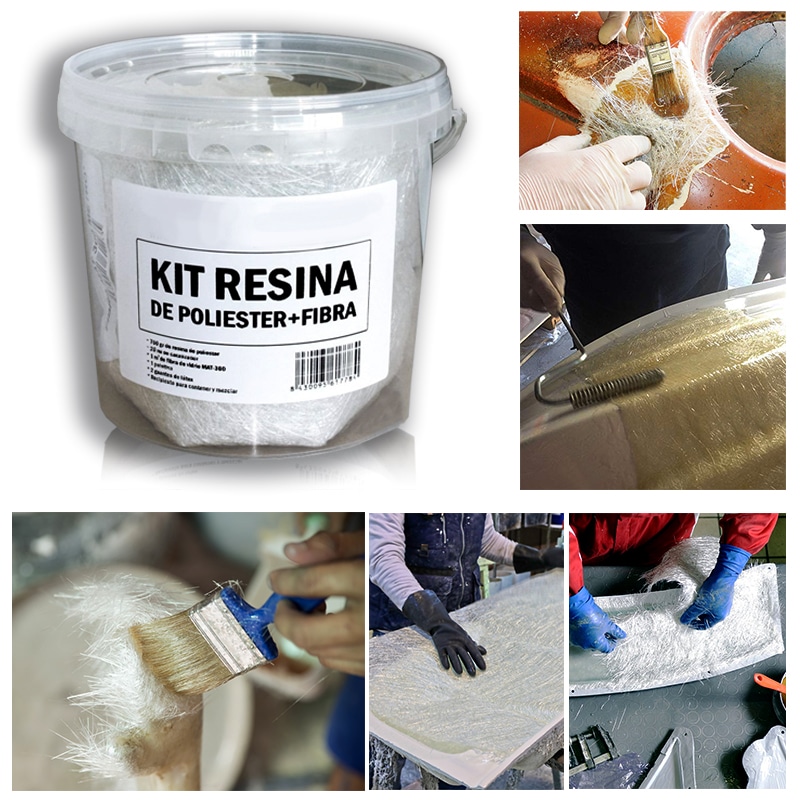
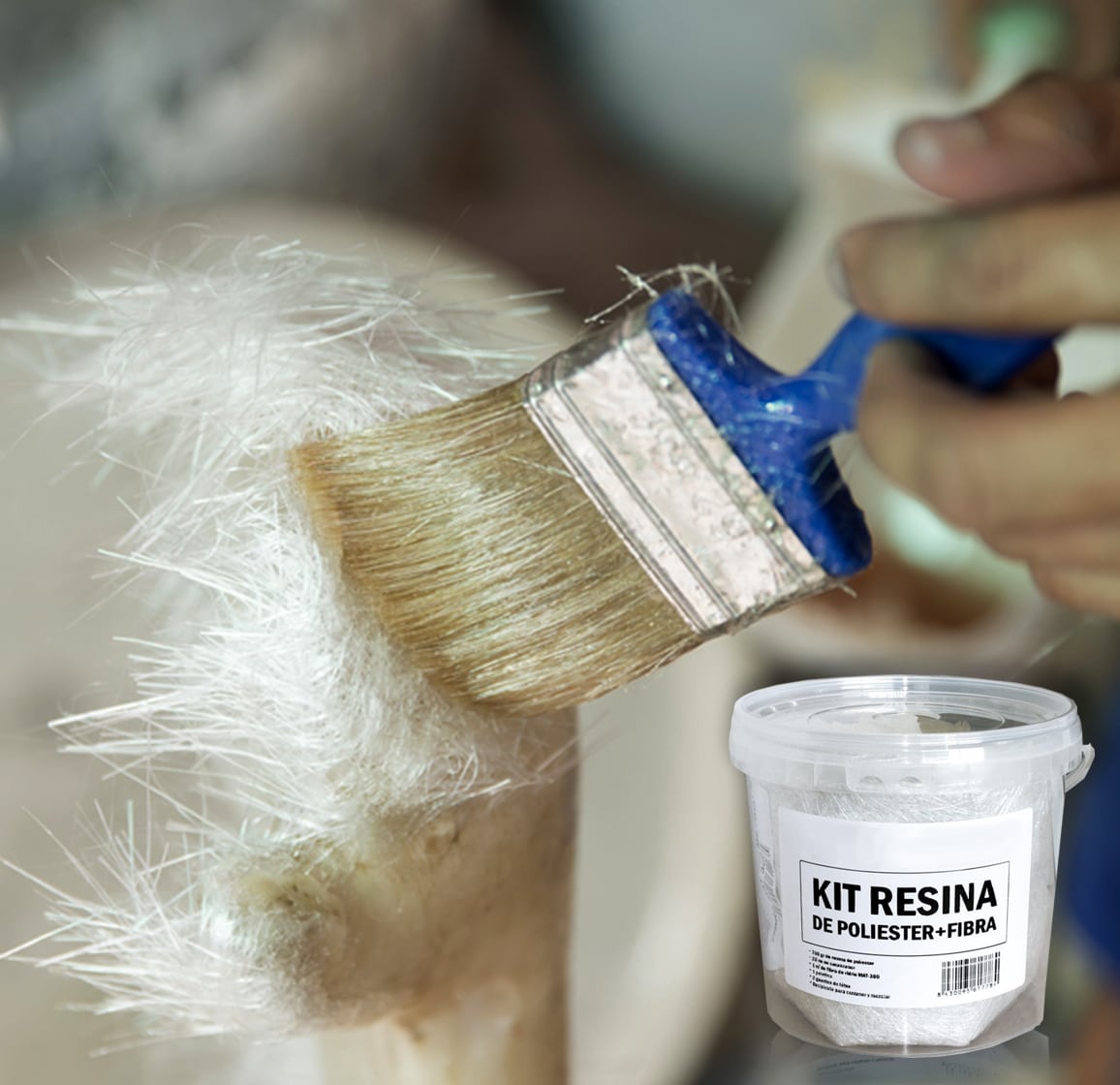
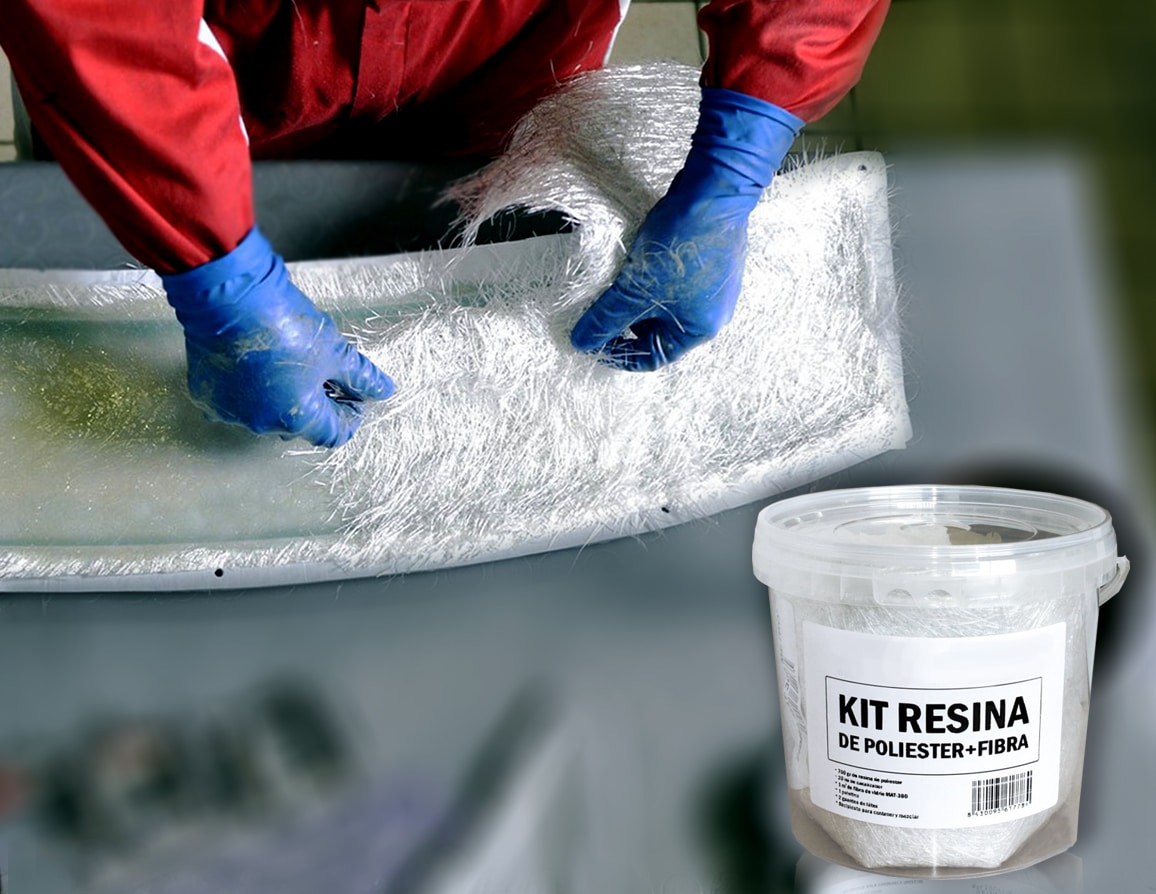
UV resin is best for rapid touch-ups, small bonding jobs, and layering on details. However, it may not be ideal for large or structural repairs, or where flexibility and strength across a broad area are required. In those cases, a two-part epoxy or a fibreglass repair kit might provide more durable results.
Related products
Related guides
For swift, small repairs, UV resin can be a practical solution, especially when time is tight. If you’re working on larger projects or need more detail about joining resin surfaces, our complete resin welding guide can help you choose the right method.