 Free shipping on orders over £29,85
  Shipping Tracking!


 Google
 Facebook
How do you weld resin?
Achieve strong, seamless bonding for resin repairs and crafts

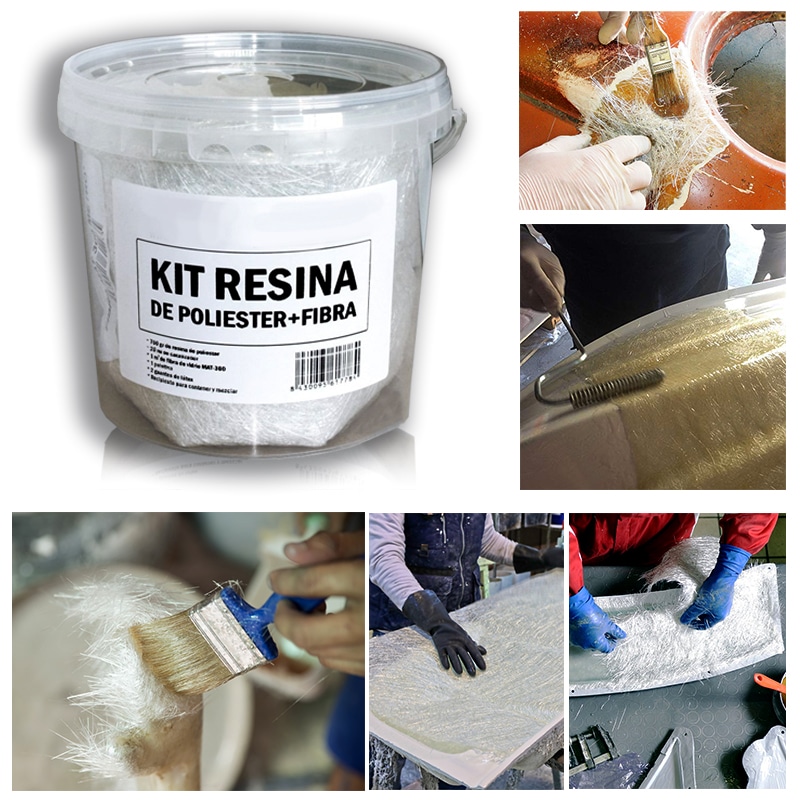
If you need to join, repair, or restore resin surfaces—whether for DIY, crafts, or structural projects—welding resin is a practical and accessible solution. This guide will show you how to achieve strong, durable bonds between resin pieces, repair cracks, or attach new details with the right technique. We’ll cover everything from preparation to cure, and address common pitfalls to ensure your results are reliable and visually clean.
What You’ll Need
- Resin Fibreglass Repair Kit – Complete Polyester Resin and Hardener Set – For robust structural repairs on rigid resin, fibreglass, or plastic substrates.
- “Carbon Resin” – Epoxy Resin for Carbon Fiber & Fiberglass Coating – Ideal for bonding technical fabrics or composite parts with a seamless finish.
- “UV–Creation” – Fast Acrylic Resin, 3 Minute UV Cure – Perfect for quick repairs, crafts, or transparent joins in jewellery-sized objects.
- “Fairy Wings” – UV Resin for Volumetric Reliefs, Dual Colour, 30ml – Best for artistic projects where detail or 3D layering is required.
- Protective gloves and mask
- Clean brush or spatula
- Mixing container (if using two-part resins)
- UV lamp (for UV curing resins)
- Fine grit sandpaper
- Lint-free cloths
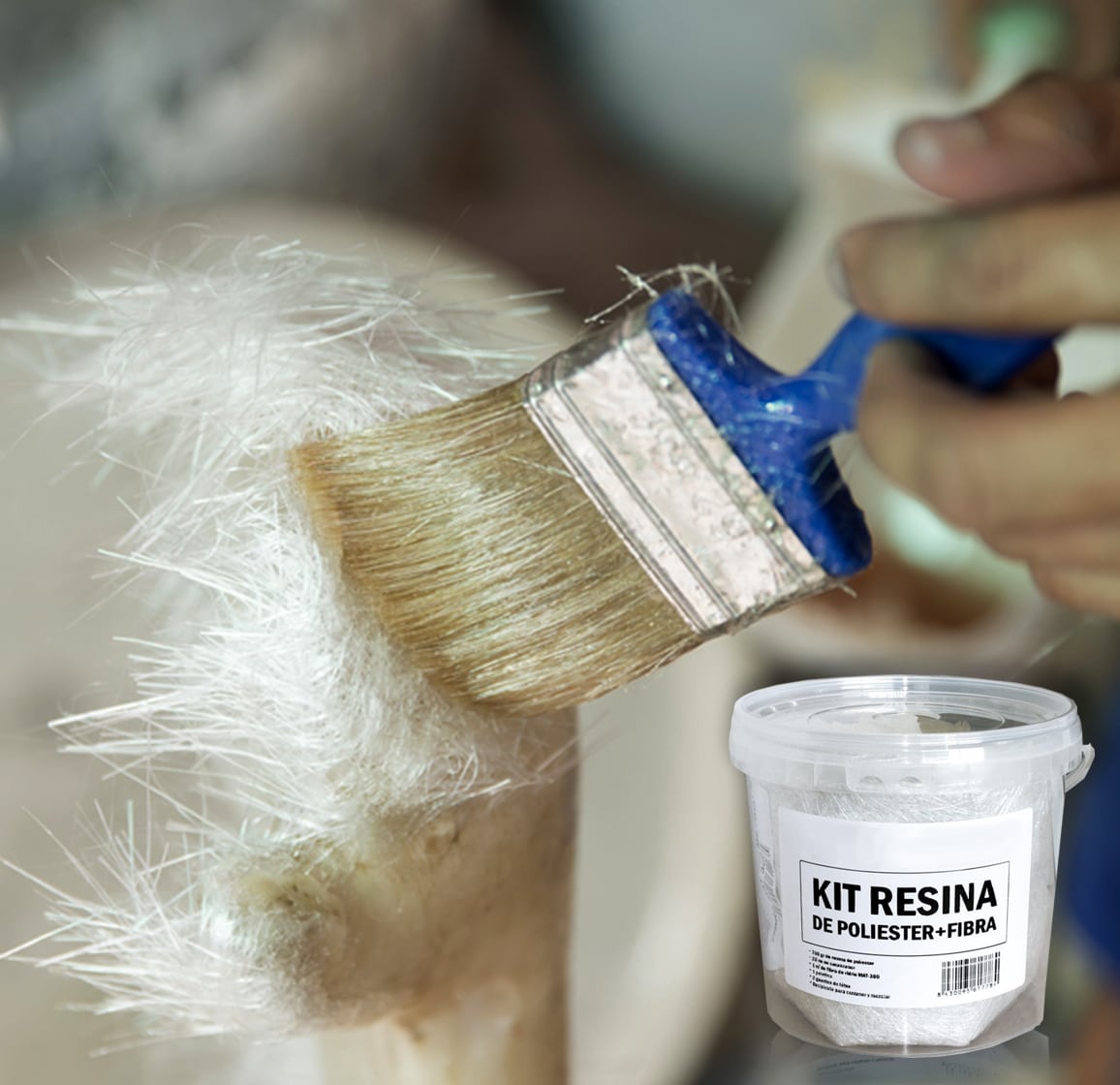
Visual Guide to Resin Welding Materials
Explore the main resins available for welding and joining. Polyester repair kits suit structural repairs, while UV-curing acrylics enable fast, detailed work for crafts and jewellery.
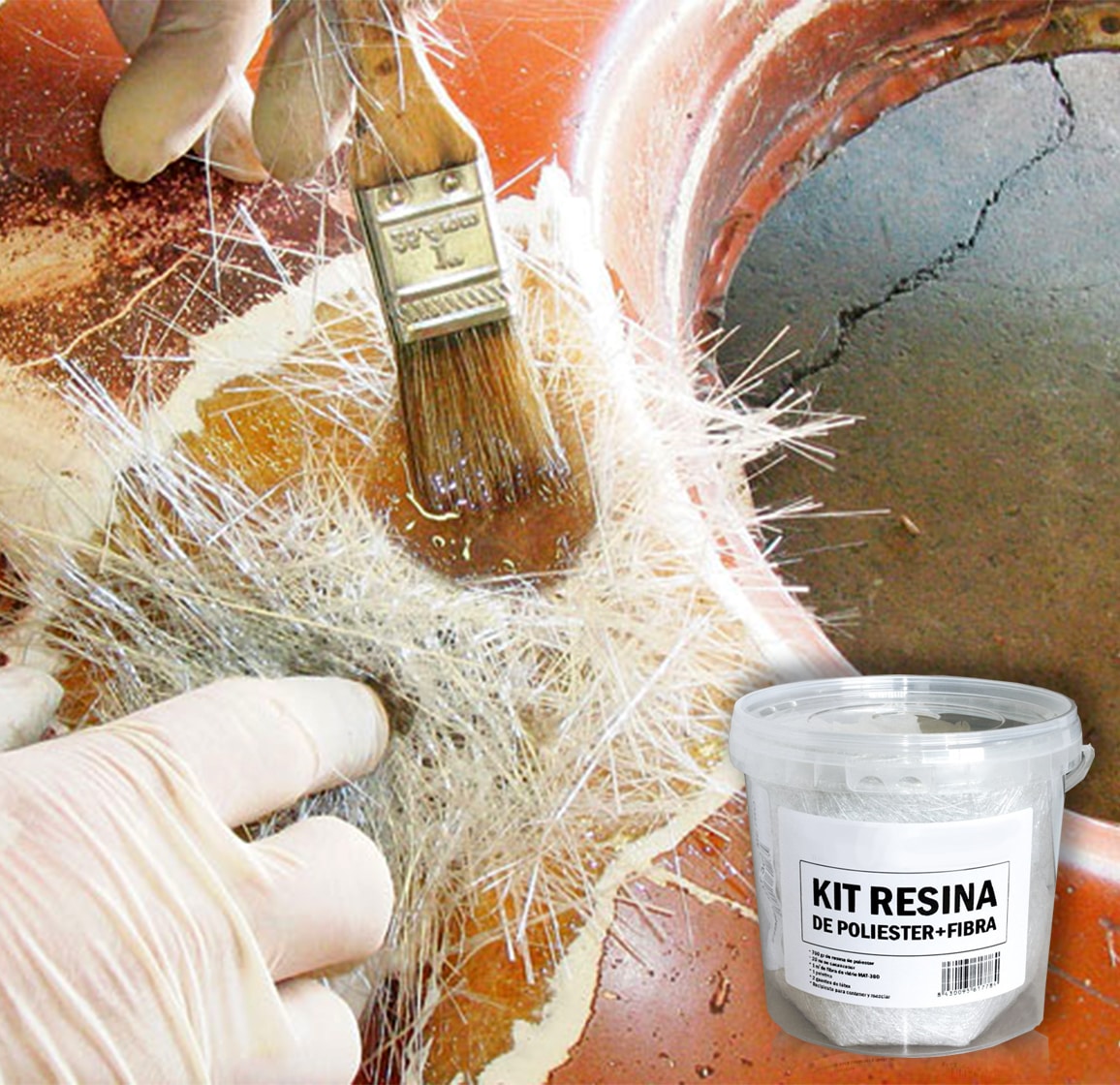
Step 1: Clean and Prepare the Surface
Preparation is key to a strong weld. Sand the area around the bond or crack lightly with fine-grit sandpaper, ensuring any loose fragments or previous adhesive residues are fully removed. Wipe away dust with a lint-free cloth dampened with isopropyl alcohol. Thoroughly clean and dry all surfaces before you proceed; even small amounts of dust or oil can weaken the joint. For larger repairs, ensure the substrate is stable and supported to prevent movement while curing.
Step 2: Select the Appropriate Resin and Mix
Choose a resin that matches your substrate and intended load. For example, a Resin Fibreglass Repair Kit – Complete Polyester Resin and Hardener Set is ideal for rigid, structural bonds or repairing fibreglass surfaces. Epoxy-based solutions such as “Carbon Resin” – Epoxy Resin for Carbon Fiber & Fiberglass Coating provide excellent adhesion and structural strength in composite or carbon fibre bonding. For small-scale jobs requiring speed, opt for a UV-curing resin. If mixing is required, follow manufacturer ratios and stir gently to reduce bubbles.
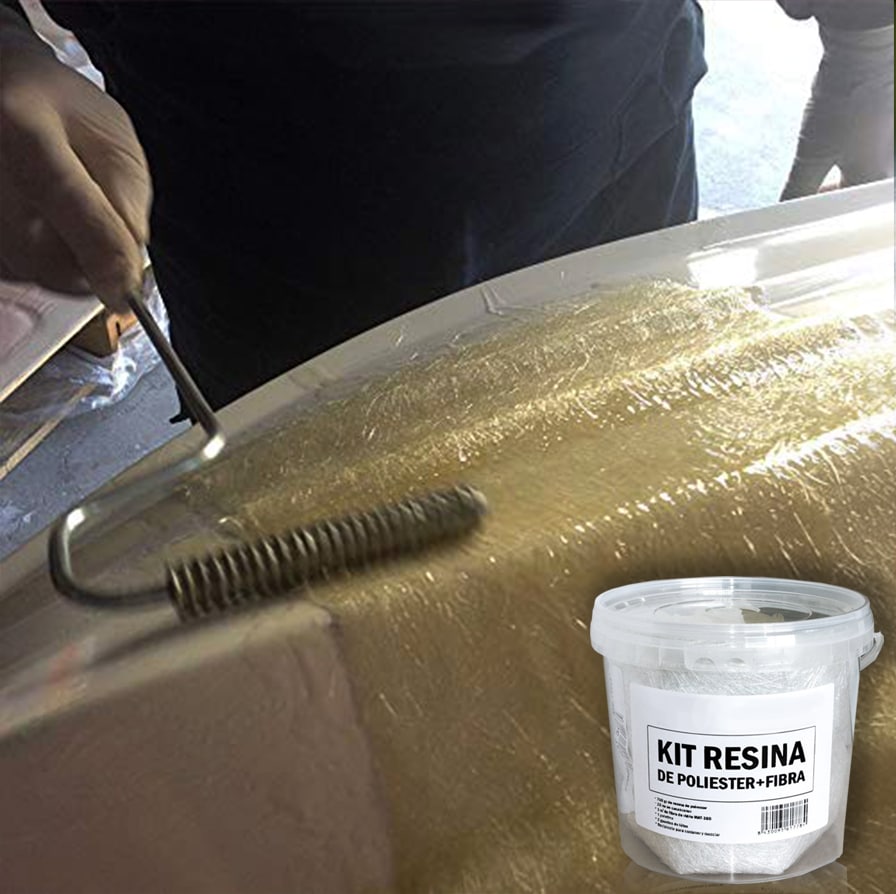

Step 3: Apply the Resin to the Join or Crack
Using a fine brush or spatula, apply your selected resin directly onto the prepared area. For cracks, work the resin into the gap so it penetrates for best bonding. When joining two surfaces, apply resin to both sides before fitting together. For layer-by-layer builds or detail work, UV resins such as “UV–Creation” – Fast Acrylic Resin are suitable—apply a thin layer, join, and cure before repeating for additional strength or decorative effect. Work in thin, controlled layers to minimise bubbles and ensure a smooth finish. Remove any excess with a lint-free cloth before curing.
Step 4: Cure and Finish the Welded Area
Follow your resin’s specific curing requirements. Polyester and epoxy resins typically require several hours at room temperature. UV products, such as “Fairy Wings” – UV Resin for Volumetric Reliefs, cure rapidly in a few minutes under a UV lamp. Always allow full cure before subjecting the part to load or further finishing. Once cured, gently sand the join line to smooth any ridges or overlaps, then clean the area with a lint-free cloth. For crystal-clear resin repairs, an additional gloss coat may help restore shine.

Tips for Success and Troubleshooting
Use compatible resins for your substrate: Polyester, epoxy, and UV resins each have advantages for different jobs. Always select a product matched to your project for best strength and durability.
Remove any uncured or sticky resin: Tacky patches may result from improper mixing or insufficient UV exposure. Remove soft areas and reapply a fresh, well-mixed coat as needed.
Avoid overfilling joins, as this can create visible lines after sanding. If you experience cloudiness or bubbles, work in thinner layers and ensure your tools are clean.
Patience is key: give every weld time to fully harden before heavy handling or sanding.
Before and After: Resin Welding in Practice
See how clean joins and seamless repairs transform broken resin surfaces into strong, functional parts. The right technique and resin ensure invisible welds and professional results.
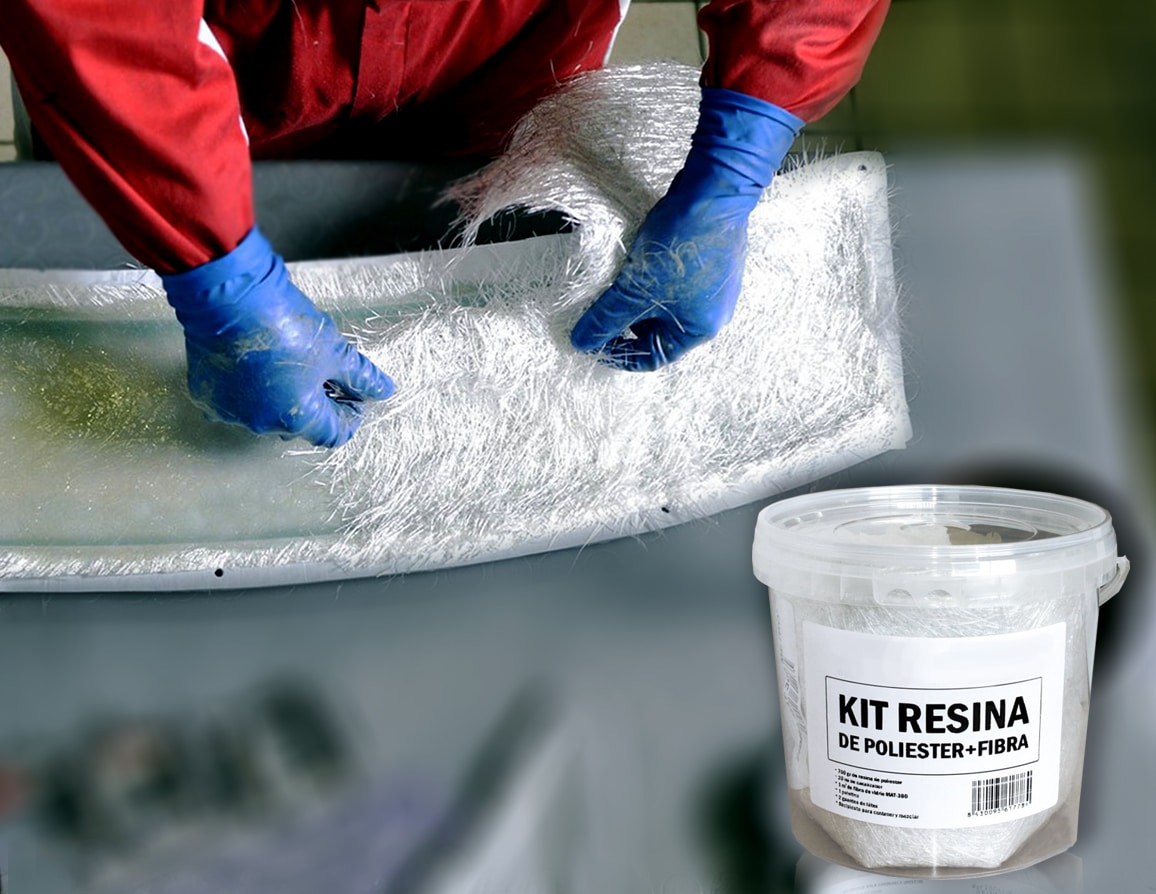
- Resin Fibreglass Repair Kit – Complete Polyester Resin and Hardener SetThis resin kit provides structural reinforcement with polyester resin and fibreglass mat for versatile repairs on rigid surfaces.
- "Carbon Resin" – Epoxy Resin for Carbon Fiber & Fiberglass CoatingPrice range: £19.95 through £37.95Epoxy resin designed for carbon fibre and fibreglass provides bubble-free impregnation and structural integrity with a durable, glossy finish.
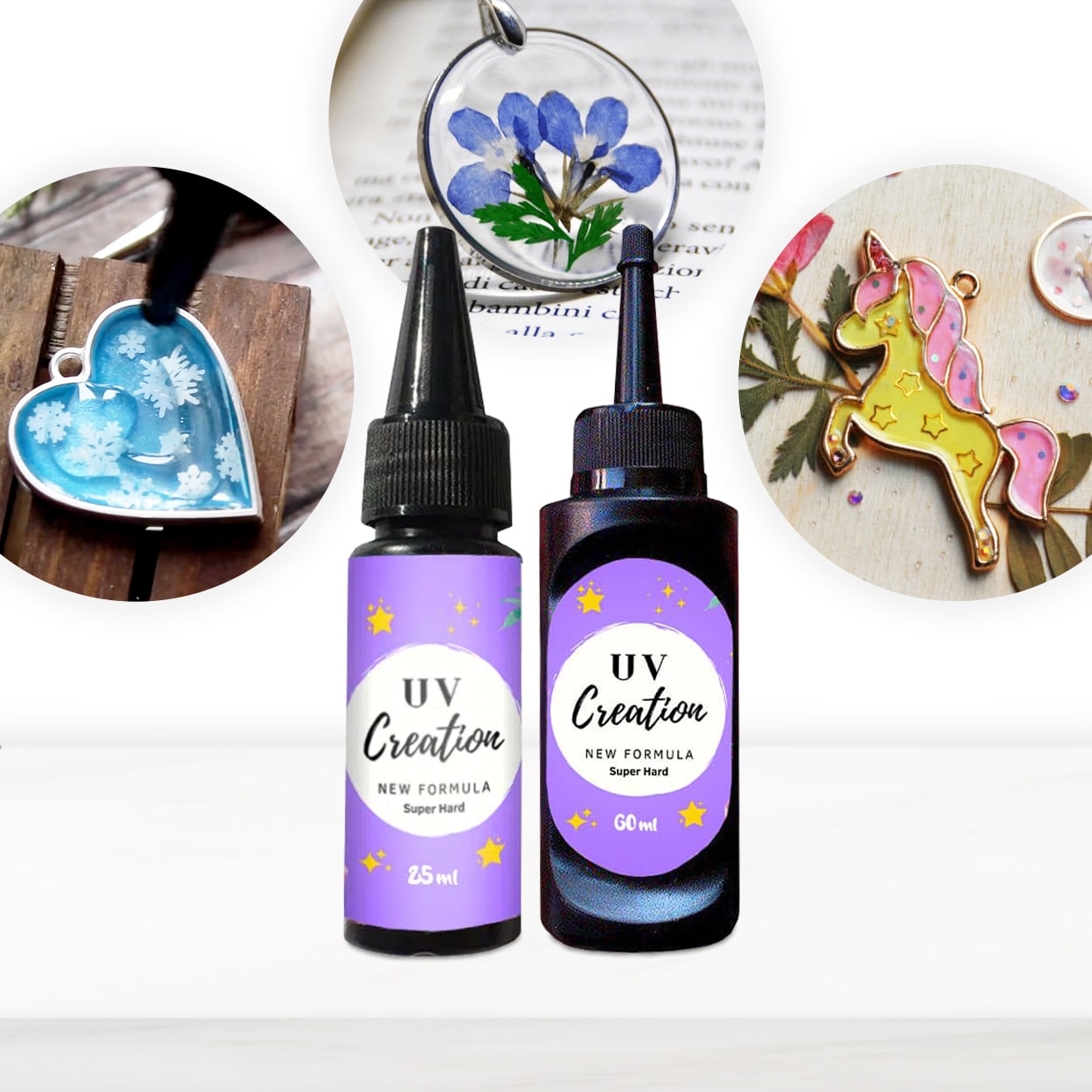 "UV–Creation" – Fast Acrylic Resin, 3 Minute UV CurePrice range: £8.45 through £62.95"UV–Creation" is a fast acrylic resin curing in 3 minutes under UV light, suitable for jewellery makers seeking clear, quick results.
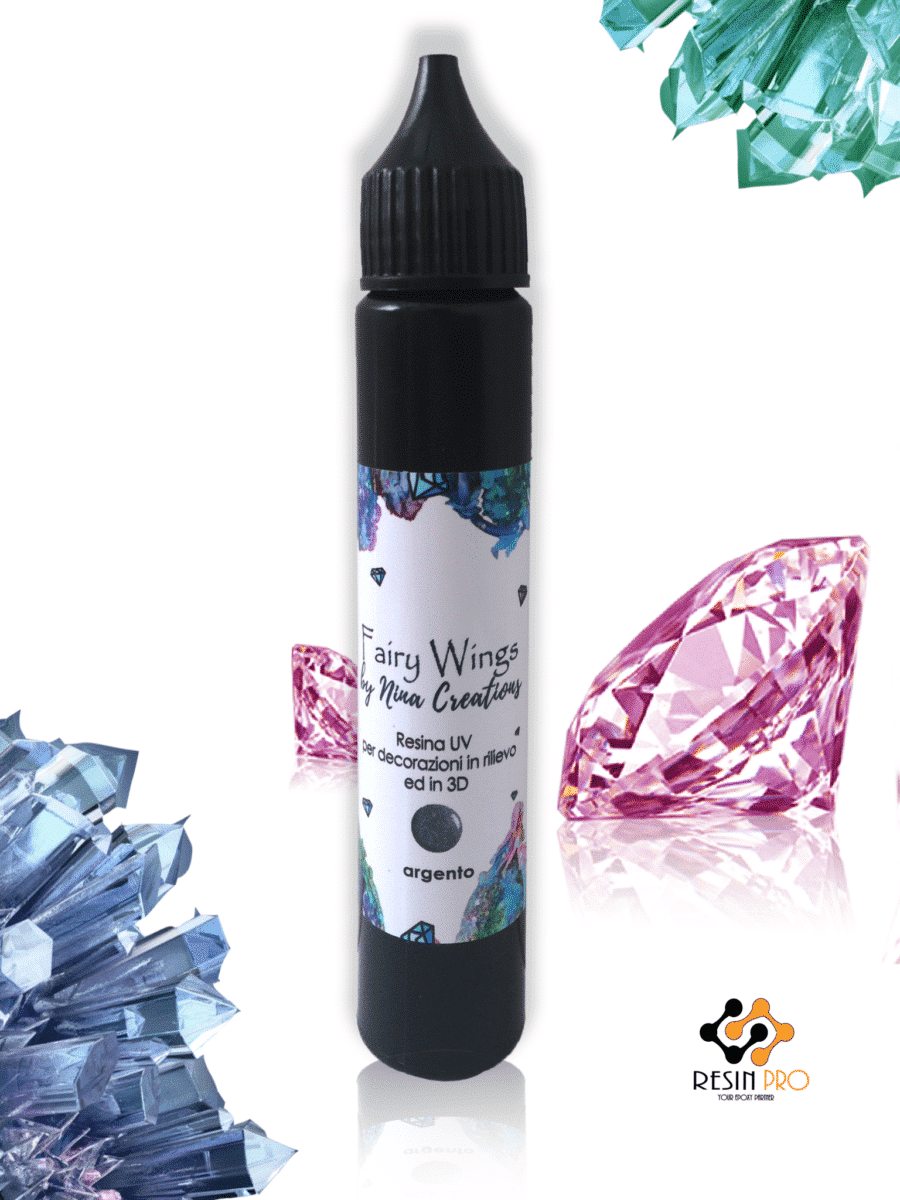 "Fairy Wings" – UV Resin for Volumetric Reliefs, Dual Colour, 30mlOriginal price was: £15.15.£2.85Current price is: £2.85.Ready-to-use UV resin for detailed 3D reliefs, designed for artists and crafters seeking quick-setting decorative effects.
Frequently Asked Questions
How can I weld cracks or repair broken resin pieces?
Clean and prepare the area, apply the appropriate resin, and allow it to cure fully before sanding and finishing for a seamless repair.
What type of resin is best for welding or joinery?
Choose polyester resin for structural repairs, epoxy for composite bonding, and UV resin for fast, decorative joins.
Can I use UV resin for quick repairs?
Yes, UV-cured resins harden in minutes and are ideal for small, precise applications or layering details.
Why is my resin weld still sticky or uncured?
Sticky resin often results from incorrect mixing or inadequate UV exposure; clean off and reapply a properly mixed layer.
How do I achieve an invisible join when welding resin?
Carefully sand and polish after curing, and use compatible, clear or colour-matched resins for best visual results.
Can I use household glue to weld resin surfaces?
For strong and permanent results, always use specialised resin products instead of general-purpose glues.
Epoxy vs. polyester: what's the difference in welding resin?
Epoxy resin offers superior adhesion for composites; polyester is ideal for large-scale and fibreglass repairs.