 Free shipping on orders over £29,85
  Shipping Tracking!


 Google
 Facebook
← Back to What should you put in the grinder to get more resin?
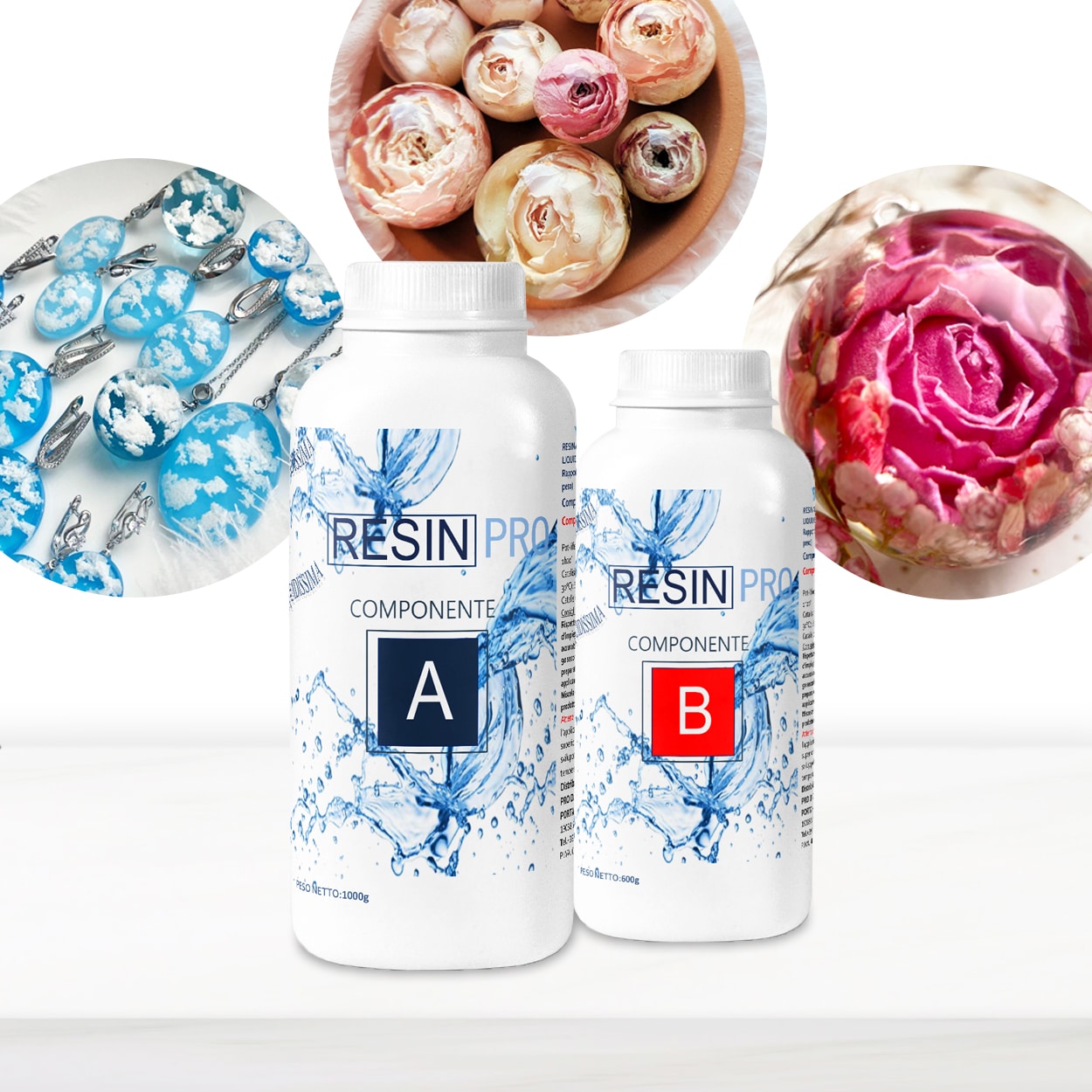
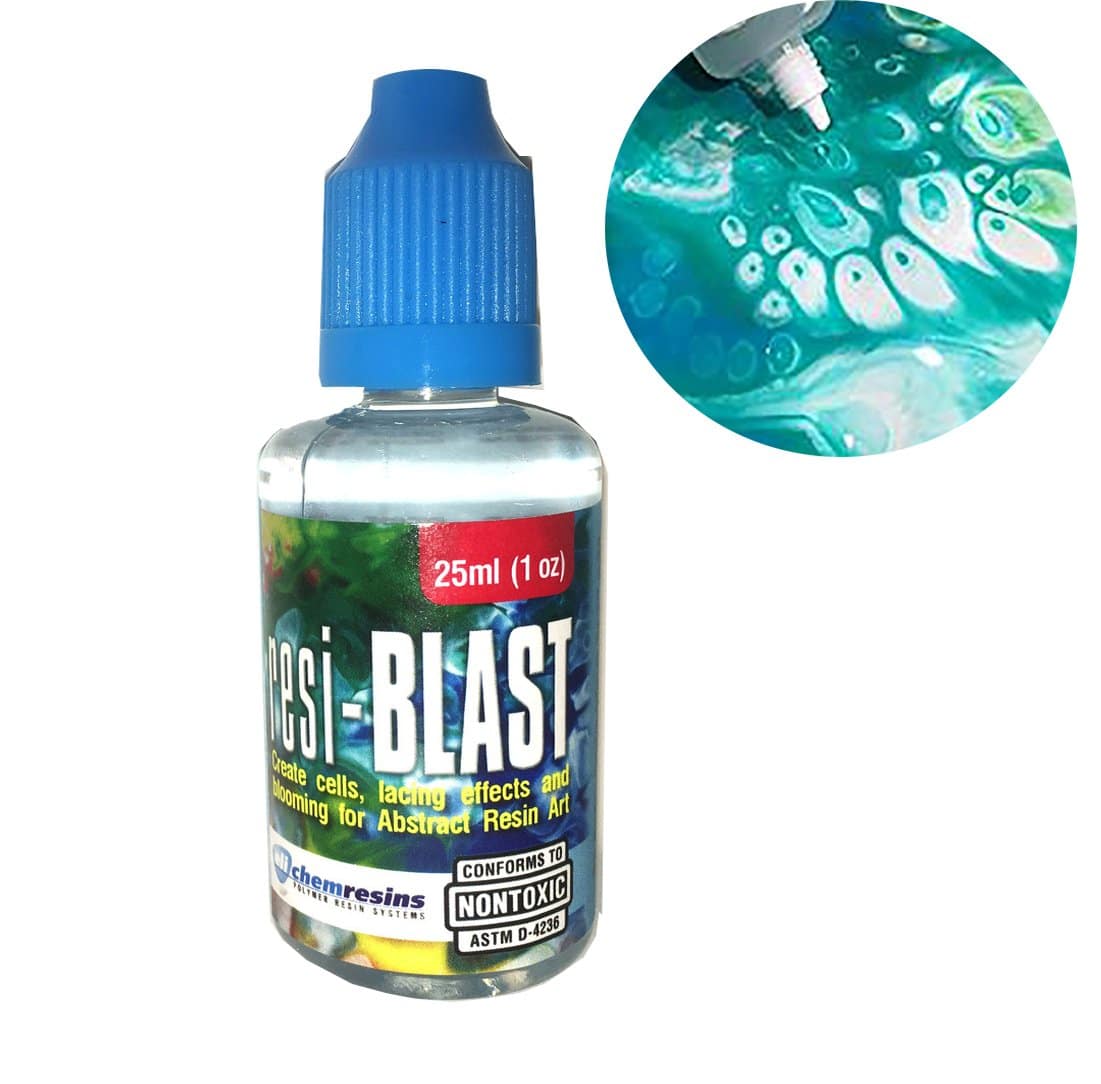
If you’re planning a resin project—be it intricate jewellery, decorative flooring, or deep casting—the viscosity of your resin is a crucial factor. Low viscosity resins open up a world of creative possibilities and practical benefits.
What Does Low Viscosity Mean?
In resin, low viscosity simply describes how easily the liquid flows. A lower viscosity resin pours more freely, effortlessly finding its way into detailed moulds, between aggregate stones, or around embedded objects without much resistance. This property is essential for anyone seeking crisp details or clear finishes in their work.
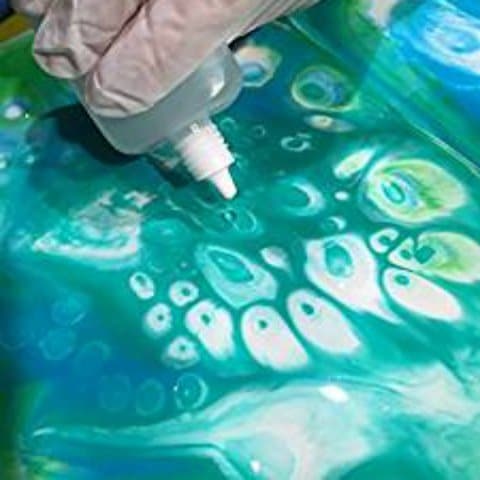
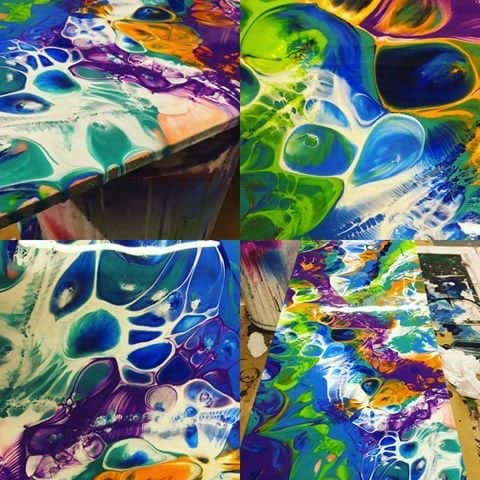
Benefits For Artists and Crafters
Choosing a low viscosity resin has multiple advantages. It reduces the risk of trapped air bubbles, resulting in clearer casts—perfect for eye-catching jewellery or transparent decor pieces. Long working time, as featured in products like “Liquidissima” – Epoxy Resin For Creations & Jewellery, gives you more flexibility to finesse details or mix pigments without rush. If you’re binding pebbles for decorative floors, a free-flowing binder thoroughly coats every piece, ensuring a sturdy, visually pleasing surface.
Practical Tips for Buying and Using Low Viscosity Resin
- Always check your intended project’s requirements before choosing a resin, as some deep pours or special effects demand ultra-low viscosity.
- If clarity and bubble-free results matter, select a resin formulated specifically to minimise air entrapment.
- Low viscosity resins usually have longer working times, allowing more time to perfect your design.
When This Matters
Opt for low viscosity when you need the resin to penetrate tight spaces, form flawless glossy finishes, or evenly bind decorative stones. Whether working on fine jewellery or a statement table top, you’ll appreciate the difference.
Related products
Related guides
Understanding low viscosity helps you unlock better results in resin art, crafts, and flooring. Explore further guidance and product recommendations on our main page about what to put in the grinder to get more resin.