 Free shipping on orders over £29,85
  Shipping Tracking!


 Google
 Facebook
How is the resin prepared to coat the tiles?
Get a flawless tile finish with the right resin preparation
Coating tiles with resin is an effective way to refresh surfaces, achieve a glossy or coloured finish, and protect against wear, stains or moisture. Whether you are revitalising kitchen splashbacks, upgrading bathroom flooring, or giving old tiles a new lease of life, understanding how to prepare resin correctly is crucial for a seamless, durable finish. This guide leads you through the essential stages of surface preparation, resin mixing, and application so you can coat tiles confidently and professionally.

What You’ll Need
- “Epoxyprimer” – Universal Water-Based Two-Component Epoxy Floor Primer: A specialist primer to promote resin adhesion on tiles. Particularly helpful for glazed, ceramic or non-porous tiles.
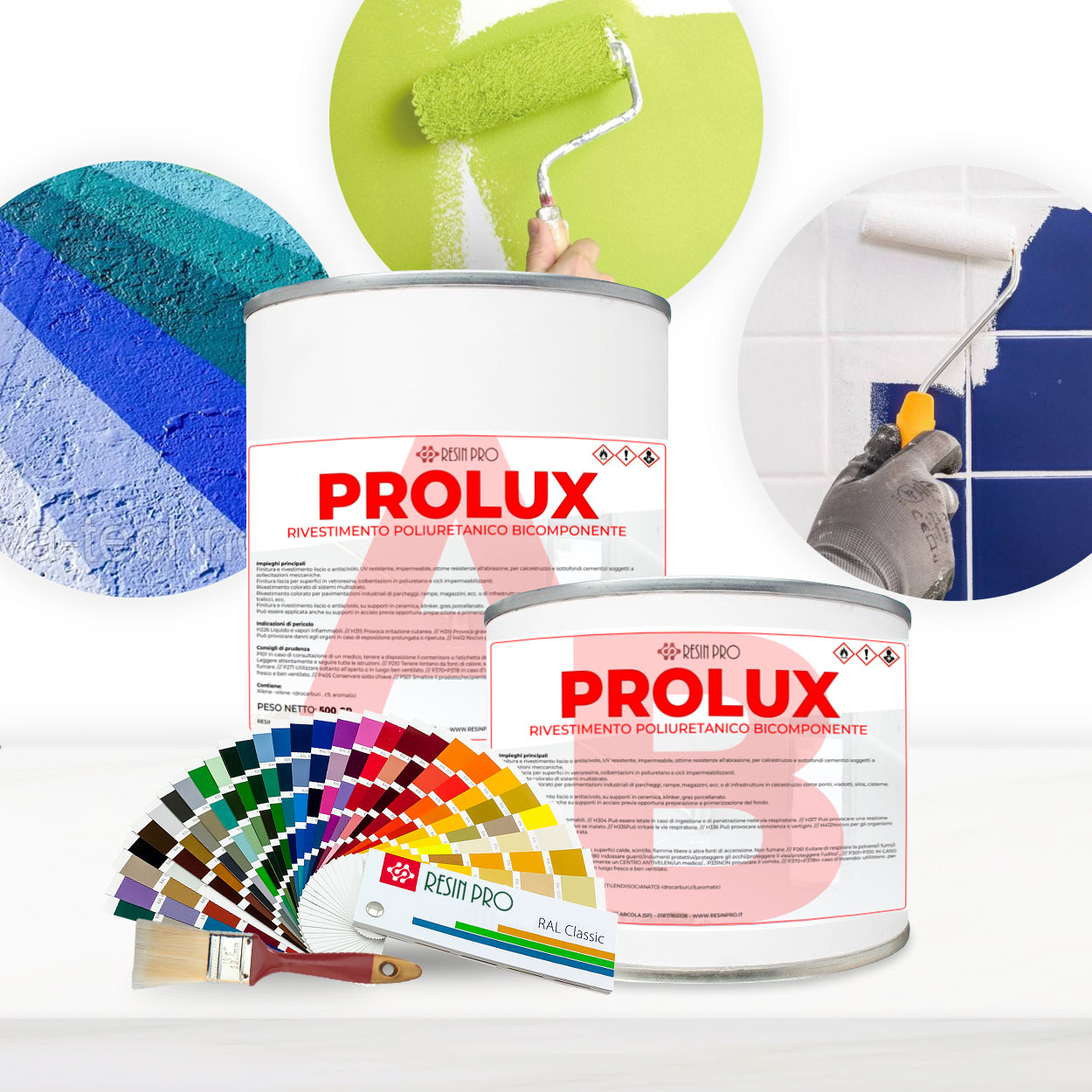
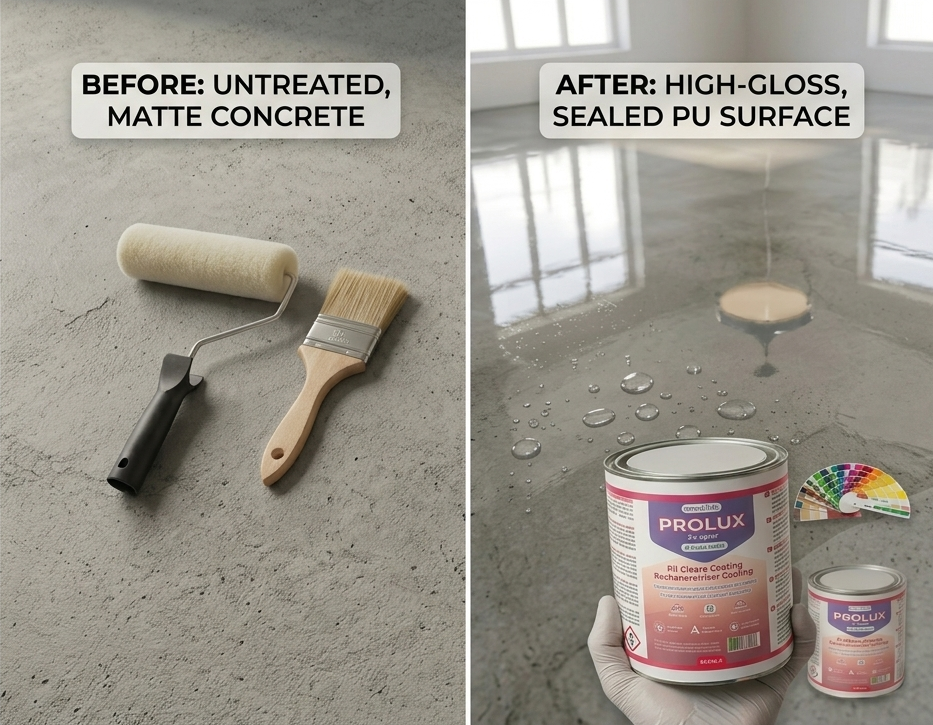
- “Prolux” – PU coating for tiles, concrete, plastic and metal – suitable for driveable surfaces: Two-component polyurethane coating for a durable, glossy or satin finish with maximum protection on tiles.
- Protective gloves, suitable mixing tools (sticks or paddles), and a clean mixing bucket.
- Microfibre cloths, degreaser, sanding block (where needed), painter’s tape and coverings to protect adjoining surfaces.
Selecting the Right Tile Coating Resin
Choosing an appropriate resin ensures lasting protection and beauty for your tiles. Polyurethane coatings excel in durability and are ideal for high-traffic or outdoor tiled areas, while clear epoxy options provide a stunning, glass-like appearance. Always consider the demands of your space and the need for UV, water, or abrasion resistance.
Step 1: Prepare the Tile Surface
Thorough surface cleaning is essential before resin application. Begin by removing all dust, grease, residues, and old sealants from the tiles using a suitable degreaser and a microfibre cloth. For best adhesion, lightly sand any glossy or glazed tiles to promote mechanical bonding for the resin. Wipe away dust with a clean, damp cloth and allow the tiles to dry completely before continuing to the next step. Mask off adjacent surfaces with painter’s tape if necessary.

Step 2: Apply Primer for Maximum Adhesion
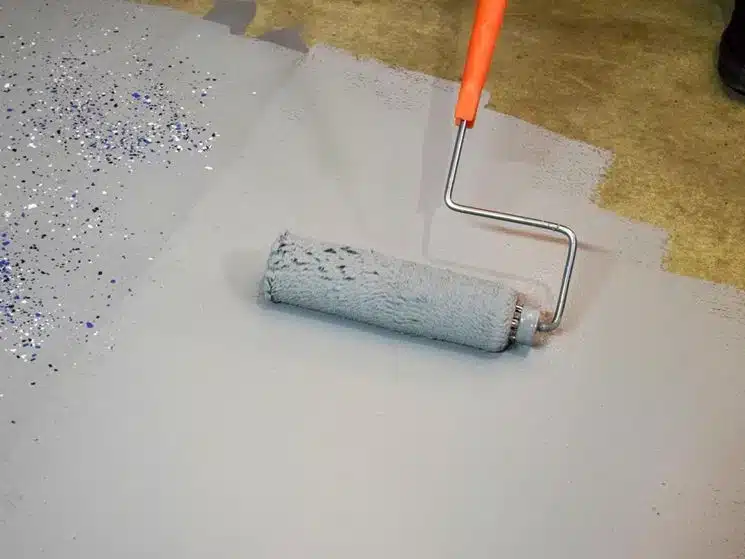
Priming is particularly important for non-porous tiles. Use Epoxyprimer, following the manufacturer’s instructions. Mix the two components together at the correct ratio (typically 100:40) and apply with a roller or brush for an even coat. Primer application seals the tile surface, fills any micro-pores, and establishes a reliable bonding layer for your topcoat. Allow the primer to cure fully as indicated—usually 24–48 hours at room temperature—before proceeding.
Step 3: Mix Your Resin Coating
After the primer is cured, prepare your resin. For tile coatings, a polyurethane resin such as Prolux is a robust option due to its outstanding durability and resistance to abrasion, water, and UV light. Mix the resin and hardener components precisely according to the instructions—for Prolux, this is a 2:1 ratio by volume. Stir slowly and thoroughly for several minutes, ensuring even blending and minimising air bubbles. Only mix what you can apply within the working time suggested, as resin will begin curing quickly after components are combined.

Step 4: Apply the Resin to the Tiles
Pour or roll the mixed resin evenly across the prepared tile surface. Use a foam roller, brush, or notched trowel to spread the resin for a uniform layer. Take care to work methodically, maintaining a wet edge to avoid visible join marks. Work at the right temperature to avoid curing issues: most resins cure best between 18–25°C in a well-ventilated, dust-free space. Avoid draughts and direct sunlight during the application. Check periodically for air bubbles; if they appear, gently sweep them out with a roller or, if safe, use a heat gun briefly at a distance.
Step 5: Curing and Finishing
After applying the resin, keep the area free from dust and avoid touching or disturbing the surface. Allow each layer to cure fully before applying the next (if a multi-layer finish is desired). Curing times vary: typically, resins harden to the touch in several hours but require up to 48 hours for full mechanical and chemical resistance. Wait at least this long before exposing tiles to foot traffic or moisture. Once cured, carefully remove any masking tape and admire your durable, transformed tile finish.
Tips and Common Mistakes to Avoid
- Always measure resin and hardener by volume or weight as specified. Bad ratios cause tacky or brittle finishes.
- Ensure thorough mixing, scraping the sides and bottom of your container to avoid unmixed spots.
- Work in small batches to prevent premature curing or wastage.
- Do not skip the primer, especially on glazed or smooth tiles—bond failure is a common DIY pitfall.
- Protect the curing surface from dust, insects, and rapid temperature changes to maintain clarity.
Project Inspiration and Real-World Results
Browse transformation projects where resin rejuvenates bathroom, kitchen, and patio tiles. Whether seeking a coloured, glossy update or a robust, clear surface, prepared resin coatings reveal the tiles’ true potential. The right preparation and product choice unlock flawless, professional-grade finishes.
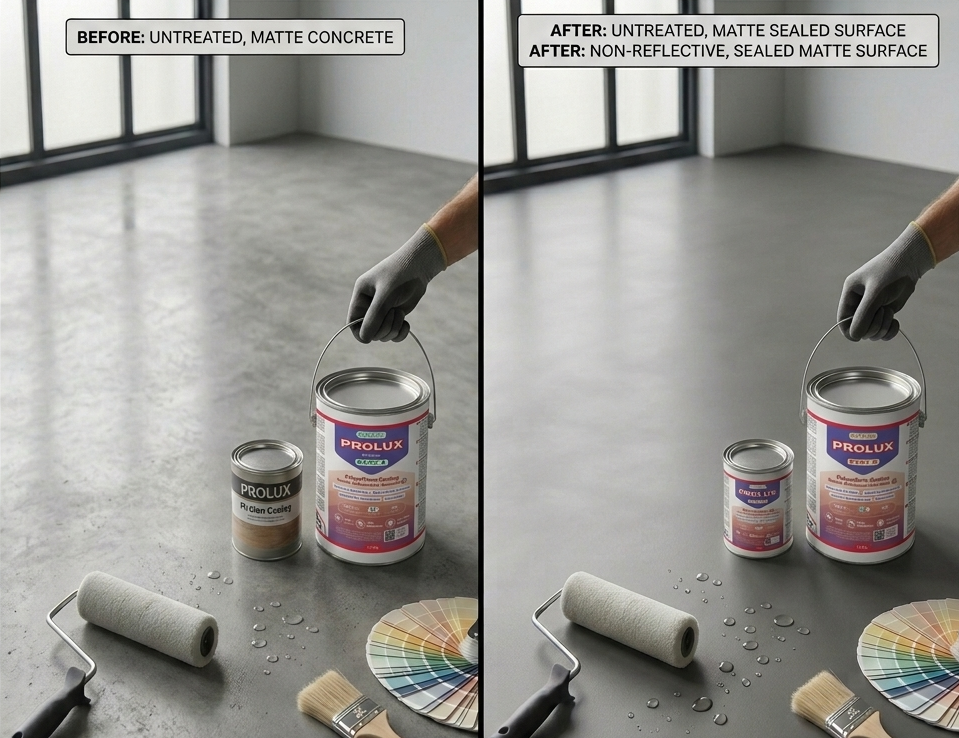
- "Prolux" – PU coating for tiles, concrete, plastic and metal – suitable for driveable surfacesPrice range: £44.85 through £494.85"Prolux" offers a tough polyurethane finish with resistance to abrasion and UV, suitable for coating tiles and various other surfaces.
- "Epoxyprimer" – Universal Water-Based Two-Component Epoxy Floor PrimerPrice range: £156.45 through £286.45Epoxyprimer is a universal water-based two-component epoxy resin primer designed for use on concrete, tiles and timber surfaces.
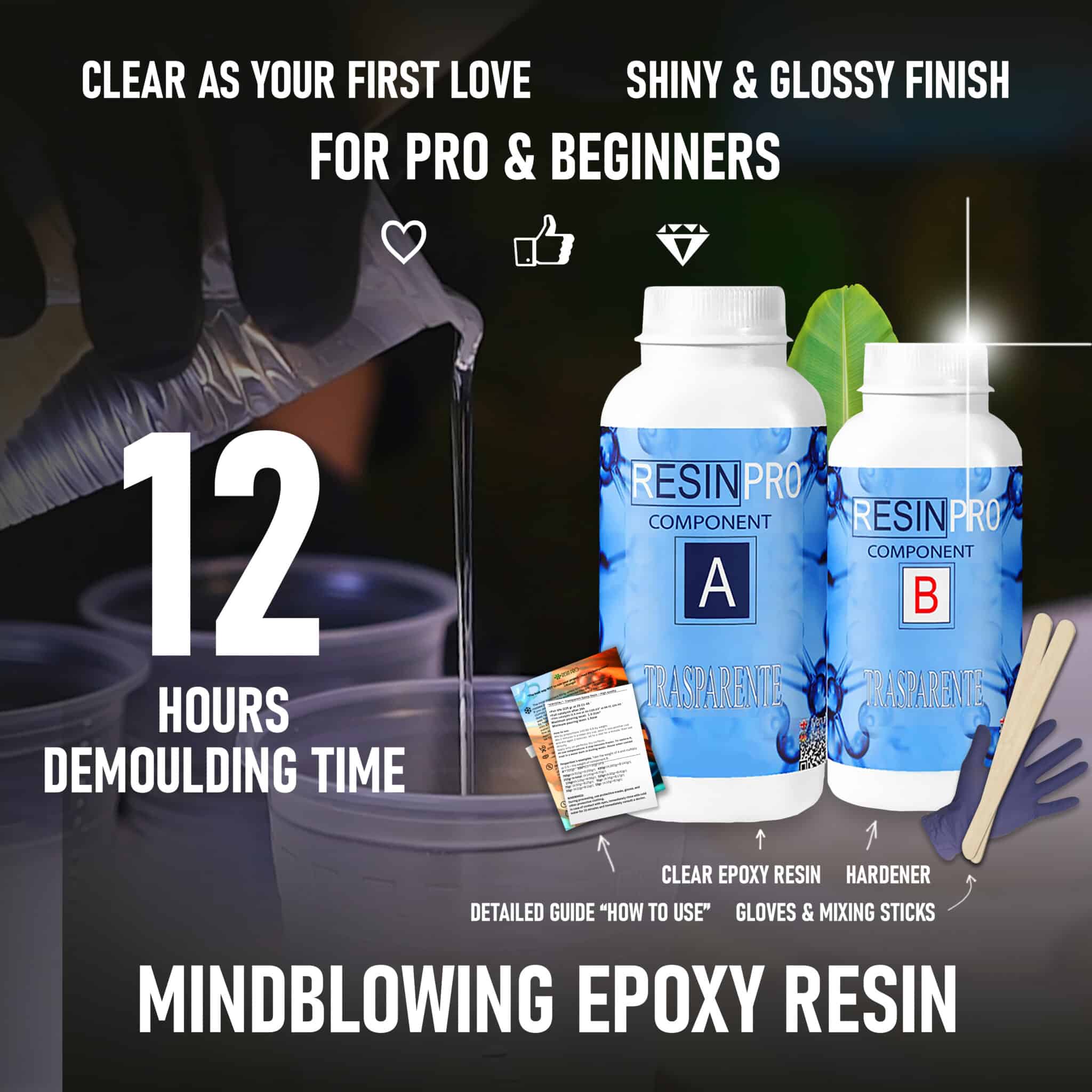
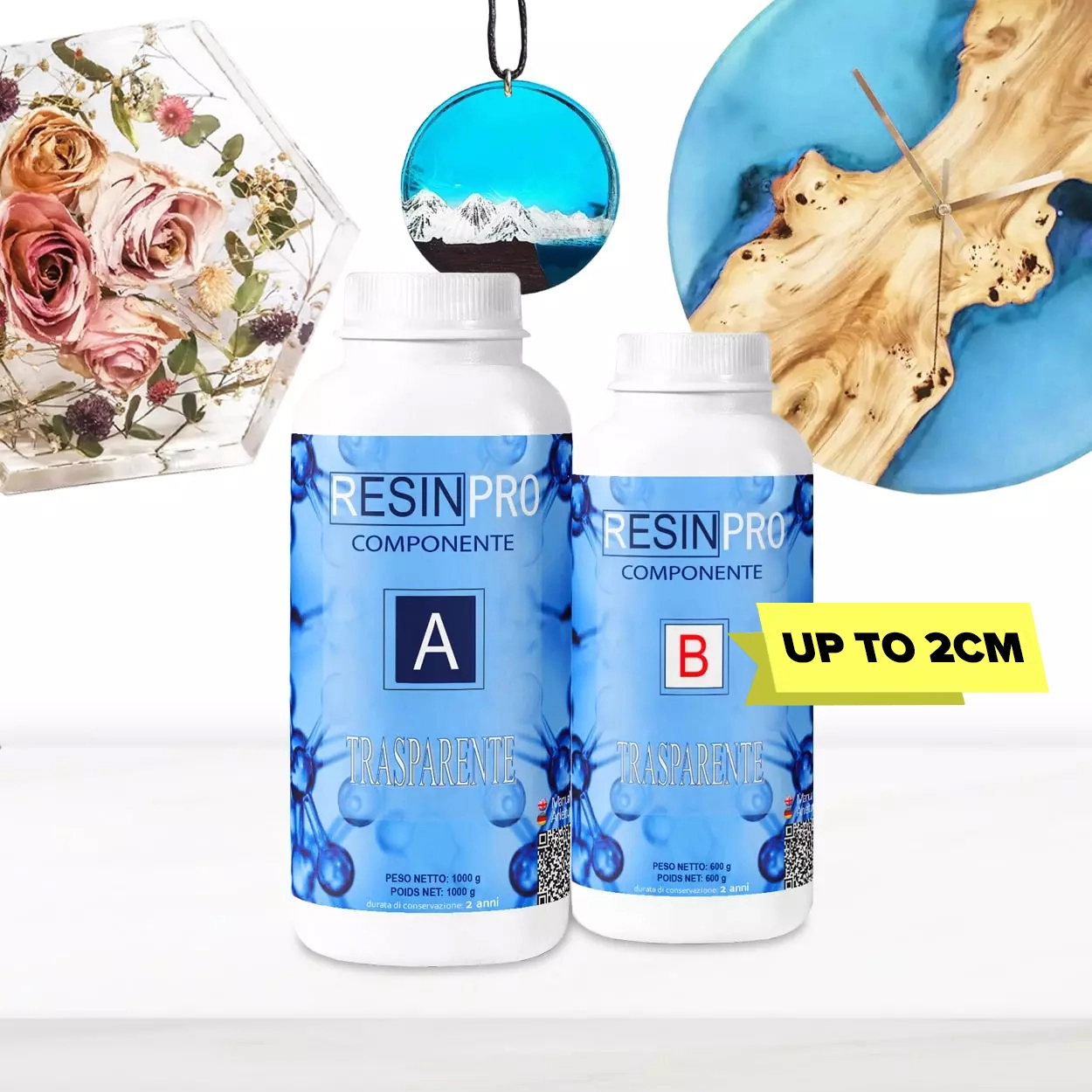
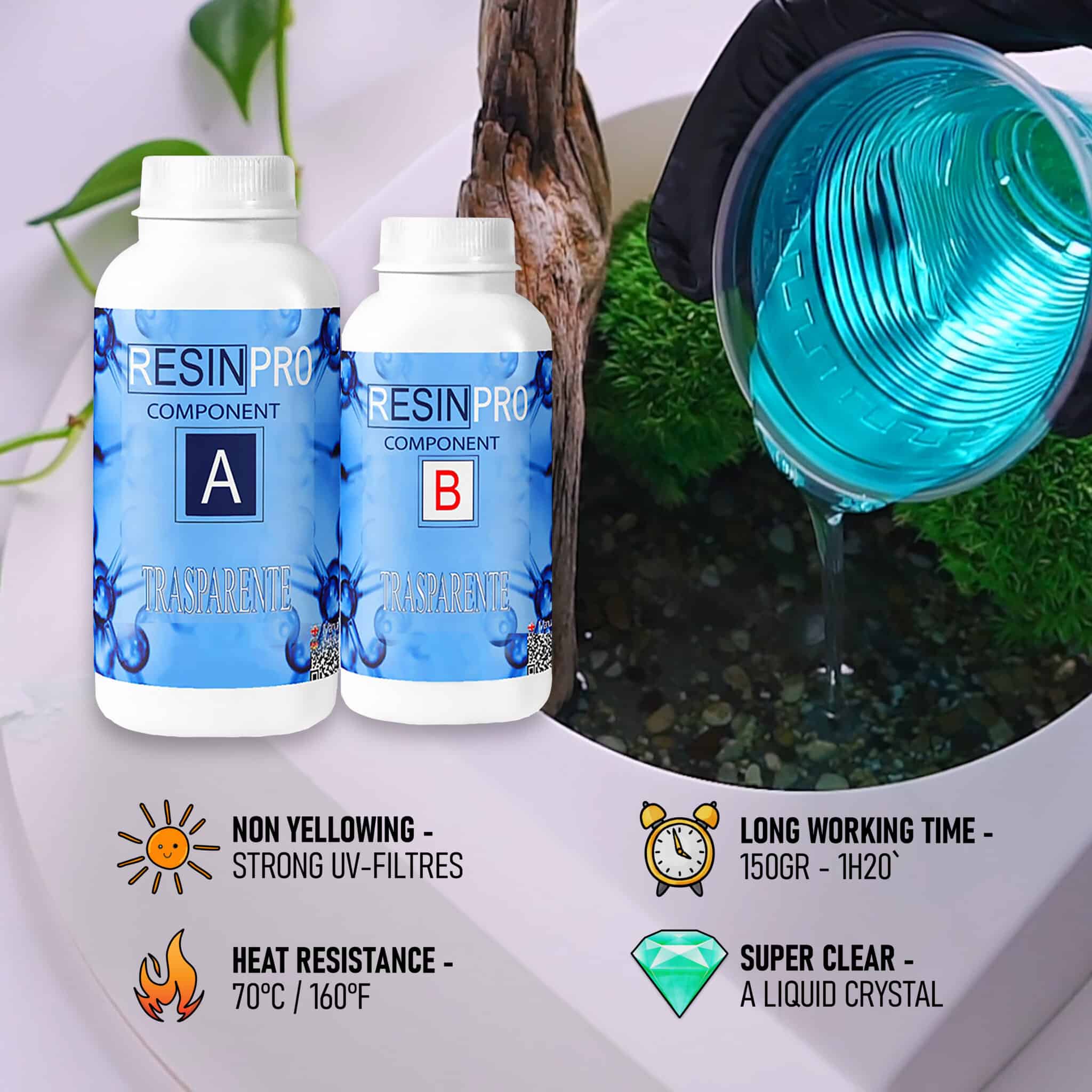
- "Trasparente" – Multipurpose Clear Epoxy Resin for Casting – Up to 2cmPrice range: £8.95 through £397.95"Trasparente" is a clear epoxy resin designed for DIY and professional projects with a self-levelling finish suitable for layers up to 2cm.
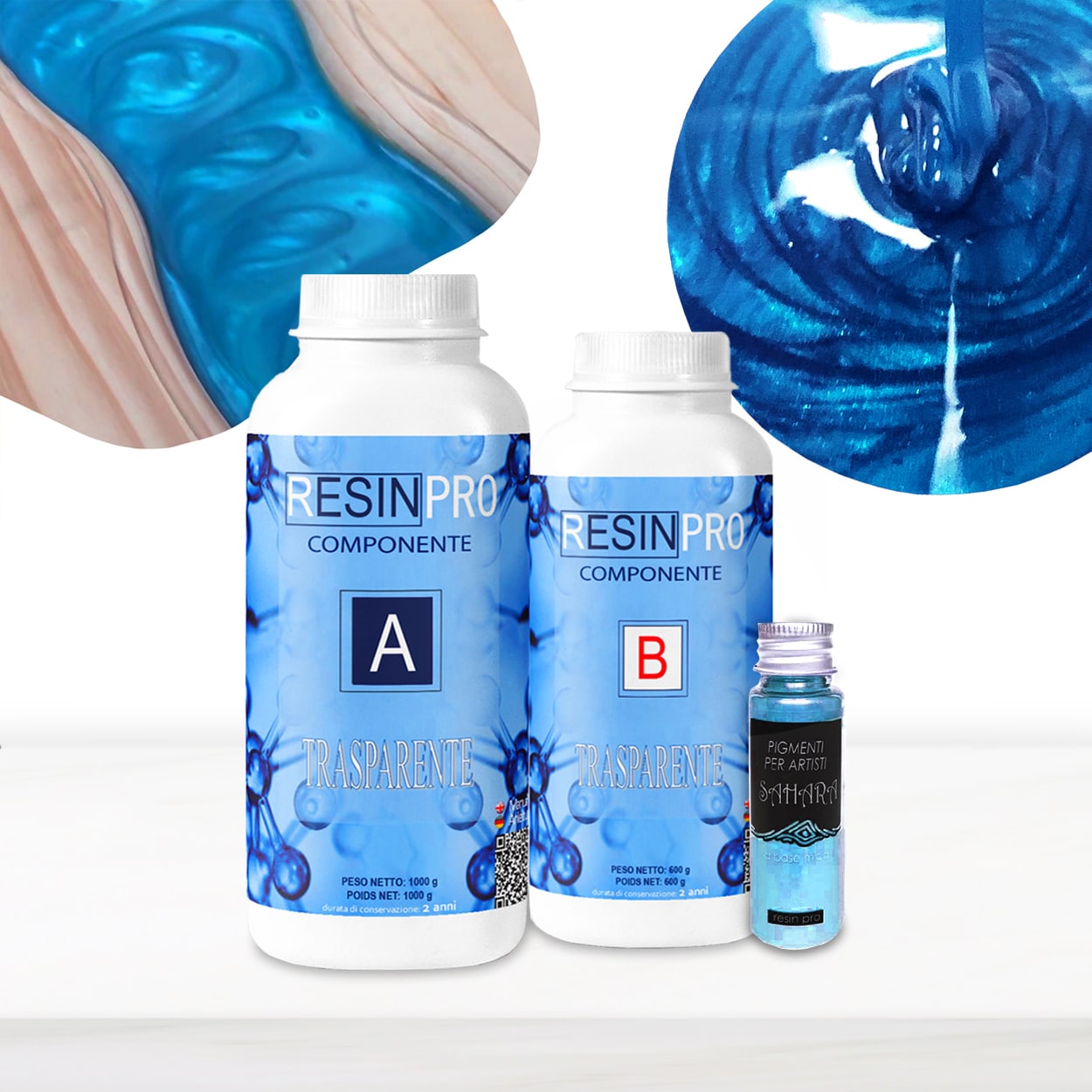 "Trasparente" Epoxy Resin Kit 800g + Mica Powder 10g – 10 Colour Variations£20.95"Trasparente" epoxy resin kit is a clear, multipurpose resin suitable for castings and coating surfaces including tiles.
Frequently Asked Questions
Can I apply resin directly to glazed tiles?
It's best to sand and prime glazed tiles first to ensure proper adhesion and avoid peeling or delamination.
Do I need a primer for tile resin coatings?
Yes, primers create a bonding layer between smooth tiles and resin, helping prevent coating failures over time.
How long does tile resin need to cure?
Resin coatings usually require 24–48 hours to fully cure. Refer to your product instructions for exact times before use.
What is the ideal temperature for tile resin application?
Most resins cure optimally between 18–25°C. Avoid extreme cold or heat during and shortly after application.
Can I use any resin to coat tiles?
Not all resins are suitable. Choose products formulated for surface coatings with proven durability and adhesion to tiles.
How to stop resin on tiles from turning yellow?
Use resins with built-in UV resistance, and avoid prolonged exposure to direct sunlight when possible for best longevity.