 Free shipping on orders over £29,85
  Shipping Tracking!


 Google
 Facebook
← Back to How can I check the curing of the resin?
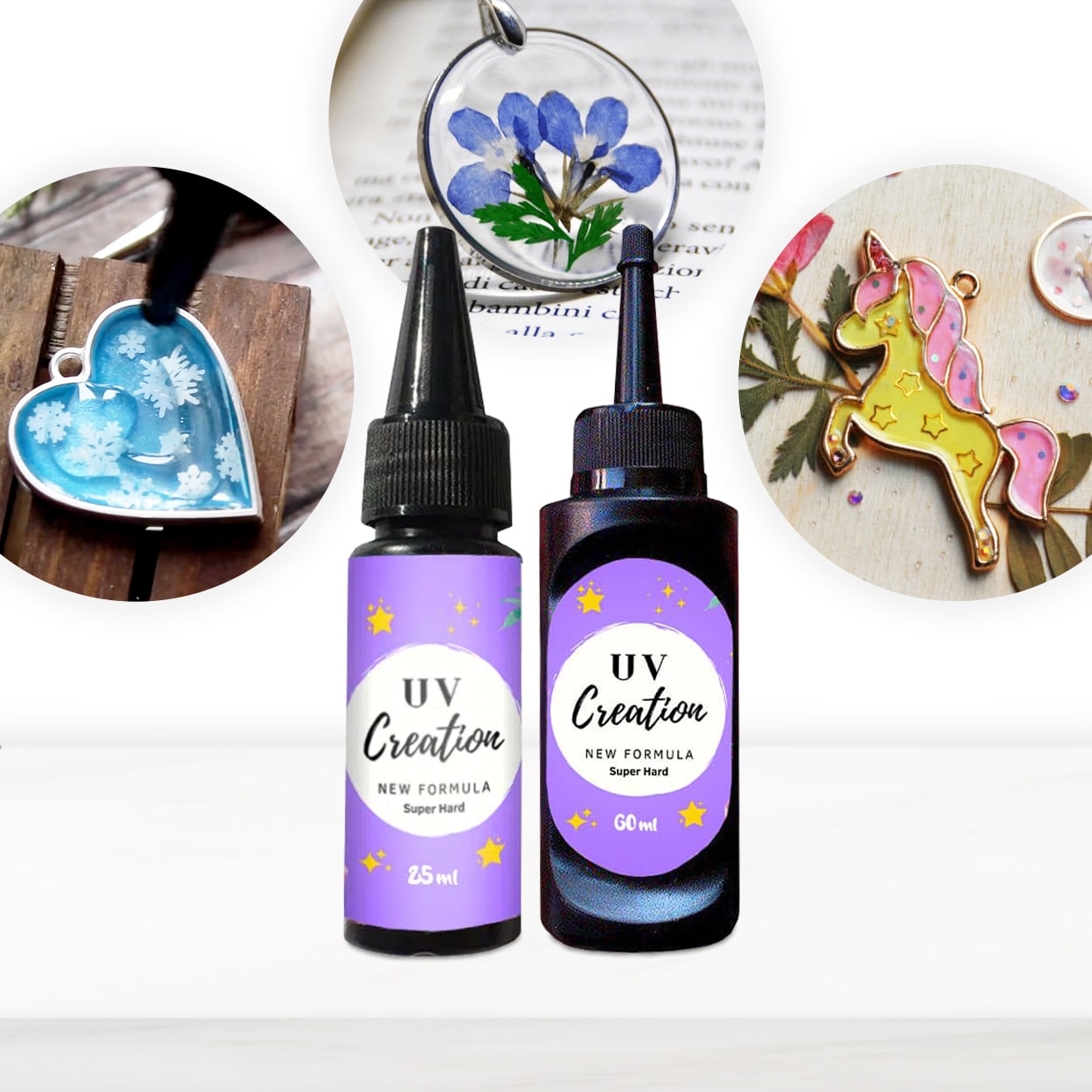
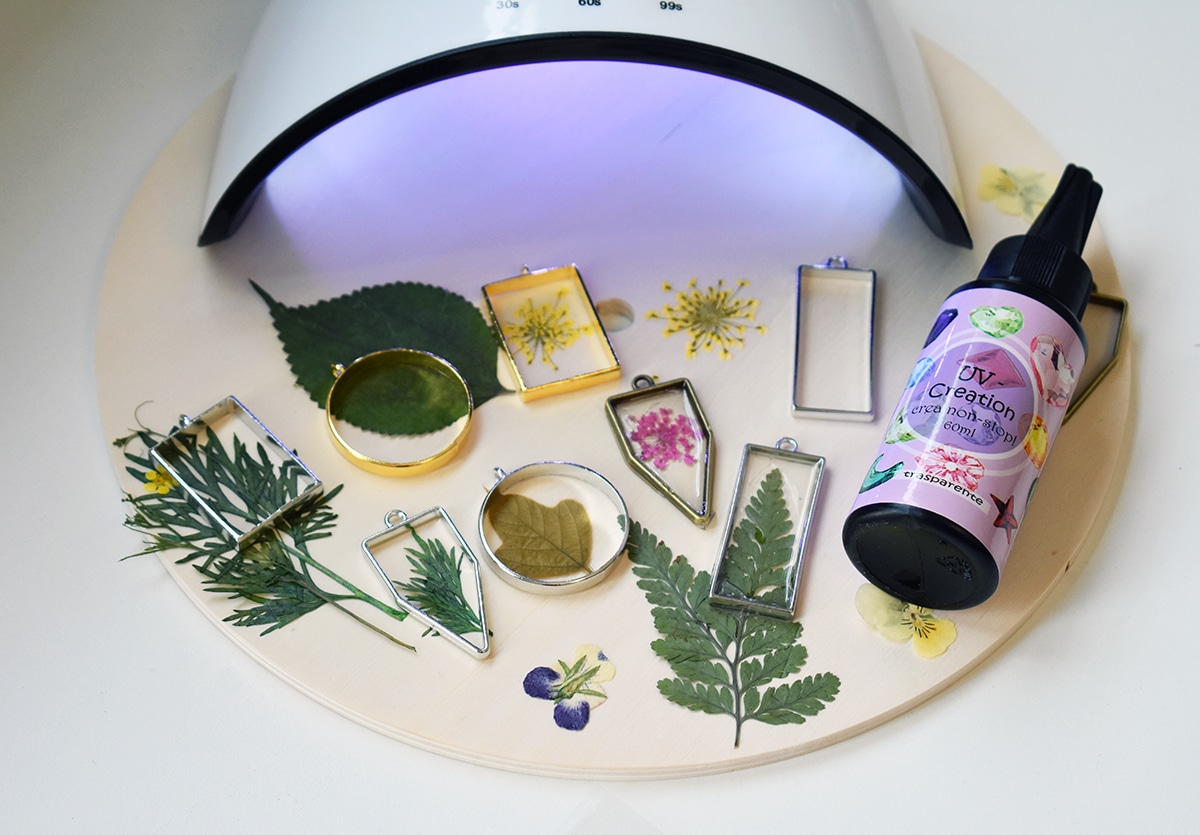
Knowing when your resin is properly cured is essential for achieving flawless, professional-quality creations. Avoiding sticky or soft finishes is easy with the right checks.
Key Signs of Properly Cured Resin
Fully cured resin is hard to the touch, non-tacky, and displays a glossy, clear finish. For both UV and epoxy resins, you should gently test a discreet area—press lightly with a gloved finger or a wooden stick. If the surface resists indentation and doesn’t feel tacky or sticky, it’s a good indication the resin has set as intended. UV-cured resins like UV–Creation generally reach this stage within a few minutes under the correct lamp, while fast epoxy types may need several hours.

Tips for Testing Different Resin Types
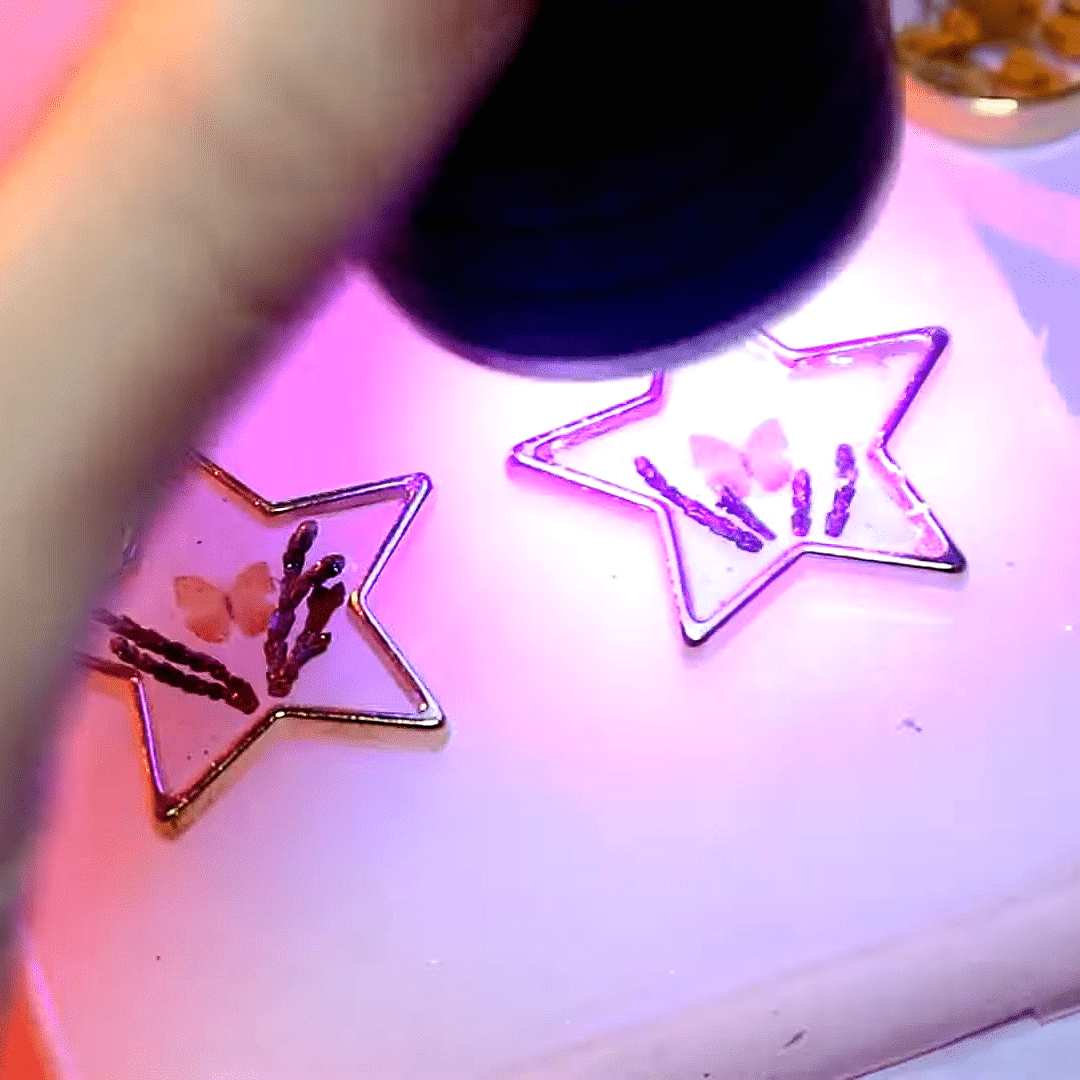
- UV Resin: When working with UV resin, a hard, clear finish should form within minutes of exposure to a suitable UV lamp. If areas remain tacky or soft, expose them to the light for a bit longer.
- Epoxy Resin: Epoxy resin, such as “ICreation” or “Icrystal”, requires a waiting period ranging from several hours to a full day. Test after the recommended demould time, then allow additional curing as specified in the instructions.
- Surface Feel: Always avoid touching with bare hands. Instead, use a clean tool to check hardening and gloss before demoulding your piece.
When Accurate Curing Checks Matter Most
Ensuring your resin is fully cured before unmoulding or sanding prevents fingerprints, surface marks, or unwanted dents. This is especially important for jewellery, decorative crafts, and coatings where a flawless finish is key.

Related products
Related guides
By reliably checking your resin’s cure, you safeguard your creative effort and achieve the clear, high-gloss finish that sets resin art apart. For more ways to perfect your process, visit our main guide: How can I check the curing of the resin?