 Free shipping on orders over £29,85
  Shipping Tracking!


 Google
 Facebook
How can I check the curing of the resin?
Accurately assess resin curing for flawless finishes every time
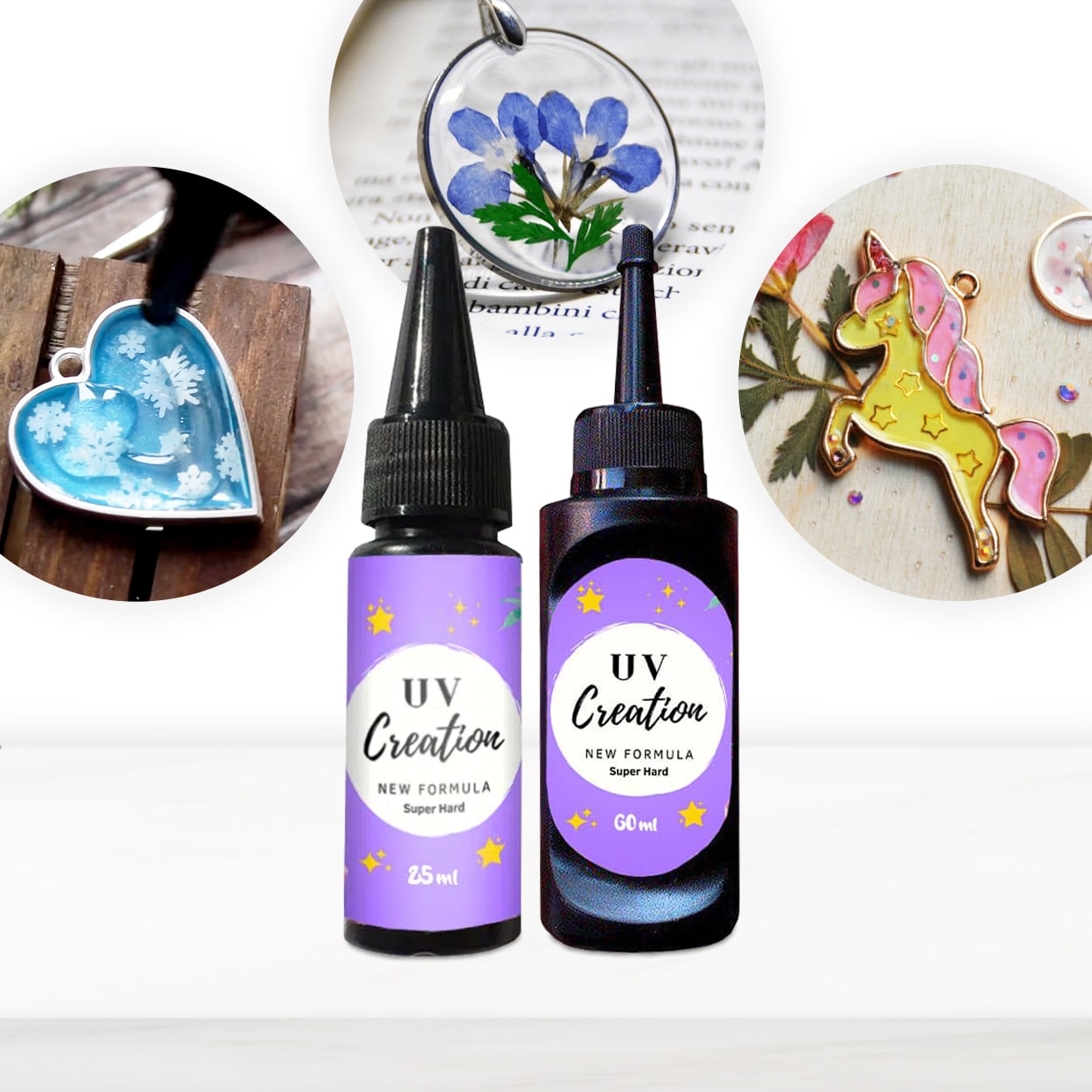
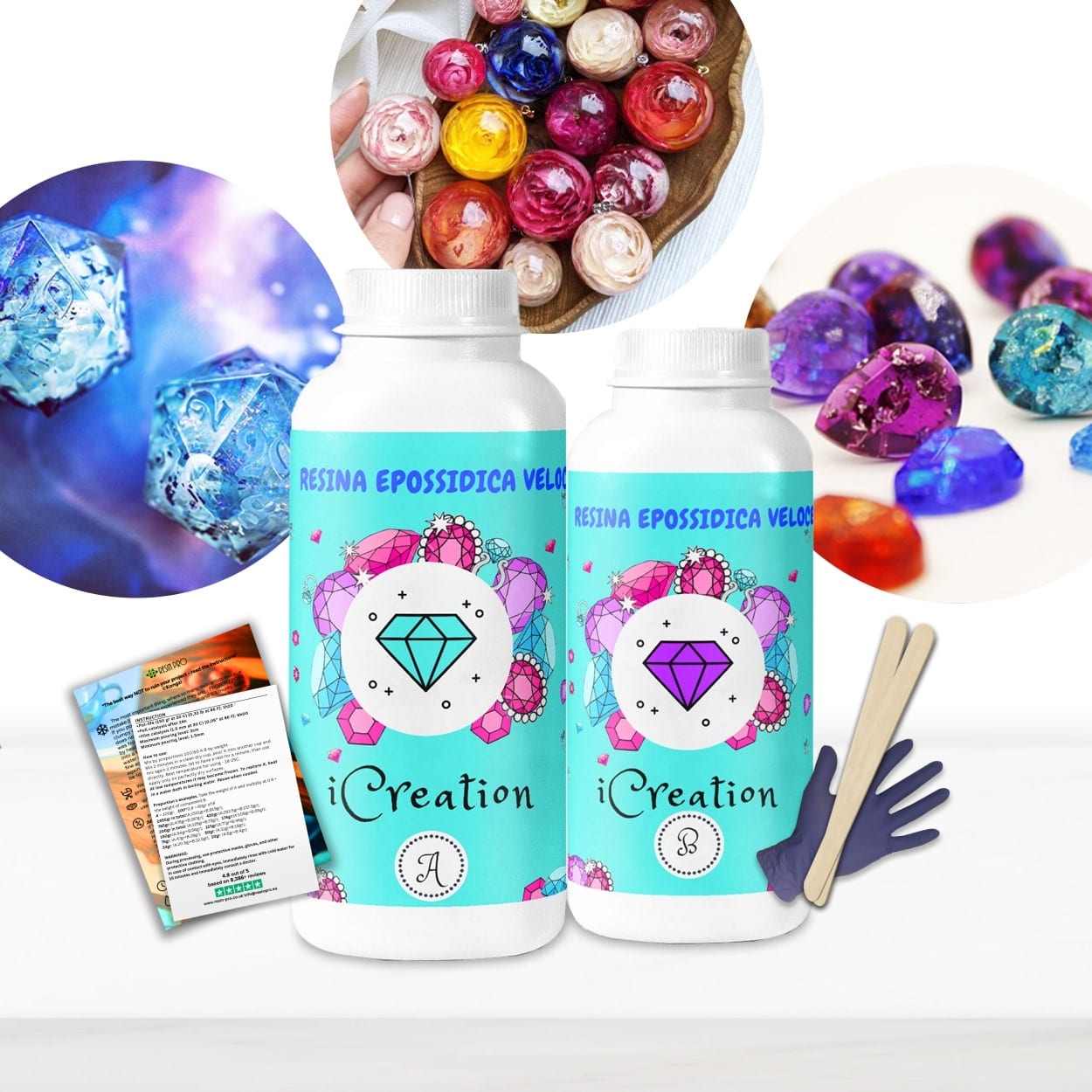
If you want flawless resin results in jewellery, art, or crafts, understanding how to accurately check the curing progress is crucial. By following a careful approach, you can prevent sticky surfaces, preserve details, and ensure strong, beautiful results—regardless of whether you use UV resin or epoxy.
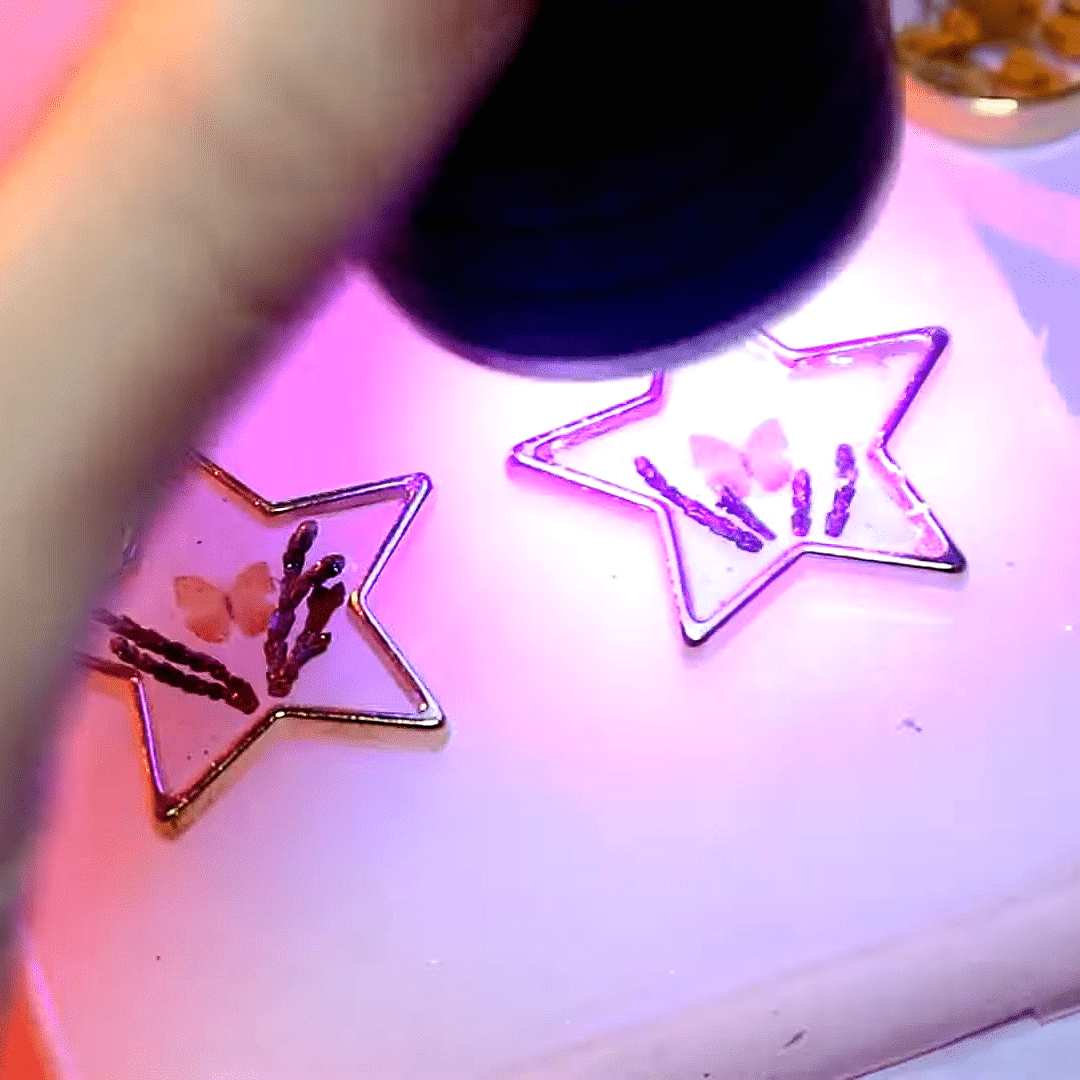
What You’ll Need
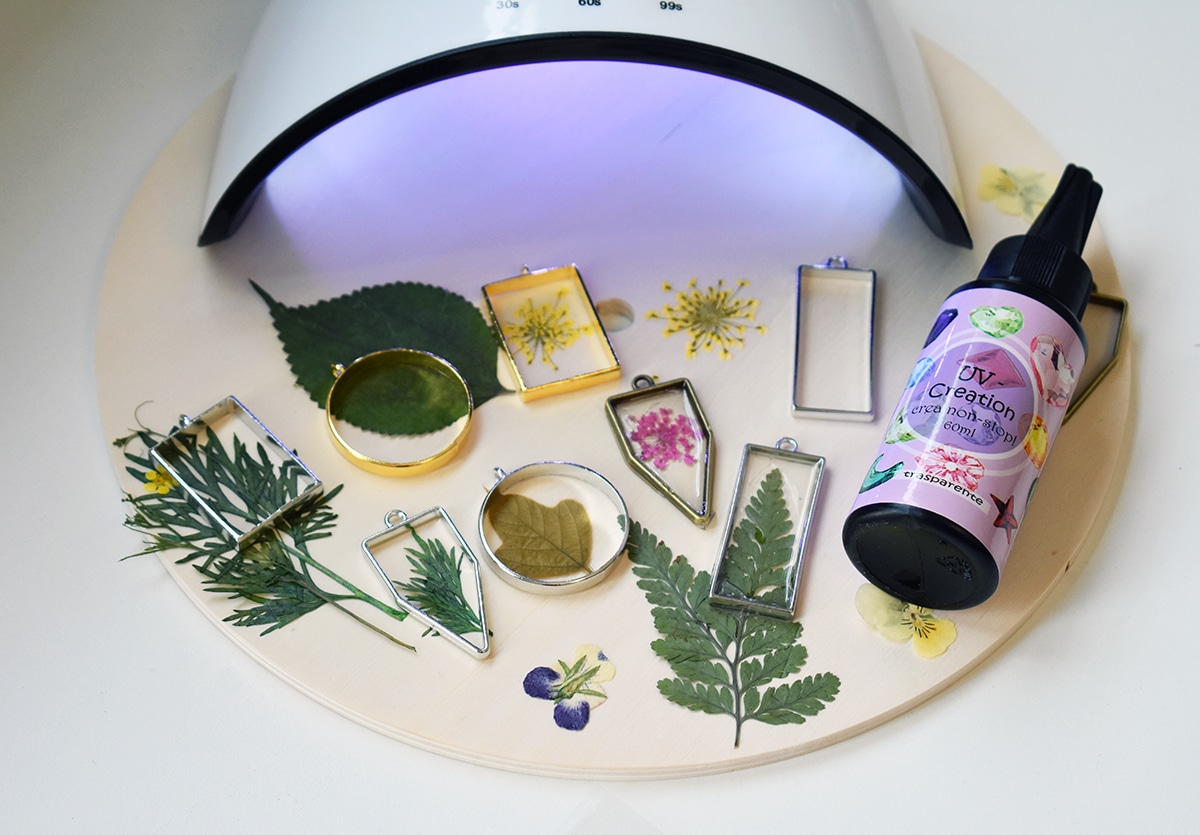
- “UV–Creation” – Fast Acrylic Resin, 3 Minute UV Cure: Fast UV resin ideal for quick curing checks in jewellery and crafts.
- “ICreation” – Fast Epoxy Resin, 6h Demoulding, Transparent Gloss Finish: Versatile for rapid-curing epoxy projects.
- “3D Finish” – Fast Coating Epoxy Resin for 3D Prints: Suitable for detail checks when finishing 3D models.
- “Icrystal” – Clear Epoxy Resin – Odourless Formula – Up to 1.5cm: Good for surface clarity assessment after curing.
- Nitrile gloves and protective gear for safe handling
- UV lamp (if working with UV resin)
- Cotton bud or cocktail stick for surface testing
- Tissue or kitchen towel for tackiness checks
Visual and Surface Inspection Techniques
Regularly check small, inconspicuous areas to ensure the curing process progresses as expected. Observe the resin’s clarity and tactile feel—tackiness suggests it needs more time or further UV exposure, while a perfectly shiny and solid finish signals complete curing. Always use clean tools and avoid dust to keep your results flawless.
Step 1: Understand the Curing Times and Environment
Before you begin, always check the recommended curing times for the specific resin you are using. UV-cured resins typically harden within minutes under UV lamps, while fast-setting epoxies may take several hours for demoulding and up to a full day to cure completely. Temperature and humidity play a significant role—warmer environments generally speed up curing, but too much moisture can cause surface issues.
Ensure a dust-free environment to prevent blemishes on the soft resin surface as it cures. Avoid opening windows or working in breezy areas where particles might settle on your project.


Step 2: Perform a Surface Tackiness Test
The most common first check is the surface tack test. Gently tap a clean cocktail stick or a gloved finger onto a non-prominent area of the resin—never in the centre of your artwork. If your finger or stick comes away clean and the resin feels firm, it is well-progressed in its cure. Slight stickiness means it needs more time or further UV exposure for UV resins.
When working with “UV–Creation” – Fast Acrylic Resin, 3 Minute UV Cure, a brief additional exposure to the UV lamp is often enough to finish curing a tacky patch.
Avoid disturbing the resin before its minimum cure time, as premature testing can leave marks or slow the hardening reaction.
Step 3: Check for Firmness and Flexibility
Once the surface no longer feels tacky, carefully press a cotton bud or fingernail against a hidden corner of the piece. For coatings like “3D Finish” – Fast Coating Epoxy Resin for 3D Prints, check edges that are less visible. Your resin should feel solid, not rubbery; if it flexes significantly or dents, allow extra time for the chemical reaction to complete.
Test only a discreet corner or an edge—this keeps your main viewing surface pristine for finishing and presentation.


Step 4: Assess Clarity and Gloss
Once your resin passes the firmness test, visually inspect its clarity and gloss. Epoxies such as “ICreation” – Fast Epoxy Resin and “Icrystal” – Clear Epoxy Resin should appear crystal clear and glassy. Slight cloudiness or a matte finish often indicate incomplete cross-linking or trapped moisture—let it stand for several more hours and check again before demoulding or sanding.
Fully cured resin should be completely tack-free with a glossy, even surface. This is the visual cue that your resin is ready for use or further processing.
Tips, Common Mistakes, and Troubleshooting
Be patient and refer to manufacturer guidelines for each resin. Rushing the process or applying excessive heat can risk bubbles, soft spots, or discolouration—especially on thicker pours. If a project remains tacky after the recommended time, expose UV resin to the lamp again or move epoxy to a warmer location.
If you are in doubt whether your piece is truly cured, wait at least an additional hour before handling. For deep castings, consider checking central thickness with a wooden toothpick after the stated demould time, but never force the piece out of its mould early.
Remember: Perfect resin work always prioritises patience and accuracy over speed. These checks will help you gain confidence in resin curing and create seam-free, high-gloss results across all your creative projects.

Recognising When Resin is Fully Cured
Use light reflection to judge surface quality: cured resin will beam with a uniform gloss. If any area appears cloudy or soft, extend your cure time. A fully cured piece will withstand gentle pressure, preserve details, and be immediately ready for demoulding or sanding.

- "UV–Creation" – Fast Acrylic Resin, 3 Minute UV CurePrice range: £8.45 through £62.95UV–Creation Fast Acrylic Resin cures in 3 minutes under UV light for jewellery making and crafting with a clear, non-yellowing finish.
- "ICreation" – Fast Epoxy Resin, 6h Demoulding, Transparent Gloss FinishPrice range: £15.95 through £55.95ICreation fast epoxy resin offers a clear, glossy finish with fast demoulding and curing times suitable for jewellery and craft projects.
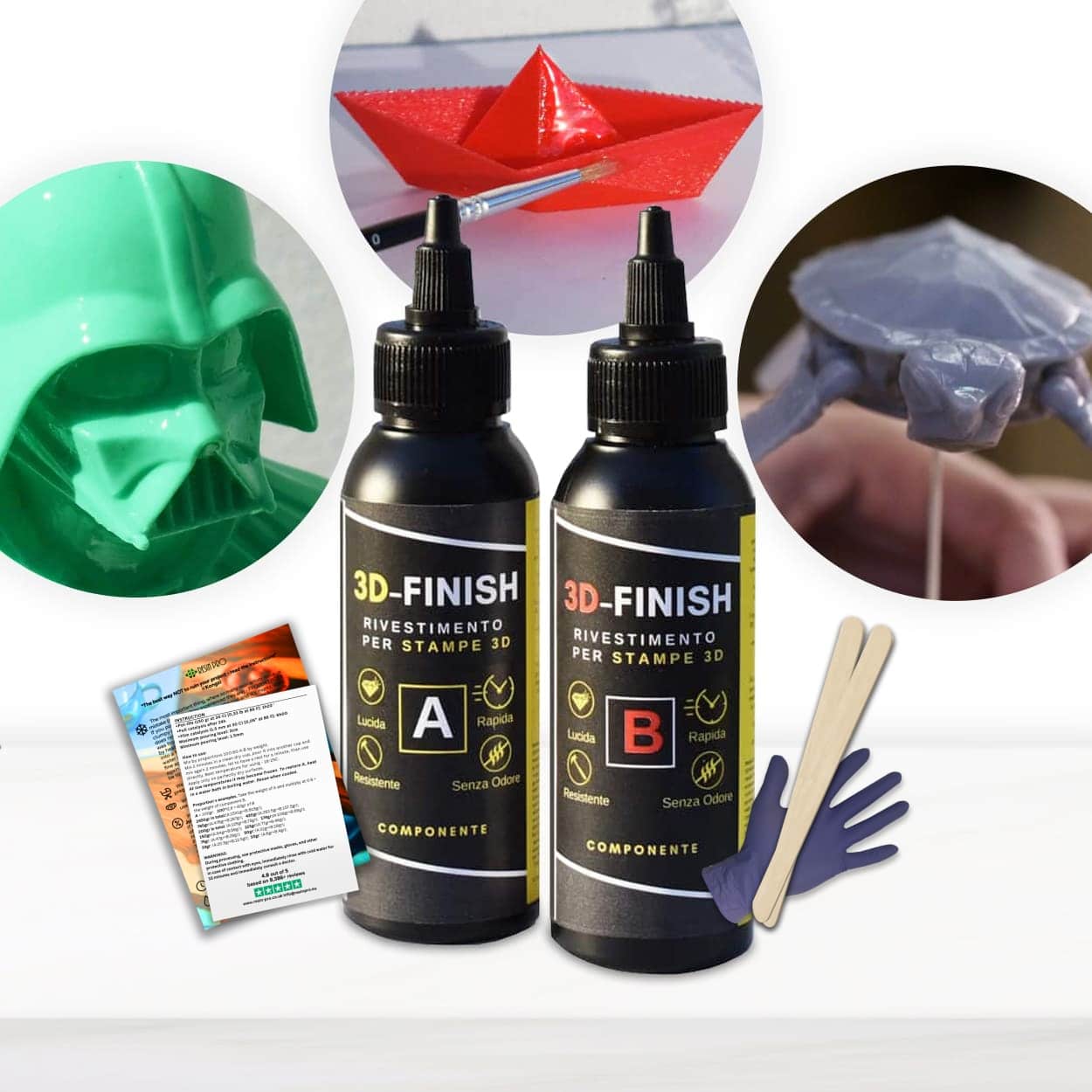 "3D Finish" – Fast Coating Epoxy Resin for 3D PrintsPrice range: £13.95 through £19.95"3D Finish" provides a fast-curing, non-drip coating that preserves detail and is suitable for finishing 3D prints in everyday use.
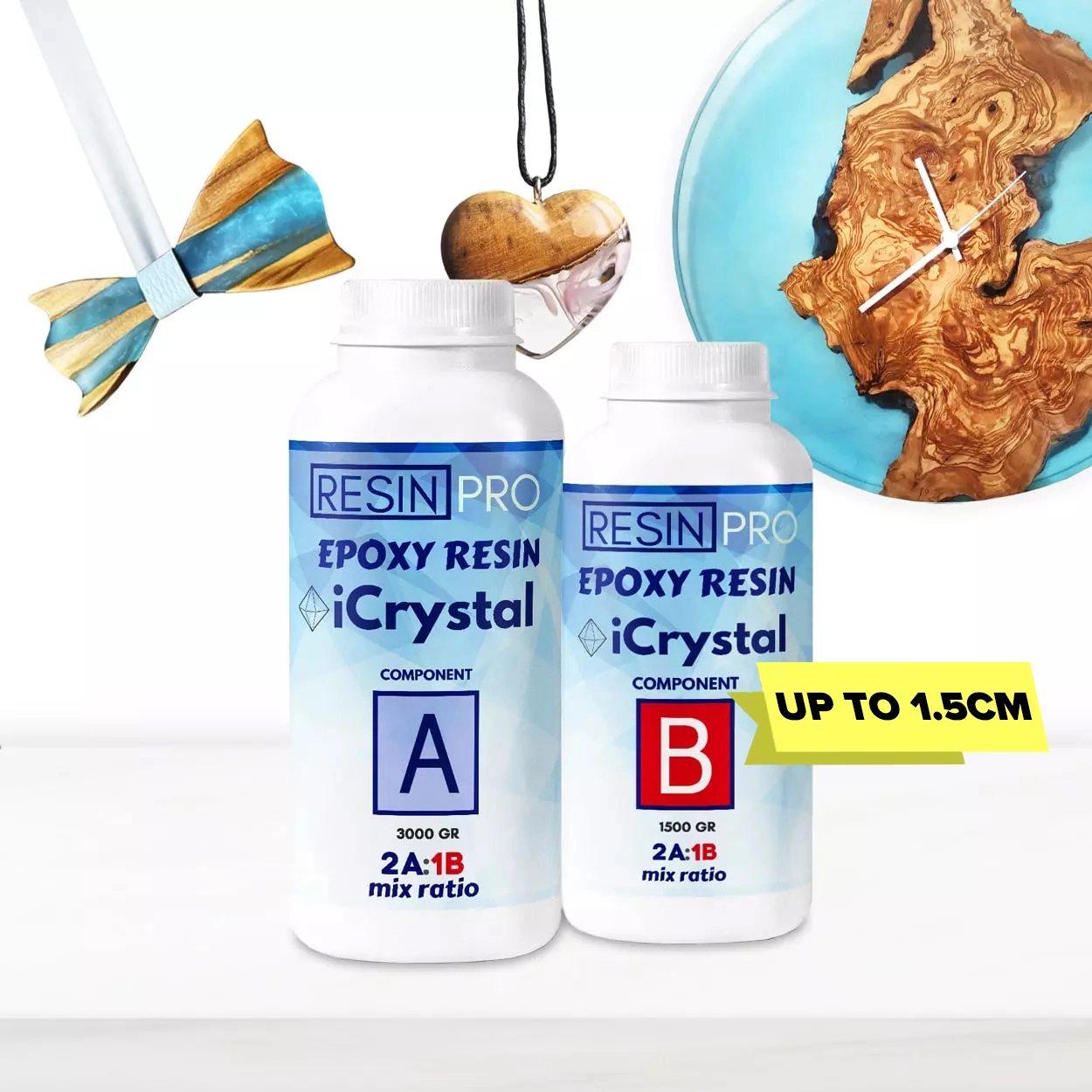 "Icrystal" – Clear Epoxy Resin – Odourless Formula – Up to 1.5cmPrice range: £12.45 through £341.45"Icrystal" is a clear epoxy resin notable for its odourless formula and ease of use, suitable for crafting and surface finishes.
Frequently Asked Questions
How do I know if my resin is properly cured?
Fully cured resin feels hard, is not tacky to the touch, and has a glossy, clear surface. Always check discreetly before handling.
What is the best way to check UV resin curing?
After the initial lamp exposure, lightly press a clean tool on an edge. If it detaches cleanly and the resin is solid, curing is complete.
What should I do if my resin is still tacky?
Give it more time or, with UV resin, provide an additional exposure. Cooler or damp rooms may slow curing, so adjust conditions as needed.
Is cloudy resin a sign of incomplete curing?
Cloudiness may indicate incomplete curing or trapped moisture. Allow further curing and check again before final use.
How soon can I safely demould my resin projects?
Follow the product's guideline; usually, minimum demould times are 3-6 hours for UV/fast epoxies and 10-12 hours for standard epoxies.
What is the difference between touch-dry and fully cured resin?
Touch-dry means the surface feels firm, but the resin may not be solid throughout. Fully cured resin is hard, clear, and durable all the way through.