 Free shipping on orders over £29,85
  Shipping Tracking!


 Google
 Facebook
How do you resin marble?
Step-by-step guide to achieving a durable resin marble effect
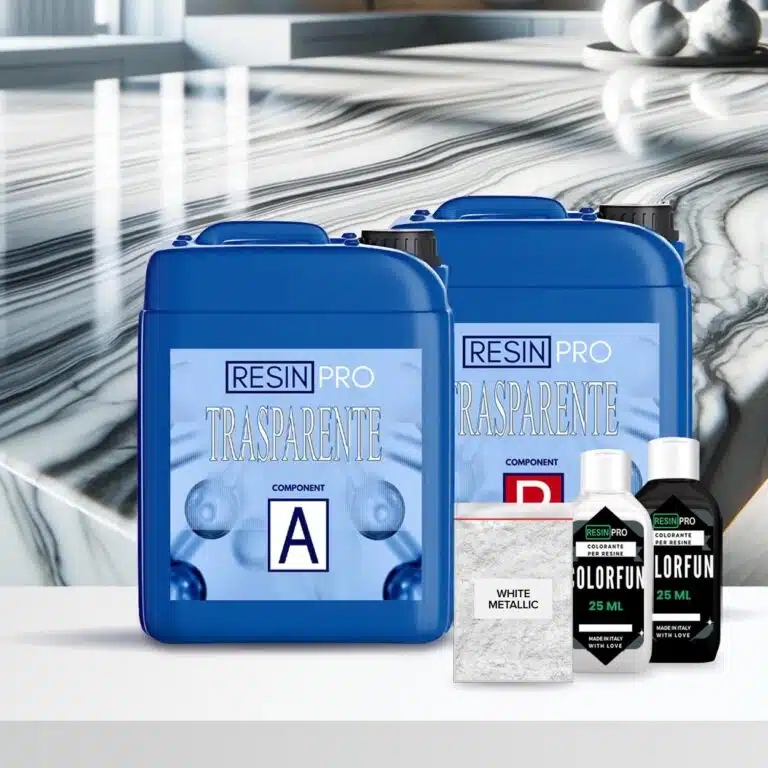
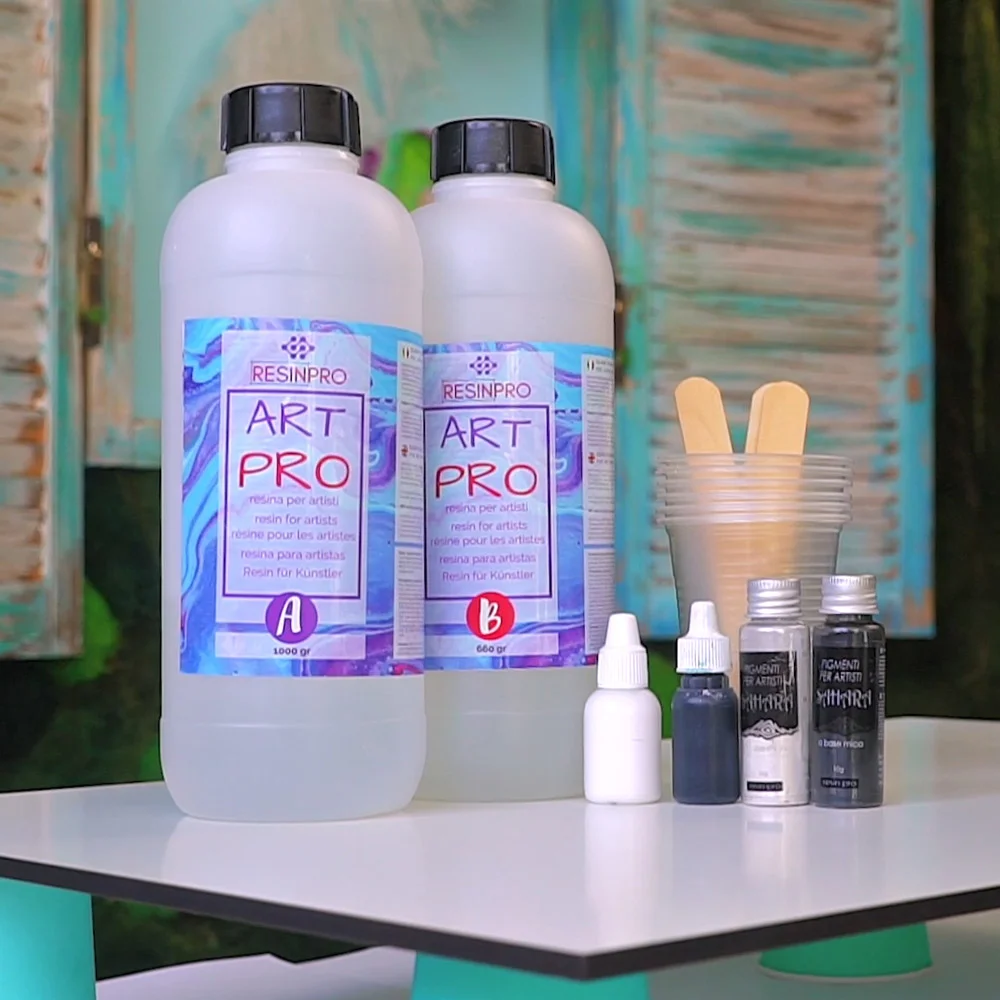
Give your marble a contemporary refresh with a gleaming, protective epoxy resin coat. Whether you’re updating kitchen worktops or enhancing decorative marble, this guide walks you through every stage of achieving a stunning, durable resin finish. No prior experience is required—just careful preparation and the right materials.
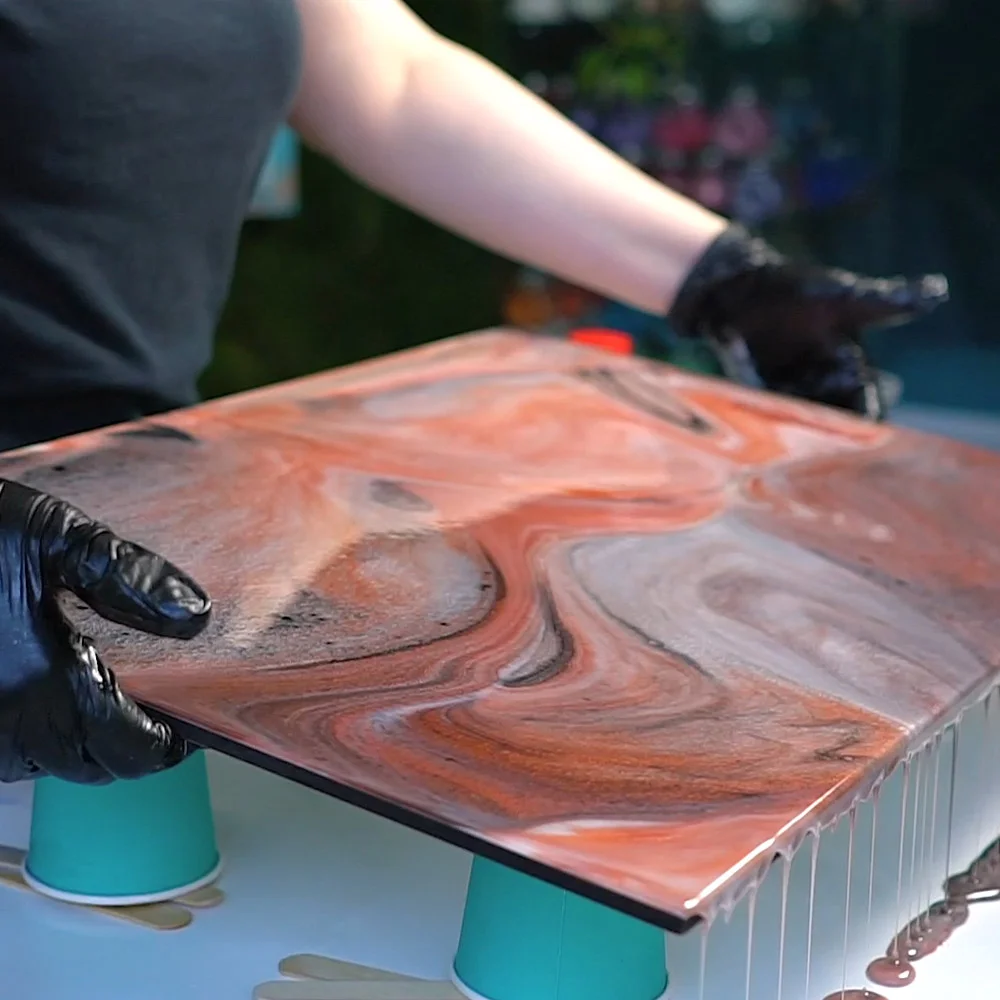
What You’ll Need
- “Stone Effect Collection” – Marble Epoxy Resin Countertop Kit – Complete kit for creating professional marble effects on worktops
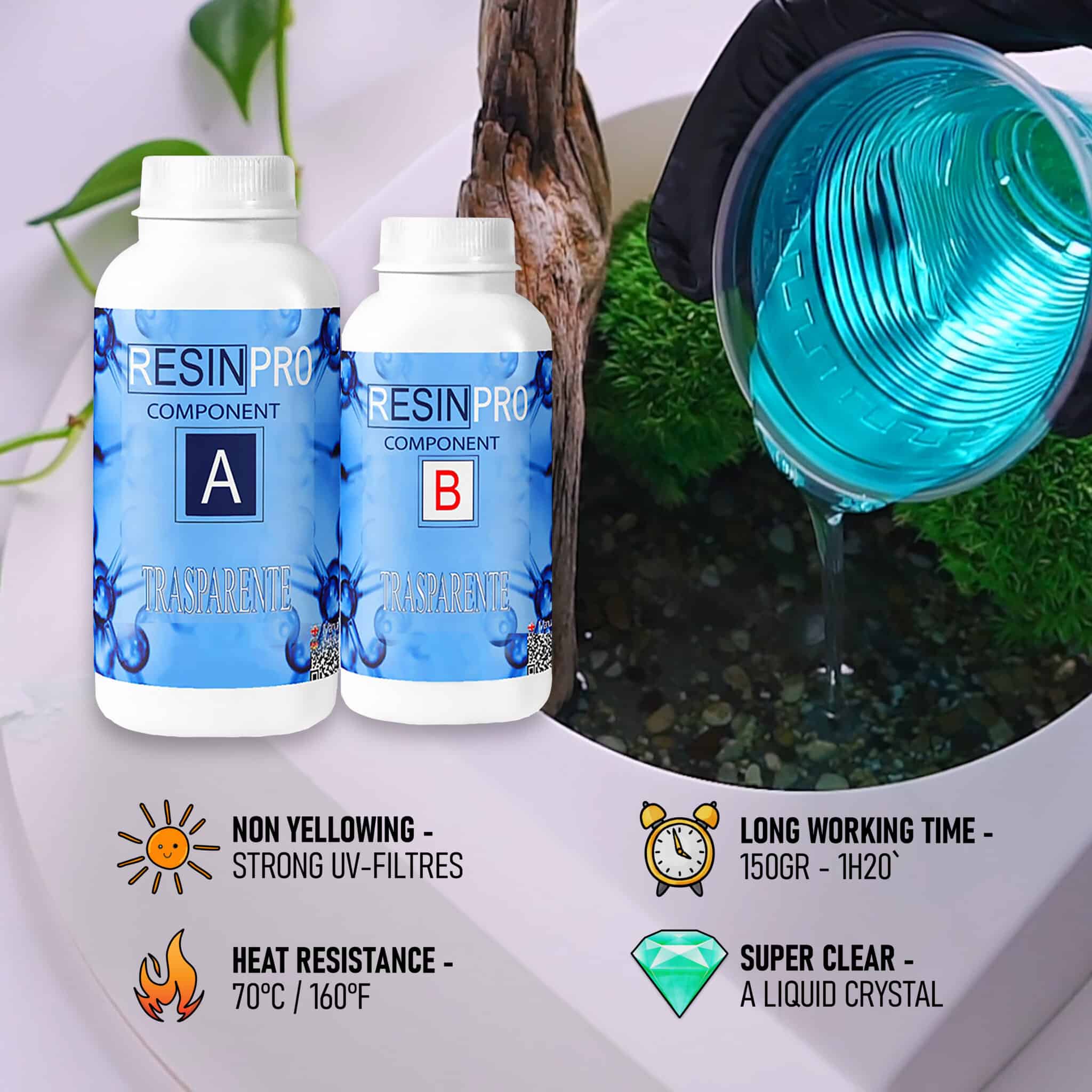
- “Trasparente” – Multipurpose Clear Epoxy Resin for Casting – Up to 2cm – For ultra-clear protective coating or detailed cast accents
- “Trasparente” Epoxy Resin Kit 800g + Mica Powder 10g – 10 Colour Variations – Add pearlescent or coloured effects
- “Renaissance” – Set of Dyes, 4 Colour Palettes – Achieve striking marble veins and depth
- Protective gloves, safety glasses, and dust mask
- Mixing containers, spatula/stir sticks, masking tape
- Lint-free cloths, isopropyl alcohol, fine sandpaper (600 grit or above)
- Level surface and dust-free workspace

Inspiration: Beautiful Resin Marble Surfaces
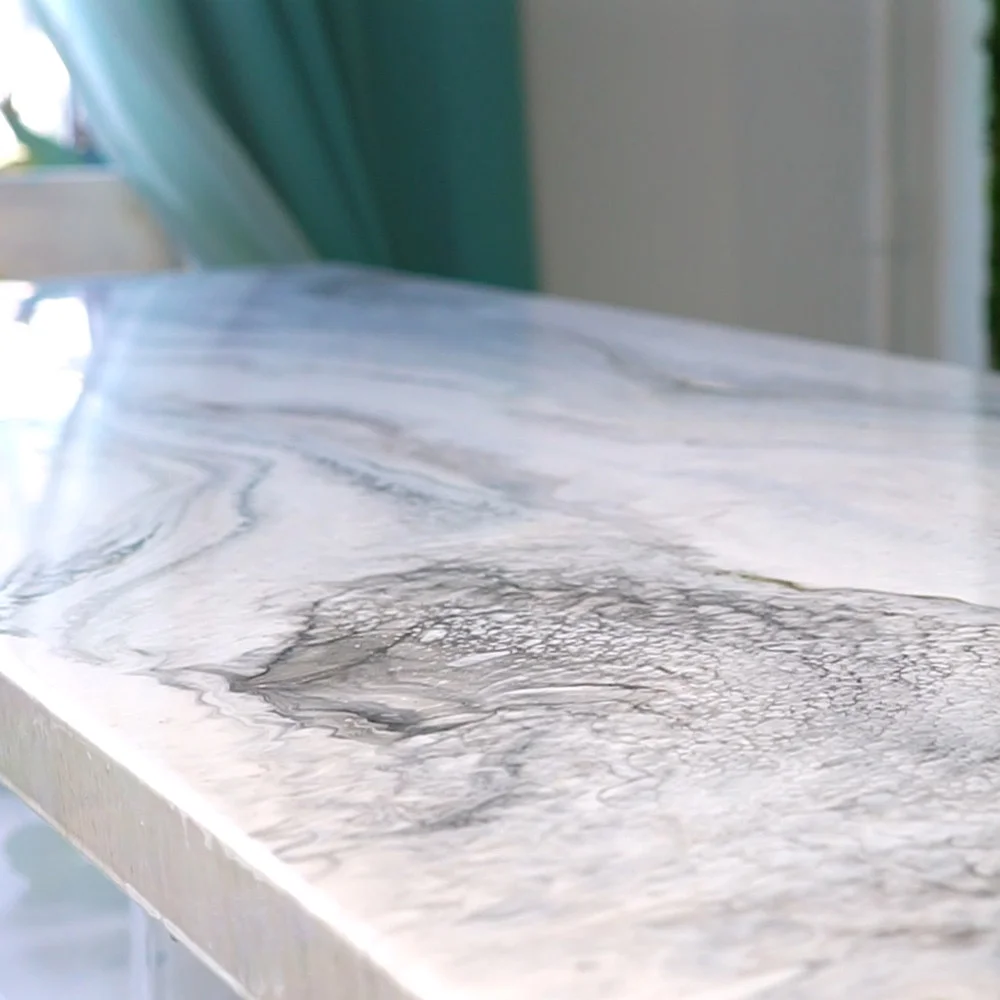
See the transformation: Sleek, high-gloss resin overlays create striking veining and colour transitions on once-dull marble. Whether restoring a classic worktop or crafting an artistic centrepiece, resin lets you customise marble to perfectly match your décor. Explore modern, traditional, or bold finishes.
Step 1: Prepare the Marble Surface Thoroughly
Cleanliness is crucial: Start with a spotless surface—remove all dirt, grease, or wax with a marble-safe cleaner. Use isopropyl alcohol on a lint-free cloth as a final wipe to eliminate any residue. If the marble is polished, lightly scuff the surface with fine sandpaper to help resin grip, then vacuum and wipe again. Let the surface dry completely before proceeding. Chips or cracks should be filled and fully cured prior to resin application.
Mask and protect adjoining areas—use masking tape to shield sinks, nearby tiles and cabinetry from drips. Place polythene or drop cloths to cover floors and the workspace.

Step 2: Mix and Colour Your Epoxy Resin
Wearing gloves and working in a dust-free environment, carefully measure and combine your chosen resin and hardener in the mixing ratio specified on the packaging. Always measure resin and hardener accurately to avoid a tacky, under-cured result. Mix slowly for at least 3–5 minutes, scraping the container sides to ensure a fully blended compound.
If you want to create marble veining or add depth, now is the time to introduce colour. The “Renaissance” – Set of Dyes, 4 Colour Palettes is perfect for tinting small resin batches for artistic veins or colour transitions. Use only a few drops—test colours on a sample before applying to your main piece.
Step 3: Apply the Resin Evenly
Pour the mixed resin onto the centre of the marble. Use even strokes when spreading resin with a spatula or notched trowel, guiding it gently toward the edges. For vertical edges or curved profiles, use a brush or small roller in thin, controlled layers.
If you are using the “Stone Effect Collection” – Marble Epoxy Resin Countertop Kit, follow the included instructions for creating natural stone effects—these often involve using isopropyl alcohol and layered dyes for realistic veins.
Popping air bubbles is crucial. Quickly pass a heat gun or torch (held 20–30 cm above) over the wet resin surface. Avoid holding in place to prevent surface scorching.


Step 4: Allow to Cure and Protect the Finish
Don’t rush: Allow for full curing time as recommended by your chosen resin manufacturer. Keep the coated marble free from dust or insects—an upside-down box supported above the surface can help.
After the indicated curing time (often 24–72 hours), inspect for imperfections. If needed, lightly sand surface blemishes with fine abrasive and apply a second ultra-thin resin layer. Once completely hard, carefully remove masking tape and clean up.
Tips and Troubleshooting for Resin Marble Effects
Test your dyes on a sample piece first to preview colour intensity and interaction. Work at a stable, moderate temperature to prevent rapid curing or bubble formation. Avoid pouring resin in layers thicker than recommended—this prevents overheating and cloudiness.
If your surface develops dust inclusions or missed sections, wait until full cure before gently sanding and recoating. For maintenance, clean only with a soft damp cloth—never abrasive sponges or harsh chemicals.
Project Gallery: Real-World Resin Marble Results
Creative resin marble projects: Home DIYers, artists, and professionals have elevated their interiors by adding rich depth and resilience to marble surfaces. Experiment with different dye palettes and layering techniques to achieve the bespoke effect you desire.
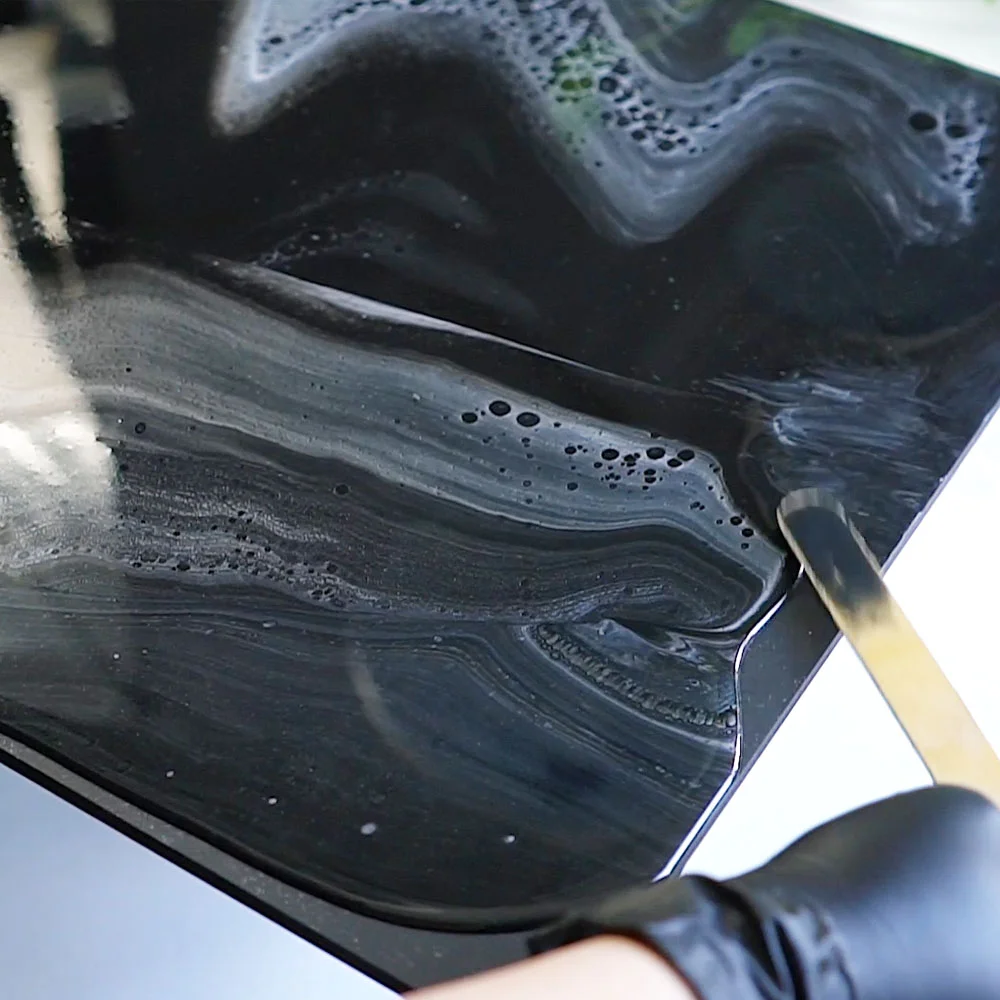
- "Stone Effect Collection" – Marble Epoxy Resin Countertop KitPrice range: £57.95 through £272.95The Stone Effect Collection offers a designer epoxy resin kit suitable for creating durable marble and stone effect countertops in kitchens and…
- "Trasparente" – Multipurpose Clear Epoxy Resin for Casting – Up to 2cmPrice range: £8.95 through £397.95"Trasparente" is a clear casting epoxy resin suitable for detailed castings and tables up to 2cm thick, used for woodworking, art, and restoration.
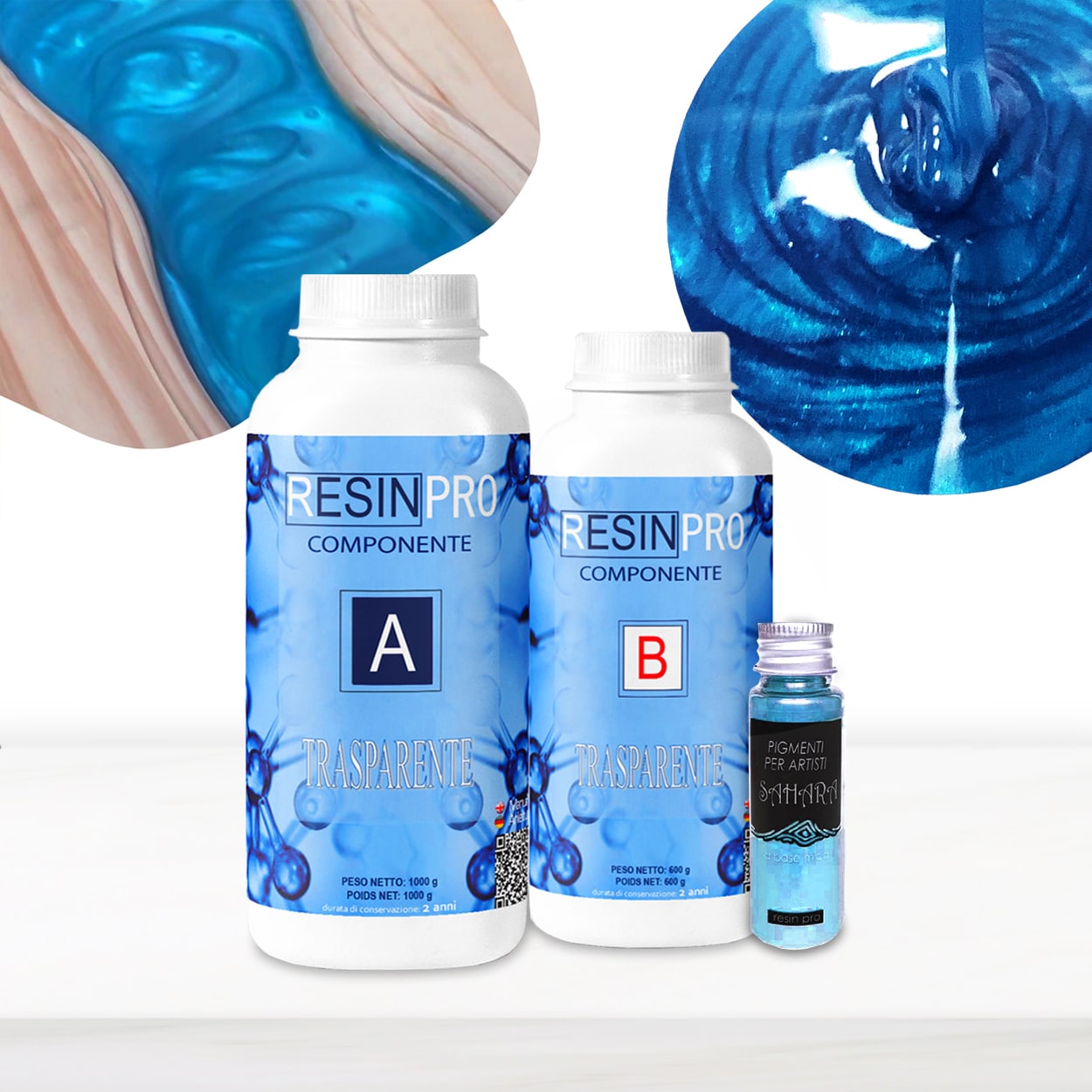 "Trasparente" Epoxy Resin Kit 800g + Mica Powder 10g – 10 Colour Variations£20.95"Trasparente" Epoxy Resin Kit offers an ultra-clear, high gloss finish suitable for castings and table making, matching the resin marble theme.
 "Renaissance" – Set of Dyes, 4 Colour Palettes£11.45Dye set designed for creating marble effects with epoxy resin projects using a few drops for translucent to opaque colours.
Frequently Asked Questions
Can you apply epoxy resin to marble worktops?
Yes, so long as the marble is clean, dry, and preferably lightly sanded to enhance adhesion. Always follow product instructions for best results.
How do you get marble veins with resin?
Tint small batches of resin with dye, then drizzle or feather them into a wet resin base layer. Use isopropyl alcohol for blending.
How long does marble resin take to cure?
Full cure usually requires 24–72 hours depending on resin type and room conditions. Always check your chosen product’s specifications.
Can I use any epoxy resin on marble?
Not all resins are suitable. Use formulations made for surfaces and avoid those meant solely for art or very deep casting.
Why did my marble resin coat turn cloudy?
Most often, cloudiness results from trapped moisture, overpouring, or incomplete mixing. Ensure surfaces are dry and resin is thoroughly combined.
What's the best way to clean resin-coated marble?
Use a lightly damp soft cloth and avoid abrasives or harsh chemicals. Always wipe spills promptly to maintain shine.