 Free shipping on orders over £29,85
  Shipping Tracking!


 Google
 Facebook
← Back to How to colour marble resin?
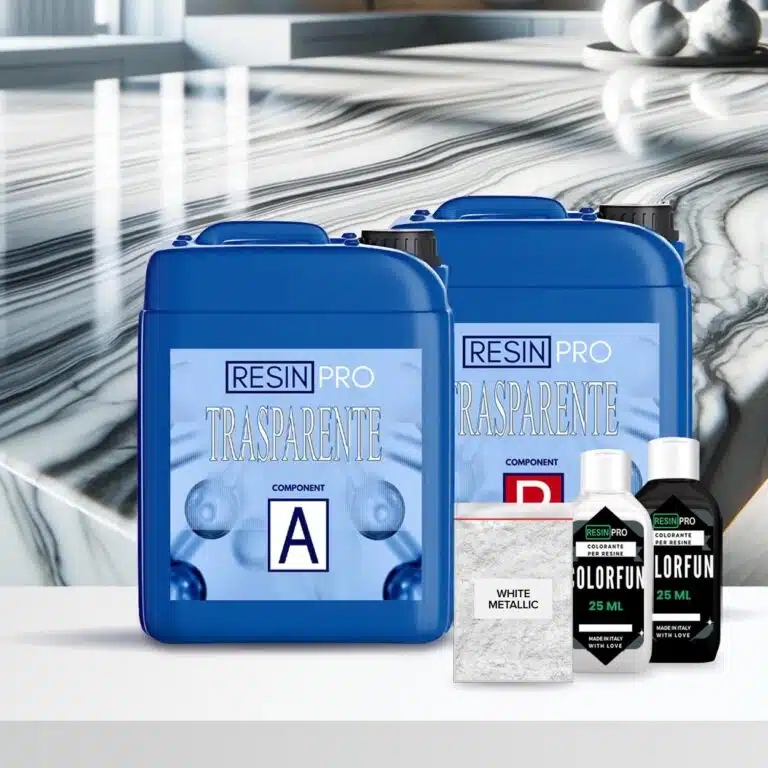
Capturing the flowing, natural lines of marble in resin is key to beautiful resin countertops, artboards, and décor. Achieving authentic veining takes a little know-how, the right tools, and practice—but it’s absolutely within reach for crafters and DIYers alike.
Veining Techniques for Marble Effects
For true-to-life marble veining, begin with a base pour of your main resin colour. Then, mix up a contrasting colour—or even two—for the veins. Using a slender tool like a popsicle stick, create fine lines or gentle curves on the surface. Right afterwards, lightly spritz with isopropyl alcohol to feather the lines, softening sharp edges and encouraging organic blending. The alcohol helps mimic the diffused look seen in natural stone.
If you’re just starting out, an all-in-one kit such as the Stone Effect Collection offers both the essential dyes and the isopropyl alcohol needed for these effects, so you don’t have to source everything separately.
Choosing Colours and Products
Selecting the right pigments is crucial—soft whites with dark greys or muted blues are classic marble choices, but you can experiment for bespoke looks. Go for high-quality resin colourants that blend properly and allow for both translucent and opaque results. The Renaissance set of dyes is tailored for marble resin effects, providing four curated shades that easily mix to suit your desired pattern. For even more versatility and strong colour coverage, consider the Colourfun liquid colourant for customising intensity and translucency.
- Stick to recommended pigment ratios—usually 1% for subtle translucency and up to 5% for solid coverage.
- Avoid overloading your resin with dye, as this might affect clarity and curing.
- Test colour combinations in small batches first.
When This Approach Matters
Lifelike veining brings character to kitchen worktops, coffee tables, and decorative wall panels. It’s especially important for projects aiming for a luxurious stone finish without the weight or cost of real marble. These hands-on veining techniques are also ideal for custom artboards and unique gifts, where attention to natural detailing sets your project apart.
Related products
Related guides
Lifelike marble veining in resin isn’t reserved for professionals—anyone can elevate their resin projects using the right pigments, techniques, and a bit of patience. For more methods, products, and creative ideas around colouring marble resin, see our complete guide on how to colour marble resin.