 Free shipping on orders over £29,85
  Shipping Tracking!


 Google
 Facebook
← Back to How to remove resin flooring?
If you’re tackling the task of removing old resin flooring, you might be wondering whether epoxy and polyurethane floors need different approaches. Understanding how they behave can save you time and effort, and ensure a smoother removal process.
Comparing Epoxy and Polyurethane Removal
Epoxy resin flooring tends to be more brittle, which often means it is prone to cracking and chipping as you remove it. Polyurethane, on the other hand, is generally tougher and more elastic, making it trickier to prise up cleanly. This difference in material properties affects which tools and techniques you’ll need for the job.
Choosing the Right Tools and Techniques
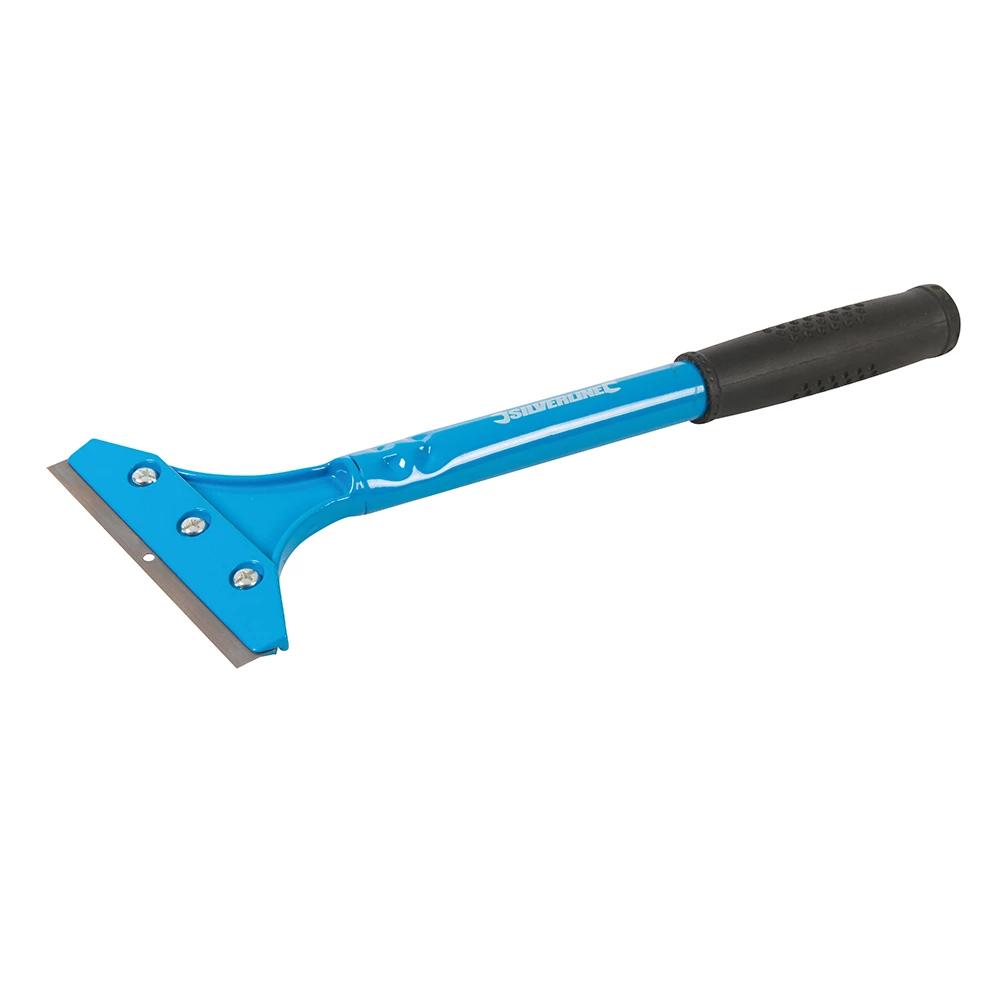
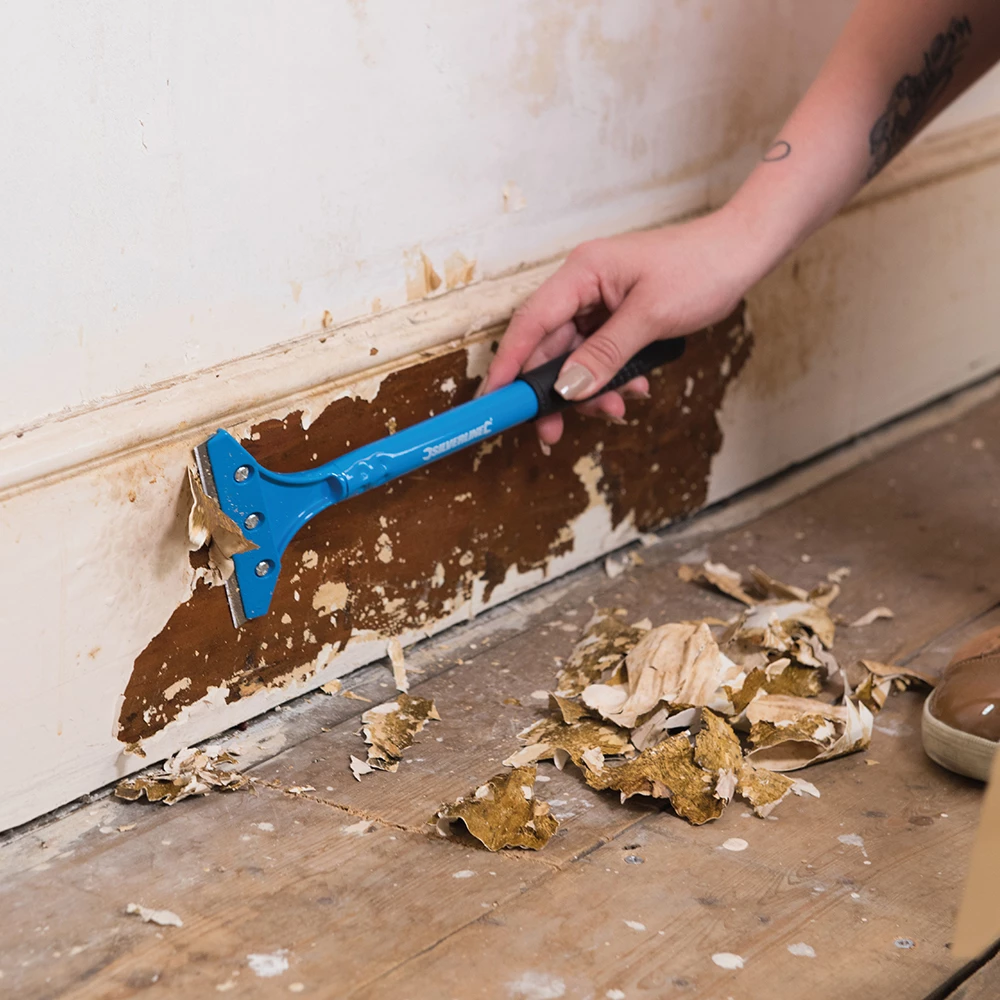
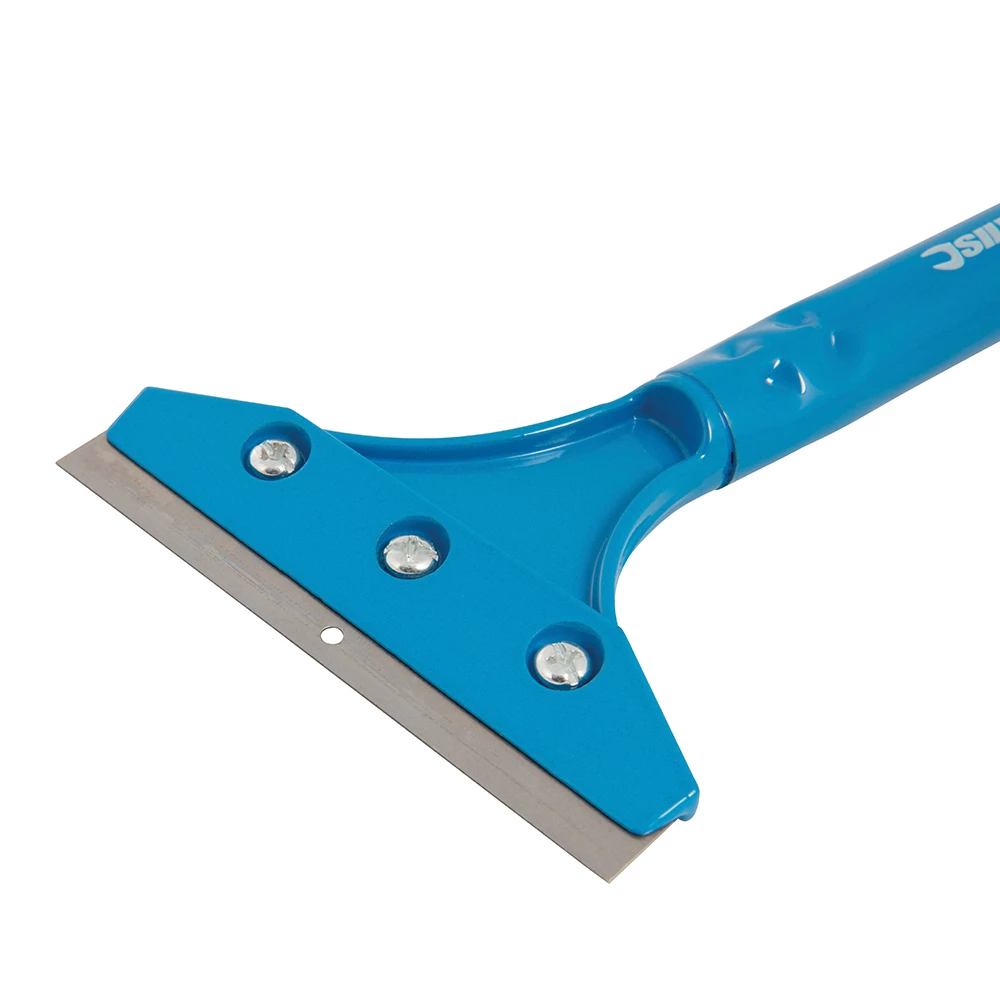
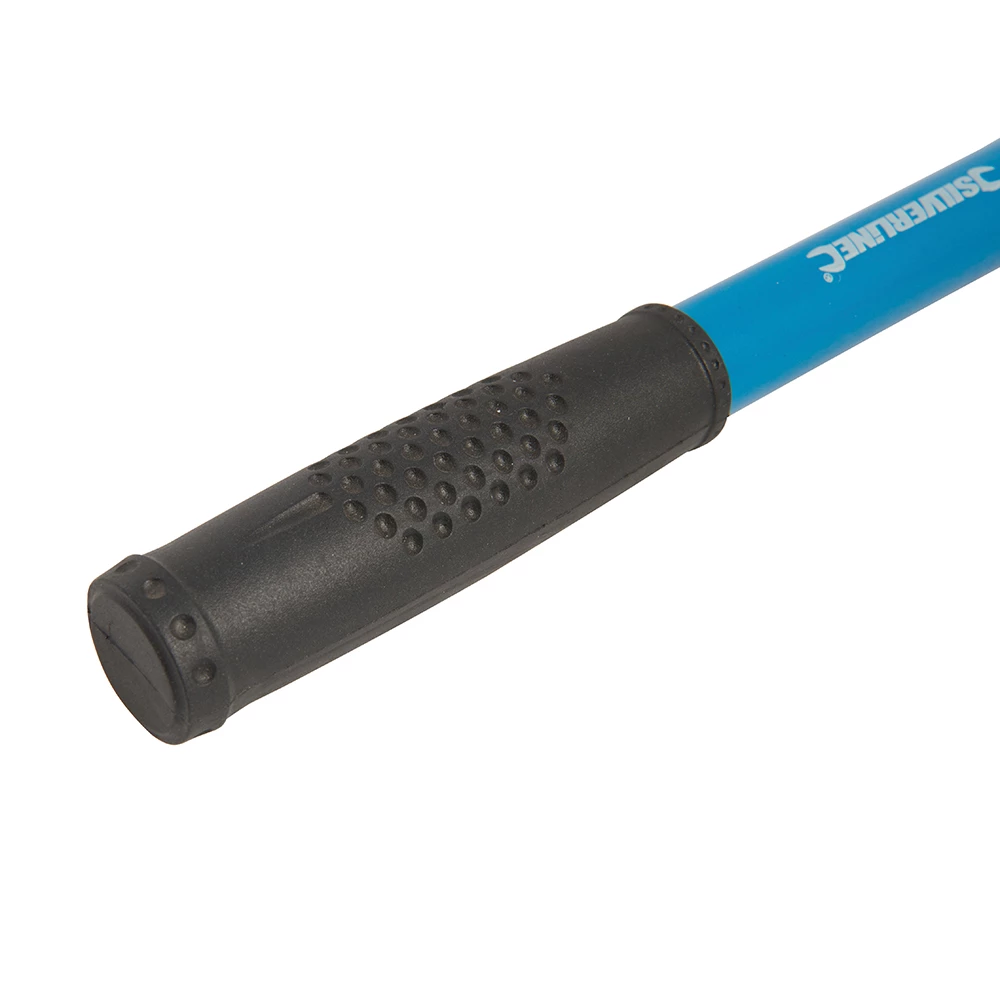
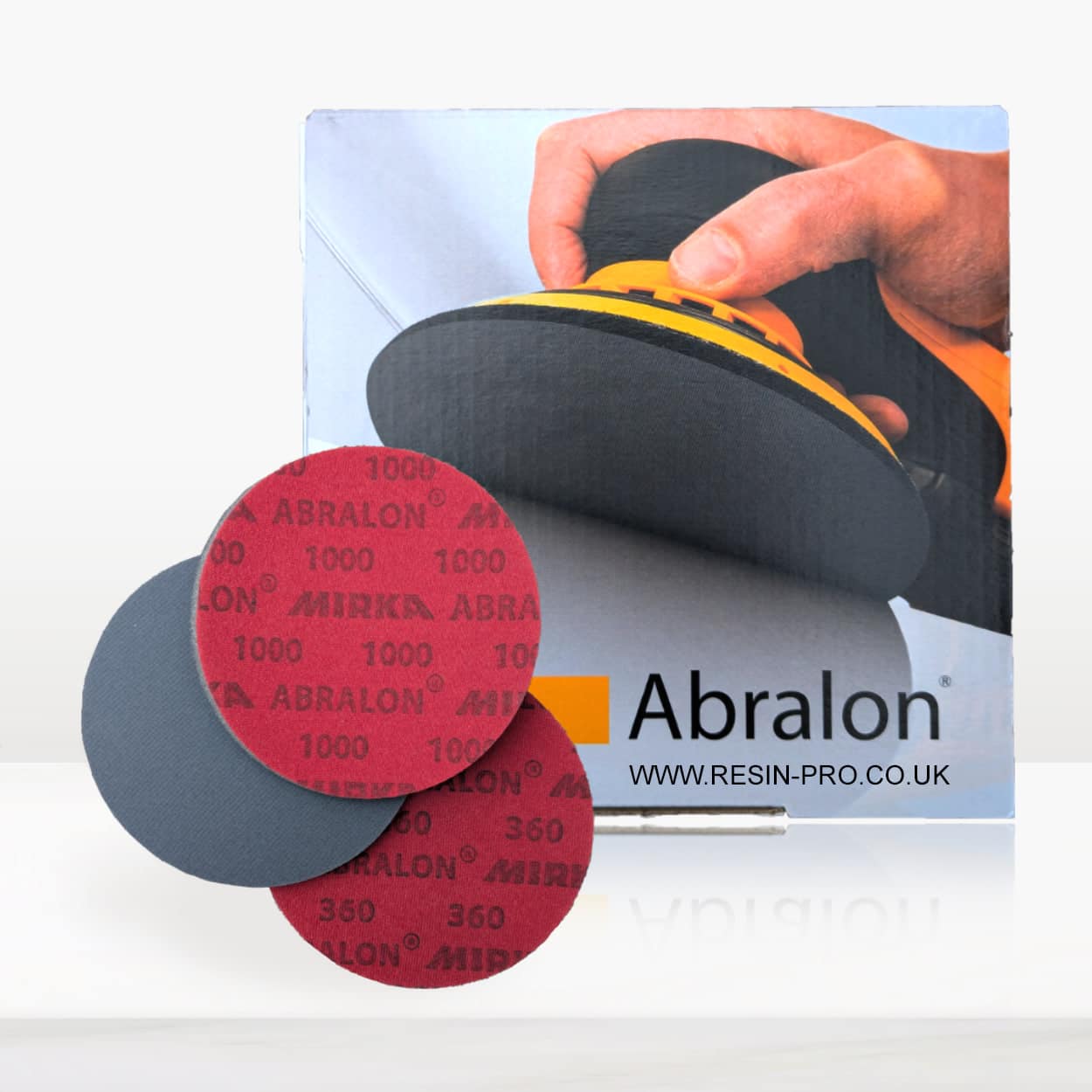
For most resin flooring removal, a reliable hand tool like the Heavy Duty Scraper for Paint and Epoxy Resin Removal will offer the control and leverage needed for both types of surface. Epoxy’s brittleness often allows you to break it up in manageable chunks, while polyurethane demands steady pressure and patience, as it resists cracking. For any residual patches or smoothing after scraping, consider using fine sanding pads such as “Ebonite Abralon” Sanding Pads for a clean finish.
When This Matters Most
It’s especially important to know these differences when preparing to lay new floors, or when working in spaces where a neat finish is required. Choosing suitable tools and understanding how the coatings react helps avoid damage to the underlying surface and reduces unnecessary labour.
Related products
Related guides
Knowing how epoxy and polyurethane floors respond to removal efforts will help you plan the job more efficiently. For more tips on resin flooring tasks, return to our guide on removing resin flooring.