 Free shipping on orders over £29,85
  Shipping Tracking!


 Google
 Facebook
← Back to How to remove resin flooring?
When it comes to removing resin flooring, it’s essential to protect the surrounding areas from potential scuffs, chips, or damage. A careful approach can keep other surfaces looking their best throughout the process.
Preparing and Covering Adjacent Surfaces
Before starting the removal, thoroughly cover skirting boards, walls, and door frames with durable plastic sheeting. Pay particular attention to corners where debris or dust can collect. Use masking or painter’s tape to secure the sheeting firmly, ensuring there are no gaps. This physical barrier prevents accidental scratches and keeps paintwork or woodwork safe while you work.
Recommended Tools and Their Role
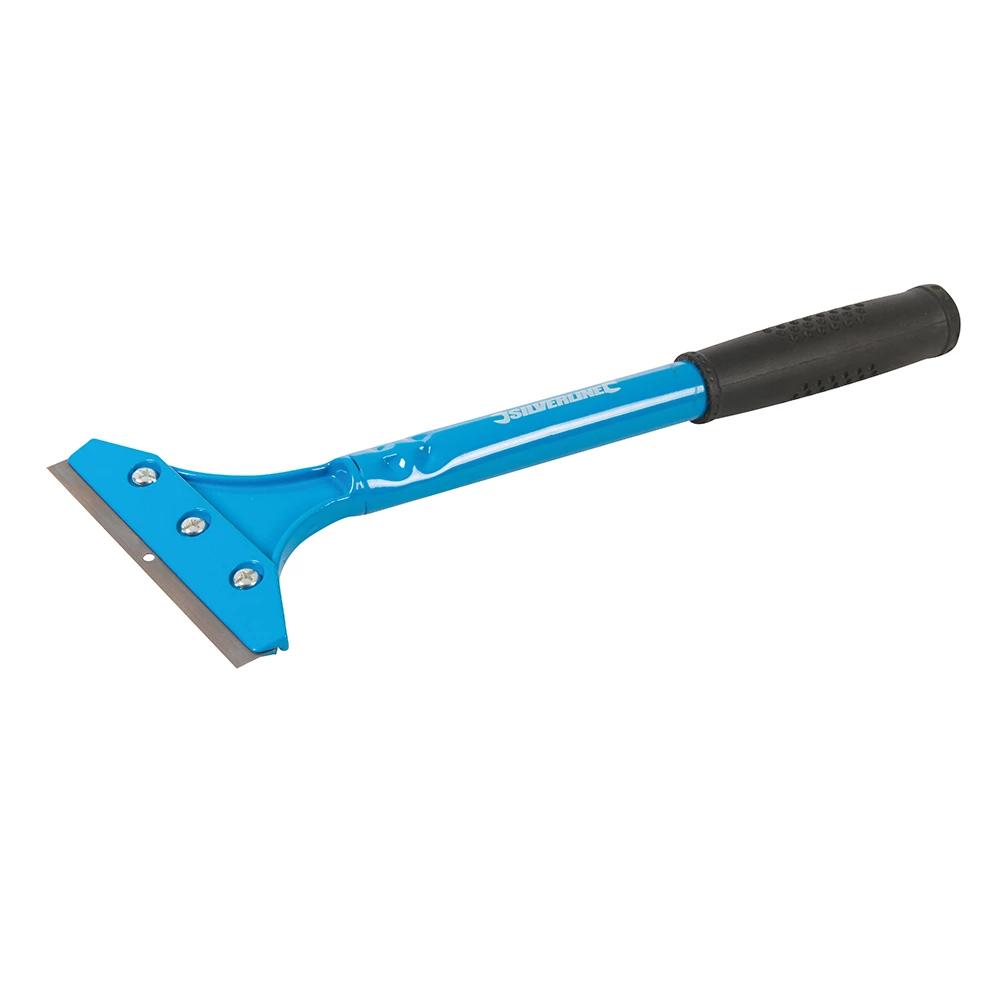
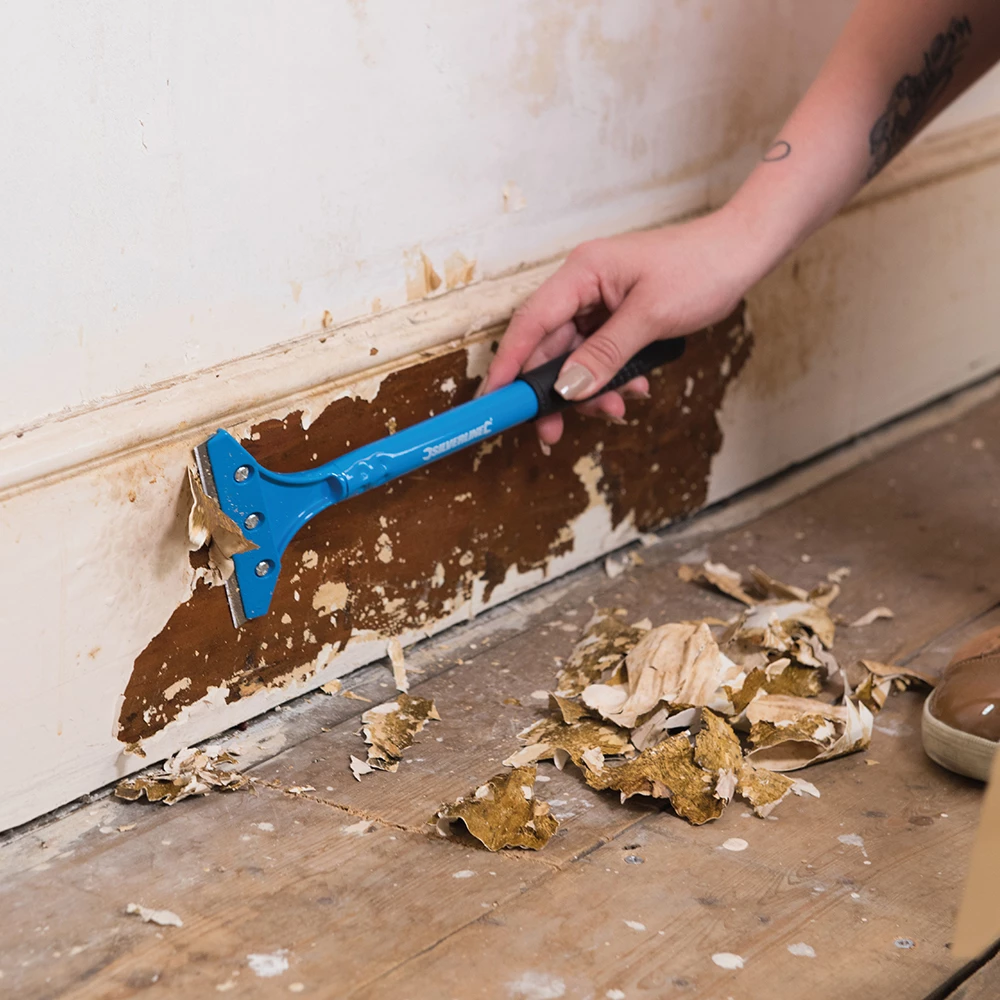
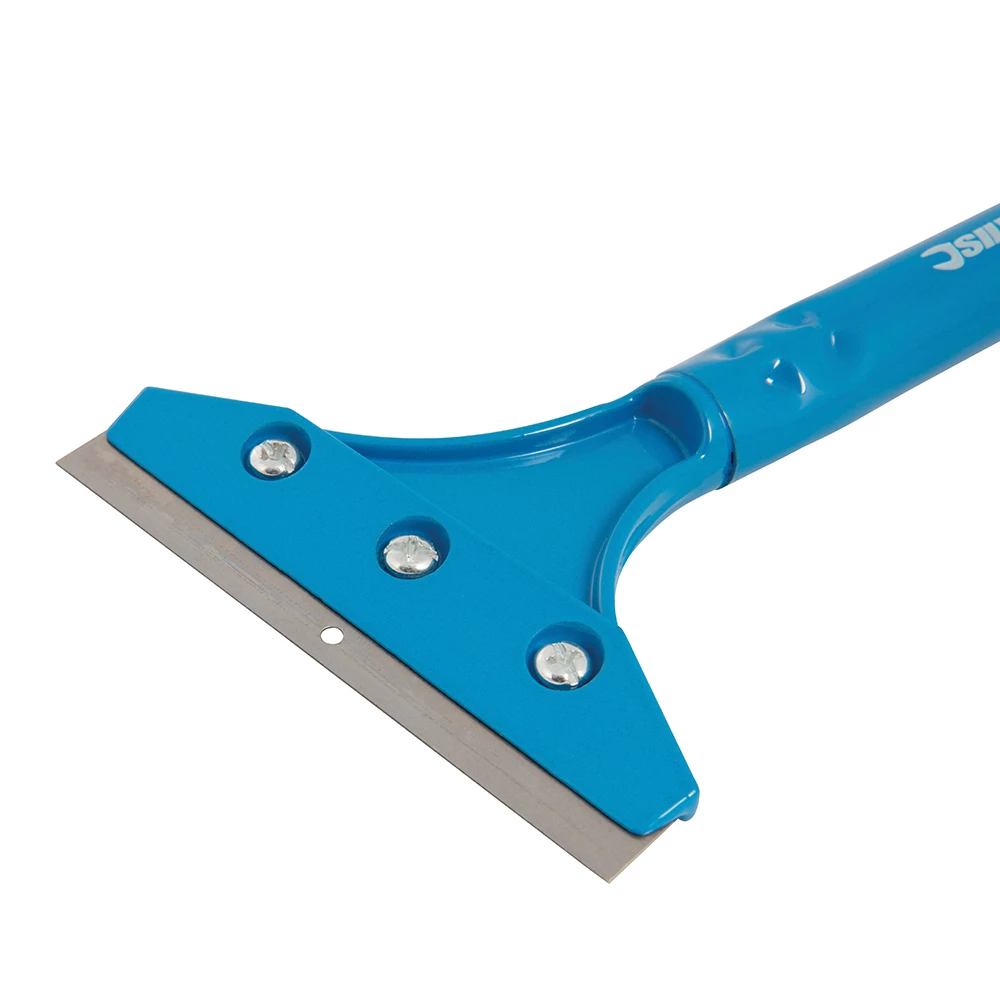
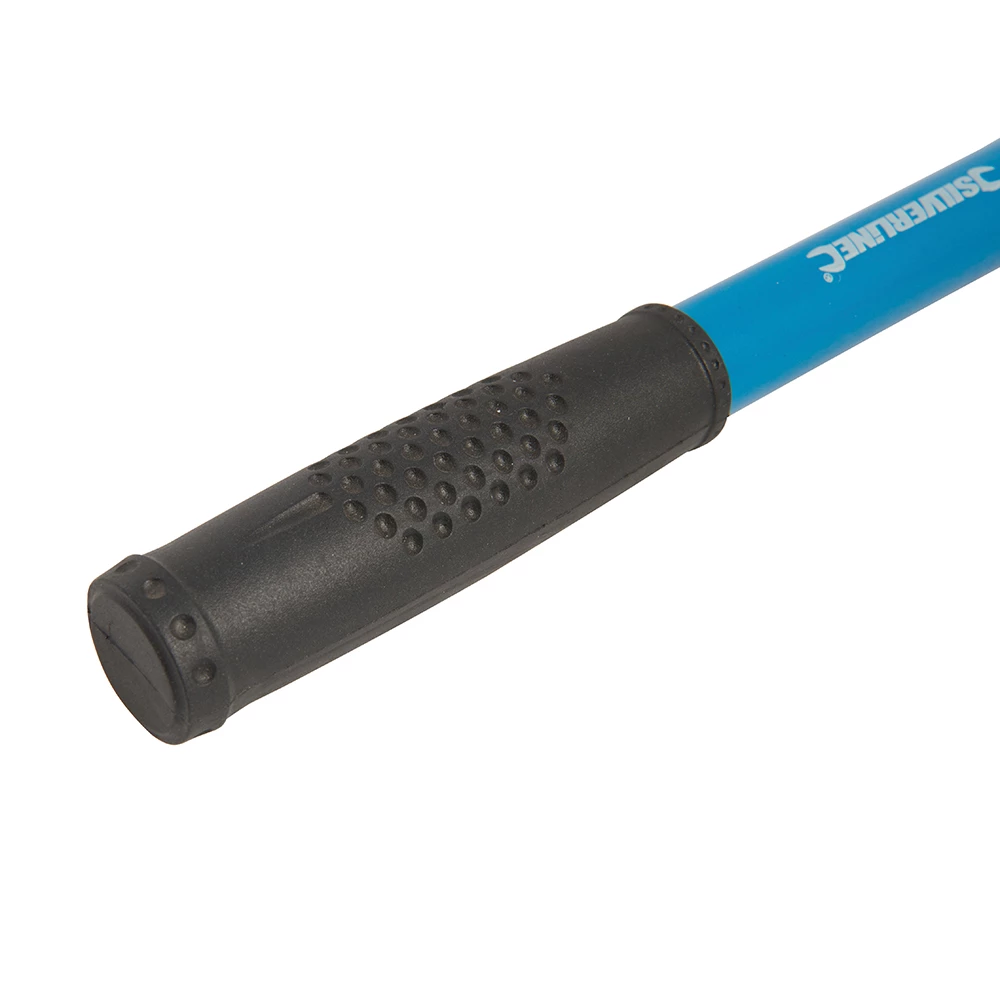
Using manual tools, such as a Heavy Duty Scraper for Paint and Epoxy Resin Removal, can offer better control and reduce the risk of accidental slips that might otherwise damage nearby surfaces. Keep all sharp or heavy equipment away from protected areas, and work slowly in sections to maintain accuracy.
When Extra Protection Matters
Special care is needed in homes with delicate trims or freshly painted surfaces. Also, if you’re working in a shared living space, containing dust and debris with protective sheeting will minimise mess and post-project cleaning.
Related products
Related guides
Taking steps to shield adjacent surfaces during resin floor removal helps prevent unnecessary repairs and keeps your home in top condition. For more in-depth advice, explore our main guide on how to remove resin flooring.