 Free shipping on orders over £29,85
  Shipping Tracking!


 Google
 Facebook
How do you make a pitch for resin casting?
Steps to confidently present your resin casting skills

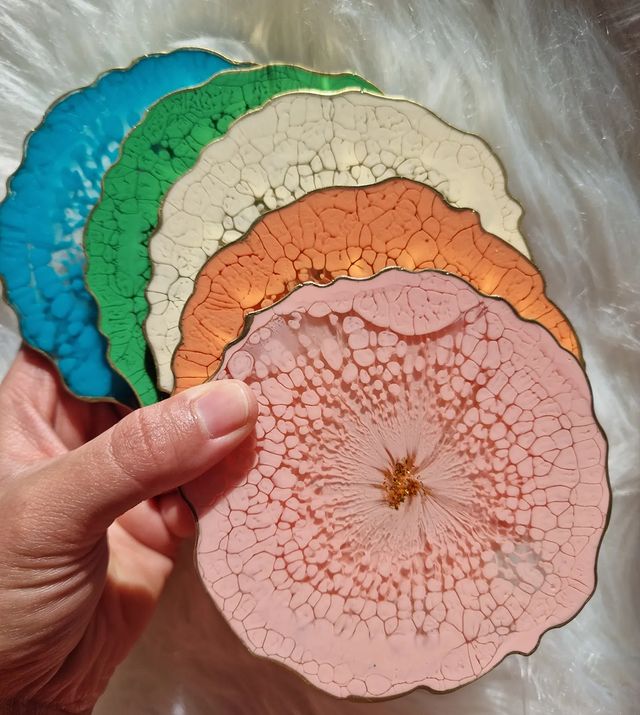
Whether you’re a maker hoping to secure commissions, a DIY enthusiast entering a craft fair, or someone explaining a creative concept in resin, presenting a strong pitch is key to getting your resin casting project the recognition it deserves. This guide will walk you through each step of making a compelling, professional pitch for resin casting—so you approach any presentation or client meeting with confidence.

What You’ll Need
- Resin Class – 3D Effects Coasters Masterclass, 120 Minutes – Ideal for understanding the practical aspects of resin casting and learning techniques you can showcase in your pitch.
- “River-Table” – Complete Kit for Creating Your First Epoxy Resin Table – To demonstrate larger or more advanced projects in your presentation.
- “Trasparente” – Multipurpose Clear Epoxy Resin for Casting – Up to 2cm – For small castings or detailed examples you can easily bring to a pitch.
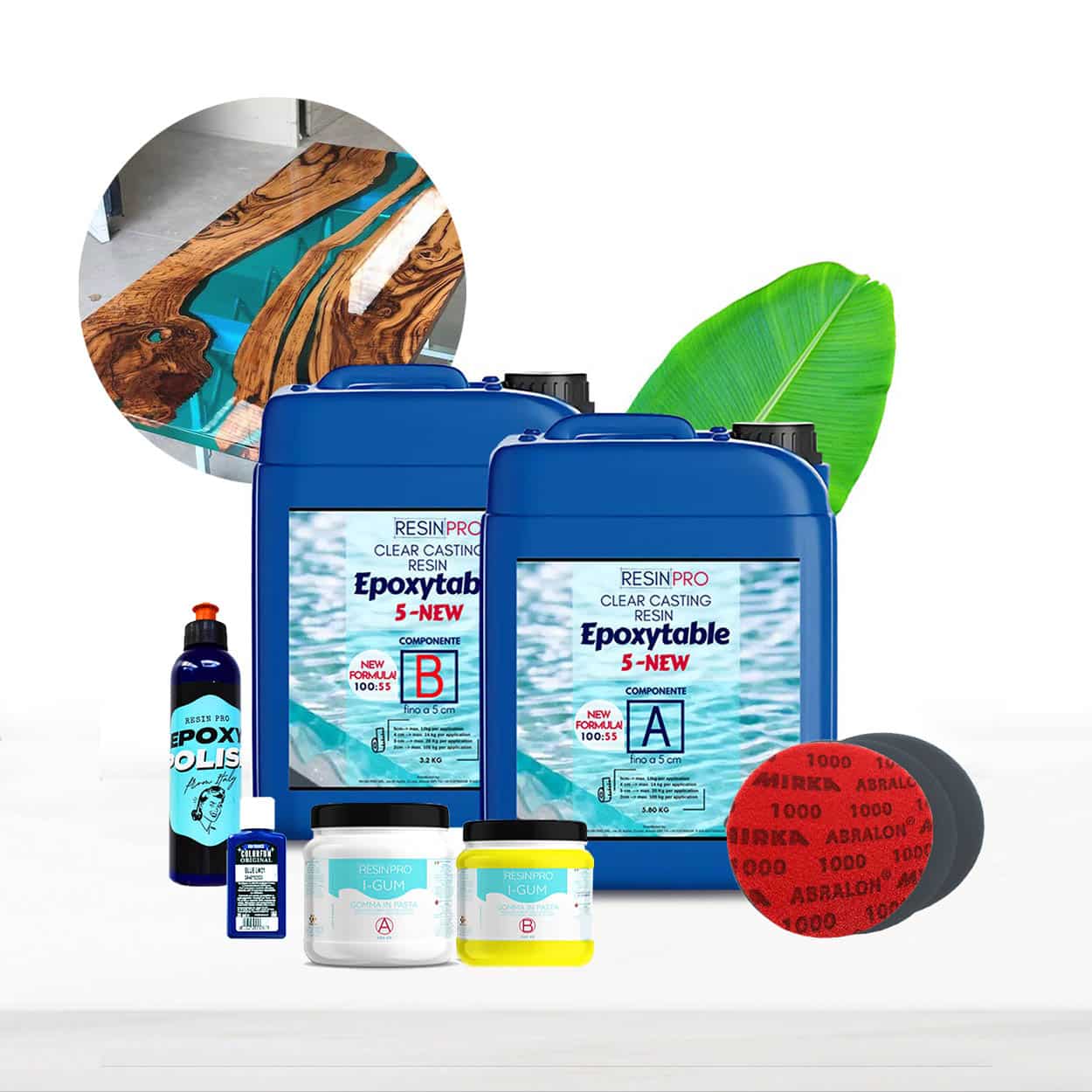
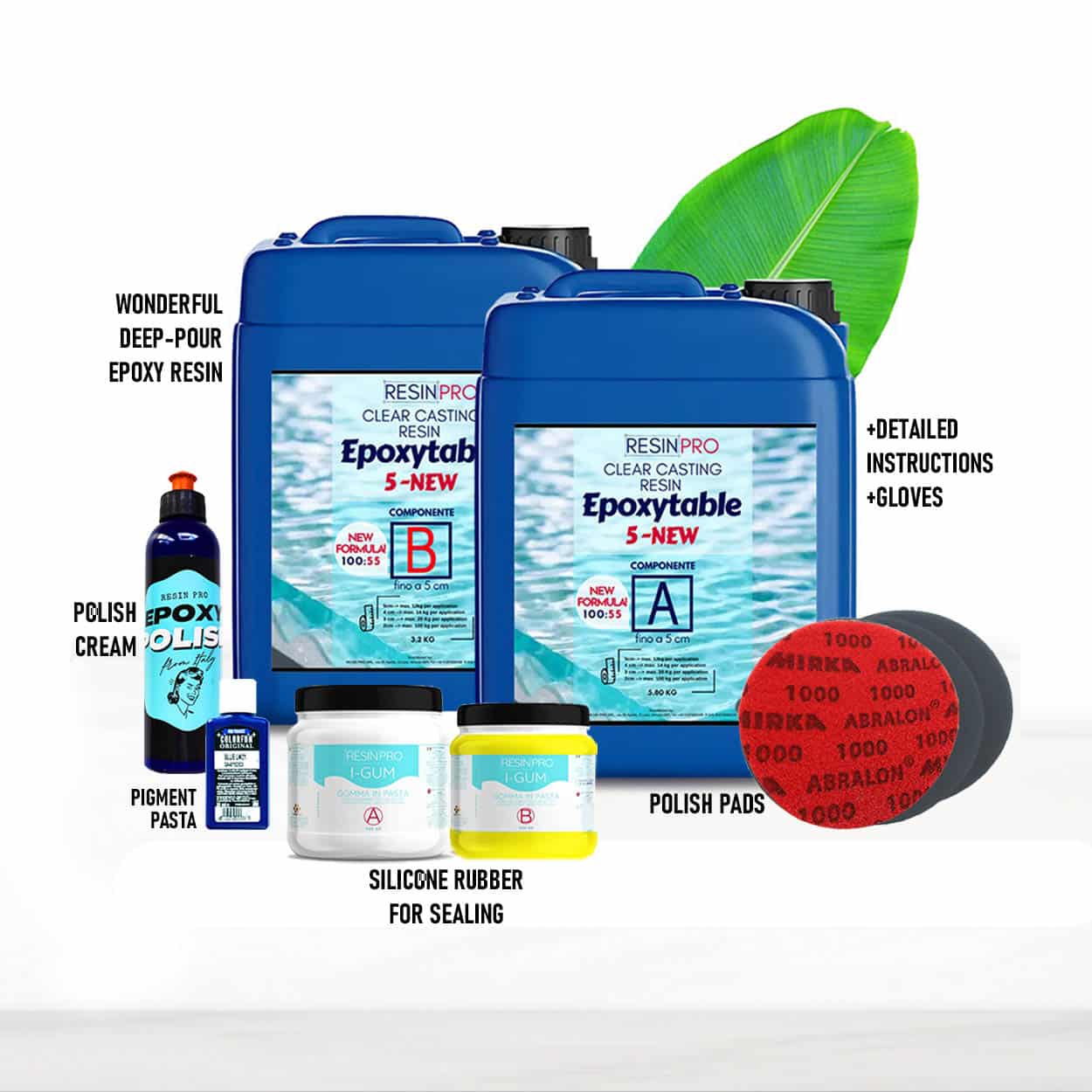
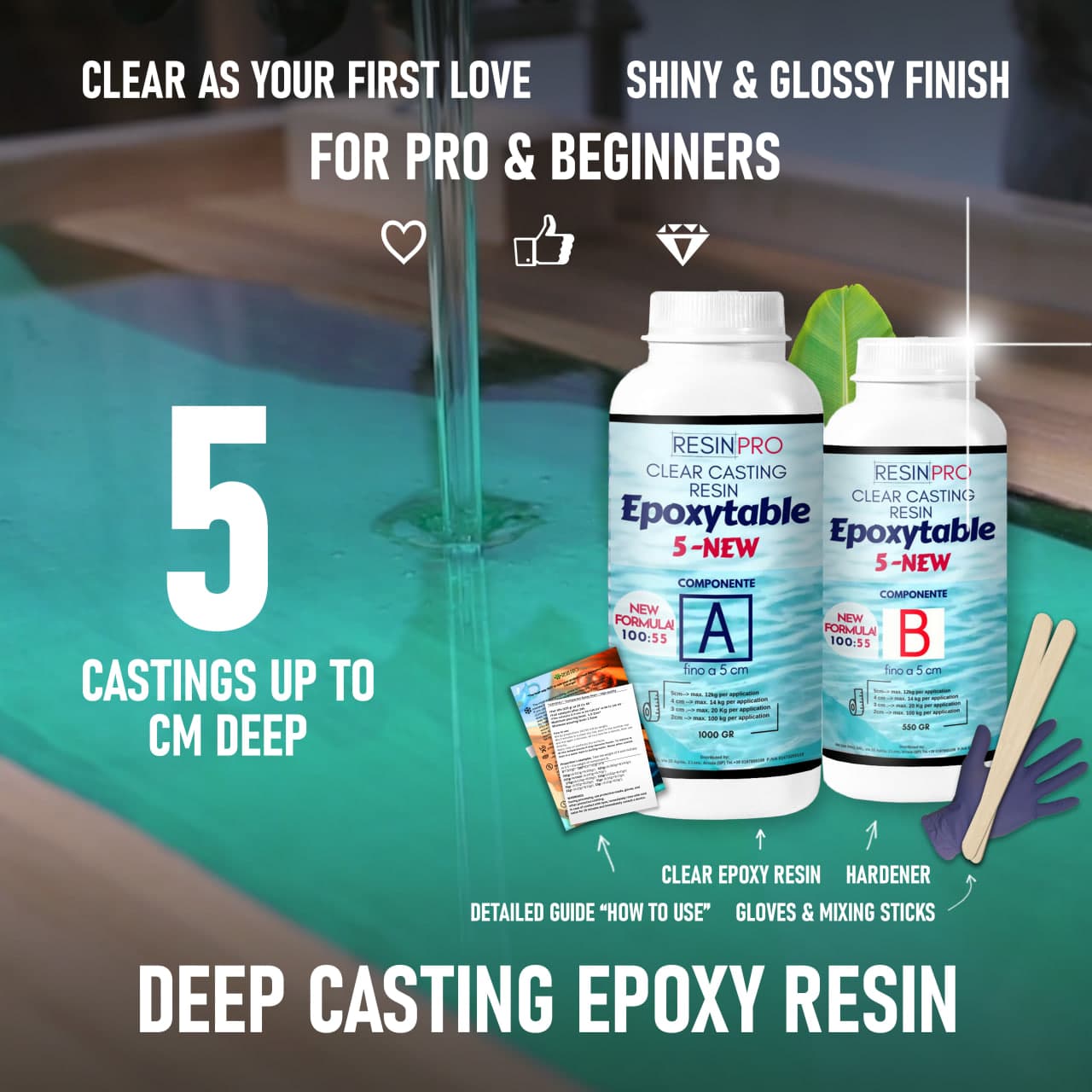
- “EpoxyTable 5-Five” – Deep Pour Epoxy Resin for Tables and Large Projects – Up to 5cm – Suitable if you want to include deep pour pieces or explain thick cast techniques.
- Sample pieces, sketches, or finished artworks
- Protective equipment (mask, gloves) for demonstrations
- Digital or printed portfolio (if available)

Highlighting Your Resin Casting Potential
Effective pitches showcase your creative style and technical skill. Use clear examples, structured explanations and visual aids to help your audience imagine the finished result. Demonstrating experience with recognised resin casting courses can further support your credibility.
Step 1: Summarise the Project’s Unique Aspects
Begin your pitch by highlighting what sets your resin casting apart. Are you focusing on vibrant functional art, eco-conscious materials, or a distinctive technique? Clearly stating your project’s uniqueness at the outset grabs your audience’s attention. Be succinct and avoid jargon unless your listeners have a technical background. For example, if you’ve taken part in Resin Class – 3D Effects Coasters Masterclass, 120 Minutes, reference your training to show your commitment to quality and continuous learning.

Step 2: Showcase Real Sample Pieces
Visuals and tactile examples bring your pitch to life. Prepare 1–2 finished pieces or in-progress samples using different resins or techniques. Coasters made with the “Trasparente” – Multipurpose Clear Epoxy Resin for Casting – Up to 2cm offer a portable, impressive demonstration. For larger commissions, such as tables, showing a section or cross-section using the “EpoxyTable 5-Five” – Deep Pour Epoxy Resin for Tables and Large Projects – Up to 5cm gives your audience a tangible sense of scale and quality.
Step 3: Address Project Challenges
Strong pitches anticipate likely questions and concerns. Discuss common project challenges, such as layer thickness, curing times, or embedding objects. Mention how specific products, such as the “River-Table” – Complete Kit for Creating Your First Epoxy Resin Table, help you overcome technical barriers like sealing formwork or achieving bubble-free results. This builds confidence in your competence and readiness for custom requests.
Step 4: Clearly Explain Your Process
Clients and collaborators value clarity and transparency. Walk your audience through your creative and technical process: how materials are chosen (e.g., selecting the right resin for thickness or clarity), the steps of mixing, pouring, and curing, and the finishing touches. Share your expertise from structured learning, such as insights gained from resin masterclasses, to reassure listeners of your technique and reliability.
Tips and Common Mistakes When Pitching Resin Casting
Tailor your pitch for your specific audience—avoid overwhelming beginners, or under-explaining to those more experienced. Never exaggerate or promise unrealistic results. Prepare visuals, practice your delivery, and always tailor your pitch to your listener’s interests. Bring protective gear if you are demonstrating live, and ensure your workspace is tidy and organised. Finally, follow up with links to your preferred materials or examples, such as masterclasses or beginner kits, to help your audience take the next step.
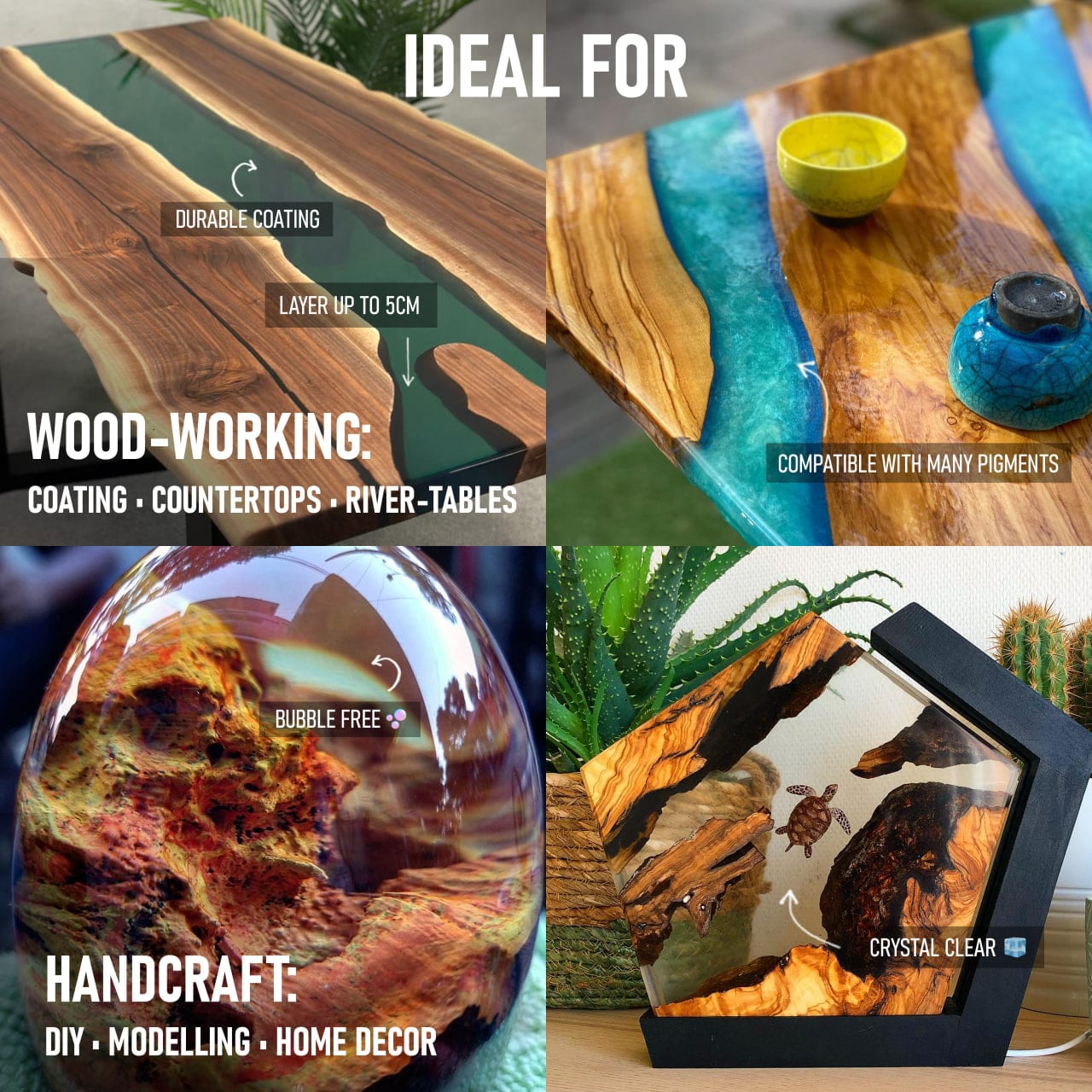
Perfecting Your Resin Casting Pitch
Practicing your presentation and being ready for questions increases your confidence as a maker. Use finished pieces and detailed project steps to illustrate your process, and always communicate with clarity. A well-prepared pitch can secure commissions and lasting recognition for your work.

- Resin Class – 3D Effects Coasters Masterclass, 120 MinutesThis resin masterclass covers casting coasters, trays and bowls, focusing on resin colouring and shaping techniques.
- "River-Table" – Complete Kit for Creating Your First Epoxy Resin TablePrice range: £198.45 through £467.45"River-Table" kit contains epoxy resin and accessories with detailed instructions suitable for creating resin tables within the pitch theme.
 "Trasparente" – Multipurpose Clear Epoxy Resin for Casting – Up to 2cmPrice range: £8.95 through £397.95The "Trasparente" epoxy resin is a clear, multipurpose casting resin suitable for layers up to 2cm, delivering a self-levelling glossy finish.
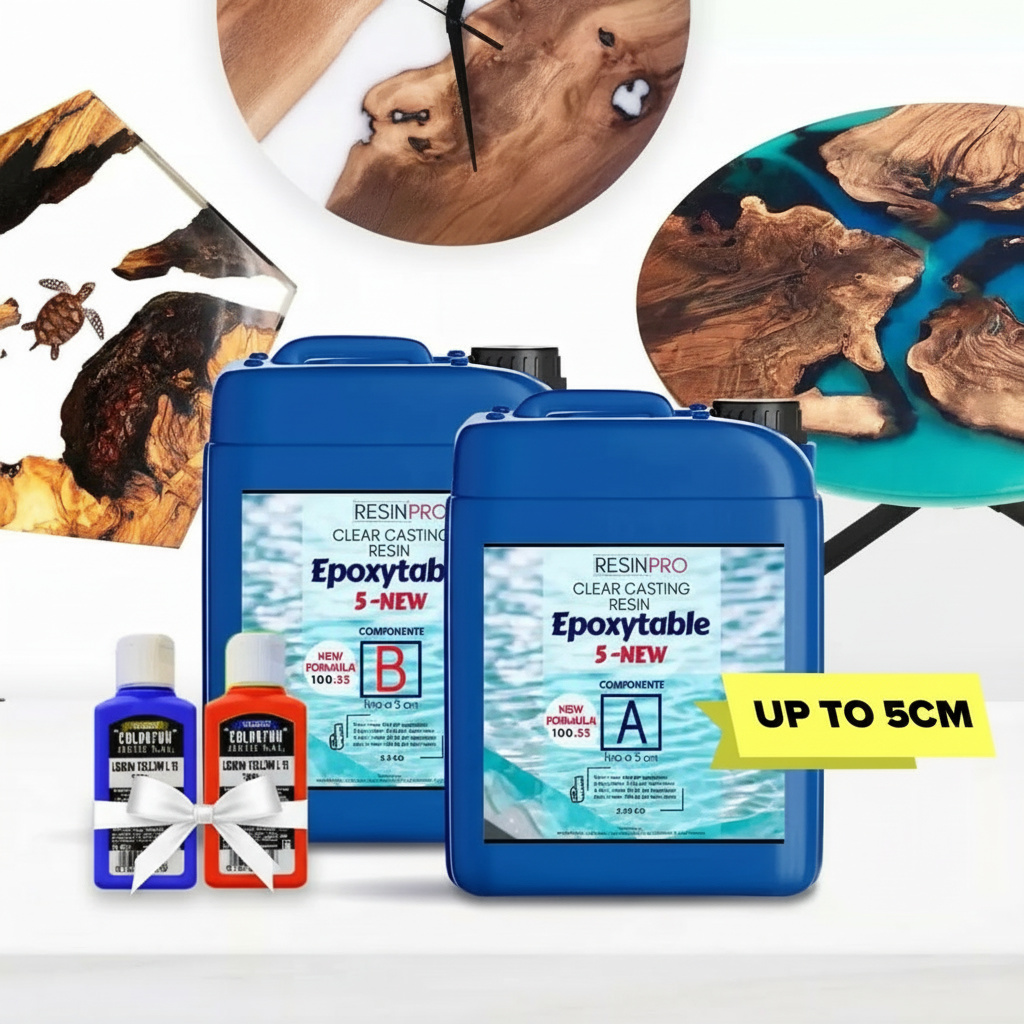 "EpoxyTable 5-Five" – Deep Pour Epoxy Resin for Tables and Large Projects – Up to 5cmPrice range: £17.95 through £1,154.95"EpoxyTable 5-Five" is designed for deep pouring projects up to 5cm such as tables and large decorative items.
Frequently Asked Questions
How should I structure a pitch for resin casting?
Start with what makes your project unique, show real samples, explain your process and address likely challenges.
Which samples work best for pitching resin casting?
Bring finished coasters, trays, or small table sections that clearly show your technique and finish.
How do I address technical concerns during my pitch?
Discuss common process challenges and describe how you overcome them with the right products and techniques.
What are some tips for live demonstrations?
Use protective equipment, prepare your materials beforehand and keep your demo short, tidy, and interactive.
What mistakes should I avoid when pitching my resin work?
Avoid overpromising results and never use complex jargon for beginners—tailor your message for your audience.
Should I include product links or kits in my pitch?
If suitable, sharing product links or kits helps your audience see your process and source materials themselves.