 Free shipping on orders over £29,85
  Shipping Tracking!


 Google
 Facebook
How to coat a nautical steel bracket with resin?
Step-by-step guide for durable, marine-grade steel protection

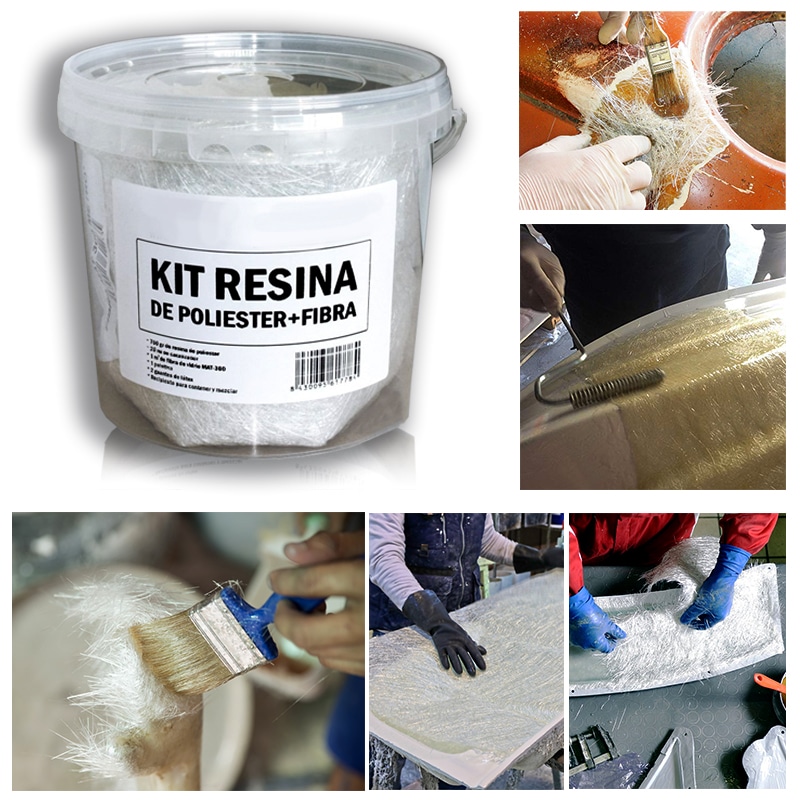
Coating a nautical steel bracket with resin is a vital process for those aiming to prolong the life of marine hardware and prevent corrosion in harsh saltwater environments. This step-by-step guide explains how to achieve professional, weather-resistant protection on steel brackets, ensuring they remain structurally sound and visually appealing for years to come.
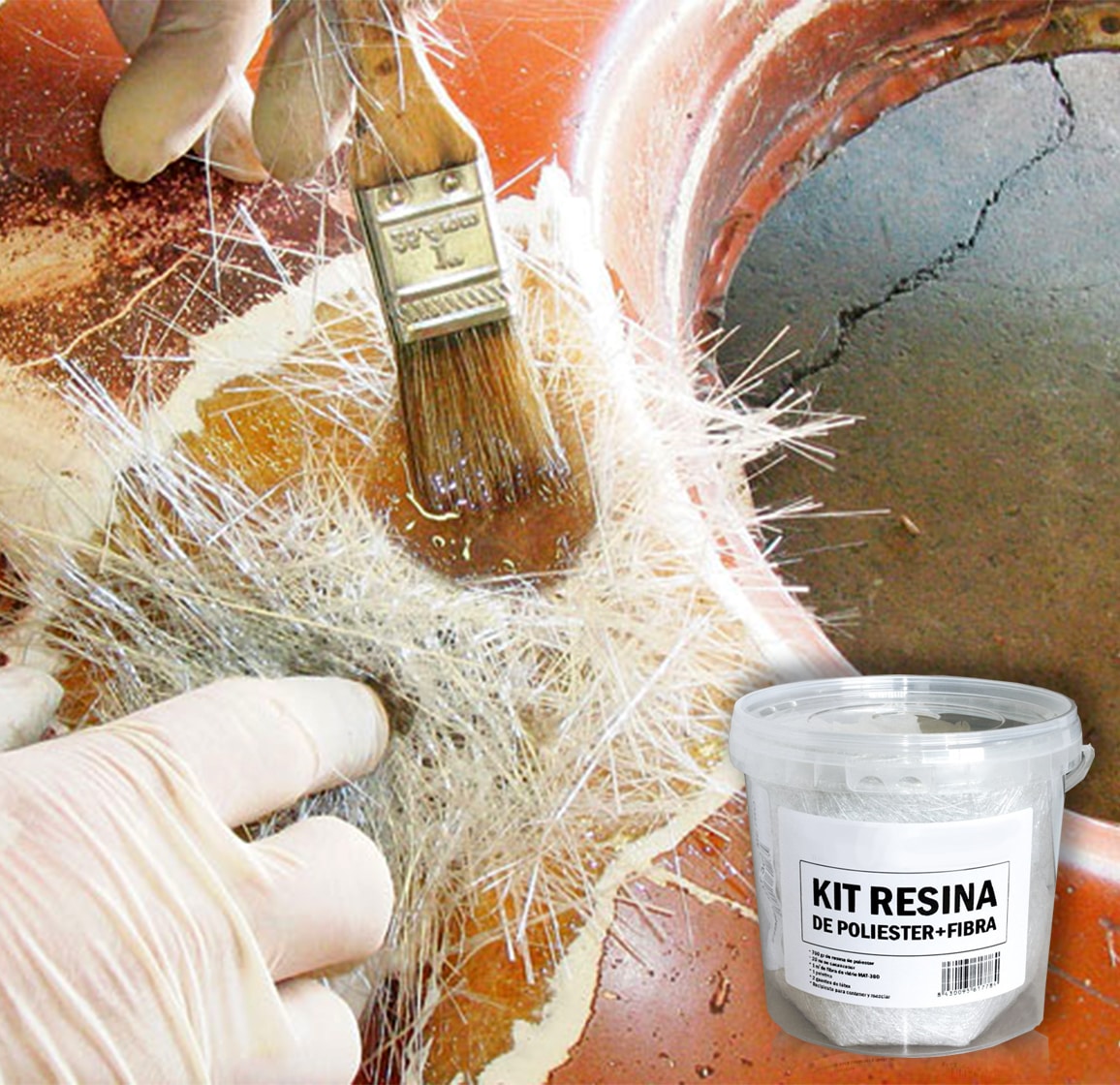
What You’ll Need
- “Prolux” – PU coating for tiles, concrete, plastic and metal – suitable for driveable surfaces: A two-component polyurethane coating ideal for abrasion, UV, and weather resistance on steel.
- Sandpaper or mechanical sander (various grits, ideally 80–120 and 240–320)
- Degreasing solvent or isopropyl alcohol
- Clean, lint-free cloths
- Mixing container and stirrer
- Protective gloves and safety goggles
- Quality brush or foam roller
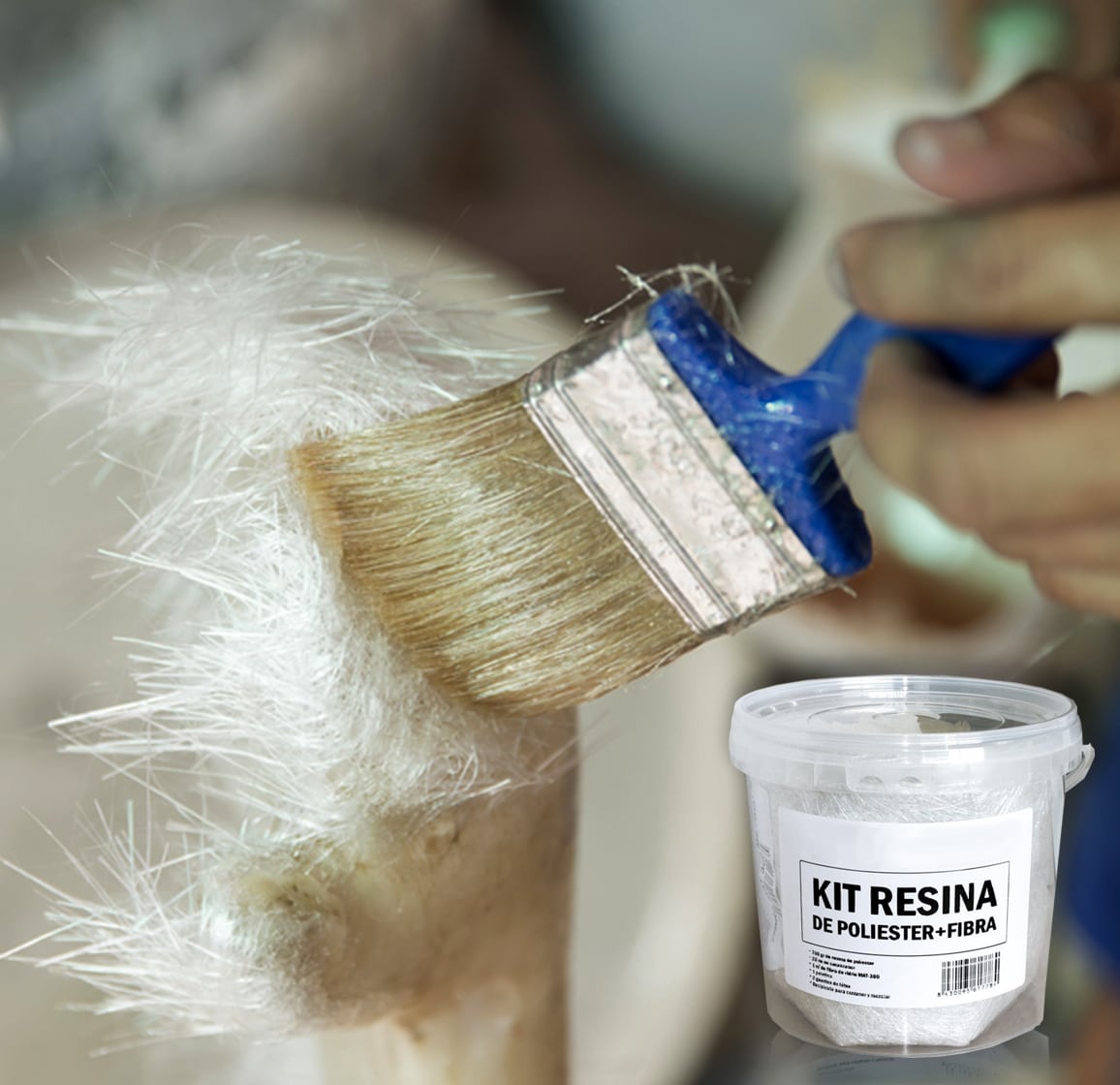
Preparing Tools and Safety Equipment
Gather all your materials before starting. Set aside sufficient sandpaper, cleaning solvents, PPE, and your chosen resin or coating. Make sure your workspace is safe and free of dust. Safe preparation ensures an efficient and successful coating process.
Step 1: Prepare the Steel Surface Thoroughly
Ensure the bracket is completely free from rust and contaminants. Start by sanding the steel bracket thoroughly with coarse (80–120 grit) sandpaper to remove existing rust, loose paint, or mill scale. After the initial sanding, wipe down the surface with a degreasing solvent or isopropyl alcohol using a clean cloth. This will remove any remaining grease, dust, or debris. For marine use, proper surface preparation is critical to avoid coating failure in the future. If needed, follow up with finer sanding (240–320 grit) for a smooth finish. Always allow the bracket to dry fully after cleaning.
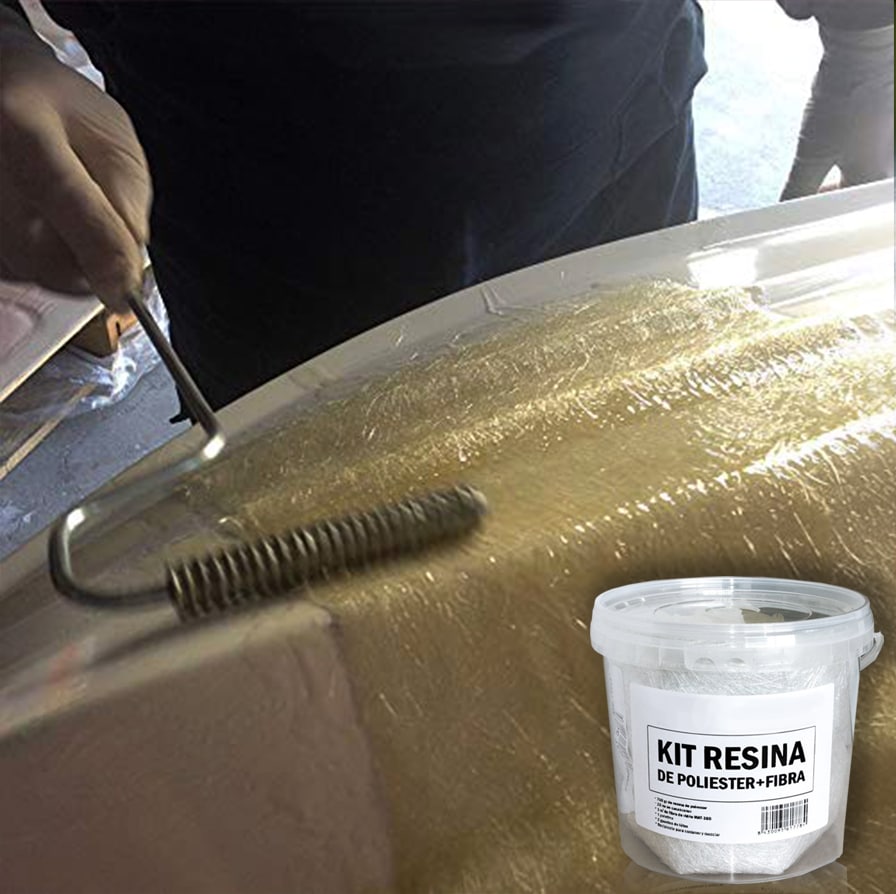

Step 2: Set Up a Safe and Controlled Work Area
Always wear gloves and ensure proper ventilation. Lay out all your materials, tools, and PPE in a well-ventilated area out of direct sunlight. Polyurethane and epoxy coatings can emit fumes that are best avoided in enclosed spaces. Place the bracket on a stable, protected surface, such as a covered workbench or suspended on wire supports, to ensure you can coat all sides without disturbing the wet resin.
Step 3: Mix the Resin or Polyurethane Coating
Follow the manufacturer instructions for your chosen coating. Products like the Prolux PU coating require a precise 2:1 mix ratio. Pour the two components into a clean container and mix thoroughly for several minutes, scraping the sides and bottom of the container to ensure a uniform blend. Only mix as much as you can apply within the working time to avoid waste. In colder environments, allow the resin to reach room temperature prior to mixing for easier application.


Step 4: Apply the First Coat Evenly
Apply the resin in thin, even coats for best results. Use a brush or foam roller to lay down the first coat, starting with edges and joints. Ensure complete coverage, paying special attention to welds, corners, and holes that are most vulnerable to corrosion. Avoid overly thick layers, which can lead to drips or incomplete curing. Inspect for missed spots and address immediately. Allow the first coat to become touch-dry or as per the recommended timeframe before proceeding.
Step 5: Repeat Coating and Curing
Allow adequate cure time based on resin and ambient temperature. For optimal protection, apply a second (and possibly third) coat in the same manner as the first, lightly sanding between coats if recommended. Each layer increases durability and ensures robust, long-lasting shielding from salt, ultraviolet light, and abrasion. Let the bracket cure fully in a dust-free area. Do not expose the coated bracket to water or stress until the final cure is complete, which may take several days depending on the resin used and environmental conditions.

Tips and Troubleshooting for the Perfect Marine Resin Coat
Proper surface preparation is the key to a long-lasting result. Always ensure the steel bracket is dry and dust-free before applying the first coat. Avoid applying resin in high humidity or low temperature, as this can delay curing and affect adhesion. If drips or bubbles occur, sand lightly once cured and reapply. For brackets that will be regularly submerged or exposed to saltwater, consider using a suitable polyurethane or marine-grade epoxy and applying an additional topcoat for extra endurance. Should you encounter tackiness after curing, check your mix ratio and environmental factors before recoating.
Surface Inspection and Final Assessment
Carefully inspect the cured surface for coverage and defects. Address any missed spots or imperfections with spot sanding and recoating when necessary. Prolux PU coating and similar marine coatings benefit from a final inspection to confirm a continuous, glossy barrier.
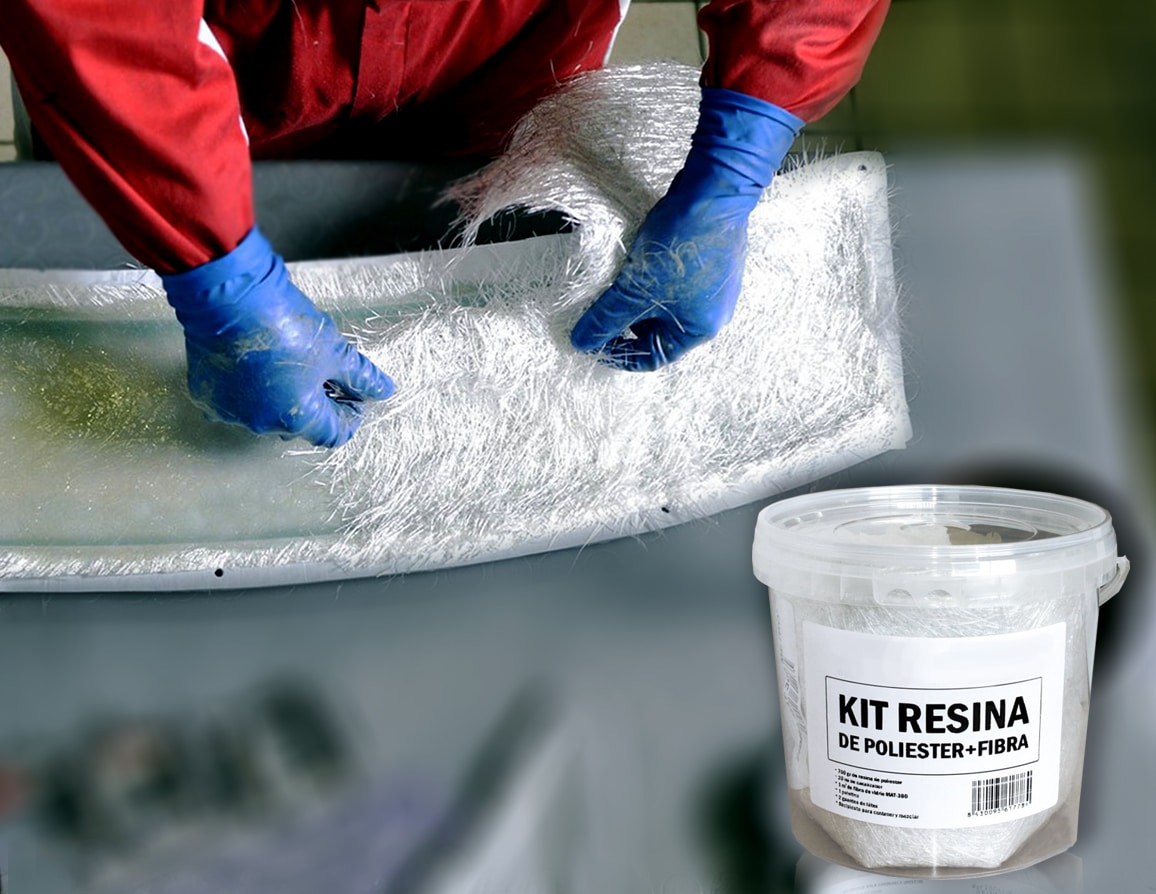
- Resin Fibreglass Repair Kit – Complete Polyester Resin and Hardener SetResin Fibreglass Repair Kit provides waterproof, impact-resistant repairs with polyester resin and fibreglass mat, suitable for various rigid…
- "Carbon Resin" – Epoxy Resin for Carbon Fiber & Fiberglass CoatingPrice range: £19.95 through £37.95"Carbon Resin" is designed for coating carbon fibre and fibreglass with a smooth, glossy finish and strong structural integrity.
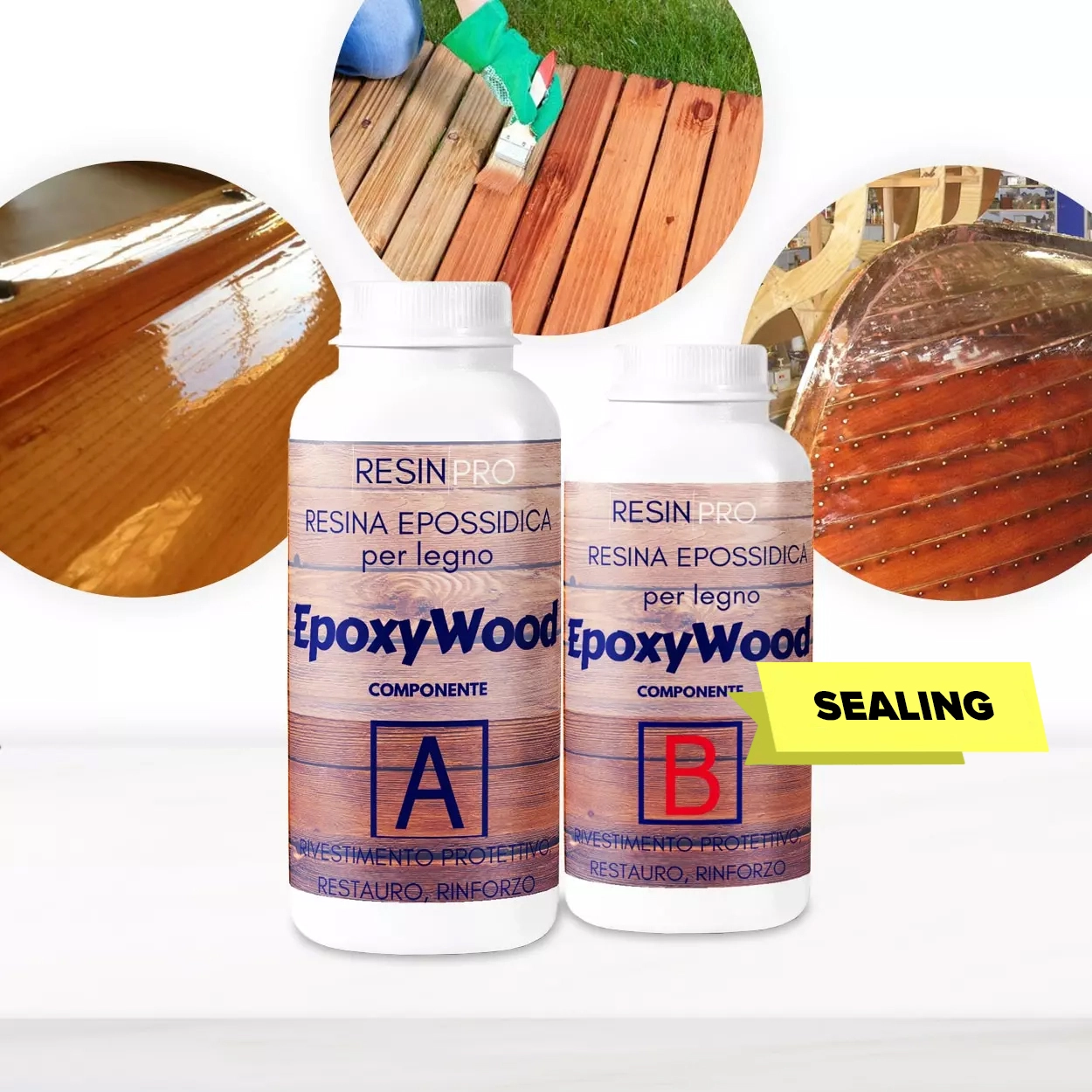
- "EpoxyWood" – Wood Restoration Epoxy Resin for Deep Penetration and WaterproofingPrice range: £27.95 through £41.95"EpoxyWood" is suitable for restoring and waterproofing wooden surfaces with a warm, natural finish.
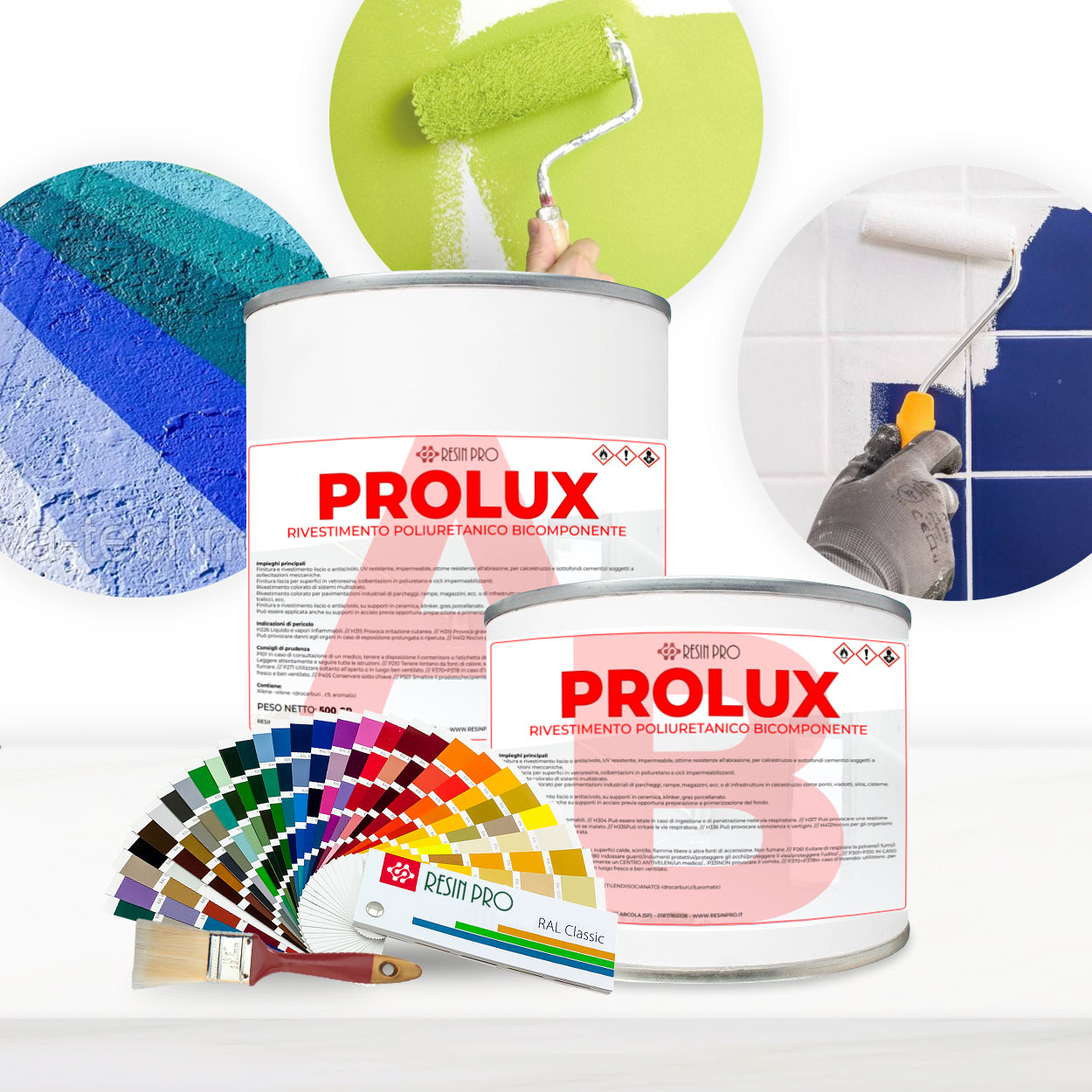 "Prolux" – PU coating for tiles, concrete, plastic and metal – suitable for driveable surfacesPrice range: £44.85 through £494.85"Prolux" PU coating provides durable, abrasion and UV resistant protection for multiple surfaces including properly prepared steel.
Frequently Asked Questions
Can any resin be used for nautical steel brackets?
Not all resins are suitable—choose those designed for metals and marine use, such as polyurethane or marine-grade epoxies, for reliable adhesion and protection.
How many coats should be applied for optimal protection?
At least two coats are recommended for durability, while a third may offer enhanced resistance in harsh environments.
How long does the resin need to cure on steel brackets?
Initial touch-dry can occur within hours, but full curing and maximum durability may take 2–7 days depending on the resin and conditions.
Do I need to sand or prime the steel before coating?
Sanding is essential for adhesion, and cleaning with solvent removes contaminants. Primer may not be needed if a suitable resin is used.
What should I do if bubbles or blisters appear in the resin coat?
Allow the layer to cure, sand the affected area gently, and reapply a thin coat to correct imperfections.
Is the resin or polyurethane coating UV resistant for marine use?
High-quality polyurethane coatings like Prolux offer excellent UV resistance for long-term outdoor exposure.