 Free shipping on orders over £29,85
  Shipping Tracking!


 Google
 Facebook
← Back to What are synthetic resins commonly called?
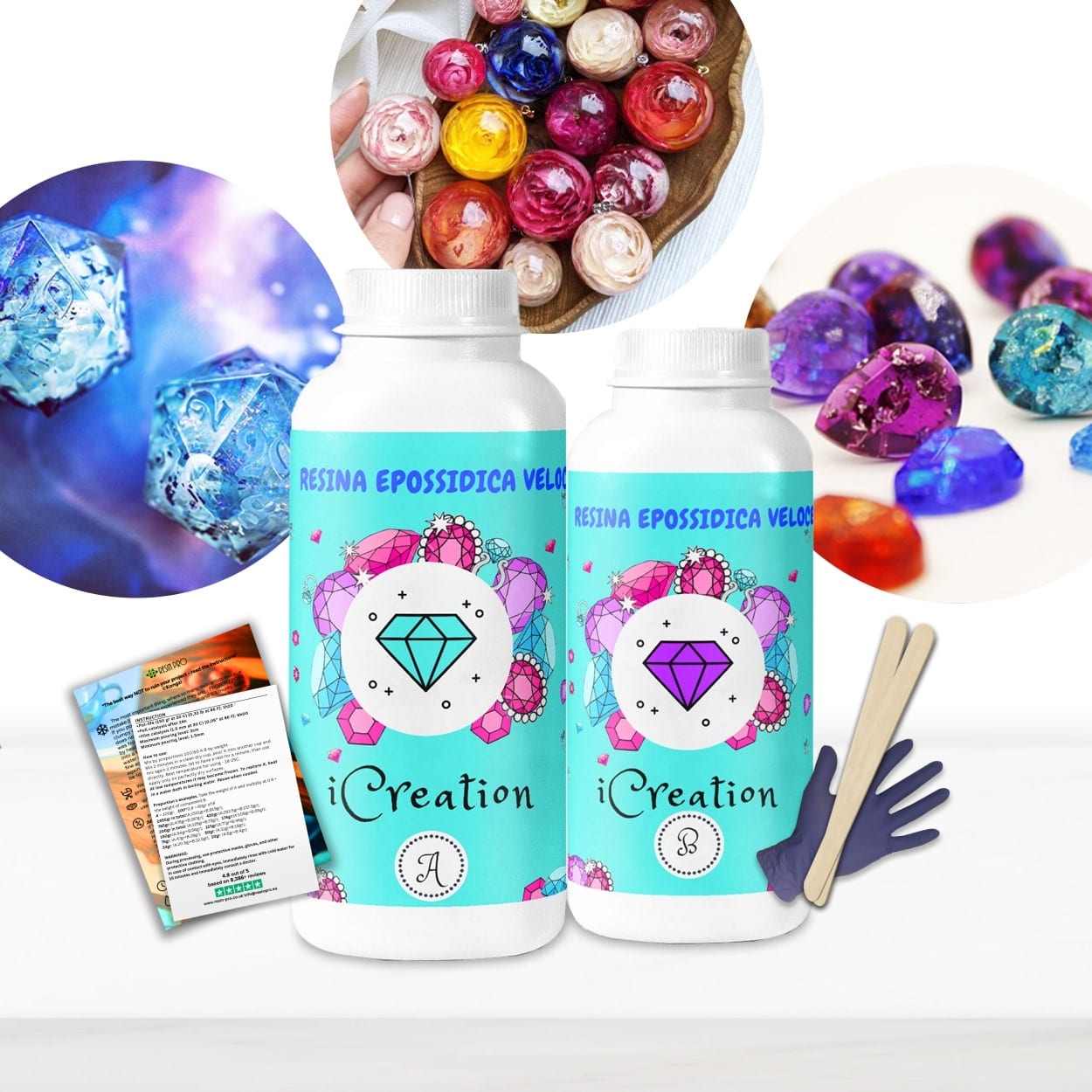

If you need to finish resin projects quickly, a 6-hour demoulding time can help speed up your workflow dramatically. Here’s how super-fast curing resins can streamline crafting and production.
What Does 6-Hour Demoulding Mean?
Demoulding time is how long you must wait before removing your cured resin piece from its mould. A 6-hour demoulding time, such as with ICreation fast epoxy resin, means your piece is set and ready to handle in just a quarter of a day instead of the usual overnight wait. Full cure is typically reached within 12 to 24 hours.


Benefits and Practical Uses
- Faster project turnaround: Ideal when you’re creating batch items like jewellery, coasters, or small art pieces.
- Reduced risk of dust intrusion: Faster setting means less time exposed to airborne impurities.
- Time-saving for professionals and hobbyists: Great for workshops, markets, or when working on tight deadlines.
The clear, glossy, self-levelling finish delivered by fast-setting formulas ensures your pieces look professional, even on a tight schedule.
Tips for Using Fast Cure Resins
- Follow the recommended 2:1 resin to hardener ratio for best results.
- Mix carefully but efficiently, as working time is shorter than with slow-cure resins.
- Plan your pours in advance to avoid rushing as the resin begins to set.
- Always check the manufacturer’s guidance for minimum and maximum recommended pour thickness to avoid overheating or incomplete curing.

When This Matters
Choosing a fast-demoulding resin is vital for artists producing multiple pieces in one day, or for time-sensitive projects like last-minute gifts or rapid prototyping. It’s also helpful in colder months where slower curing can otherwise cause frustrating delays.
Related products
Related guides
Opting for a super-fast 6-hour demoulding resin keeps your creative process flowing, illustrating the practical, time-saving benefits of modern synthetic resins. For more on the many versatile uses of resins, visit our main guide on what synthetic resins are commonly called.