 Free shipping on orders over £29,85
  Shipping Tracking!


 Google
 Facebook
← Back to How do you paint a resin boat?
Painting a resin boat starts with thorough preparation. These key steps ensure the paint bonds effectively and delivers a durable, attractive finish for your craft.
Clean and Inspect Your Boat
Begin by washing the entire hull using fresh water and a gentle cleanser to remove surface dirt, salt, and debris. Once clean, allow the boat to dry completely. Go over the surface with a degreaser, especially on areas exposed to oil or fuel. Carefully inspect the hull for chips, gouges, or signs of previous damage, as paint will only adhere well to solid, intact surfaces.


Repair and Seal Problem Areas
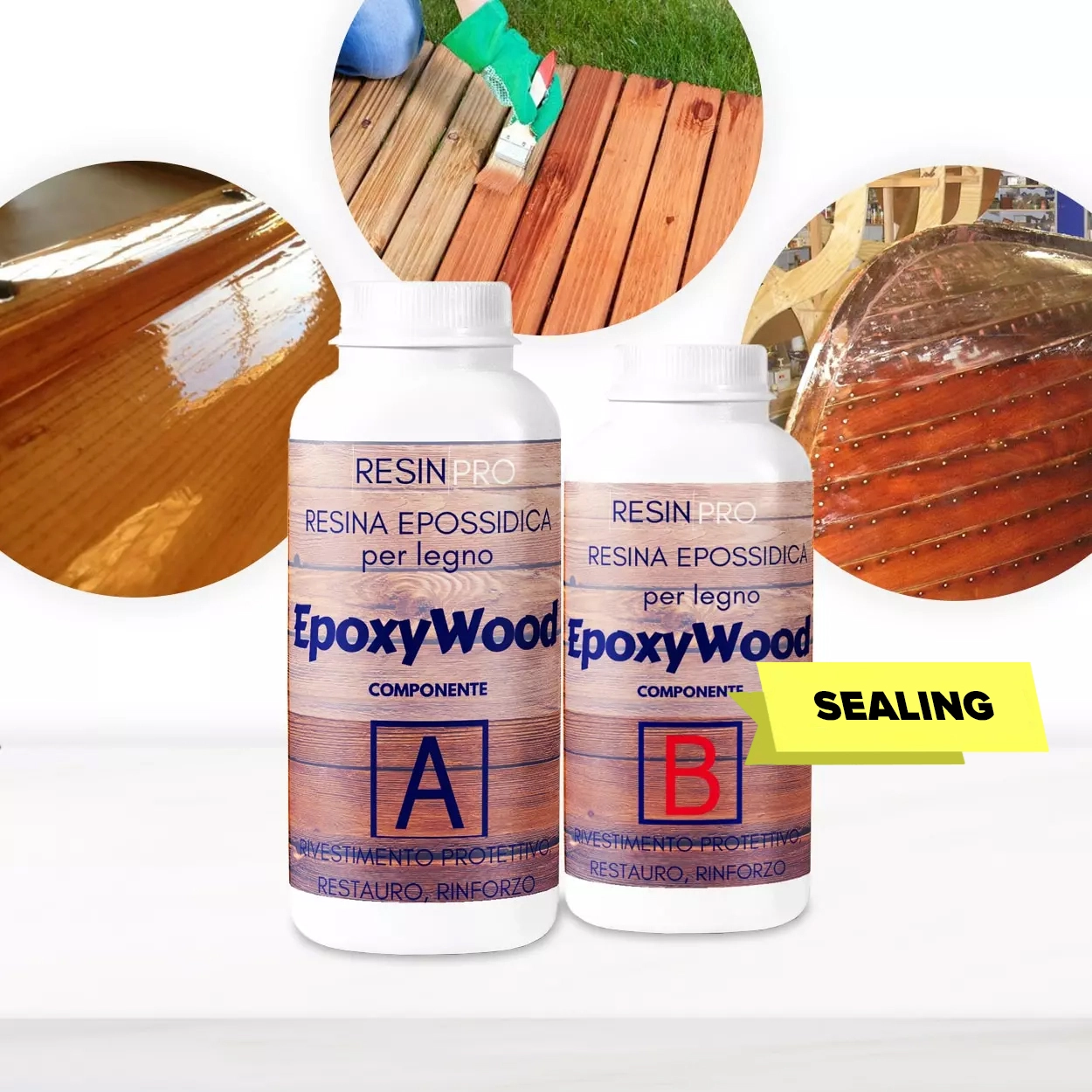
Address any identified damage before proceeding. Fill cracks and voids with suitable marine fillers or an epoxy system designed for wood or resin. For wooden sections, using a dedicated epoxy such as EpoxyWood helps reinforce and waterproof the structure, giving your paintwork a firm foundation.
Sanding for Paint Adhesion
With repairs done, lightly sand the boat’s surface using fine-grit paper. This step levels repaired areas and gives the entire hull a slightly rough texture, crucial for proper paint grip. Remove all dust with a tack cloth before moving on to primer or paint. If you want professional results, specialised rollers designed for resin can provide uniform primer and paint layers on both small and large areas.

When Thorough Preparation Matters
A clean, smooth, and sound surface not only looks better but helps prevent future paint peeling or blistering. This preparation is essential for both first-time paints and when refinishing an older hull.
Related products
Related guides
Getting the preparation right is the backbone of a successful resin boat painting project. For extra tips on choosing the right resins or techniques, find more guidance on our main page about how to paint a resin boat.