 Free shipping on orders over £29,85
  Shipping Tracking!


 Google
 Facebook
← Back to How do you apply enameling resins?
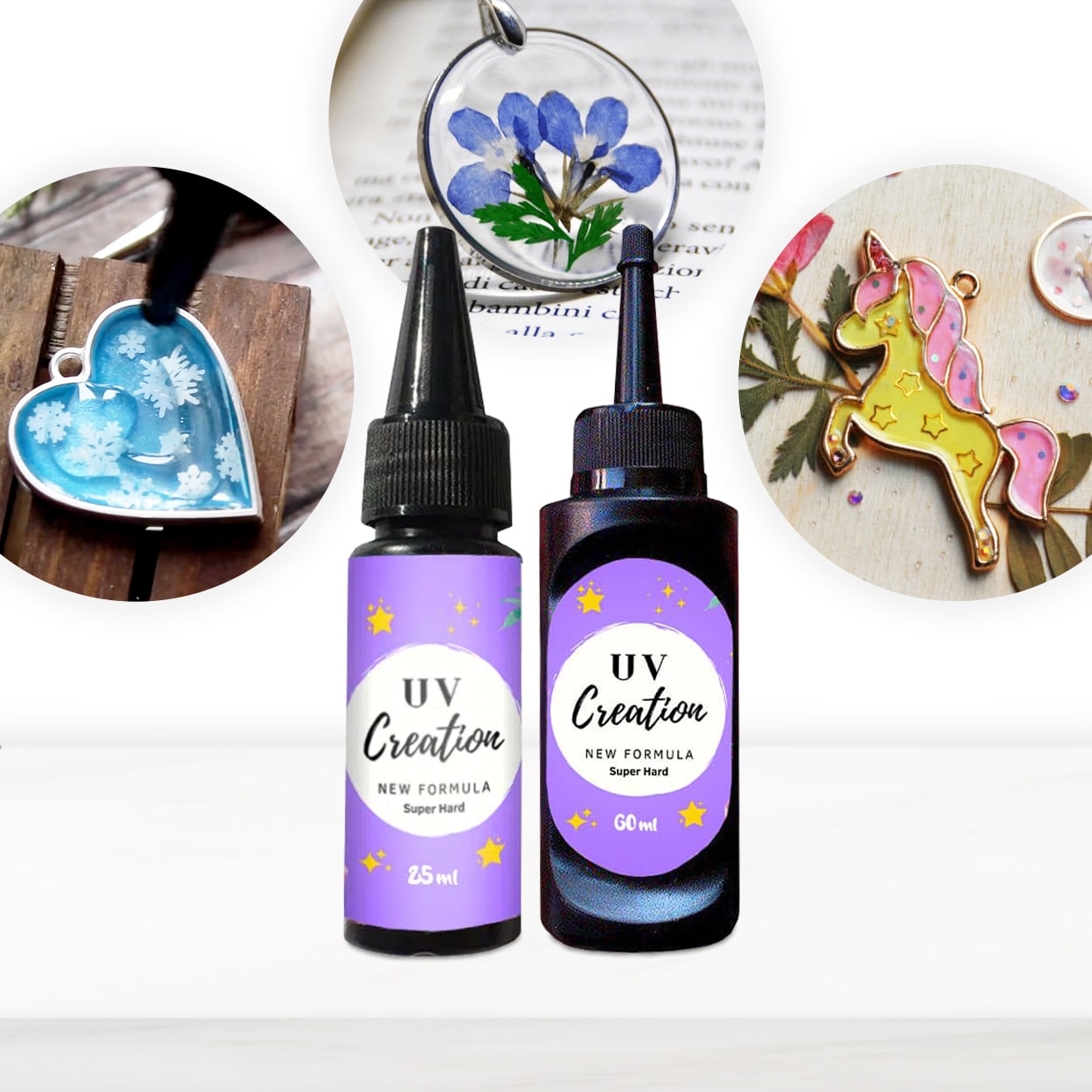
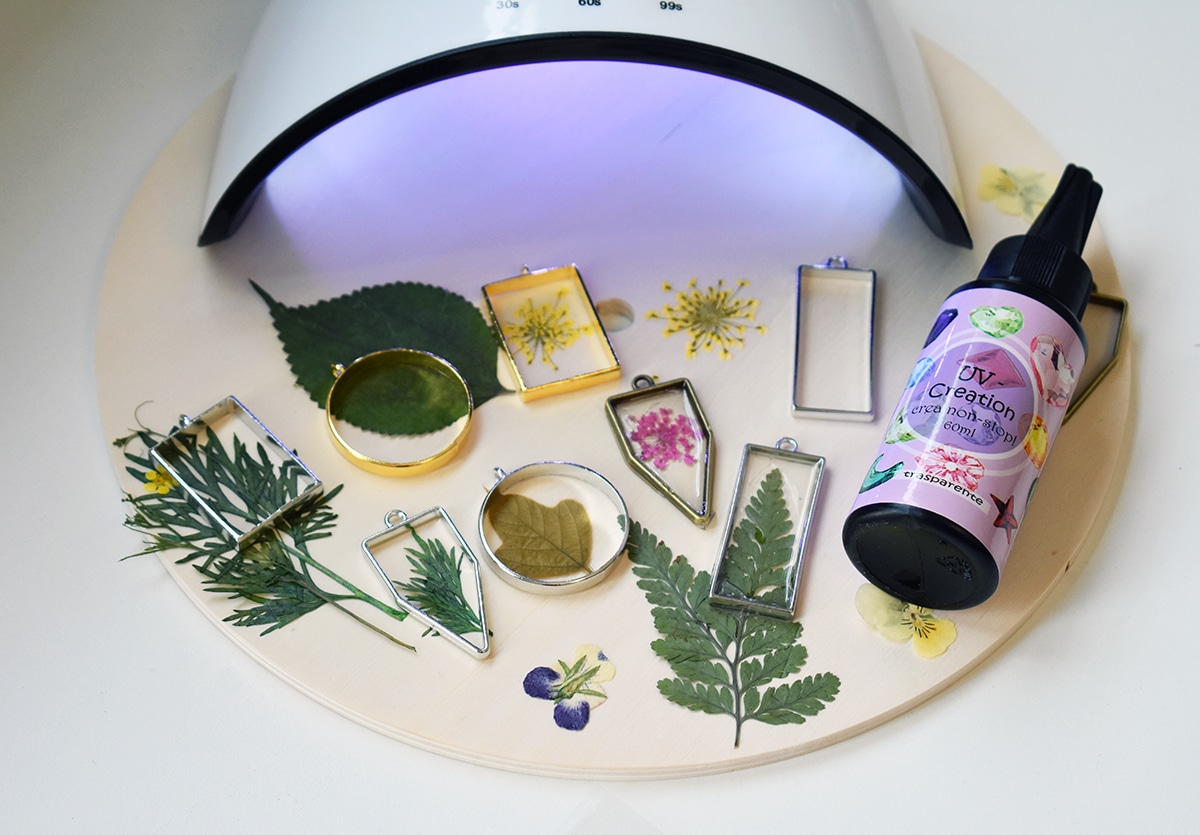
Building up flawless resin enamel pieces relies on knowing how long to wait between layers. Proper timing ensures a smooth, clear finish and prevents imperfections.
Why Layering Timing Matters
Each layer of resin affects the next. Applying a new layer before the previous one is ready can cause mixing, cloudiness, or surface issues. Conversely, waiting too long may result in poor bonding between coats. The ideal wait time depends on your specific resin—UV-cured resins are typically ready in minutes, while epoxy resins may require several hours.

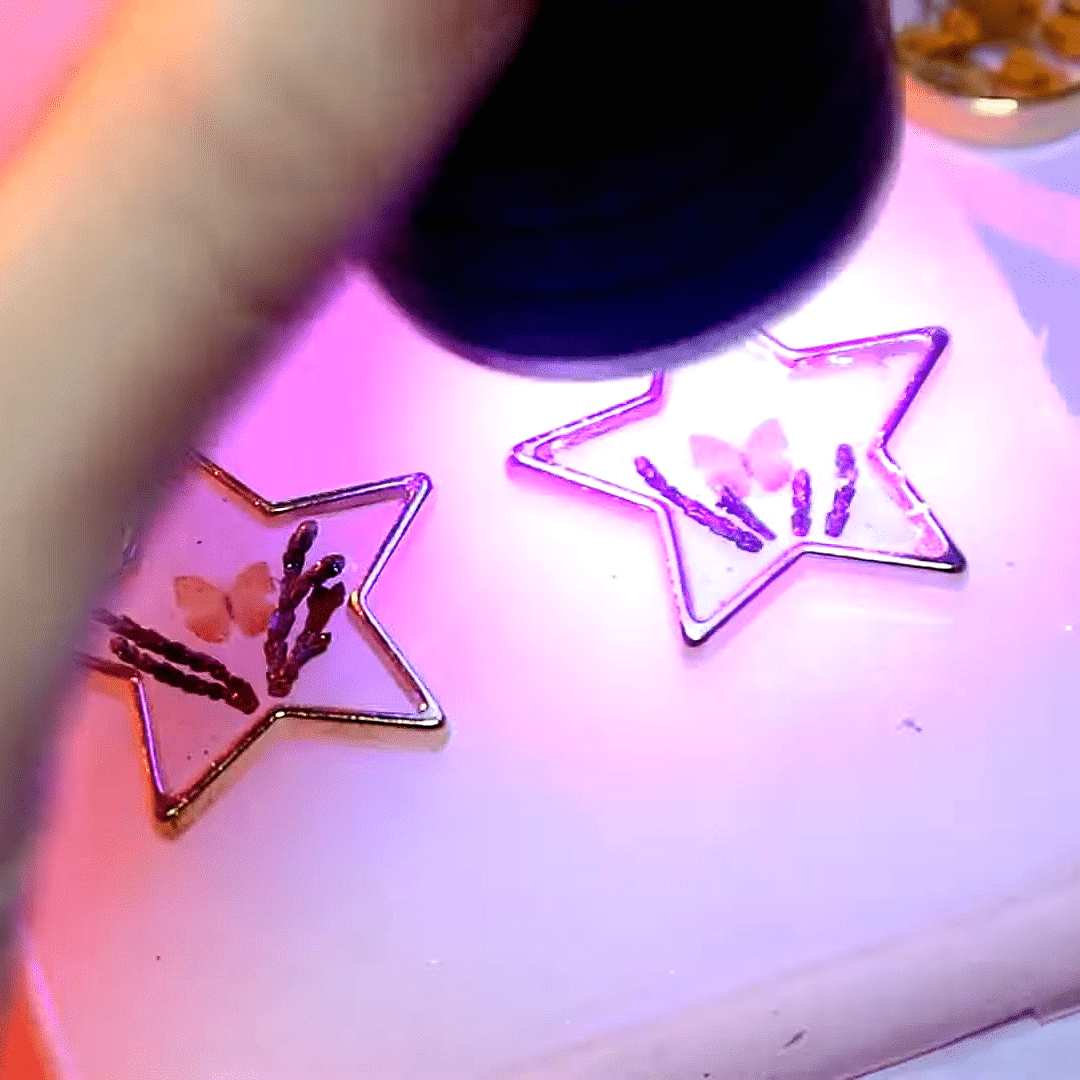
Recommended Waiting Times by Resin Type
- UV Resins: These can often be cured in just 2–3 minutes under a suitable lamp, such as “UV–Creation” Fast Acrylic Resin. Wait until the previous layer is solid and no longer tacky before adding the next.
- Epoxy Resins: For fast-curing types like “ICreation”, a 6-hour demoulding time is typical, but always check if the surface is gelled or fully cured before proceeding. Standard epoxies (such as “One-2-One”) may need longer between layers, often between four and twelve hours depending on environment and mix ratio.
Tips for Achieving Smooth Multiple Layers
- Always follow the manufacturer’s curing guidelines for your chosen product.
- Test the resin’s tackiness gently with a gloved finger: if it is just set and no residue comes off, you can usually pour the next layer for optimal adhesion.
- Avoid rushing; a little extra patience ensures clarity and prevents unwanted blending between layers.

When This Matters Most
Layering times are especially critical for jewellery and detailed crafts, where surface clarity and strong layer bonding define the professional finish of your work.
Related products
Related guides
Perfecting your resin layering technique leads to more striking and durable enamel results. For more guidance on application, see our in-depth advice on how to apply enameling resins.