 Free shipping on orders over £29,85
  Shipping Tracking!


 Google
 Facebook
← Back to How is enamel repair done with resin?
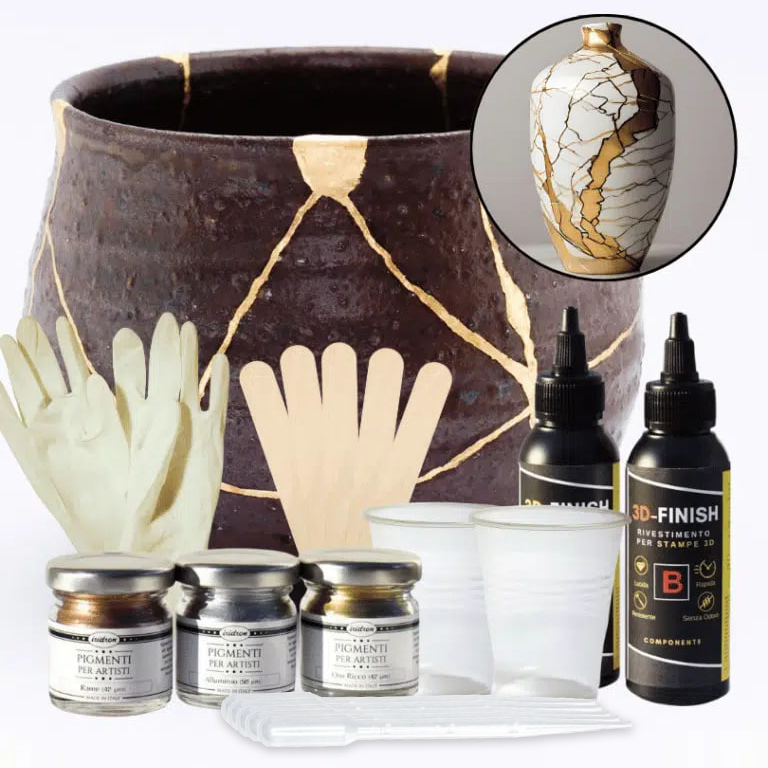

Adding pigments or dyes to resin for enamel repairs can transform a basic fix into a decorative feature. The key is understanding compatibility and safety, whether the piece is decorative or comes into contact with food.
Choosing the Right Pigment or Dye
To colour resin during enamel repair, select pigments or dyes labelled as compatible with your chosen resin system. Many resin repair kits, such as the Kintsugi Ceramic Repair Kit, include metallic pigments that are formulated to work reliably with epoxy. Always mix pigments according to manufacturer guidelines to prevent curing issues or uneven finishes.


Considerations for Food-Contact Surfaces
If the repaired enamel item will touch food or drink, extra caution is required. Only use resins and colourants that are explicitly certified as food-safe. Products like EpoxyFood are designed for such use, but you should avoid adding any pigments or dyes unless they have their own food contact certification. Uncertified additives can compromise both appearance and safety.
Application Tips
- For purely decorative repairs, metallic, gold, or coloured pigments can highlight cracks and add character.
- When using fast-setting epoxy adhesives such as FixExpress, work quickly to blend and apply colour for the best result.
- Always test your pigment on a sample piece beforehand to ensure the final effect meets your expectations.

When this matters
Choosing the right pigments or dyes is crucial when the repaired item will be displayed in kitchens, used for serving, or simply cherished for its beauty. Err on the side of caution if you’re unsure about food safety, or opt for clear, certified finishes.
Related products
Related guides
A thoughtful approach to colour in resin-based enamel repair allows both creative expression and peace of mind. For more guidance on the full process, see our main guide on how enamel repair is done with resin.