 Free shipping on orders over £29,85
  Shipping Tracking!


 Google
 Facebook
← Back to What should be embedded in clear resin?
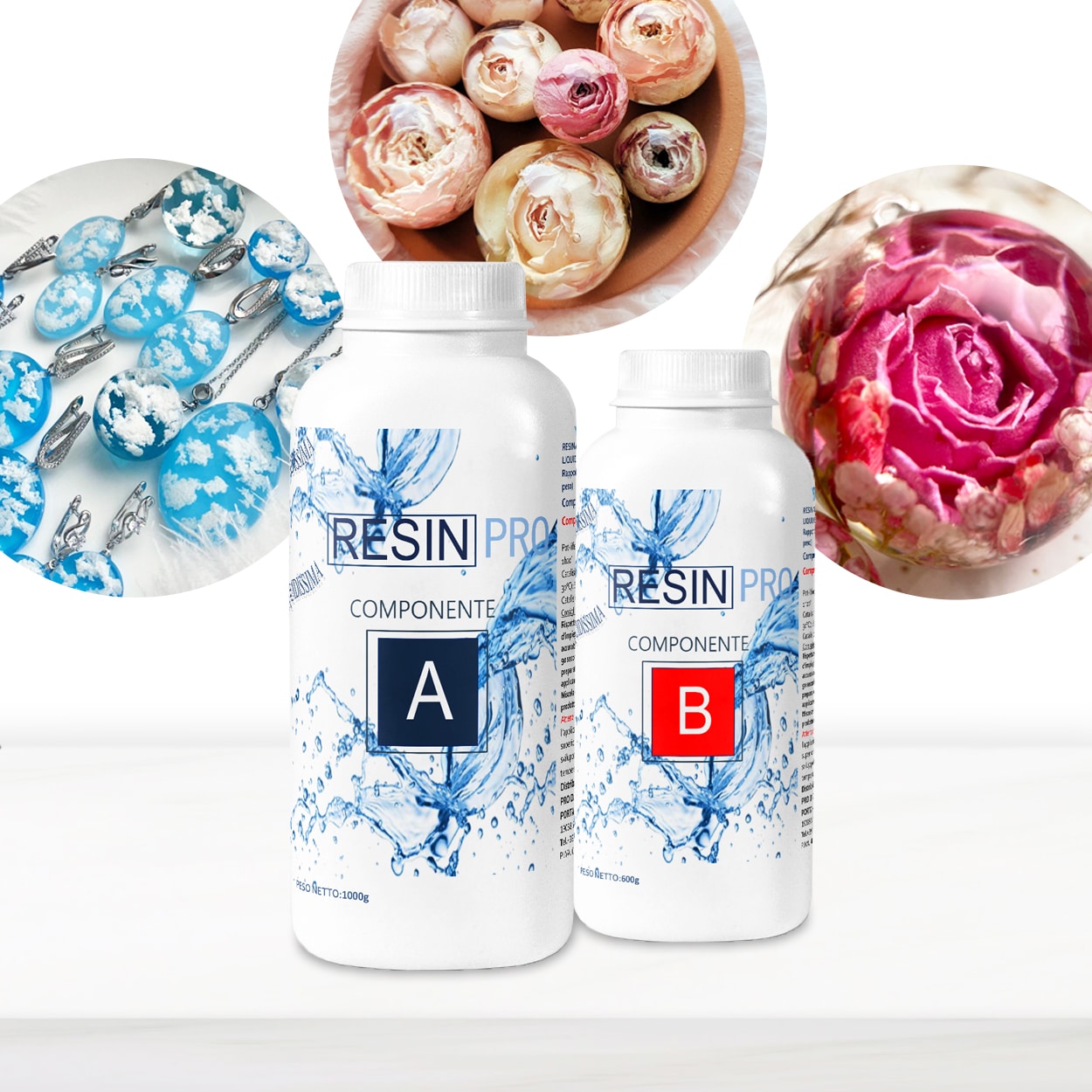
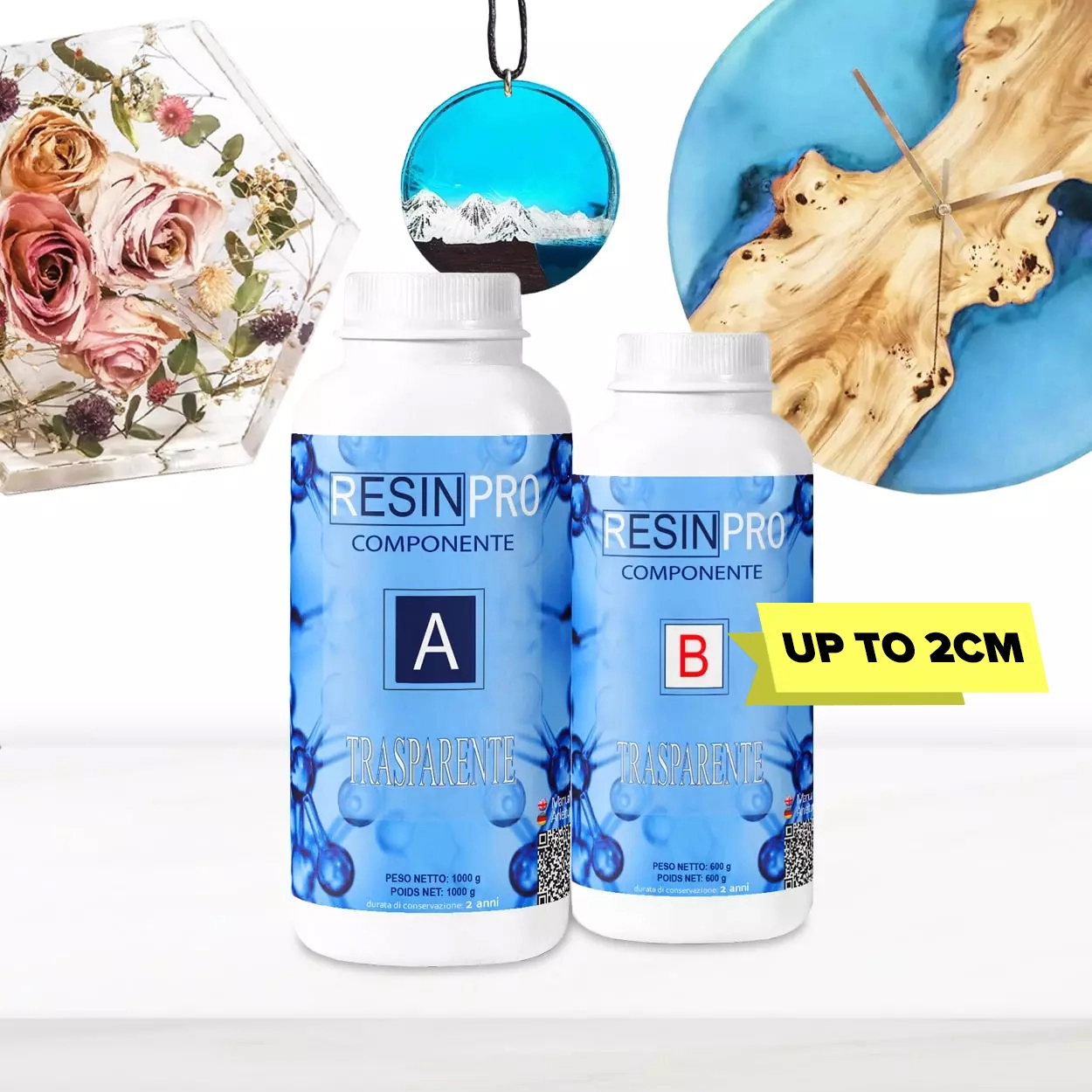
Air bubbles can spoil the flawless look of clear resin and make embedded items less visible. Mastering a few simple techniques will help you create professional resin pieces, whether you’re casting jewellery, coasters or artwork.
Choosing a Low Viscosity, Self-Levelling Resin
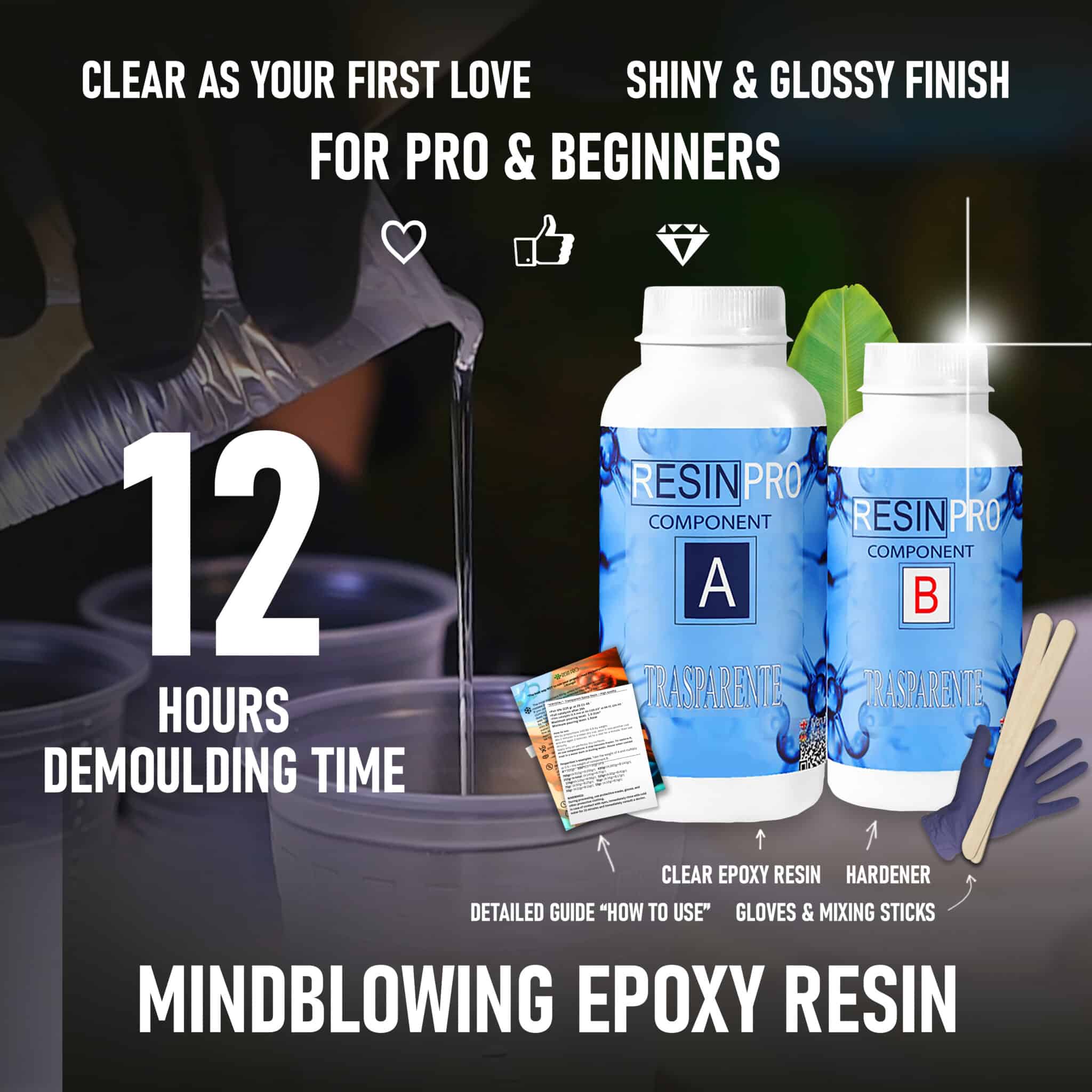
The type of resin significantly affects how easily bubbles can escape. Opt for formulations designed to reduce bubbles, such as Liquidissima Epoxy Resin. Its low viscosity allows air to rise and surface naturally, giving you a clearer finish ideal for fine jewellery and intricate mouldings. Other resins, like “Trasparente” and “Icrystal”, are well-suited for larger castings or projects where transparency and minimal imperfections matter.

Best Practices for Bubble-Free Results
- Mix slowly and steadily: Stir both resin and hardener gently to minimise entrapment of air.
- Pour in thin layers: Shallow pours (under 2cm for many products) let trapped bubbles escape before curing.
- Allow resin to rest: Let mixed resin sit for a few minutes. Surface bubbles will rise and can be popped with a light breath or a heat source, like a quick waft of a flame or heat gun.
- Warm your workspace: Slightly warmer ambient temperatures can help thicken the resin less, promoting bubble release—but avoid overheating, as this may cause other curing issues.
When This Matters Most
Eliminating bubbles is especially crucial when you want to showcase the fine details of embedded objects or when creating professional-quality resin jewellery and surface coatings. Minimised bubbles maintain the artistic clarity essential for layered designs and surface finishes.
Related products
Related guides
By following these steps and selecting the right resin, you’ll achieve crystal-clear results that highlight whatever you choose to embed. For more advice on working with clear resin, explore all tips and answers in our main clear resin embedding FAQ.