 Free shipping on orders over £29,85
  Shipping Tracking!


 Google
 Facebook
How to produce resin slabs?
Step-by-step process for quality resin slab projects
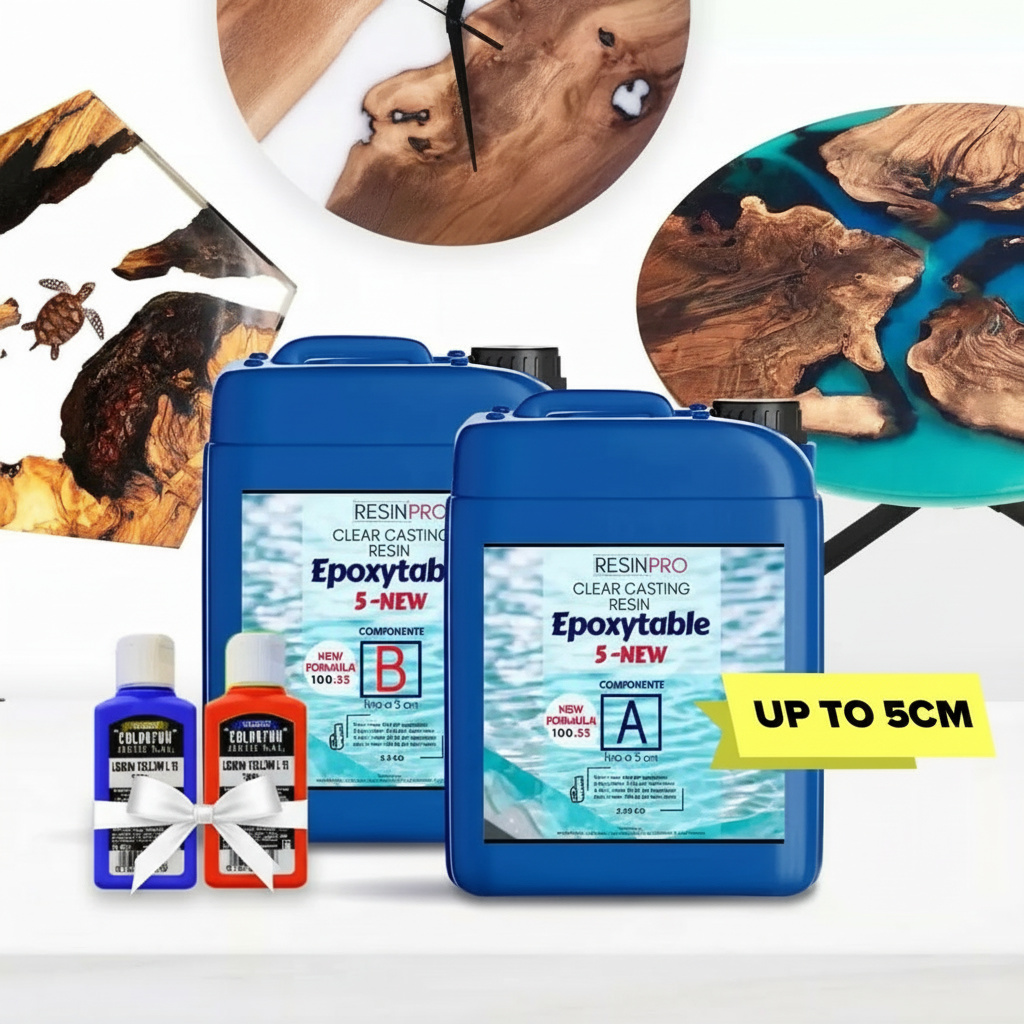

Creating resin slabs allows you to make bespoke, durable tabletops, decorative surfaces, and unique furniture with a flawless, modern look. This guide covers every major step, from surface preparation and forming, through resin pouring, to finishing your slab with a beautiful gloss. Whether you are a first-timer or looking for ways to perfect your technique, following these steps will help you consistently achieve outstanding results.

What You’ll Need
- “Trasparente” – Multipurpose Clear Epoxy Resin for Casting – Up to 2cm: Ideal for thin layers, fine details, and small slab projects.
- “EpoxyTable 5-Five” – Deep Pour Epoxy Resin for Tables and Large Projects – Up to 5cm: Best for standard resin slab and tabletop pours up to 5cm.
- “Epoxytable 10-Ten” – Deep Pour Epoxy Resin for Tables, Up to 10cm Casting: Suitable for especially thick slabs or large artistic applications.
- “River-Table” – Complete Kit for Creating Your First Epoxy Resin Table: Comprehensive starter kit with resin, pigments, sealing silicone, polishing tools, and instructions for resin slab projects.
- Level formwork or mould, mixing containers, gloves, stir sticks, spirit level, clamps, compatible pigments (optional), and finishing abrasives.
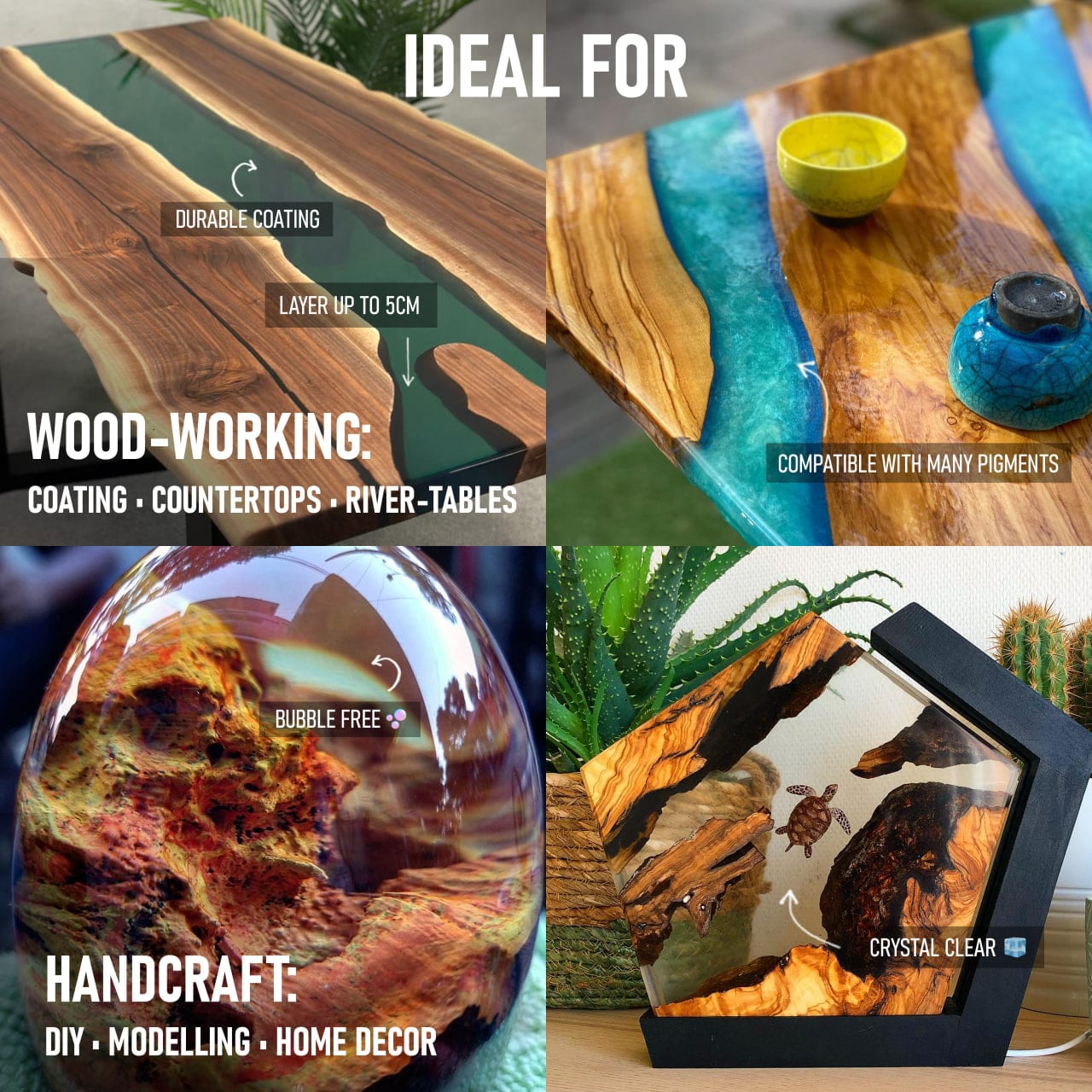
See Resin Slab Projects Step-by-Step
Explore close-ups of how each stage transforms simple materials into stunning resin slab tables. Notice the clarity, edge finish, and expert layering in finished examples. Each step visually illustrates the difference a precise technique can make.
Step 1: Prepare the Surface and Formwork
A clean, dust-free work area is essential for producing flawless slabs. Choose a flat, stable surface and set up robust formwork (mould) made from materials like melamine, HDPE, or another non-stick board. Ensure all formwork joints are tight and completely sealed with silicone or specialist adhesives to prevent resin leaks.
Cleanliness is critical for resin slabs: Any dust, grease or residue on the mould will imprint onto the resin or cause bonding issues. Wipe down all surfaces thoroughly before starting the project.


Step 2: Mix and Tint Your Resin
Accurate resin mixing is fundamental to achieving strong, clear slabs. Always measure mix ratios by weight as specified by the resin manufacturer. Use separate containers for resin and hardener, then combine and mix slowly to minimise bubble formation.
If colour is desired, introduce pigments after the initial mix. Only use pigments compatible with epoxy resins to avoid curing or clarity problems. Continue mixing until the tint is uniform and no swirls are visible.
Step 3: Pour the Resin Layer
Pour resin steadily into the centre of your mould and allow it to spread out naturally. For slabs up to 2cm use a formula such as “Trasparente” – Multipurpose Clear Epoxy Resin for Casting – Up to 2cm for a crystal-clear result.
For slabs 2–5cm thick, opt for “EpoxyTable 5-Five” – Deep Pour Epoxy Resin for Tables and Large Projects – Up to 5cm. For even deeper pours, such as up to 10cm, “Epoxytable 10-Ten” – Deep Pour Epoxy Resin for Tables, Up to 10cm Casting is suitable. Avoid pouring thicker layers than your chosen resin permits, as excessive depth can cause overheating, cracking, or incomplete curing.

Step 4: Curing, Finishing and Demoulding
Allow your slab to cure fully on a level surface; follow the product’s guidance on minimum and maximum curing times before attempting to demould. Avoid moving the mould while the resin is liquid or gelled to prevent waves and imperfections.
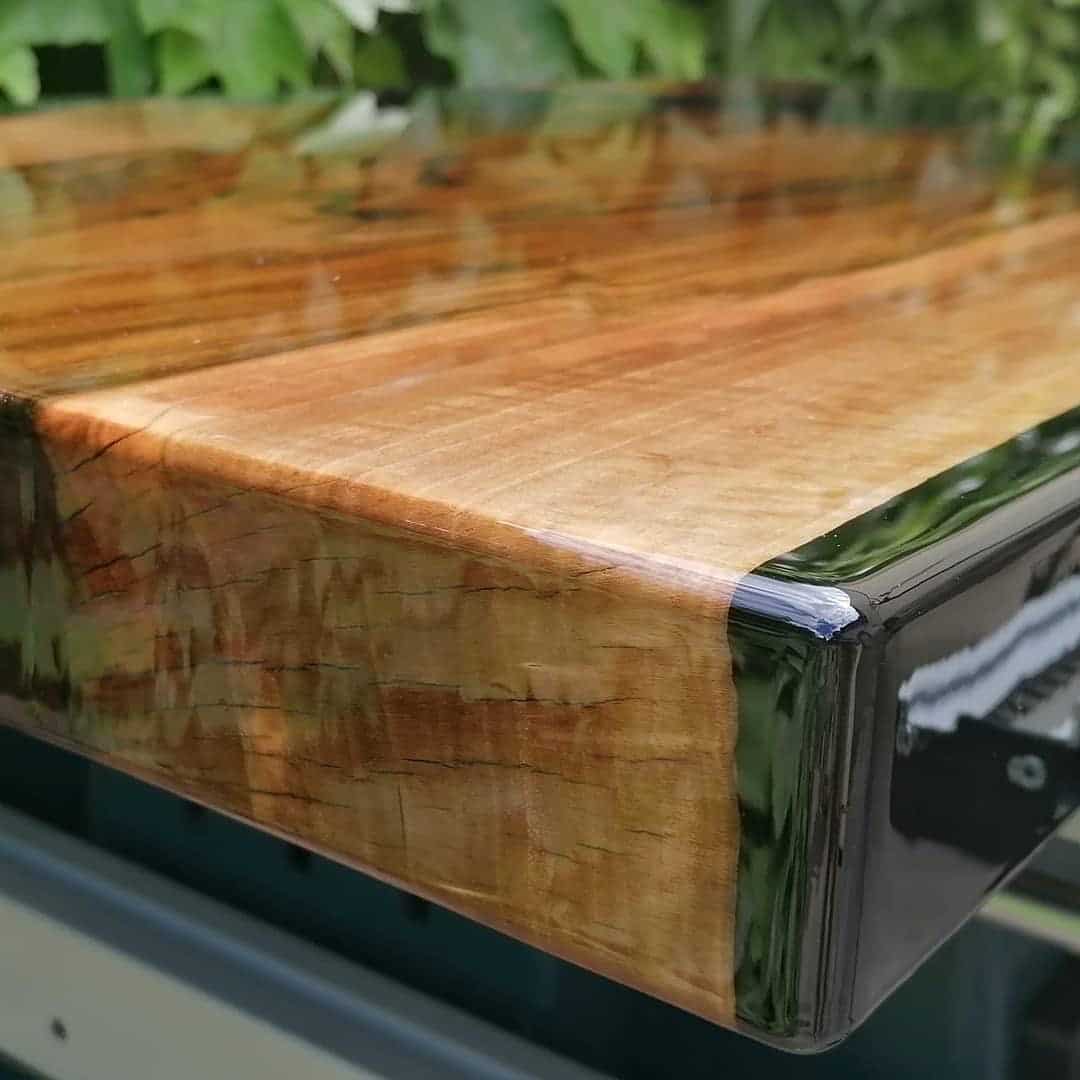
Once cured, carefully remove the slab from the mould. Sand any sharp edges starting with lower grit progressing to higher grits. For premium gloss, polish the surface using fine abrasive pads and polishing compound.
If you wish to simplify project steps or require a ready-to-go bundle, the “River-Table” – Complete Kit for Creating Your First Epoxy Resin Table provides all main materials including polishing pads, silicone, pigments, and detailed instructions fit for beginners or advanced users alike.
Tips and Troubleshooting for Resin Slabs
Pour in layers for thicker slabs: For slabs thicker than your resin’s maximum recommended depth per pour, cast in multiple layers with sufficient curing time between. This helps avoid excessive heat and ensures even structure.
Curing times can vary: Thicker pours and cool environments require longer curing. Be patient to ensure complete hardening and avoid premature handling.
Work temperature matters: Keep your work area within the recommended temperature range to ensure a bubble-free, glossy surface and optimum curing speed. Always wear gloves and follow safety guidance for best results.

Surface Finish and Colour Effects Gallery
Browse real project photos showing various finish options, pigments, and wood-resin combinations. Experiment with colour and gloss to customise your slab. Use these visuals for creative inspiration on your next resin slab project.
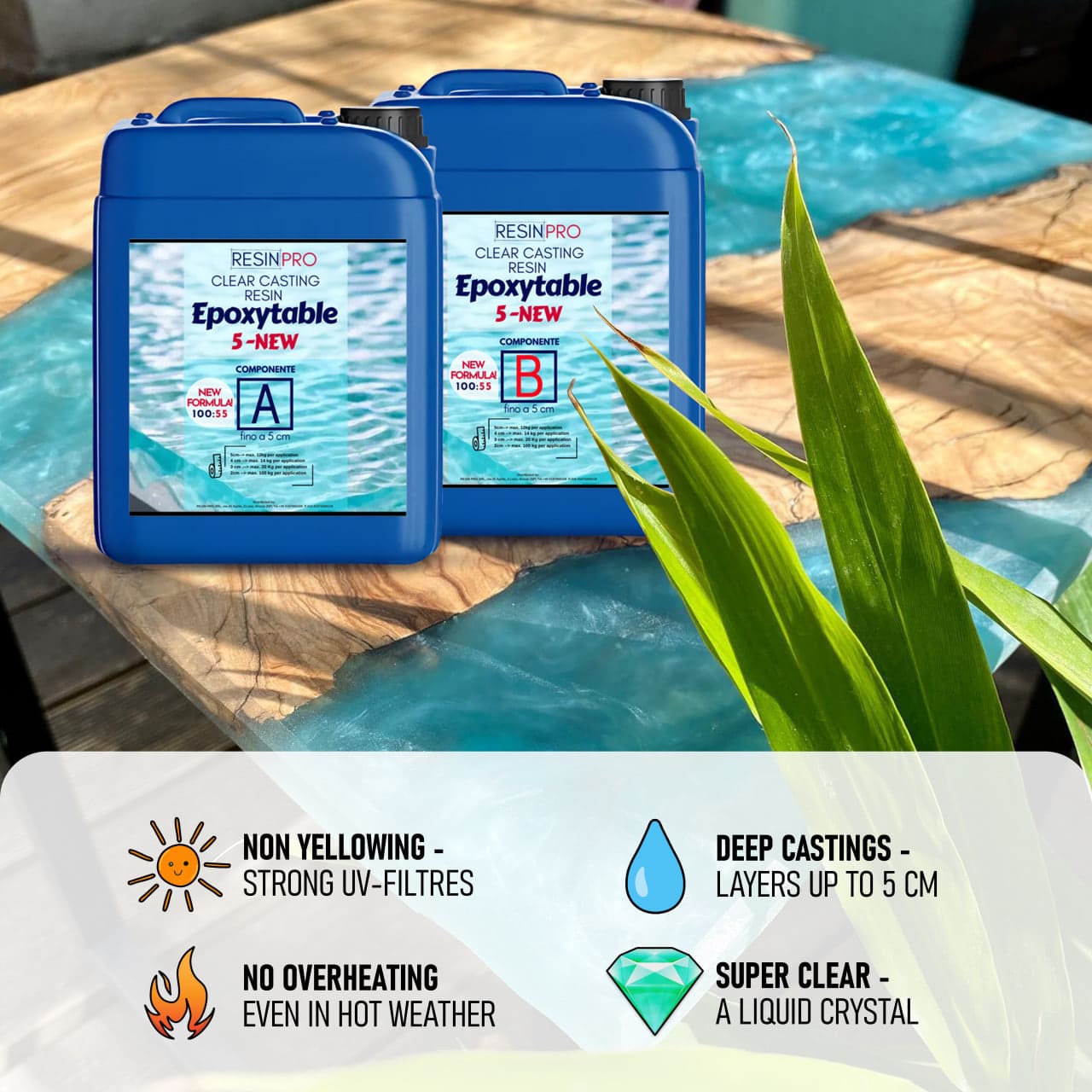
- "EpoxyTable 5-Five" – Deep Pour Epoxy Resin for Tables and Large Projects – Up to 5cmPrice range: £17.95 through £1,154.95"EpoxyTable 5-Five" resin is designed for deep pours up to 5cm, with low viscosity and UV resistance suitable for tables and larger projects.
- “Epoxytable 10-Ten” – Deep Pour Epoxy Resin for Tables, Up to 10cm CastingPrice range: £35.95 through £351.95“Epoxytable 10-Ten” is designed for deep resin casting projects up to 10cm with non-yellowing, low exothermic reaction and long work time.
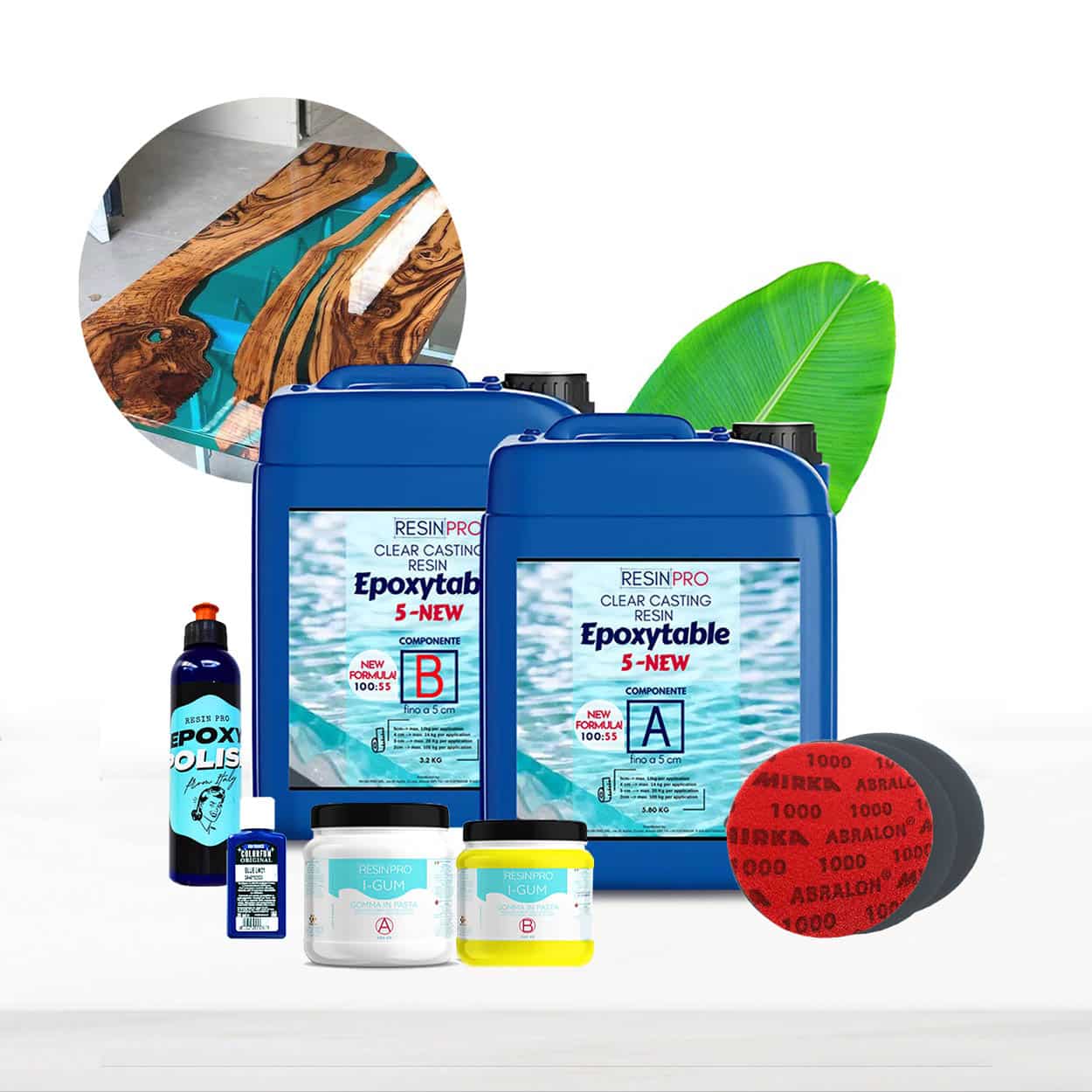 "River-Table" – Complete Kit for Creating Your First Epoxy Resin TablePrice range: £198.45 through £467.45"River-Table" kit provides materials and instructions to create wood and resin tables under the theme How to produce resin slabs?
 "Trasparente" – Multipurpose Clear Epoxy Resin for Casting – Up to 2cmPrice range: £8.95 through £397.95The "Trasparente" clear epoxy resin offers a glossy, self-levelling finish with up to 2cm layers, suitable for detailed casting and woodworking…
Frequently Asked Questions
Which type of resin should I use for 2cm, 5cm, or 10cm thick slabs?
Use 'Trasparente' for up to 2cm, 'EpoxyTable 5-Five' for up to 5cm, and 'Epoxytable 10-Ten' for up to 10cm per pour.
What is the best way to avoid bubbles during resin slab production?
Mix resin slowly, pour steadily, and use a heat gun lightly after pouring to remove surface bubbles.
Is it necessary to pour resin slabs in layers for thick projects?
Yes, for slabs thicker than the maximum per pour, cast in several layers with curing between each.
Does the workshop temperature affect resin curing for slabs?
Yes, low temperatures slow curing and increase bubbles, while high temperatures may cause overheating.
How can I achieve a smooth, glossy finish on my resin slab?
Sand progressively with finer abrasives and finish with a polishing compound for a high-gloss result.
Do starter kits contain all essentials for resin slab making?
Yes, comprehensive kits include resin, pigments, sealing materials, and polishing tools for beginners.