 Free shipping on orders over £29,85
  Shipping Tracking!


 Google
 Facebook
← Back to How to apply polyurethane resins?
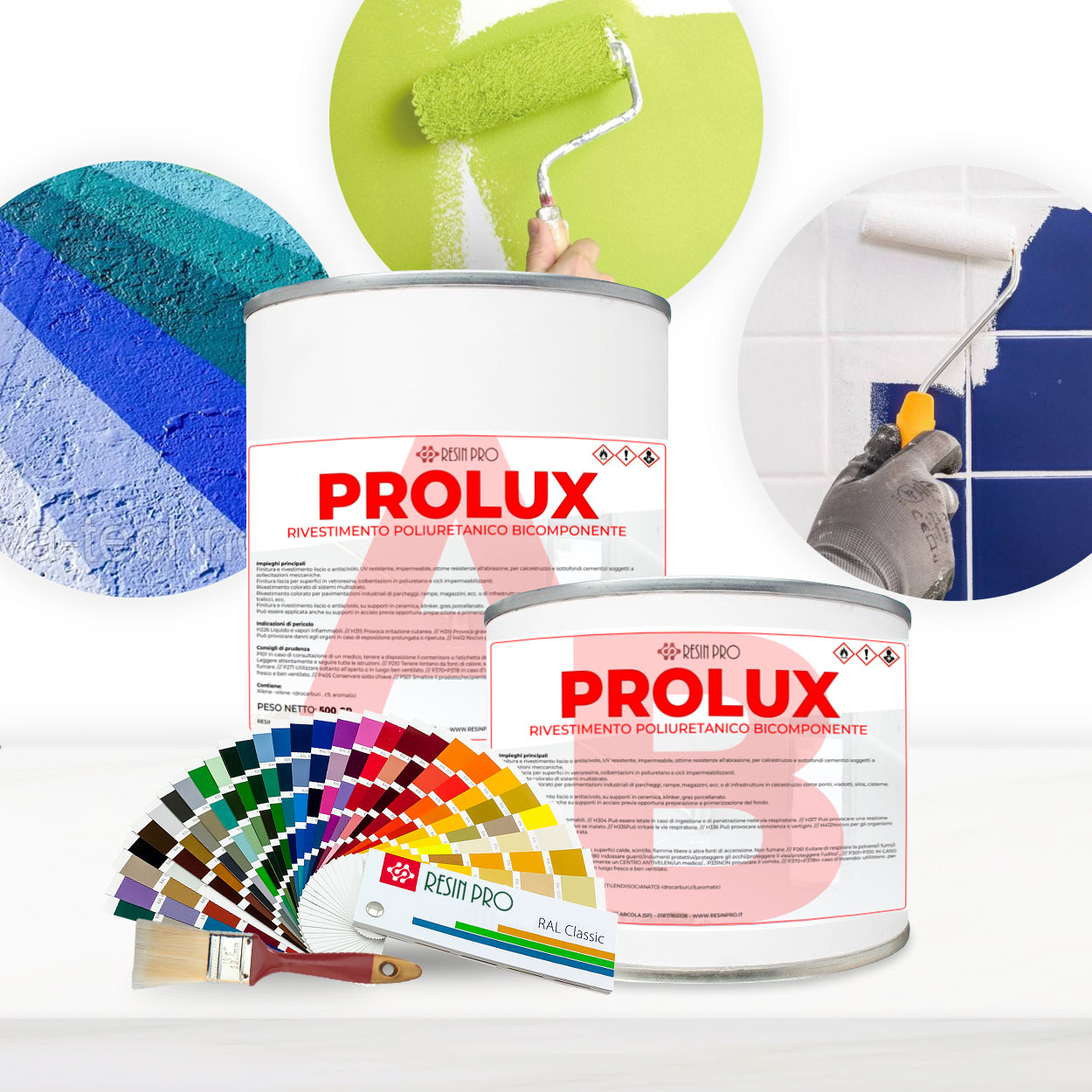
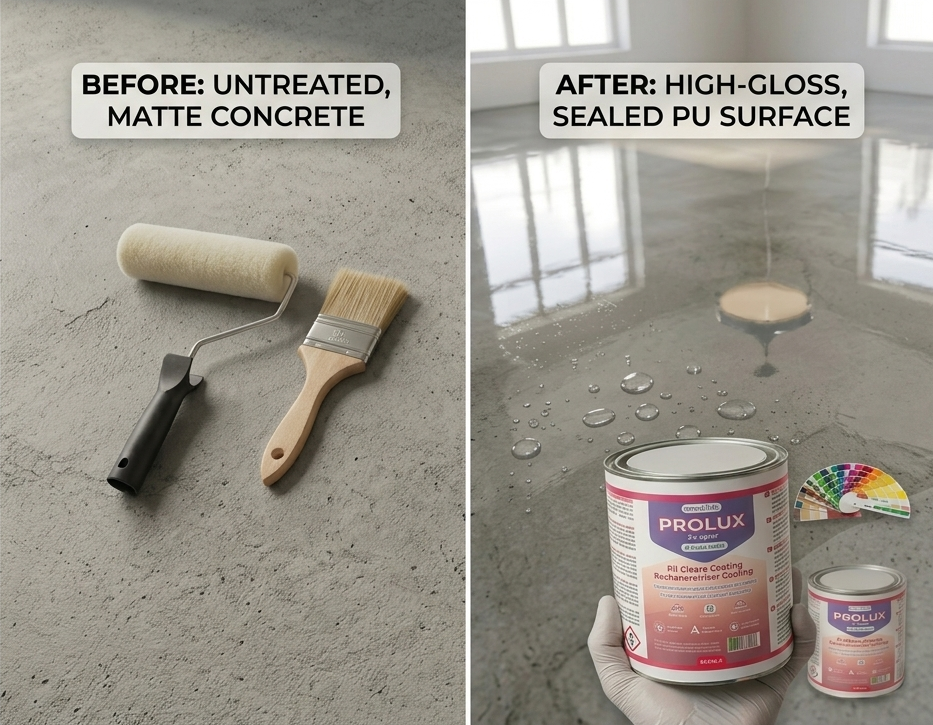
Proper surface preparation is crucial for ensuring a durable and even finish when applying polyurethane coatings. Following the correct steps gives the coating the best chance of bonding well and performing as expected.
Step 1: Clean and Dry the Surface
Begin by thoroughly cleaning the surface to remove dust, dirt, grease, oils, or any residues that could interfere with adhesion. Mild detergent or a specialised surface cleaner may be used. Once washed, allow the area to dry completely before moving to the next step—any moisture trapped beneath the coating can lead to peeling or bubbles.
Step 2: Remove Imperfections and Degrease
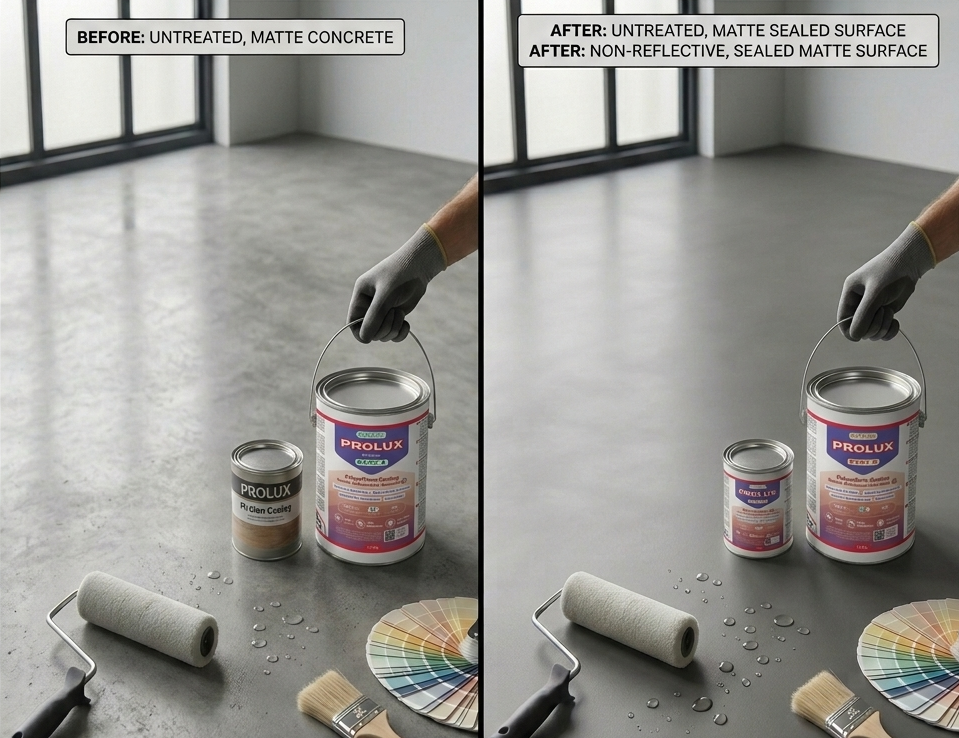
Examine the surface for stubborn spots, rust, or uneven areas—abrasive pads or sandpaper can be used on tough marks or rust patches (especially on steel or metal). For ceramics, concrete, or tiles, ensure the surface is matte and not glossy, lightly sanding if needed. Finish by wiping down with a degreasing cloth to ensure no oily residue remains.
Step 3: Application Guidance and Priming
Some surfaces, such as steel or particularly porous concrete, may benefit from a specialised primer to promote adhesion and create a more uniform base. Refer to the product’s data sheet for recommendations before applying the final polyurethane layer. For versatile options like Prolux PU coating, confirming the compatibility with your surface type is advised for best results.

When Good Preparation Matters
Preparation is especially important in demanding environments such as driveways, warehouses, or high-traffic walkways, where long-lasting performance is essential and exposure to moisture or traffic is frequent.
Related products
Related guides
Thorough surface preparation is the foundation of any successful polyurethane coating project. For step-by-step application techniques and choosing the best product for your needs, explore our full guide on applying polyurethane resins.