 Free shipping on orders over £29,85
  Shipping Tracking!


 Google
 Facebook
How are epoxy powders composed?
Understand pigment, glitter, and additive composition for epoxy art.

If you want to understand what makes up epoxy powders and how their composition influences resin art, jewellery, or DIY projects, this page is for you. We’ll break down the essential components behind common epoxy powder types—pigments, effect additives, and glitter—so you can make informed choices for your specific creative goals.
Comparing Epoxy Powder Types and Their Composition
Epoxy powders come in various forms, each tailored to produce unique visual or physical effects in resin-based projects. The primary types include pigment powders (for colouration), effect additives (for patterns or dispersion), and metallic or pearl glitters (for sparkle). While all integrate easily into resin systems, their base compositions differ: colour pigments are typically melamine-based, effect additives use reactive agents, and glitters contain metallised polyester. Choosing the right powder depends on both the finished look you want and compatibility with your specific resin product.
Visual Effects from Epoxy Powder Composition
See how melamine-based neon pigments, metallised glitters, and reactive powder additives each impact resin artwork, showing the diversity of effects possible with different base materials.
“Neon” – Bright Powder Pigments – 10g: Coloured Pigment Powders
For vibrant, neon-coloured effects in epoxy resin, “Neon” – Bright Powder Pigments – 10g offer a simple way to enhance your projects. These powders are composed of a coloured polycondensate of melamine resin, providing stability and resistance to heat up to 200 °C. Their composition ensures reliable dispersion and consistent colouration when stirred into resin (best added to Component A before introducing the hardener). These are ideal for resin jewellery, decorative art pieces, or custom DIY creation that require genuinely bright, non-florescent shades. Note: while the neon effect is brilliant, these pigments are not designed to glow in the dark.
“Wave-Pro” – Pigment Additive for Sea Wave Effect in Epoxy Resin: Reactive Effect Powders
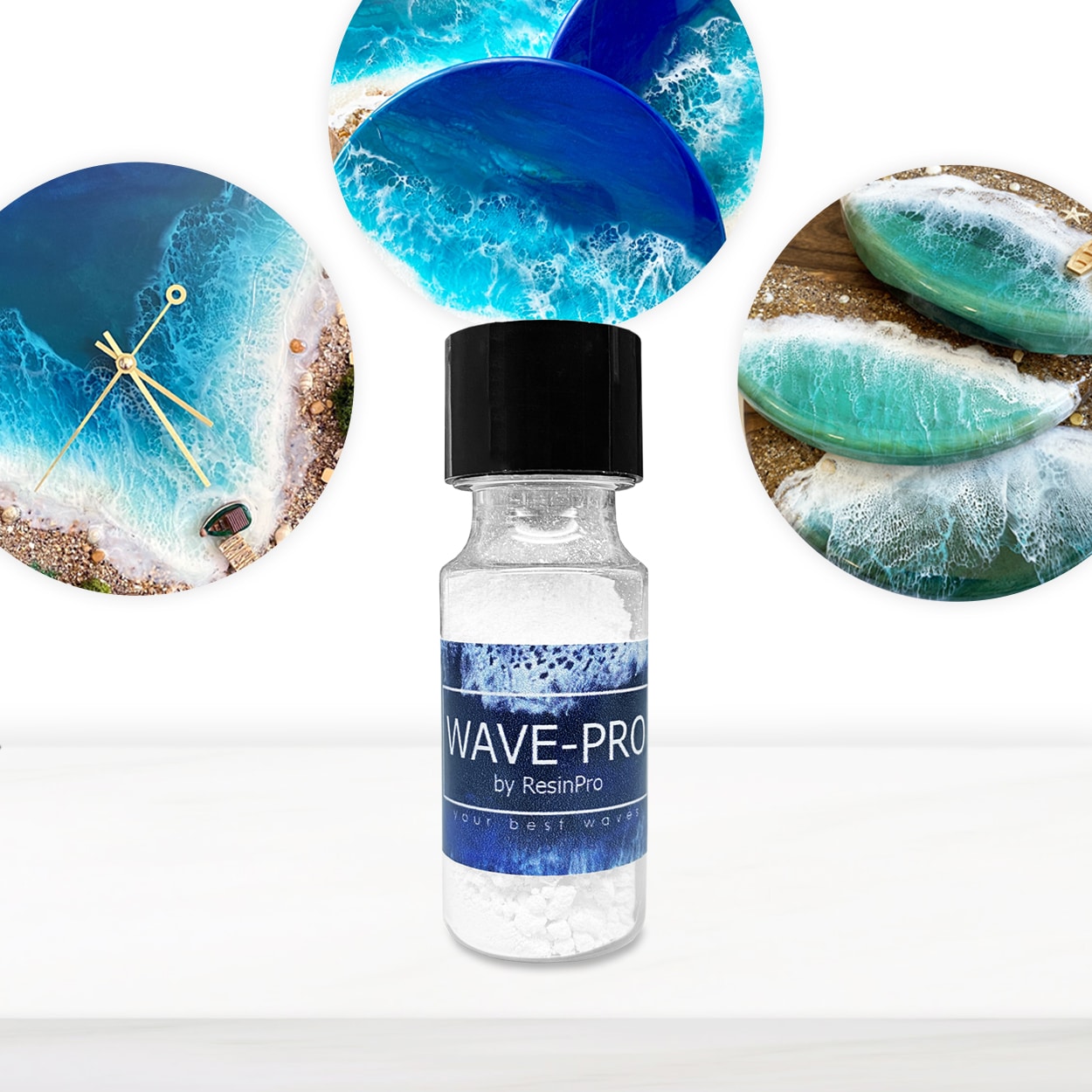
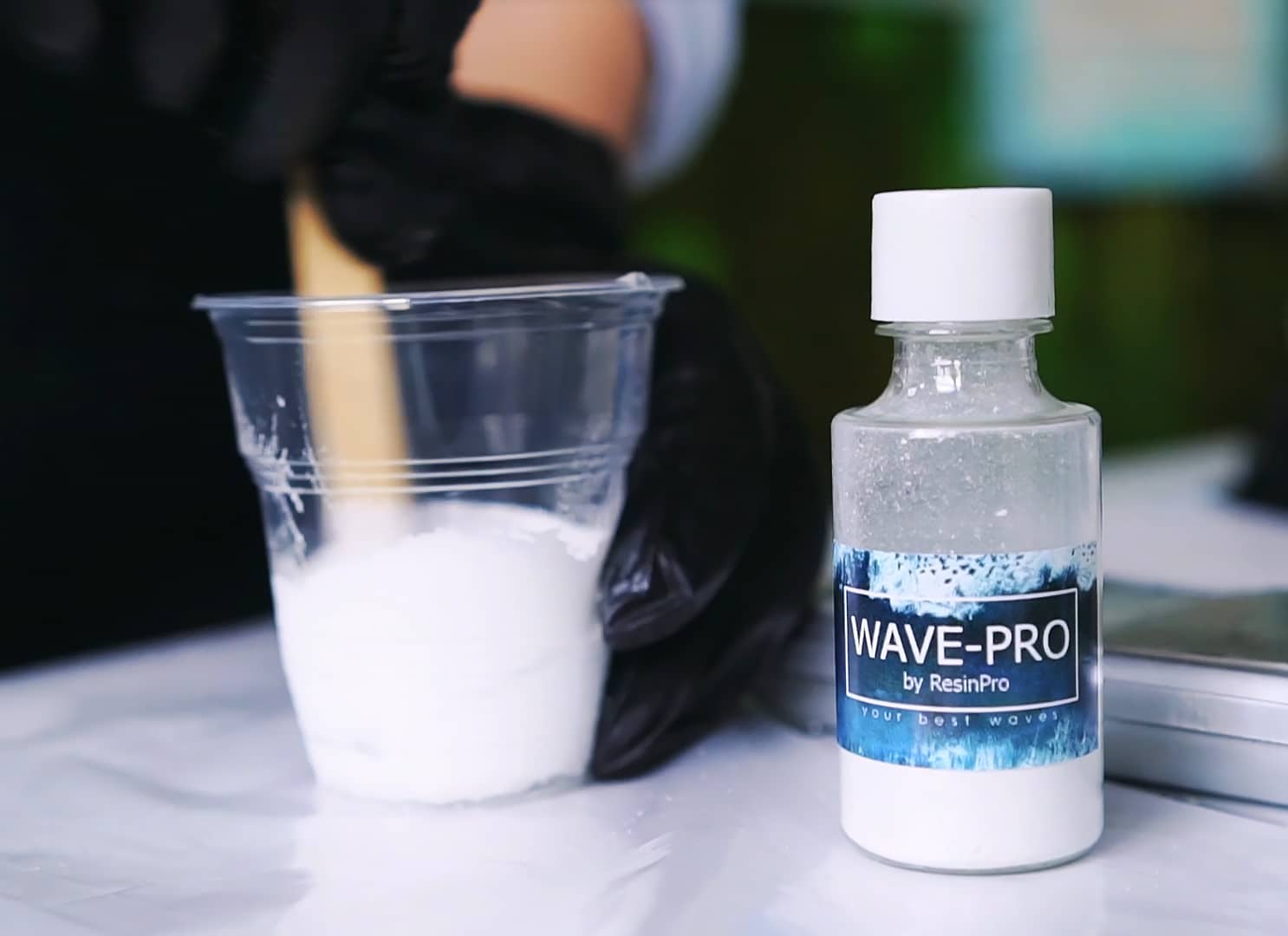
If your project needs lifelike cell or wave textures, “Wave-Pro” – Pigment Additive for Sea Wave Effect in Epoxy Resin is a unique powder composed with reactive, non-toxic agents. Unlike traditional pigment powders, its composition physically disperses wet resin, shaping organic wave and cell patterns as it reacts. Remarkably, it contains no alcohol, solvents, or VOCs, ensuring it will not affect gloss or structural integrity. The odourless, non-flammable formulation allows safe use in home studios or classrooms, making professional-level ocean art more accessible—no torch or heat gun required.
Metallic Pearl Glitter for Crafts and DIY, 10g: Glitter Powders for Sparkle
To introduce radiant shine to your resin work, Metallic Pearl Glitter for Crafts and DIY, 10g provides fine metallic particles formulated from metallised polyester film with a high aluminium content (98%). This construction ensures maximum reflectivity and a consistent sparkle throughout your creations. The glitter is easy to blend into liquid resin and can be used across a wide range—from intricate jewellery to bold home décor. It’s best suited for artists and crafters looking to enhance the visual depth and luminosity of their epoxy projects.
Key Tips for Choosing and Using Epoxy Powders
Selecting the best epoxy powder starts with your project requirements: opt for pigment powders where strong colour is the priority, effect powders for dynamic patterns, and metallic-based glitters for a sparkling finish. Always check a powder’s composition for compatibility—melamine pigments for heat resistance, reactive powders for special effects, and aluminium-based glitters for shine. When adding powders, ensure thorough mixing to prevent clumps and achieve a uniform result. Remember that certain powders, such as neon pigments, may create brilliant effects but are not suitable for glow-in-the-dark applications. Proper technique and understanding of powder composition will enhance both the safety and the outcome of your resin projects.
Selecting Powders for Artistic Results
For bold colour use neon pigments, for dramatic ocean patterns choose reactive effect additives, and for shimmering highlights incorporate metallic pearl glitters in your resin projects.
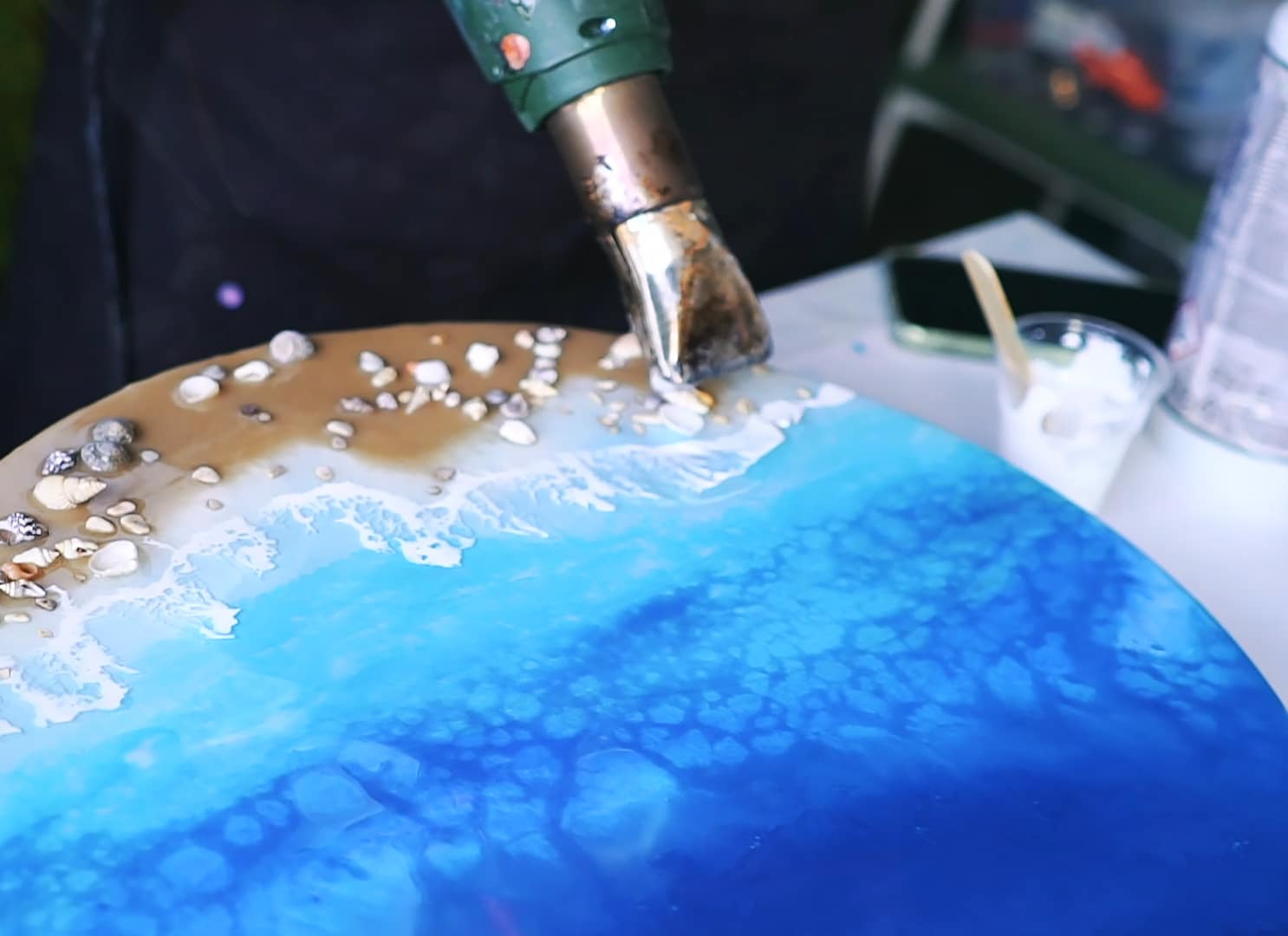
- “Neon” – Bright Powder Pigments – 10g“Neon” bright powder pigments offer coloured base shades suitable for DIY decoration and resin art.
- "Wave-Pro" – Pigment Additive for Sea Wave Effect in Epoxy ResinPrice range: £4.45 through £11.45The Wave-Pro additive creates lifelike wave and cell effects in epoxy resin for ocean-themed art, safe and compatible with various pigments.
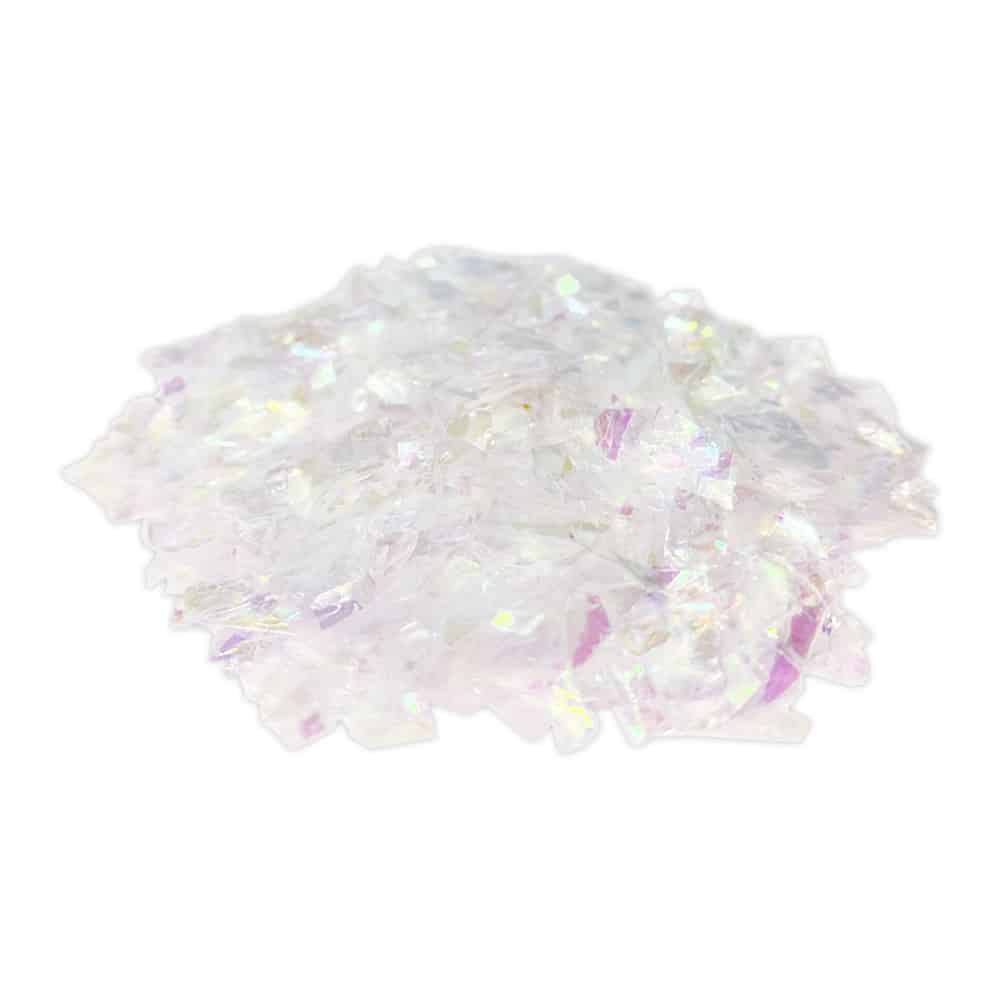 Metallic Pearl Glitter for Crafts and DIY, 10g£3.00Metallic Pearl Glitter offers a fine sparkle to resin projects, suitable for crafts and DIY under the theme of epoxy powder composition.
Frequently Asked Questions
What is the difference between pigment powders and effect additives?
Pigment powders provide solid colours, while effect additives like Wave-Pro create patterns or textures by physically dispersing resin.
Are epoxy powders heat resistant?
Melamine-based pigment powders can withstand temperatures up to 200 °C, while other types may have different tolerances depending on their composition.
Are neon pigments fluorescent or glow in the dark?
No, neon pigments produce brilliant colours but do not glow in the dark or have phosphorescent effects.
Can you mix different epoxy powders together?
Yes, powders can often be combined for custom effects, but always check for compatibility and mix thoroughly before use.
How can I achieve wave effects in resin?
Use a reactive powder additive like Wave-Pro to physically disperse resin and create organic cell or wave patterns.
What is the best way to incorporate glitter into epoxy resin?
Add metallic glitter into liquid resin and stir thoroughly to distribute the sparkle evenly without clumps.
Are epoxy powders safe for home use?
Most are safe when used as directed; products like Wave-Pro are non-toxic and solvent-free for added safety.
Why does composition matter in epoxy powders?
Composition affects colour stability, mixing results, durability, and the specific visual effects you can achieve with each powder.