 Free shipping on orders over £29,85
  Shipping Tracking!


 Google
 Facebook
← Back to How to harden resin?
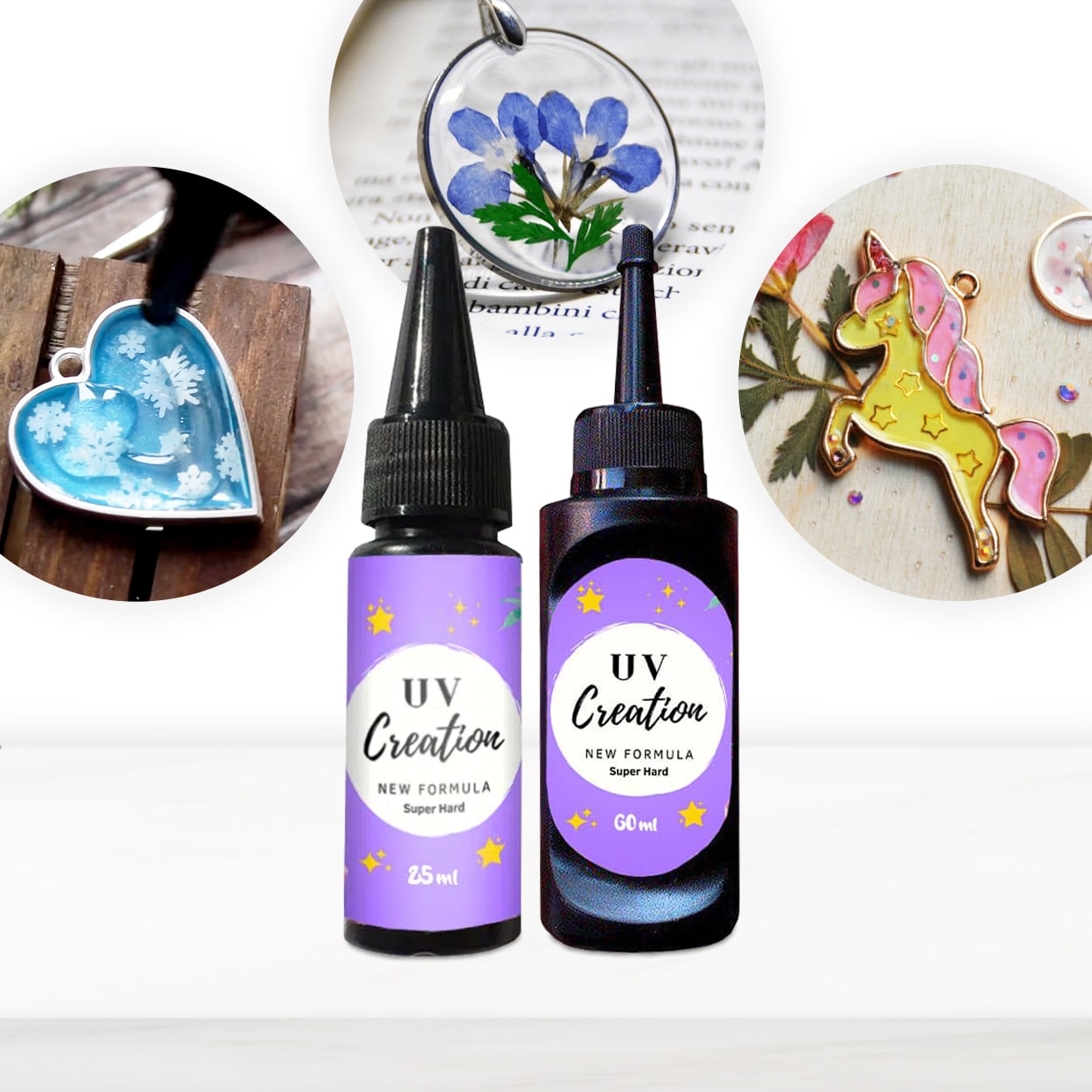

Discovering sticky or soft resin after curing can be frustrating, but there are practical ways to recover your project. Understanding the causes is key to preventing and fixing these resin mishaps.
Why Does Resin Stay Sticky or Soft?
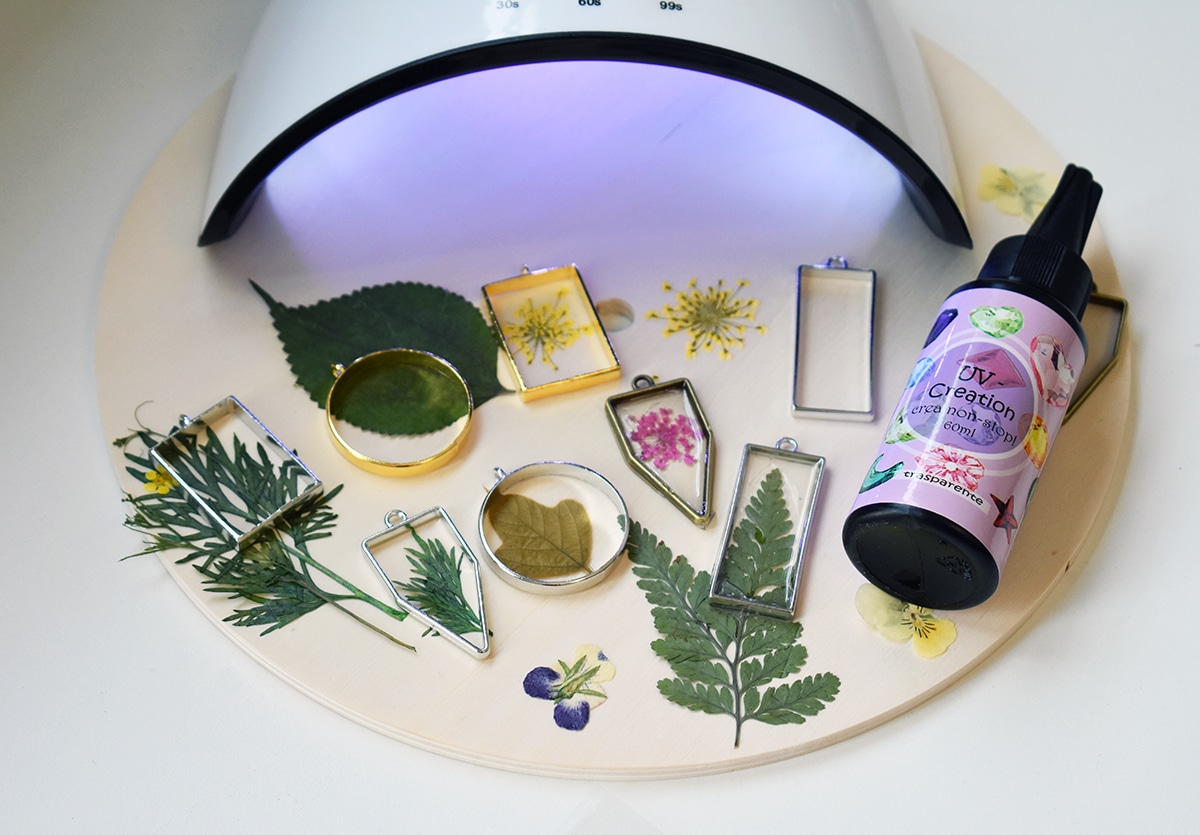
Typically, tacky or under-hardened resin is linked to issues with mixing ratios or inadequate curing conditions. Even small inaccuracies in measuring resin and hardener can prevent complete curing—this applies especially to two-part epoxies. For UV-cured acrylic resins, insufficient exposure to ultraviolet light can cause surface stickiness.
Practical Steps to Fix Your Resin
- Check Your Mix: For epoxies, ensure you use the correct ratio and mix thoroughly, scraping the sides and base of your container.
- Reapply a Thin Layer: Scrape away any uncured resin, then apply a fresh, thin coat—especially effective for UV resins like UV–Creation.
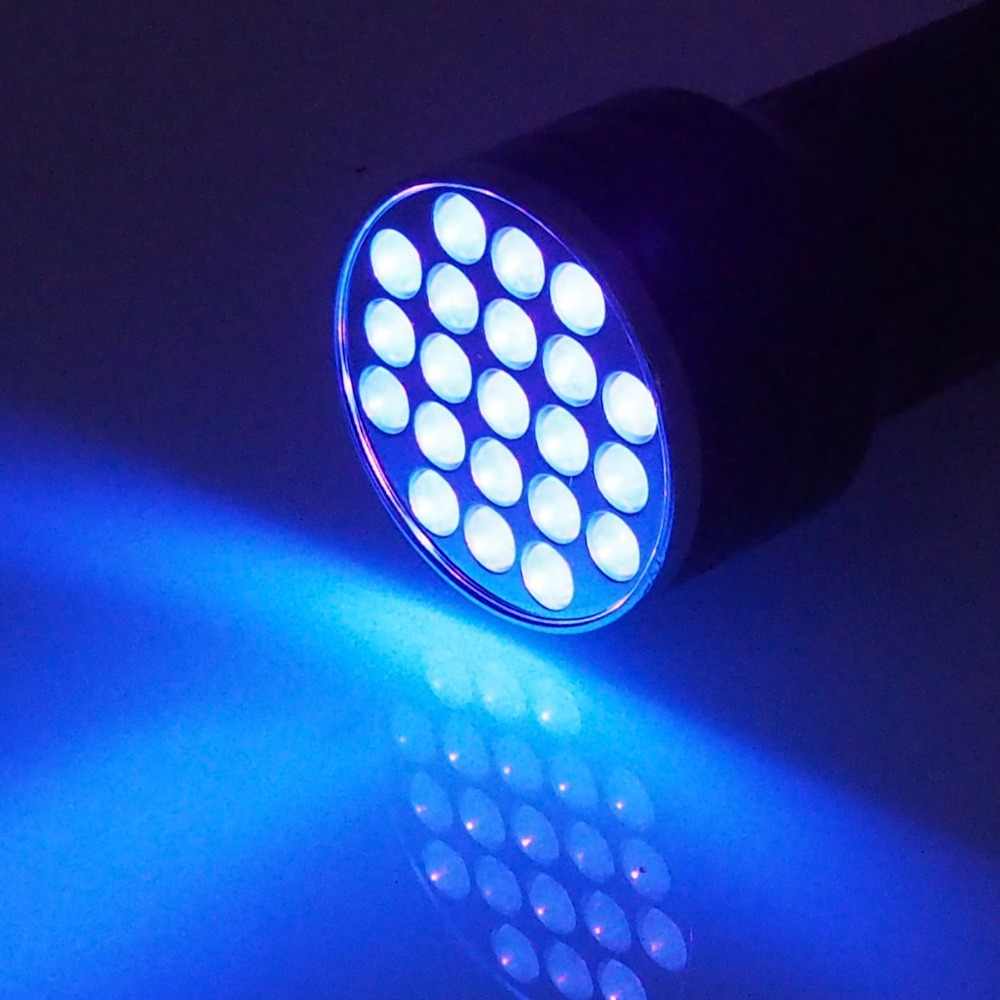
- Boost Curing: Increase UV lamp exposure for acrylic resins or allow extra time and warmth for epoxies. A reliable UV torch, like the 21 LED UV Torch, can provide even, consistent curing for detail work.
When This Matters
Quick action is especially important for jewellery, decorative crafts, or projects needing a perfect finish. Sticky resin not only mars appearance but may also trap dust or damage moulds. Using the right product and curing technique helps ensure a flawless, durable surface.

Related products
Related guides
Troubleshooting soft or tacky resin helps build confidence and skill with every project. For more guidance on the curing process and recommended products, visit our main How to Harden Resin guide.