 Free shipping on orders over £29,85
  Shipping Tracking!


 Google
 Facebook
What should resin be diluted with?
A practical guide to safe and effective resin dilution options

Understanding how to dilute resin—whether for casting projects, resin art, or surface finishes—can make a significant difference in your results. This guide is intended for artists, DIY enthusiasts, and anyone working with resin who wants clarity on which diluting agents to use, when, and why. We compare popular solutions recommended for different project types, helping you choose the right method to achieve the finish and performance you want.
Overview: Safe and Effective Resin Dilution Methods Compared
Various resins require different approaches when it comes to dilution. While some modern resins are designed to mix with water or activate via unique additives, others rely on specific, high-purity solvents to maintain transparency or develop special effects. Using the wrong diluting agent can lead to tackiness, poor curing, or compromised durability. In this section we highlight the key differences between water-based mineral resins, isopropyl alcohol for epoxy effects, and all-in-one kits that include the necessary agents for dilution and creativity.
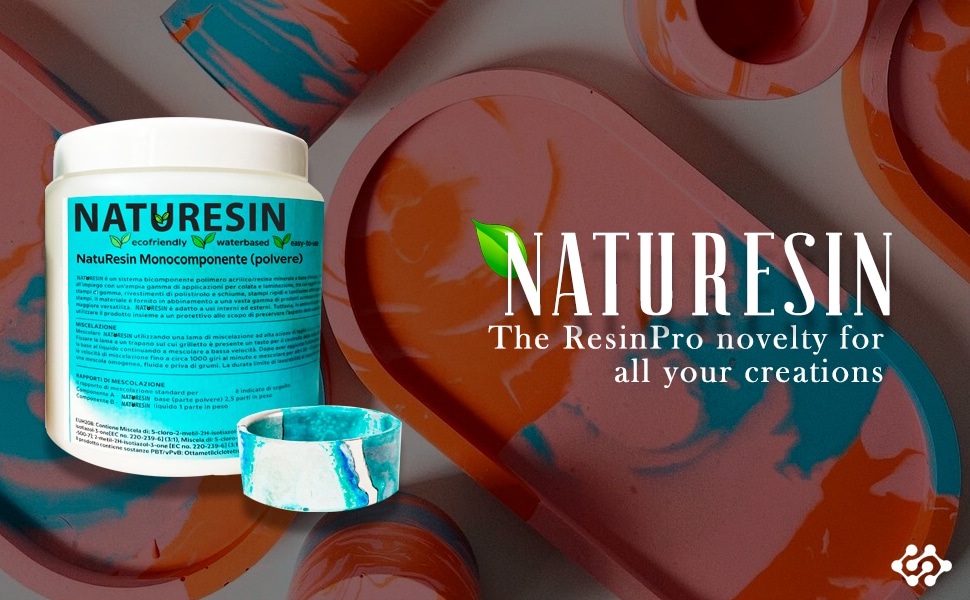
Visual Guide: Resin Dilution in Action
See the difference between water-activated, solvent-assisted, and all-in-one resin systems in various creative and construction scenarios. Understand how dilution transforms results in resin art, casting, and surfacing projects.
Pure Isopropyl Alcohol 99.9% for Epoxy Resin Projects
Pure Isopropyl Alcohol 99.9% – 1000ml Bottle for Epoxy Resin Projects & DIY is a go-to choice for those seeking to remove trapped air bubbles from epoxy resin or to create dramatic effects using pigments. Its ultra-high purity ensures that it evaporates cleanly and does not leave residues. In resin art, a few drops of isopropyl alcohol allow artists to manipulate colours and develop beautiful cell patterns without compromising the clarity or structural integrity of their projects. It’s also commonly used to clean moulds and surfaces prior to pouring, ensuring optimal results every time. High Purity: 99.9% pure, leaving no residues. Bubble Removal: Eliminates air bubbles from resin surfaces. Versatile Use: Ideal for cleaning electronics and preparing moulds. Creative Application: Helps create beautiful effects in resin art.
NatuResin – Activated with Tap Water
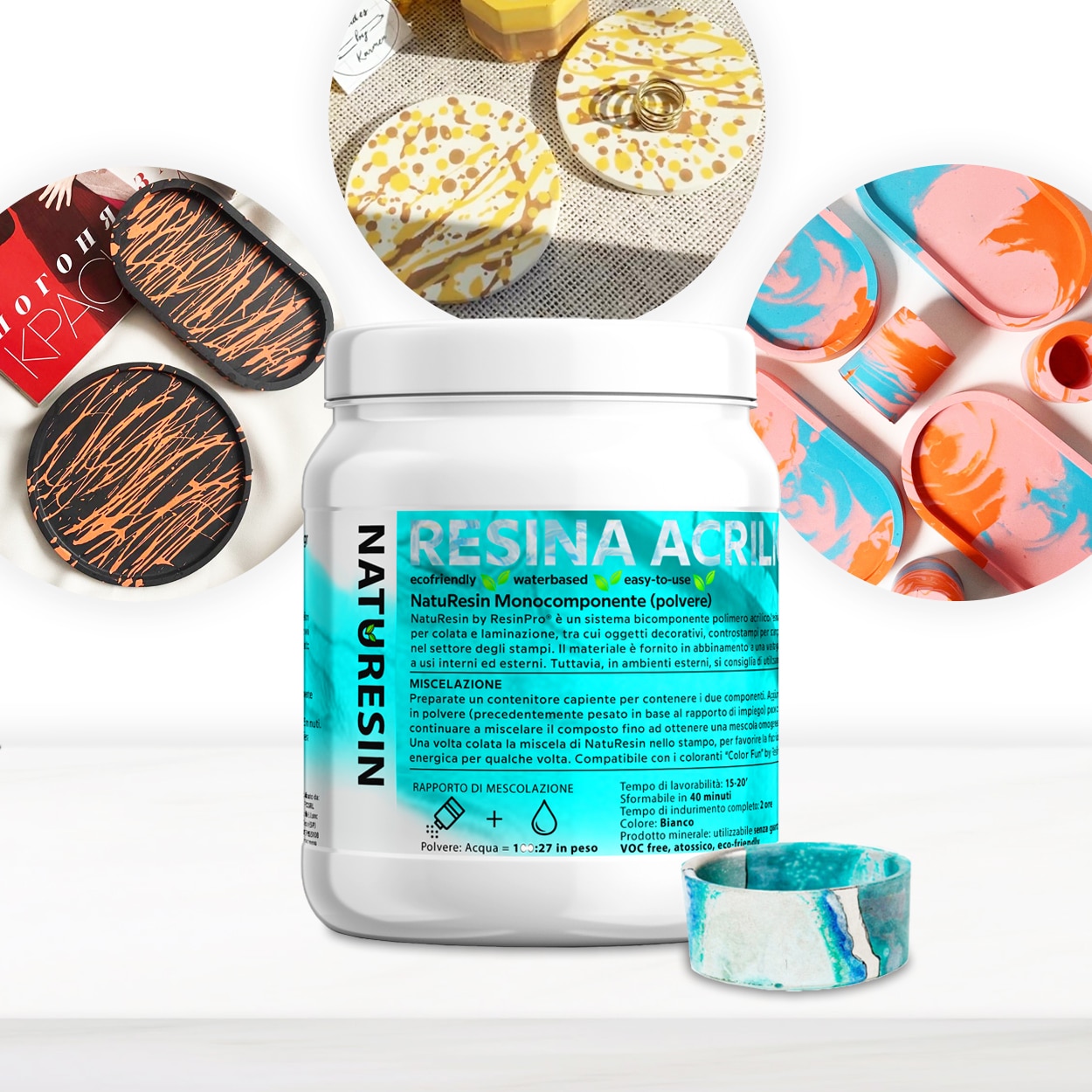
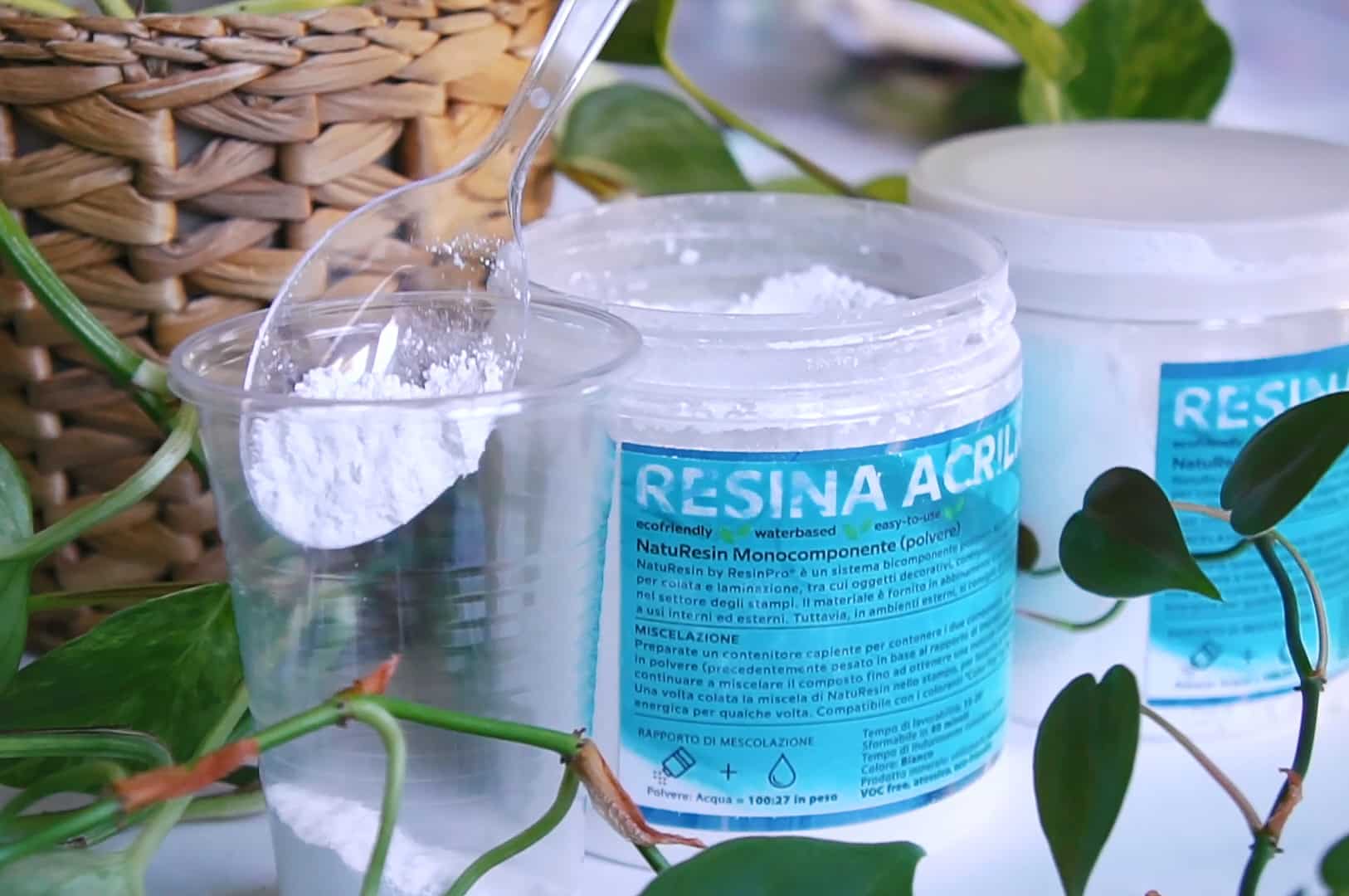
If you are looking for a safe, eco-friendly, and straightforward resin for small decorative castings, “NatuResin” – Mineral Resin & Water System for Creative Casting and Crafts is designed to be mixed exclusively with water. This cutting-edge mineral resin does not contain solvents or chemicals and requires nothing more than tap water for activation. The resulting product boasts a ceramic-like finish suitable for both indoor and outdoor use. This approach is perfect for crafters or anyone sensitive to traditional resin odours, providing a Eco-friendly & VOC-free mineral resin formula and Solvent-free and safe – no gloves required experience that remains highly customisable after curing. Ceramic-like hardness for indoor & outdoor use and Customisable with pigments & paints after curing make this system a popular choice for user-friendly, creative applications.
Stone Effect Collection – All-in-One Epoxy Resin Kits
For those undertaking more ambitious surface projects, such as worktop transformations, the “Stone Effect Collection” – Marble Epoxy Resin Countertop Kit provides everything you need, precisely measured for professional results. These kits are designed to be self-levelling and contain all required additives, including isopropyl alcohol, to achieve realistic stone and marble effects. The alcohol included is not used for actual dilution of the resin mix but rather for creative veining and colour transitions. The kit’s approach ensures a consistent, mirror-like finish with Self-levelling crystal-clear resin for an impeccable, mirror-like surface that forgives beginner mistakes and All-in-one kit includes pigments, dyes, isopropyl alcohol (essential for creating realistic marble veins and smooth colour transitions), and tools for reliable, repeatable results. Coverage precisely calculated for 1–8 m², helping you plan your project budget exactly and Durable, scratch- and wear-resistant finish suitable for active use.
Choosing a Dilution Agent: Project Types and Safety Tips
Selecting the right diluting solution depends on your resin type and the end use of your work. For cleaning and special effects, opt for high-purity isopropyl alcohol, especially when working with epoxies. If your priority is safety and working in poorly ventilated spaces, a water-based system like NatuResin may be preferable. Always follow product instructions to avoid under-curing or damage. Never attempt to dilute two-part epoxy resins with water—this will compromise the final strength and finish. Equally, only use provided additives from complete kits when working on dedicated countertop or surface systems.
Pro Tips for Safe and Stunning Resin Dilution
Work in ventilated spaces when using solvents. Measure carefully and always read the instructions provided with your resin system to get the best finish every time.
- Pure Isopropyl Alcohol 99.9% – 1000ml Bottle for Epoxy Resin Projects & DIYPrice range: £10.45 through £20.95Pure Isopropyl Alcohol 99.9% is suitable for epoxy resin projects and helps remove bubbles and create effects, fitting the theme of resin dilution.
- “NatuResin” – Mineral Resin & Water System for Creative Casting and CraftsPrice range: £18.95 through £104.95“NatuResin” is a water-activated mineral resin designed for creative casting projects, offering a safe, eco-friendly choice for crafts.
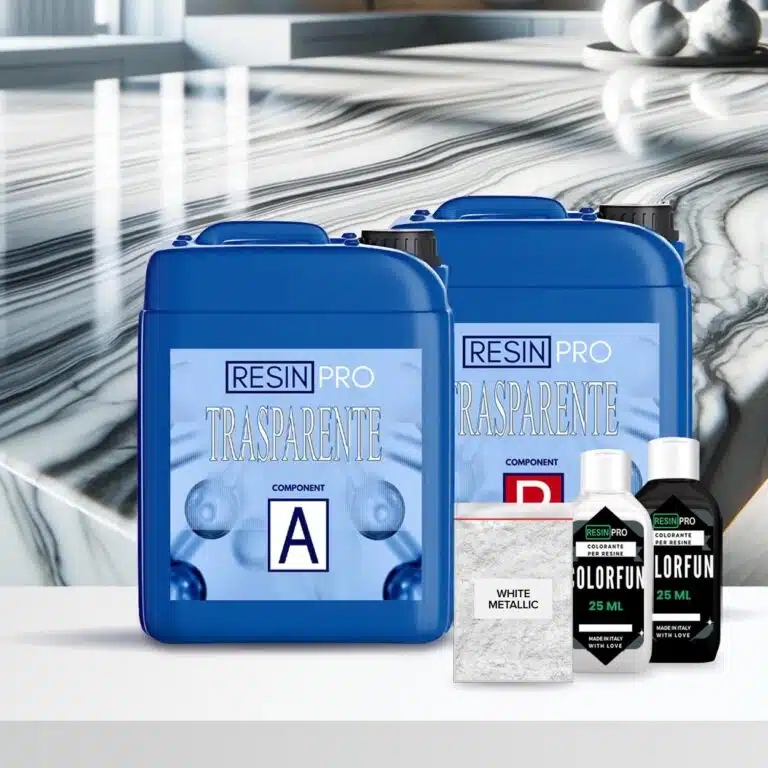 "Stone Effect Collection" – Marble Epoxy Resin Countertop KitPrice range: £57.95 through £272.95"Stone Effect Collection" is an epoxy resin countertop kit designed for durable marble and stone effect surfaces in kitchens and bathrooms.
Frequently Asked Questions
Can you dilute epoxy resin with water?
No, water should not be used to dilute two-part epoxy resin as it can prevent proper curing and compromise strength.
How do you remove bubbles from resin?
A small amount of isopropyl alcohol can be sprayed or dripped on the resin surface, releasing air bubbles effectively.
Is NatuResin safe for resin craft?
Yes, NatuResin is solvent-free, non-toxic, and can be safely handled without gloves, making it ideal for home environments.
Which diluting agent is best for resin art?
Isopropyl alcohol is preferred for creating effects in resin art, such as cells and veining, while maintaining clarity.
Can you use alcohol to create cells in resin?
Yes, isopropyl alcohol reacts with pigments, helping to form cells or patterns during the resin curing process.
Are countertop kits supplied with dilution agents?
Yes, complete kits like the Stone Effect Collection include all required additives for surface and effect creation.