 Free shipping on orders over £29,85
  Shipping Tracking!


 Google
 Facebook
← Back to How do you work marble, resin, and quartz?
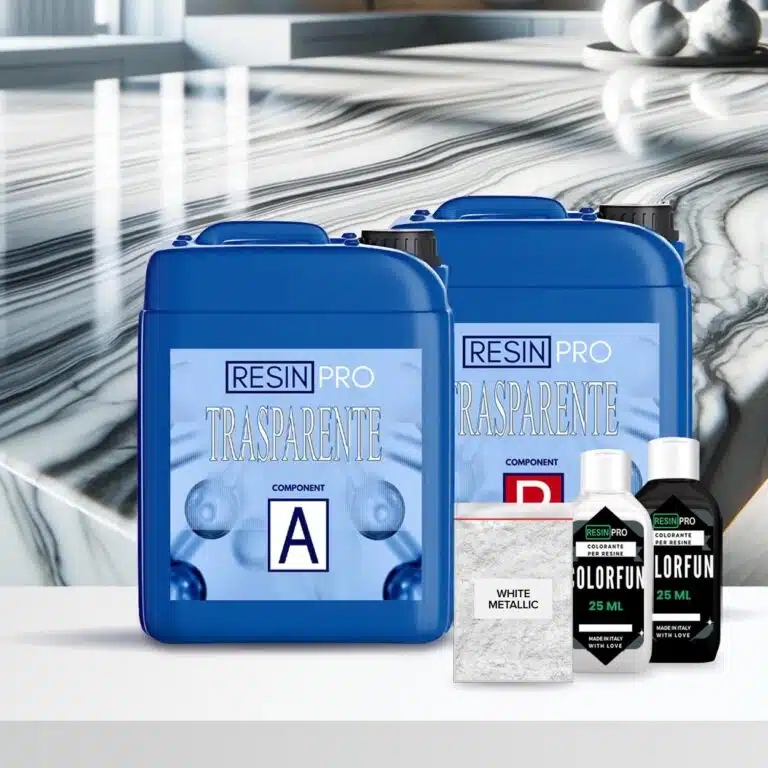
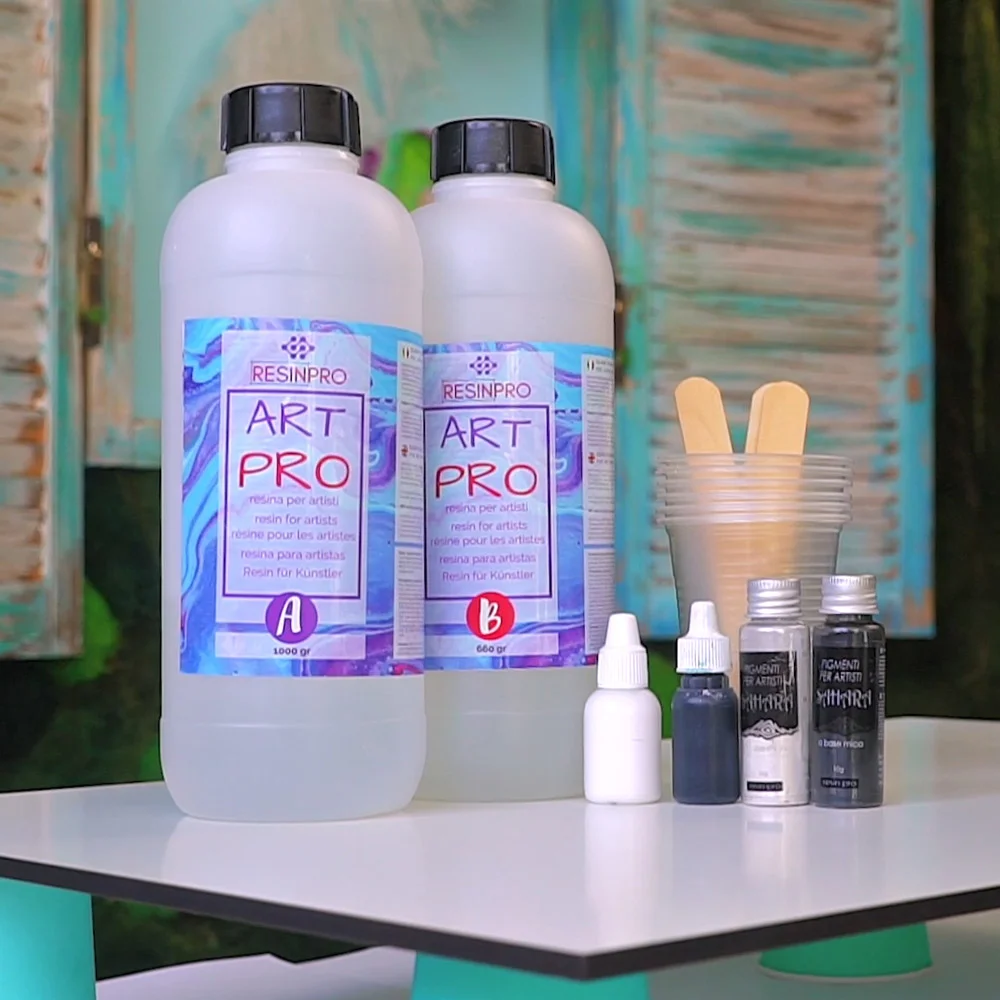
Proper surface preparation is key to ensuring successful repairs and long-term durability for marble, resin, and quartz. This guide outlines essential steps and practical tips before you begin your next restoration project.
Essential Cleaning and Inspection
Start by thoroughly cleaning your surface. Use isopropyl alcohol to remove grease, dirt, and any residues; this promotes good adhesion for repair materials. Ensure all dust, debris, and loose particles are cleared away. After cleaning, carefully inspect the area for chips, cracks, or deeper damage. If any loose fragments are present, remove them gently for a stable base.

Filling and Repairing Damage
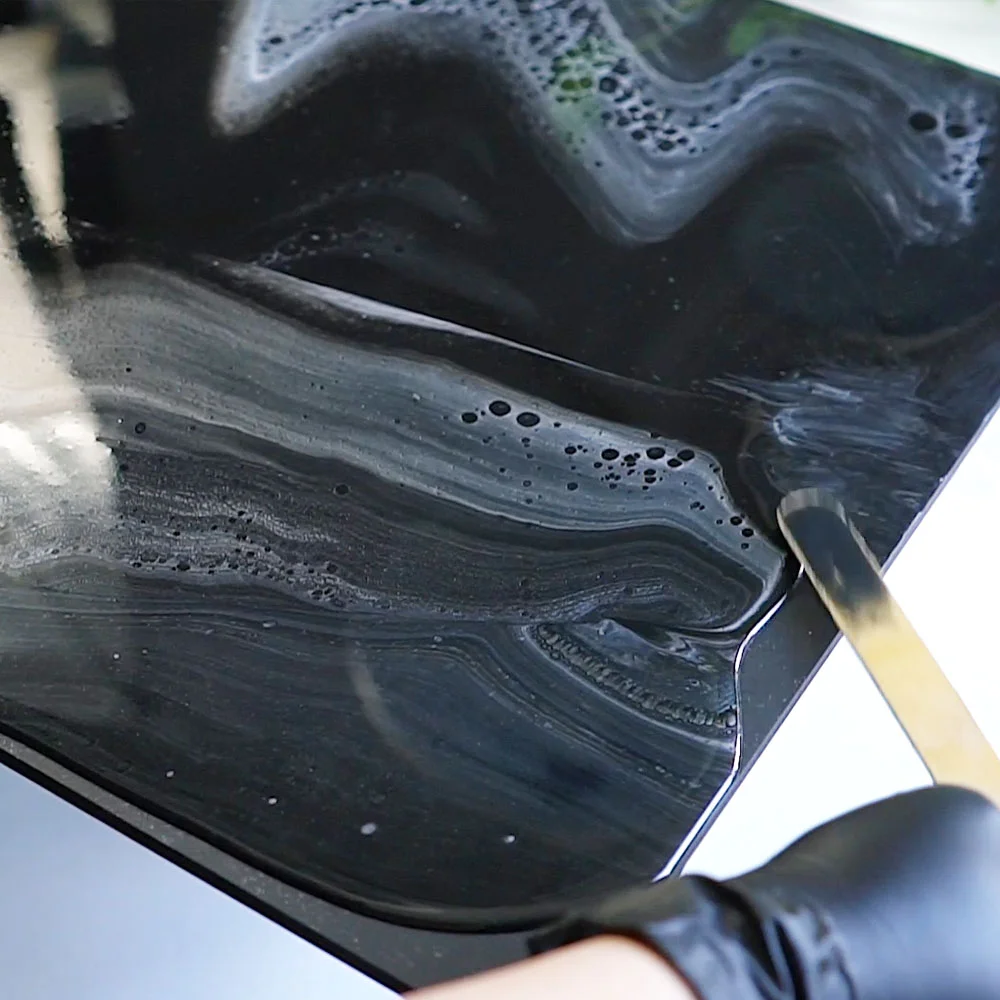
Once the surface is clean, address any chips or cracks. For stone or composite surfaces, an epoxy mastic like Magelstick Epoxy Mastic is an excellent choice, offering strength and minimal shrinkage suitable for both horizontal and vertical applications. Mix the product as instructed and apply only to dry, dust-free areas. Allow it to cure properly before moving on to sanding or finishing.
Choosing the Right Repair Product
The type of repair material you select will depend on your surface and project requirements. For restoring stone-effect surfaces such as marble or quartz countertops, purpose-designed kits like the Stone Effect Collection Marble Epoxy Resin Countertop Kit provide all-in-one solutions, including cleaning agents, pigments, and necessary tools. For deeper or structural repairs, especially on tables or furniture pieces, deep pour resins such as EpoxyTable 5-Five can be considered.
When Surface Preparation Matters Most
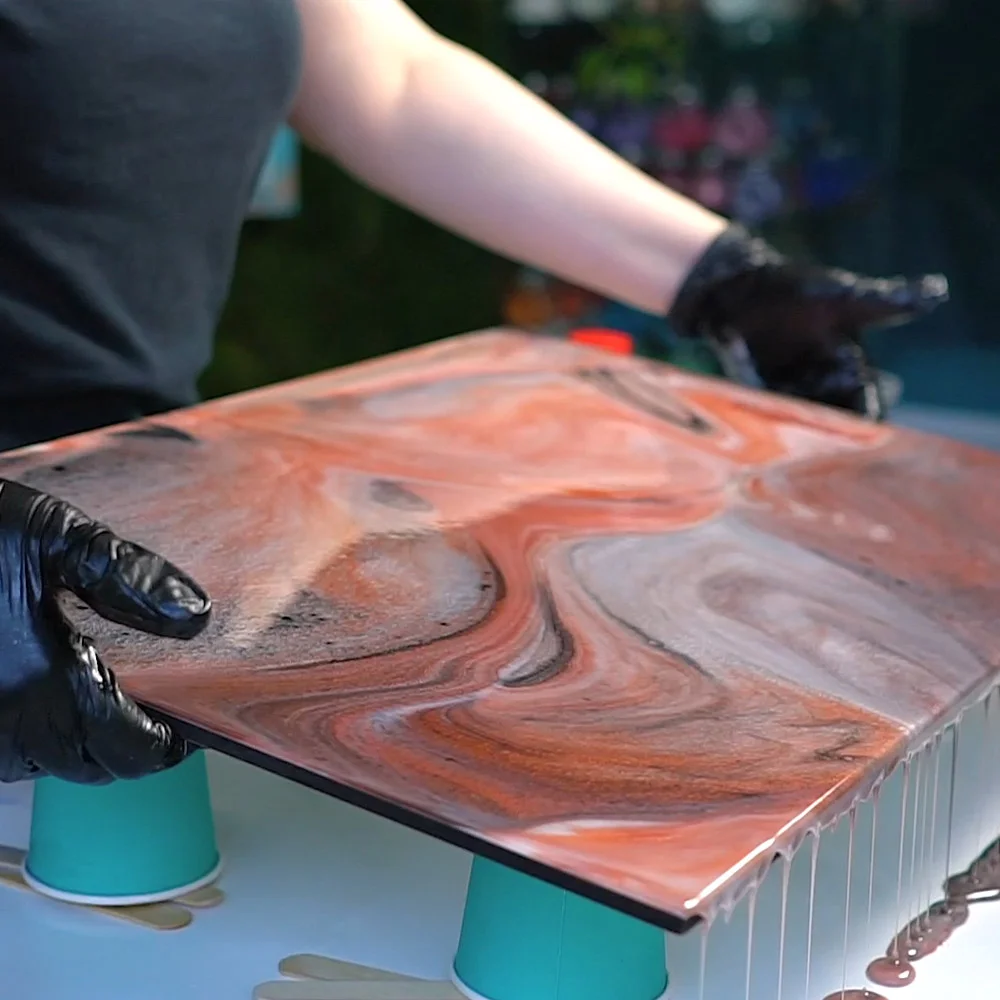
Meticulous preparation is particularly important when aiming for an invisible repair or when using resins that rely on strong bonding and clarity. Any contamination or incomplete preparation can lead to poor adhesion, uneven finishes, or noticeable repairs.
Related products
Related guides
Effective surface preparation not only improves the performance and look of your repairs but also ensures your restoration blends seamlessly with the original finish. Explore our main guide on how to work marble, resin, and quartz for more practical advice.