 Free shipping on orders over £29,85
  Shipping Tracking!


 Google
 Facebook
← Back to How to repair a broken plastic piece with resin?
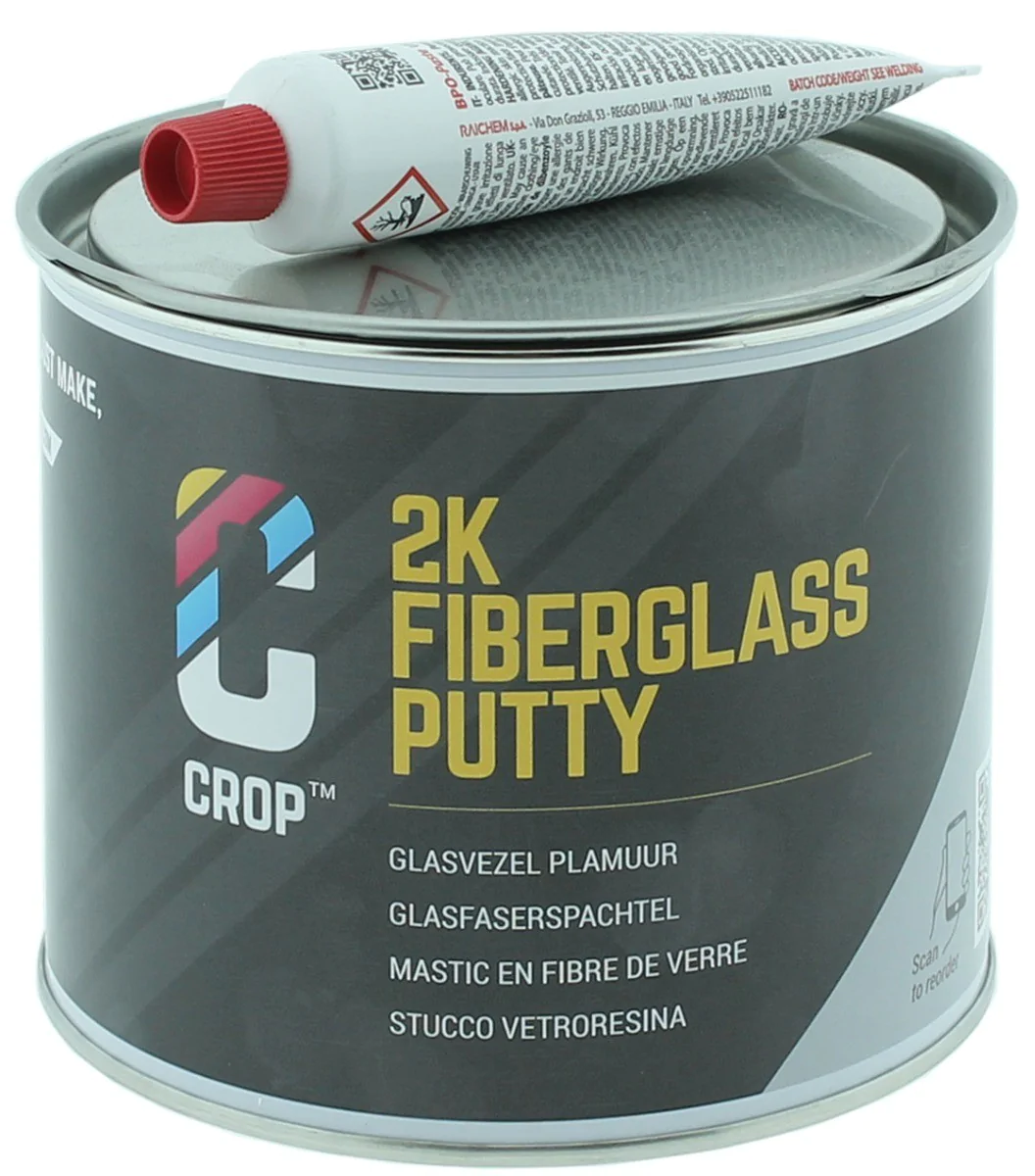

If you need to restore a damaged plastic item, choosing the right repair material is crucial. Fibreglass putty offers a durable solution for certain high-stress repairs where typical fillers may not last.
Why Fibreglass Putty Stands Out for Plastic Repairs
Unlike standard fillers, fibreglass putty is reinforced with glass fibres, giving it superior strength and resilience. This makes it particularly effective for addressing deep cracks, large dents, and holes in rigid plastics. The reinforcement ensures the repair area can better withstand mechanical stress and vibration—key factors in applications like automotive trims, panels, or equipment casings where plastics are prone to repeated movement or impact.


How to Apply Fibreglass Putty to Plastic
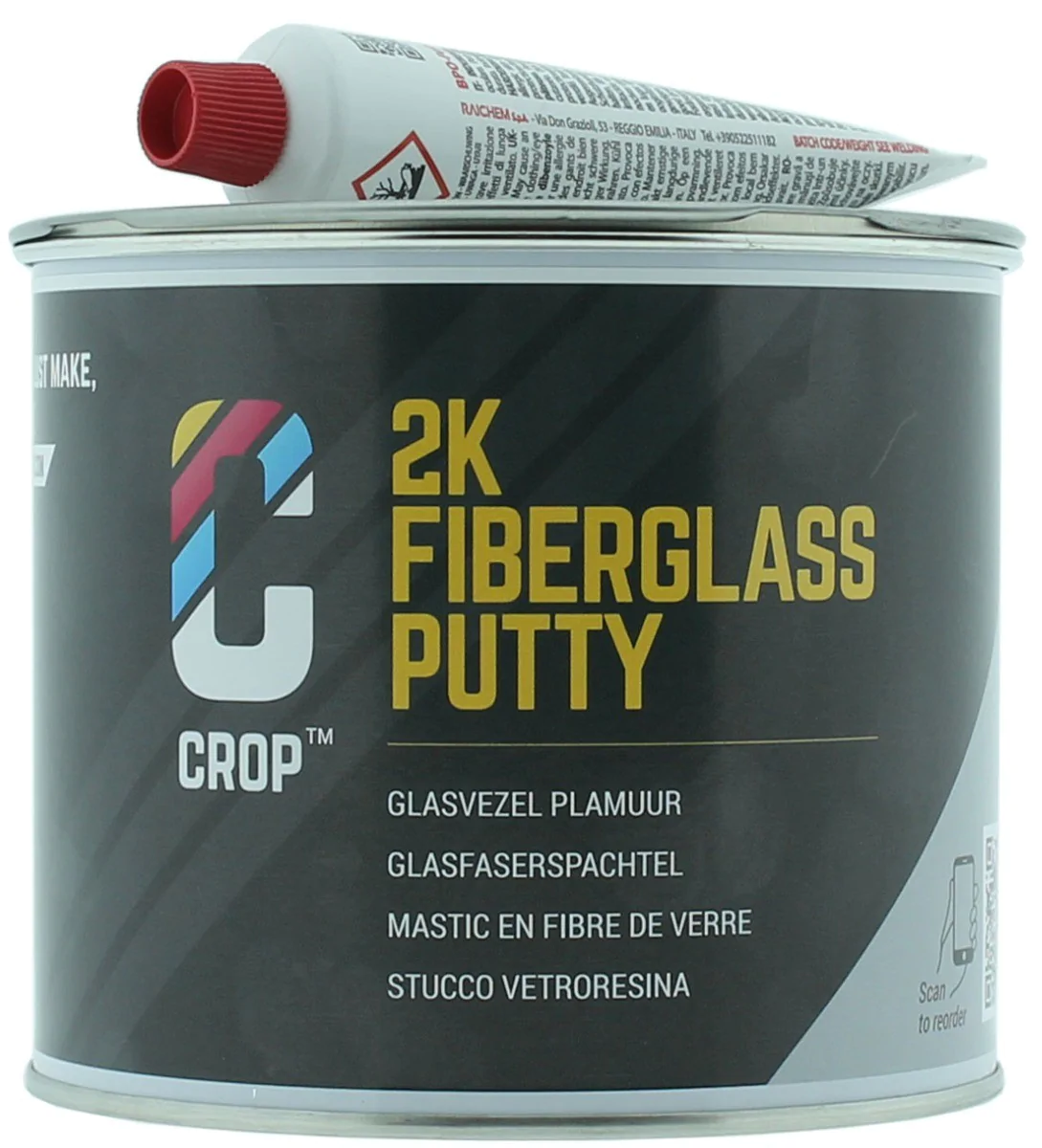
Begin by cleaning and roughening the damaged area so the putty can form a secure bond. Once the surface is prepared, mix the putty with its hardener as directed. Apply the mixture generously to fill the crack or cavity, keeping the layer thick enough for good reinforcement. After curing, the putty can be sanded smooth and is ready for priming and painting. For large or structural repairs, a product like CROP 2K Fiberglass Putty gives robust results on various plastics.
When This Matters Most
- Repairing parts exposed to vibration or frequent use
- Restoring larger cracks, dents, or deep gouges
- Situations where other fillers become brittle or crack over time
Related products
Related guides
Using fibreglass putty for plastic repairs provides long-lasting strength when ordinary fillers won’t do. For more on repairing different types of damage, see our main guide on how to repair a broken plastic piece with resin.