 Free shipping on orders over £29,85
  Shipping Tracking!


 Google
 Facebook
← Back to How to repair a broken plastic piece with resin?

Repairing a broken plastic item with resin or putty is just the first step—achieving a seamless, durable finish often means painting over the repair. Good preparation ensures your painted repair blends perfectly with the original surface.
Preparing the Repair for Painting
Once your epoxy or polyester repair has fully cured, smooth the surface using progressively finer sandpaper. Pay attention to blending the edges so the repair isn’t visible under paint. Dust the area thoroughly—any residues can interfere with paint adherence. For strong, fast-setting repairs that are ready to sand and paint quickly, products such as FixExpress epoxy glue could be suitable.


Priming and Painting Techniques
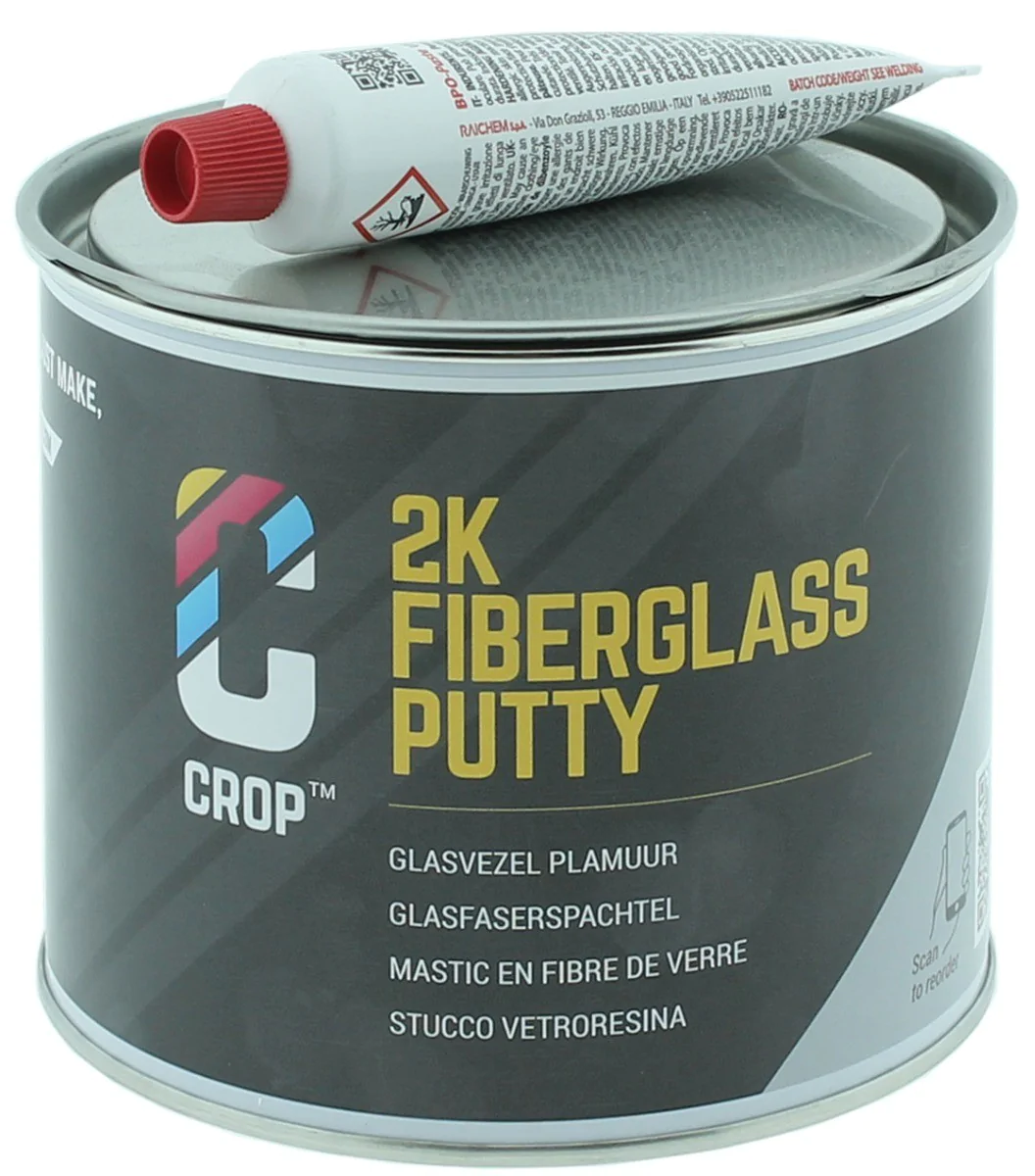
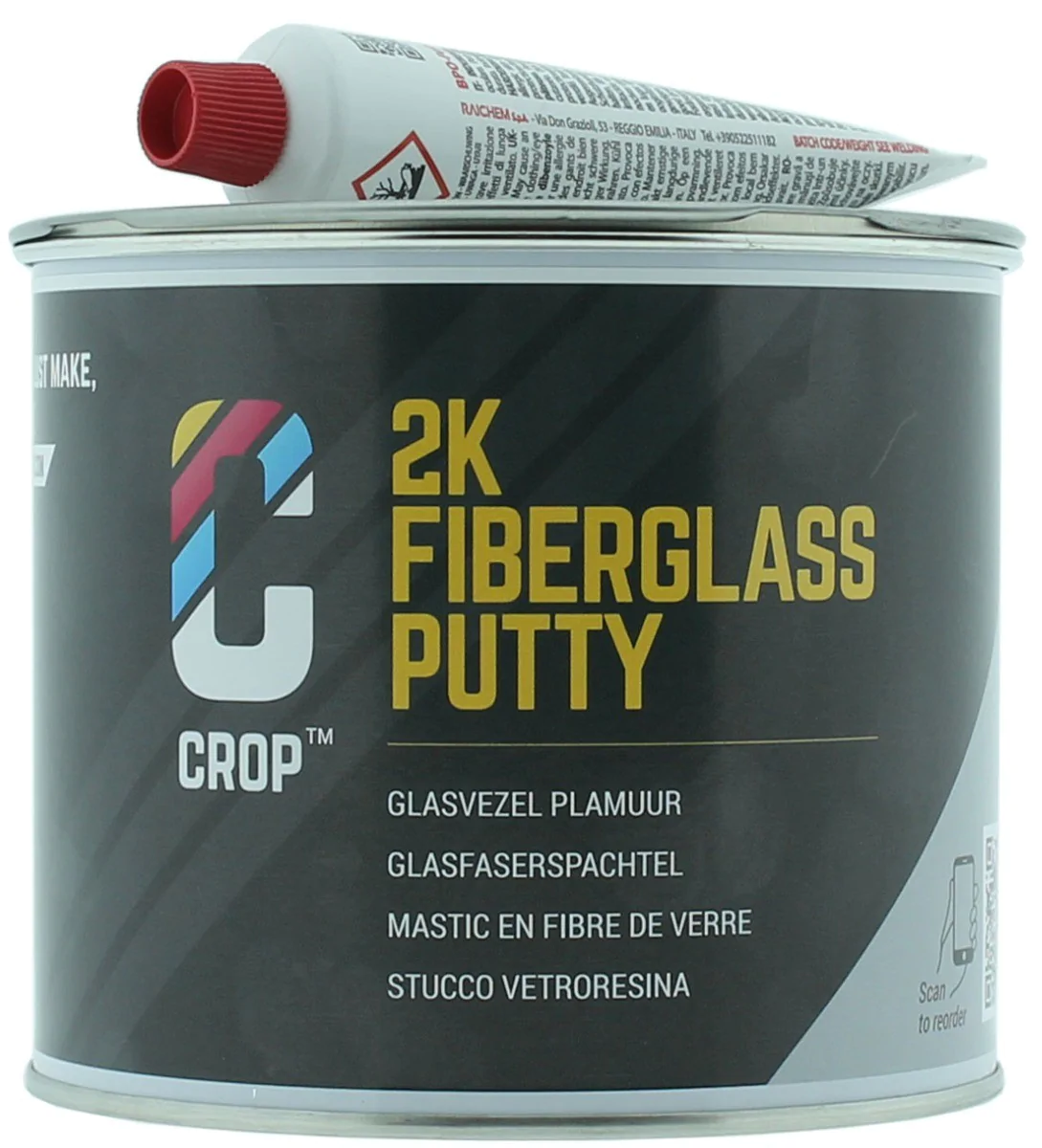
Plastic repairs benefit from a compatible primer before applying paint. Choose a primer formulated for plastics or composites, as it fosters a smooth, durable bond. Allow the primer to dry as recommended before applying your topcoat. Use multiple light coatings of paint, allowing each to dry fully, for best results—especially when colour-matching a visible plastic piece. For larger, stronger repairs ready for painting after sanding, a fibreglass-reinforced putty like CROP 2K Fiberglass Putty is ideal.
When This Matters
Painting over repairs is important when aesthetics count or restored parts require long-term protection. Whether fixing outdoor furniture or an automotive trim, proper surface prep and paint ensure the repaired section stays discreet and resilient.
Related products
Related guides
Successfully painting over resin or putty repairs allows your restored plastic items to look as good as new. For a deeper guide to plastic repair and useful product suggestions, visit our main advice page on how to repair broken plastic with resin.