 Free shipping on orders over £29,85
  Shipping Tracking!


 Google
 Facebook
← Back to How to repair a broken plastic piece with resin?


Properly preparing plastic before a resin repair is essential if you want a strong, long-lasting fix. A little care at this stage can make all the difference in how well your resin bonds to the surface.
Cleaning the Surface
Start by removing dust, oils, or any residues from the broken plastic sections. Use a mild detergent and warm water, or a dedicated plastic cleaner if necessary. Dry the area thoroughly, as moisture can weaken adhesion. Avoid using any greasy or waxy products, as these will prevent the resin from sticking properly.

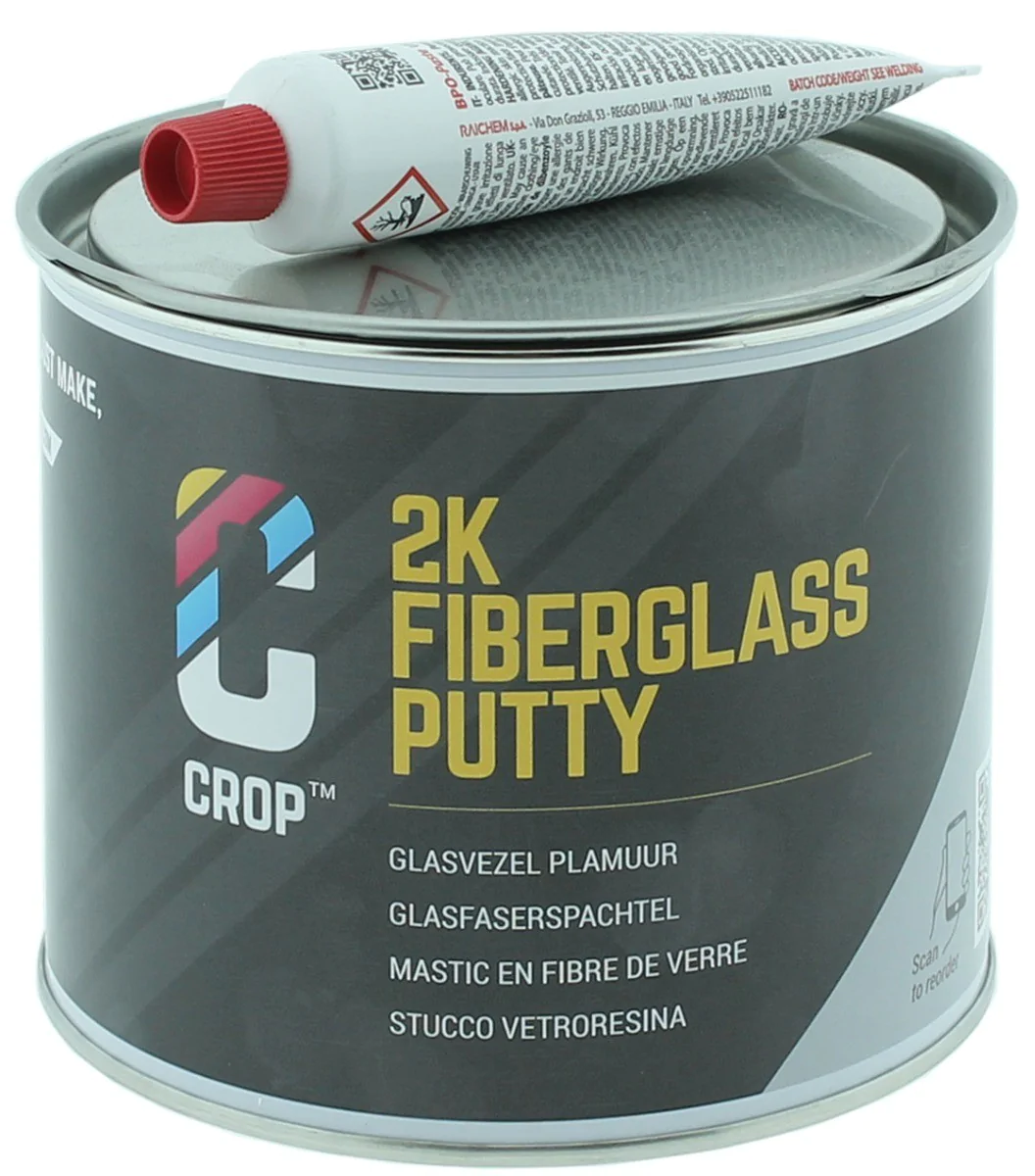
Roughening for Better Adhesion
Once the surface is clean and dry, gently roughen the area you intend to bond. Lightly sand the surfaces around the break with fine-grit sandpaper (typically 180-400 grit is suitable). This gives the resin something to grip onto, promoting a more secure hold. Take care not to over-sand or deform delicate pieces.
Practical Guidance: Getting the Best Repair
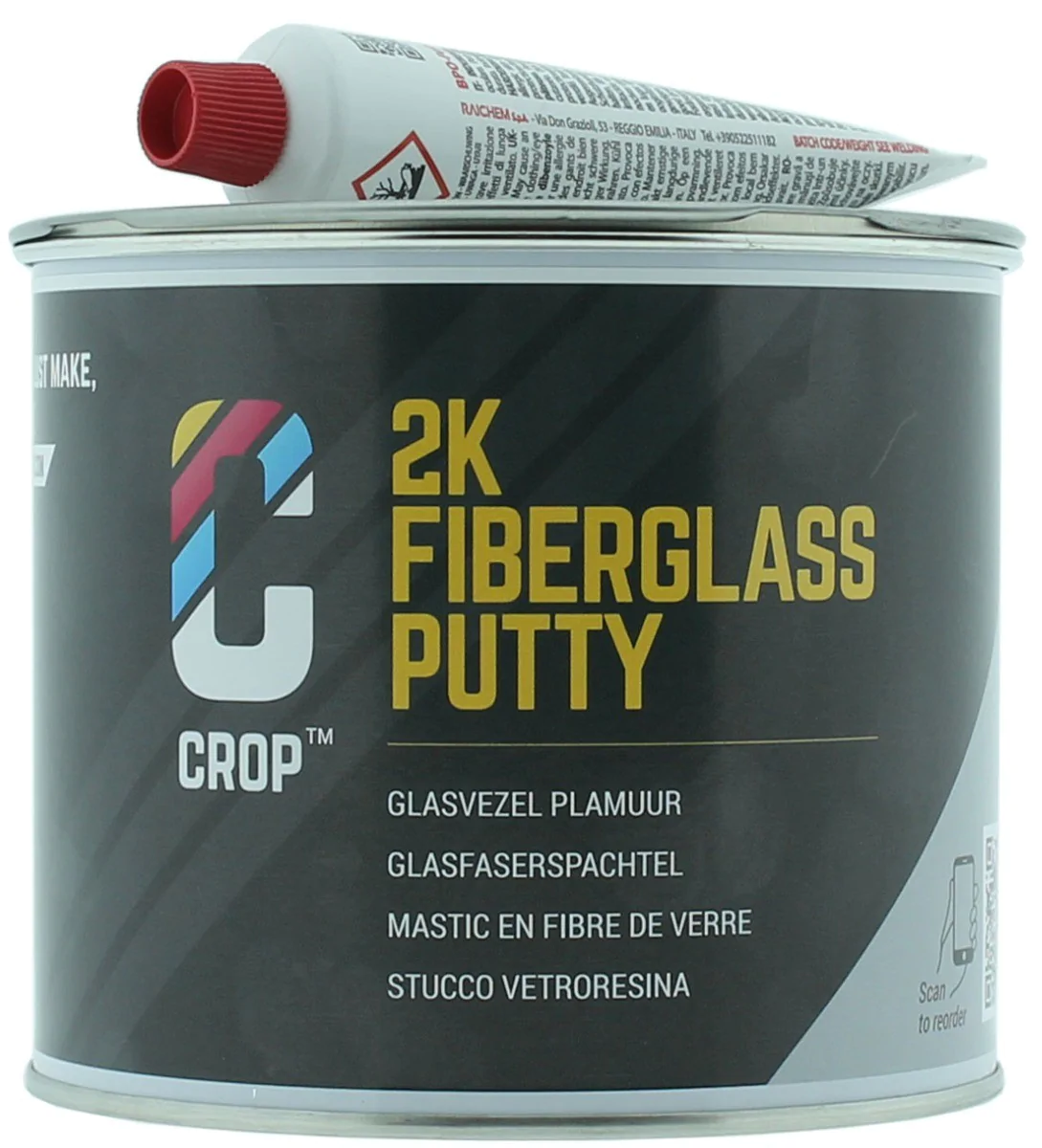
Position the broken pieces so they align as closely as possible before applying resin. Some resin adhesives, such as FixExpress Two-Component Epoxy Glue, offer a short working time so it’s wise to practise the fit in advance. Secure the parts together during curing with tape or clamps for the neatest results.
When Careful Prep is Crucial
Any structural repair or load-bearing fix on plastic makes surface preparation even more vital. Skipping cleaning or roughening can lead to early failure, especially if the repair will face stress or handling.
Related products
Related guides
Taking the time to prepare plastic correctly can transform the strength and lifespan of your resin repair. For further step-by-step advice on fixing plastic items, see our main guide on how to repair a broken plastic piece with resin.