 Free shipping on orders over £29,85
  Shipping Tracking!


 Google
 Facebook
← Back to How to coat a balcony with resin?
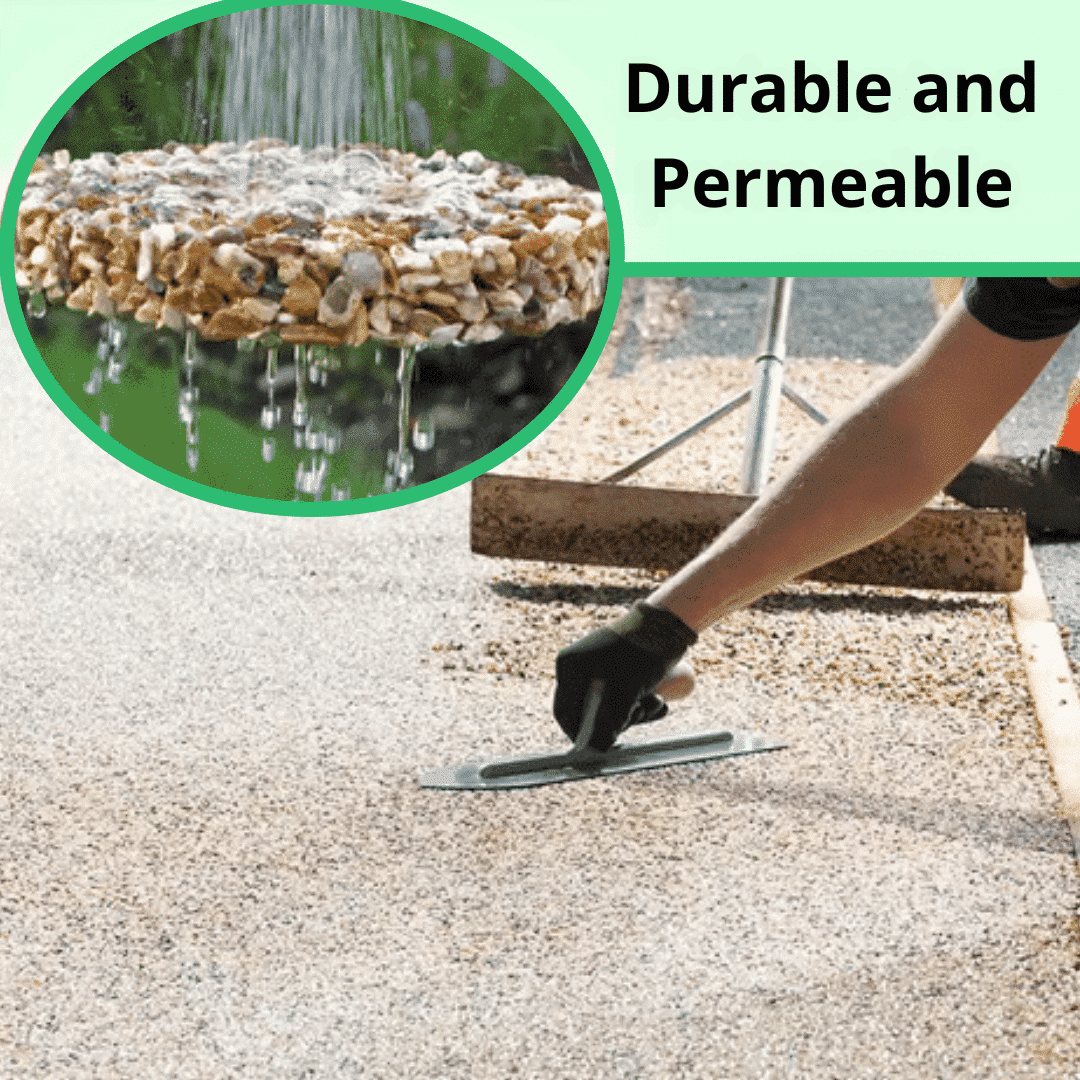
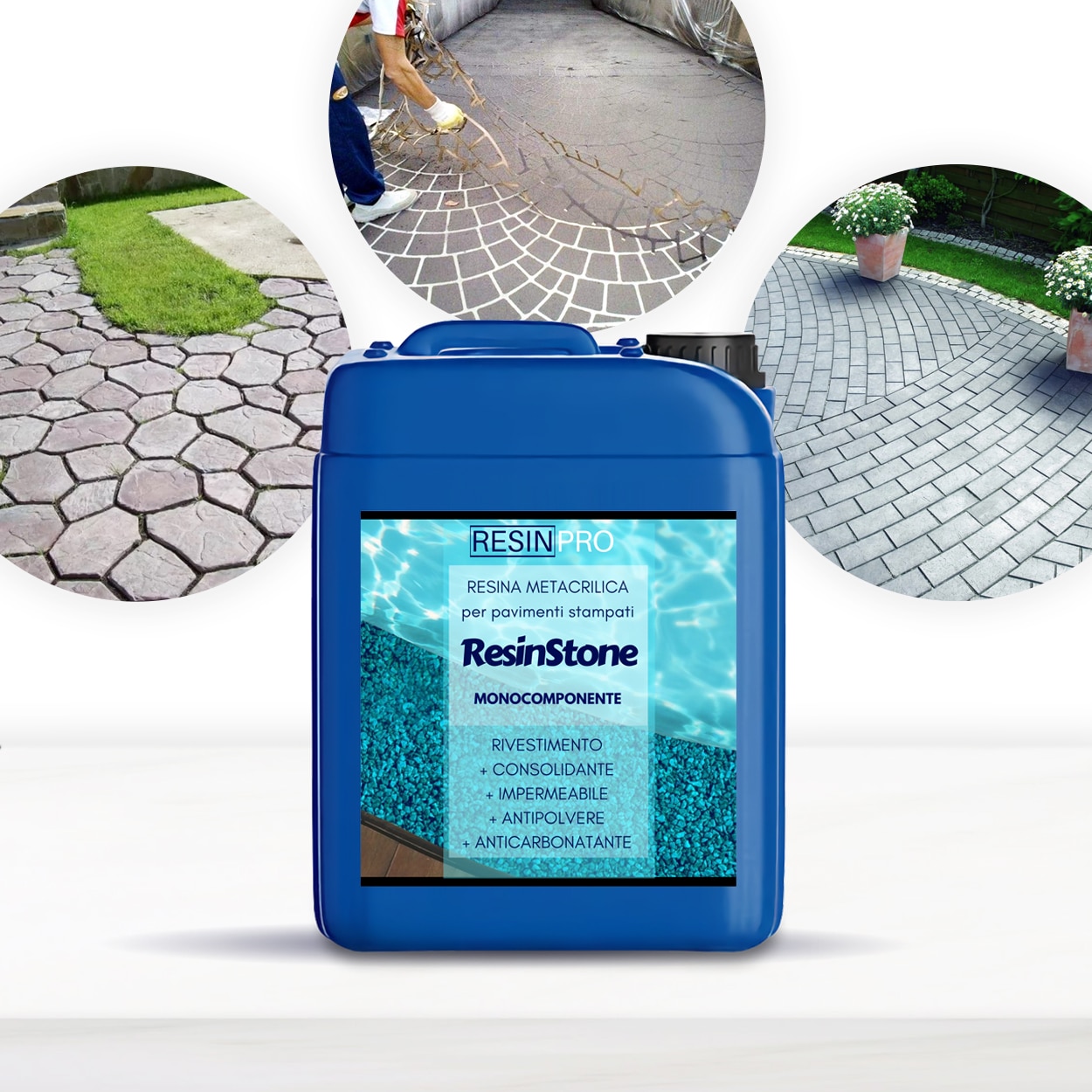
Keeping a balcony safe in all weather conditions is crucial. If you’re considering a resin coating, you might be wondering about its slip-resistance and the best ways to achieve a secure, long-lasting finish.
How Resin Coatings Can Be Made Slip-Resistant
Resin balcony coatings themselves are typically smooth, but you can create slip-resistant surfaces by incorporating special aggregates or selecting products engineered for anti-slip finishes. For example, adding quartz, fine sand, or decorative pebbles into the final coat increases grip underfoot. Some resins are also formulated to accept anti-slip media as part of the application process.

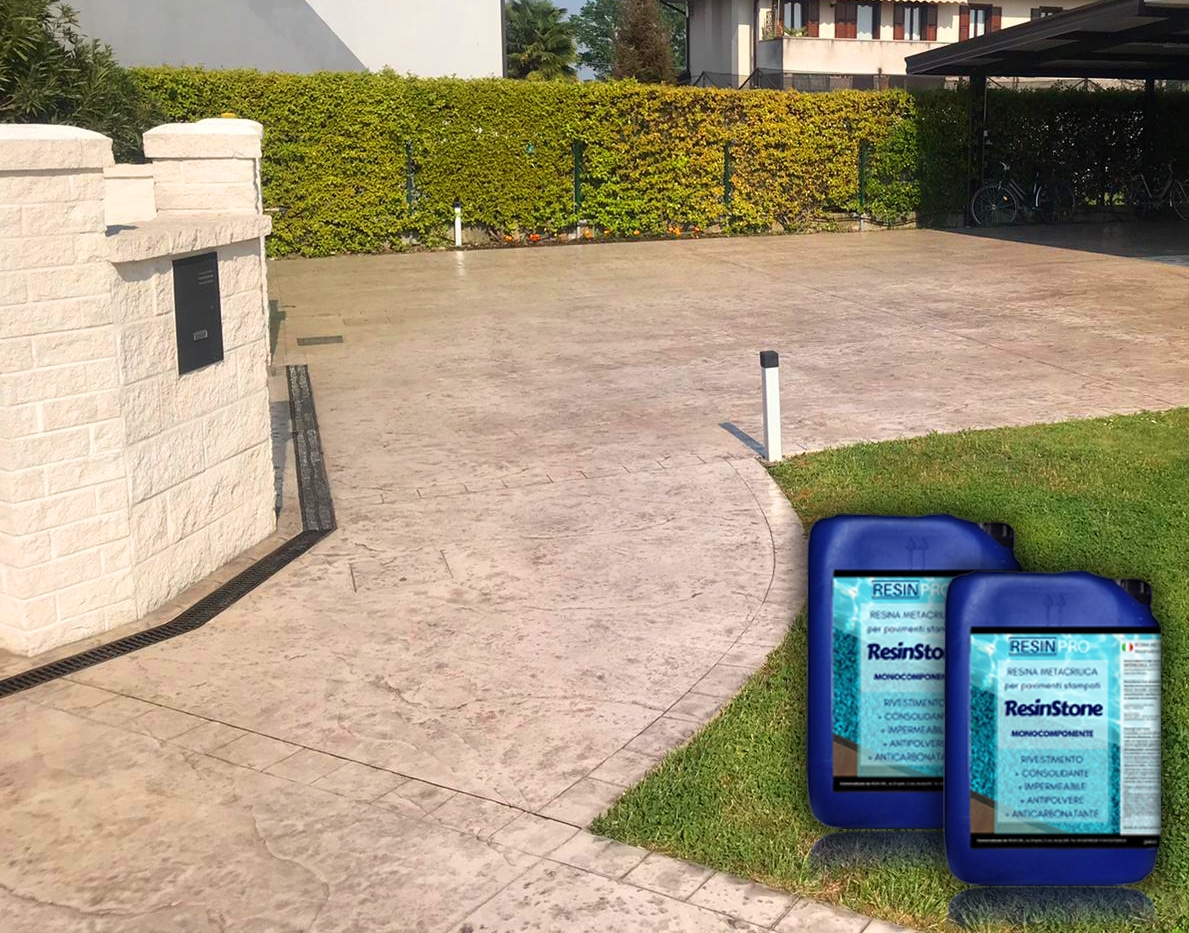
Choosing the Right Resin Solution for Your Balcony
When prioritising safety, it’s wise to select a resin system that either allows for incorporation of aggregates or is specifically intended for outdoor, walkable surfaces. The “Flowstone” Complete Kit delivers both an attractive permeable surface and inherent slip resistance thanks to the textured pebble finish. Alternatively, clear coatings like “Prolux” polyurethane enable users to add an anti-slip layer for additional security. Always check product guidance to ensure it’s suitable for pedestrian traffic and outdoor use.
When Is Slip-Resistance Most Important?
Slip-resistance is especially relevant for north-facing balconies, outdoor stairs, or spaces frequently exposed to rain. If children or elderly family members will use the balcony, choosing an anti-slip finish is particularly wise. Seasonal moss or ice risks also make slip prevention a top priority.
Related products
Related guides
Considering slip-resistance when coating your balcony with resin ensures a safer, more enjoyable outdoor space. For techniques and best practices, explore more advice at our How to Coat a Balcony with Resin guide.