 Free shipping on orders over £29,85
  Shipping Tracking!


 Google
 Facebook
How to coat a balcony with resin?
Step-by-step guide for waterproof, durable balcony finishes
Coating your balcony with resin is an excellent way to protect it from weathering, water ingress, and daily wear. Whether you want to waterproof a concrete floor, refresh tired tiles, or safeguard wooden decking, this step-by-step guide will show you how to achieve a professional, long-lasting finish. Follow our instructions to avoid common issues and ensure a durable, weather-resistant result.
What You’ll Need
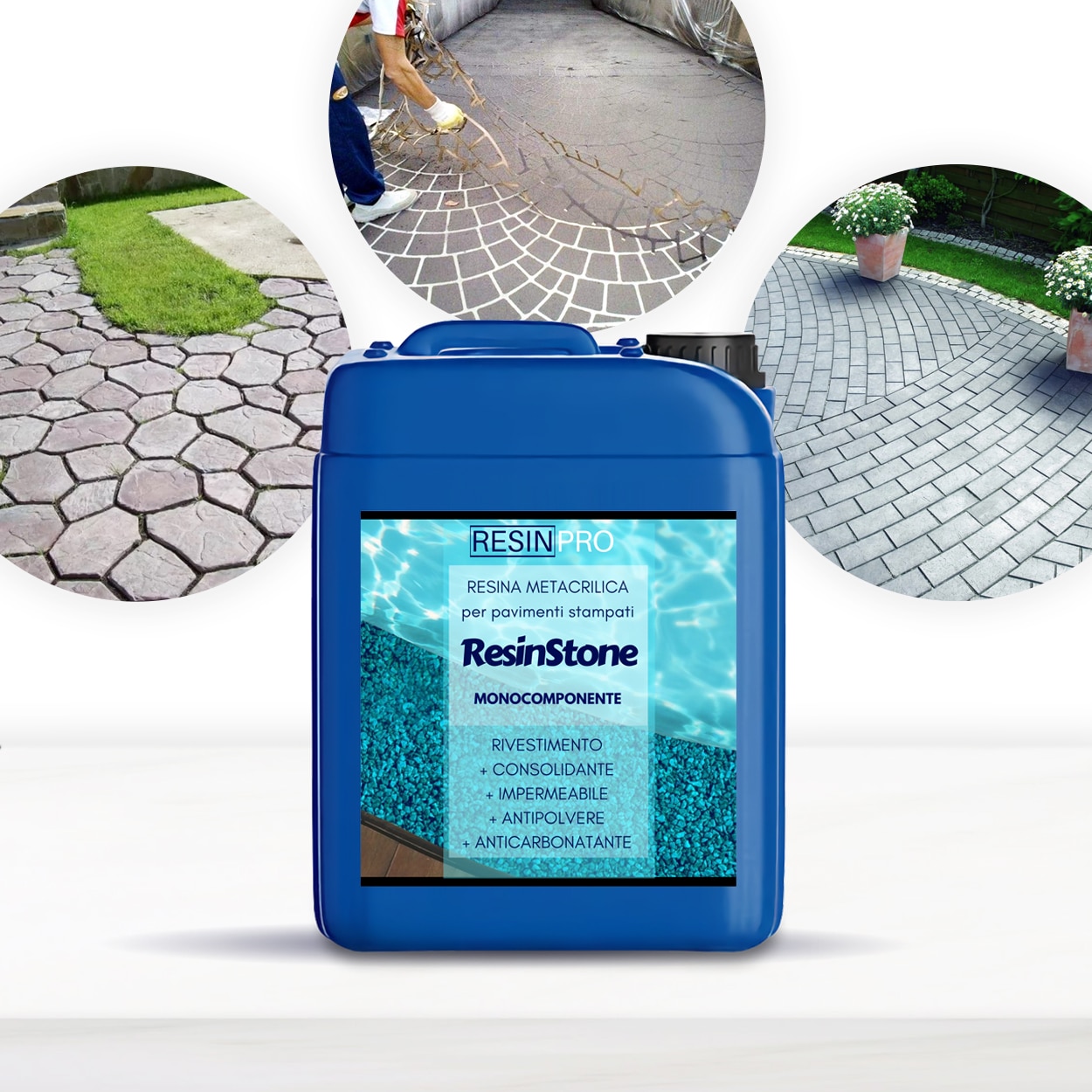
- “Resinstone” – One-Component Methacrylic Resin for Concrete Floors and Driveways for absorbent concrete or cementitious balconies
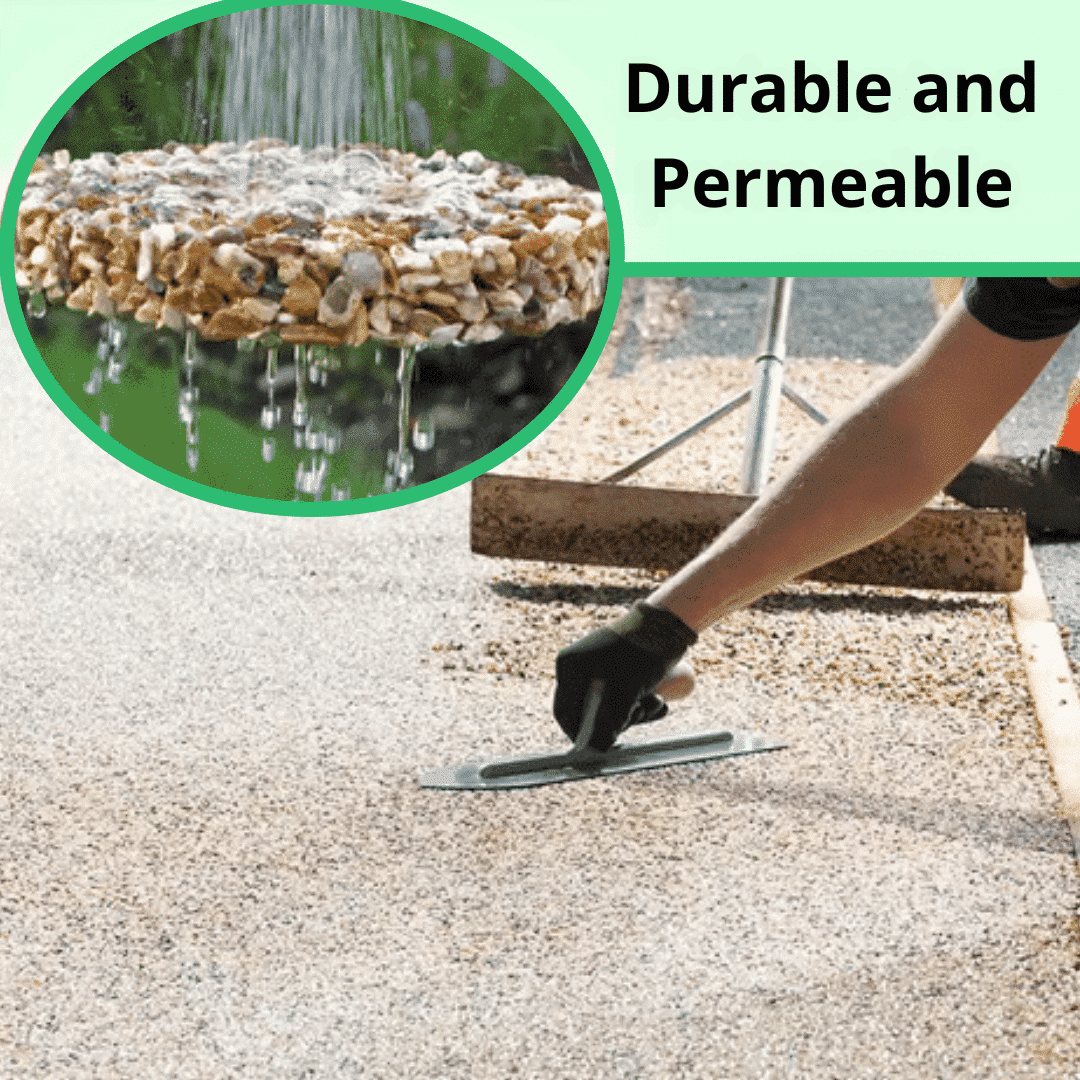
- “Flowstone” – Complete Permeable Floor Kit with Pebbles and Resin for creating decorative, draining pebble resin surfaces
- “Prolux” – PU coating for tiles, concrete, plastic and metal – suitable for driveable surfaces for waterproofing tiles, ceramics, and non-absorbent substrates
- “EpoxyWood” – Wood Restoration Epoxy Resin for Deep Penetration and Waterproofing for treating and waterproofing wood decking
- Rollers or brushes suitable for your resin type
- Protective gloves and eye protection
- Masking tape and dust sheets
- Sandpaper or grinder (for surface preparation)

Visual Guide to Balcony Resin Coatings
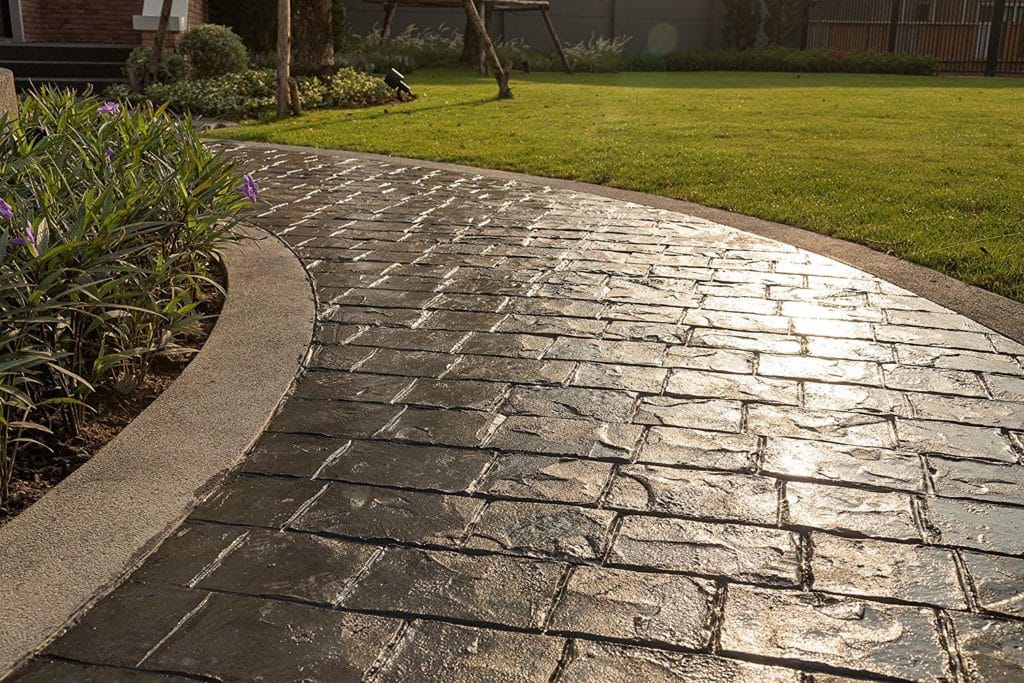
See example finishes for concrete, wood, tiles and decorative pebble with resin. Notice the difference in sheen, colour enhancement and the effect of permeable pebble floors on drainage. Each surface type benefits from tailored application, producing weatherproof results and enhancing balcony usability and style.
Step 1: Prepare the Surface Meticulously
Thorough surface preparation ensures the best bond between the resin and your balcony surface. Start by clearing all furniture and sweeping the area carefully. Remove dust, dirt, and any loose material. For concrete or cement, repair cracks and fill holes; ensure the surface is fully dry. Tiles or metal must be degreased, and glossy tiles may require light sanding or a primer. If your balcony deck is wood, sanding is essential to remove old finishes and open the wood grain for better resin penetration.
Mask off the balcony perimeter and adjacent structures using masking tape and dust sheets to prevent accidental drips on unwanted areas. A dry, clean, and solid base is crucial for resin coatings to prevent peeling or bubbling later on.
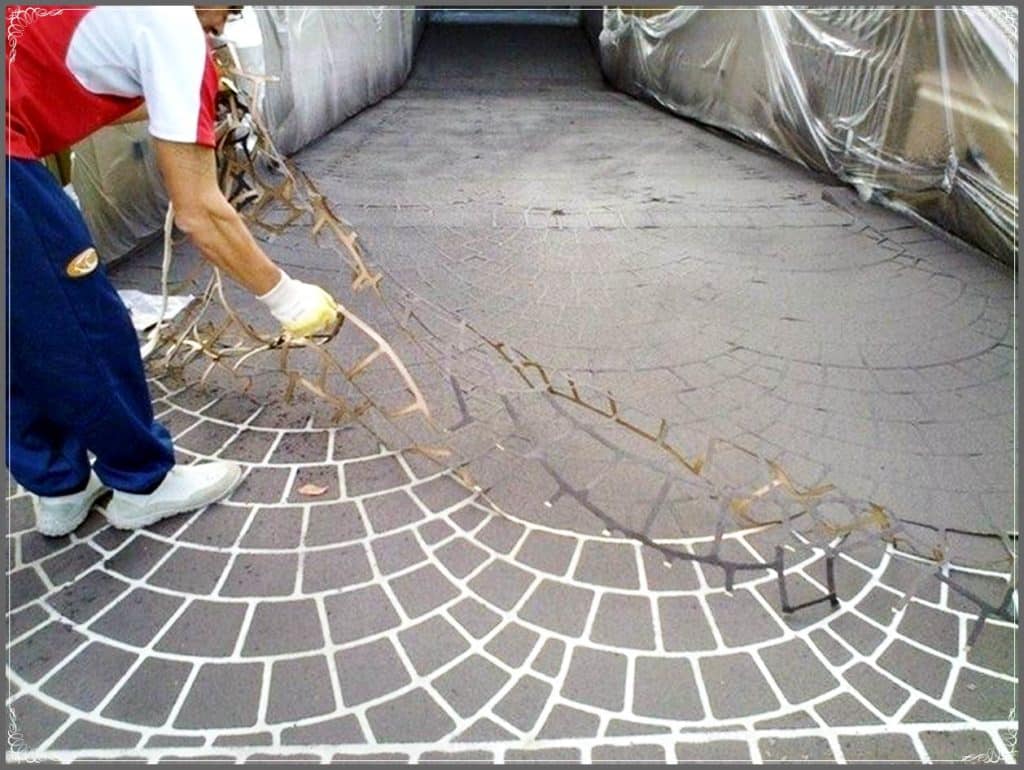
Step 2: Select and Mix the Appropriate Resin
Choose the correct resin for your balcony material. For absorbent concrete, “Resinstone” – One-Component Methacrylic Resin is ideal. If your goal is a decorative, permeable floor with pebbles, the “Flowstone” kit includes everything needed for a stunning, draining surface.
Ceramic tiles or mixed surfaces are best protected using “Prolux” PU coating. For wooden decking, “EpoxyWood” Epoxy Resin provides deep waterproofing and reinforces the timber structure. Always follow the manufacturer’s mixing instructions for optimum results, especially for two-component products.
Step 3: Apply the Resin Evenly
Apply resin in suitable weather conditions—ideally between +10°C and +30°C, with low humidity and no rain forecast. Use a roller or brush to spread the resin in thin, even layers, starting from the farthest corner and working towards your exit to avoid trapping yourself. For pebbled surfaces, pour and level the mixture with a trowel as per the Flowstone kit guidance.
Avoid overly thick layers for best curing. Allow recommended drying times between coats if a second application is required. Pay special attention to balcony edges and drainage points, ensuring consistent coverage. For anti-slip properties, consider scattering decorative quartz or anti-slip aggregates onto the last coat while it is still wet with products like Prolux.
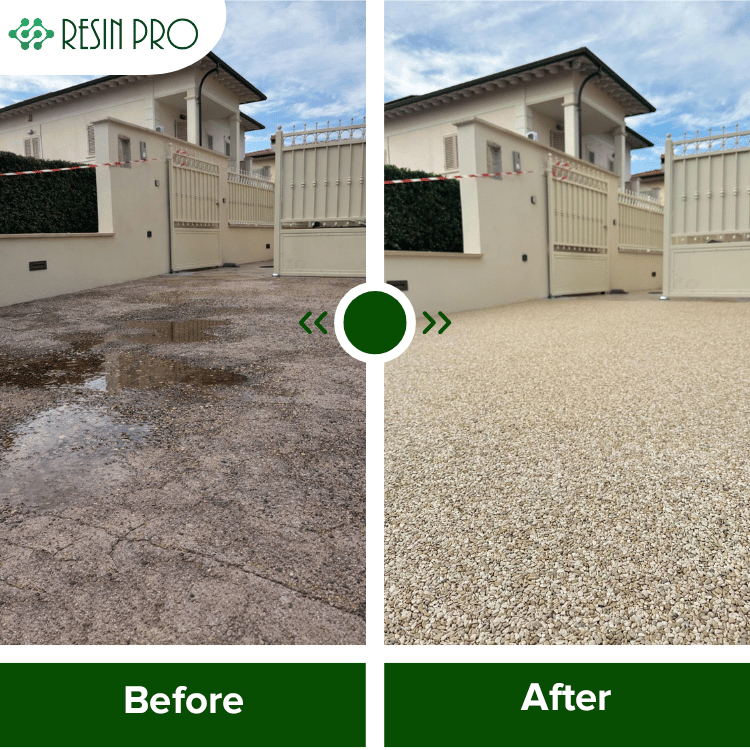
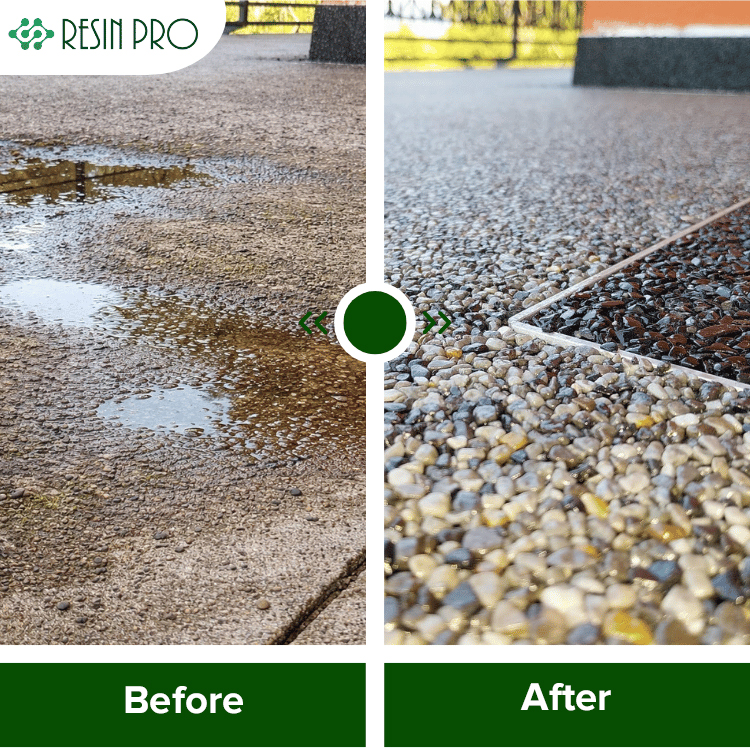
Step 4: Allow Proper Curing and Final Checks
Let your resin surface cure undisturbed for the time recommended by the manufacturer—typically from 12 to 36 hours depending on product and ambient temperature. Prevent any traffic on the surface until fully cured to avoid imprints or damage.
Once set, remove masking tape carefully. Inspect the surface for missed spots, uneven texture, or bubbles. If needed, gently sand and reapply a thin coat. With proper care, your balcony will now be watertight, easier to clean, and protected against the UK’s varied weather conditions.
Tips, Common Mistakes, and Troubleshooting
- Apply resin in suitable weather conditions—avoid rain, very cold or hot days for proper curing and to prevent tackiness or clouding.
- Be patient—do not rush the curing time or walk on surfaces too soon.
- Avoid overly thick layers for best curing—thin, multiple coats offer better durability and reduce bubbling risk.
- Ventilate well if working with two-component or solvent-based resins.
- Test adhesion on a small area if unsure how your substrate will react with the resin.
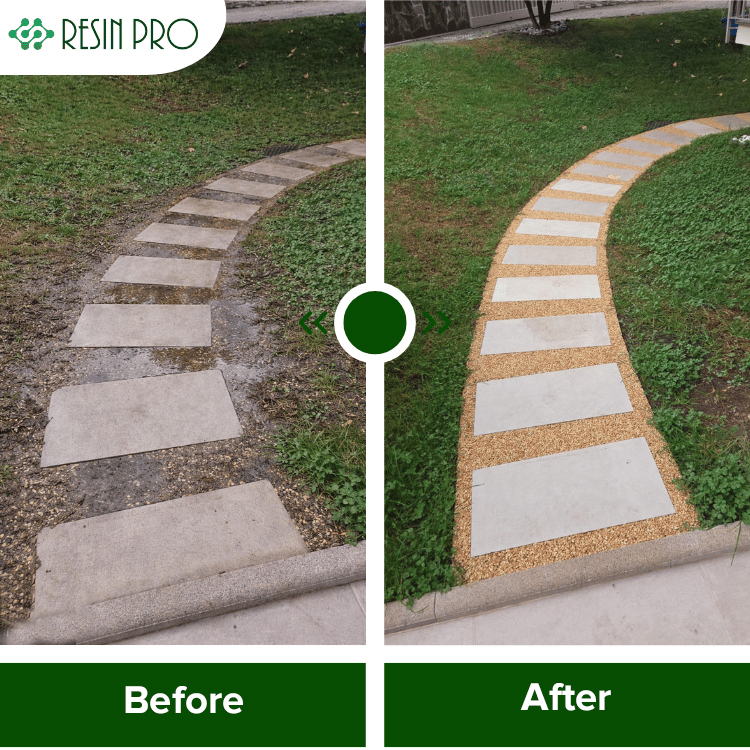
Before and After Resin Coating
Compare untreated and protected balcony surfaces side by side. Resin coatings not only provide waterproofing and durability but also revitalise tired tiles, brighten wood tones and add decorative texture. Used properly, resin layers safeguard your outdoor areas for years to come.
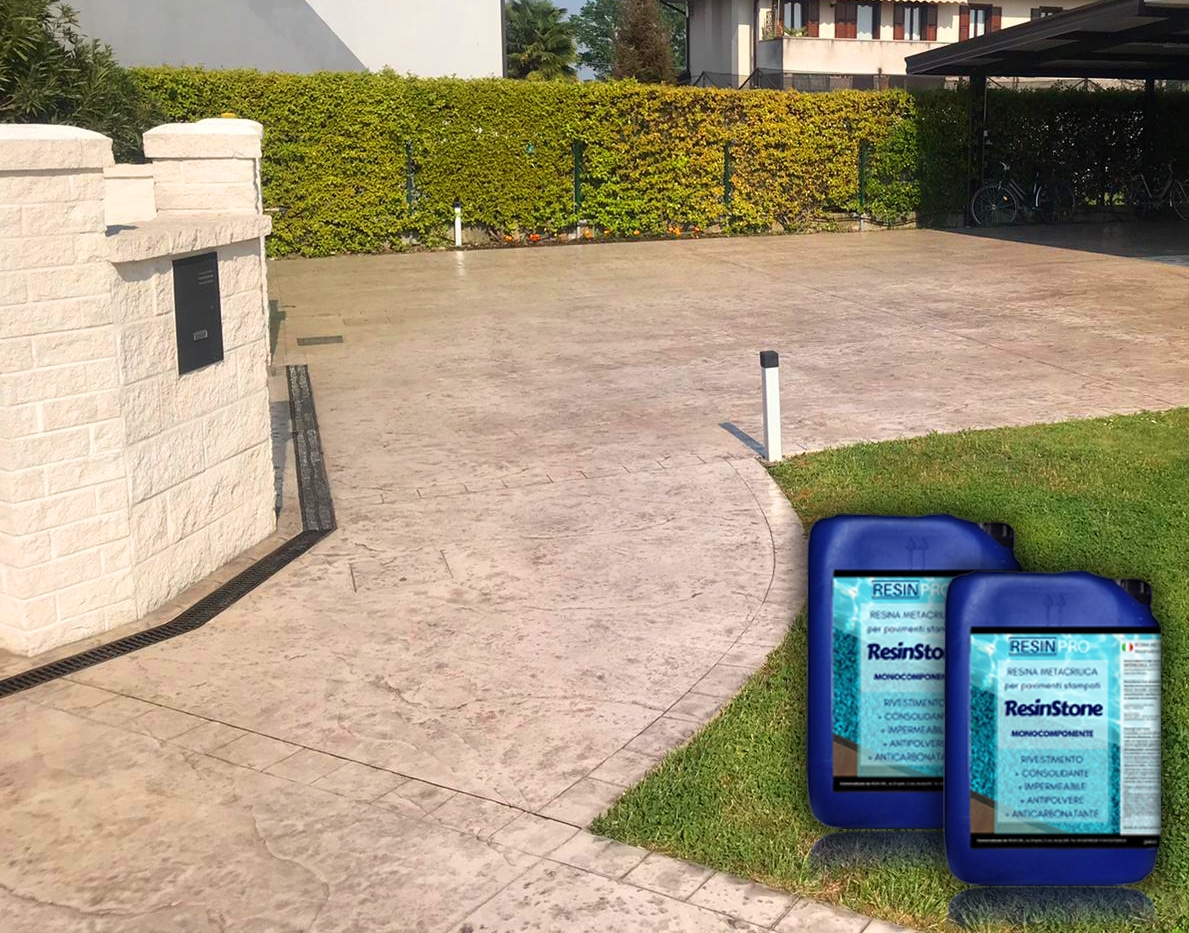
- "Resinstone" – One-Component Methacrylic Resin for Concrete Floors and DrivewaysPrice range: £36.71 through £336.48"Resinstone" is a one-component methacrylic resin designed for sealing concrete floors with durable mechanical protection.
- "Flowstone" – Complete Permeable Floor Kit with Pebbles and ResinPrice range: £49.95 through £3,915.45"Flowstone" kit provides a durable and permeable pebble and resin flooring solution with easy application for outdoor spaces.
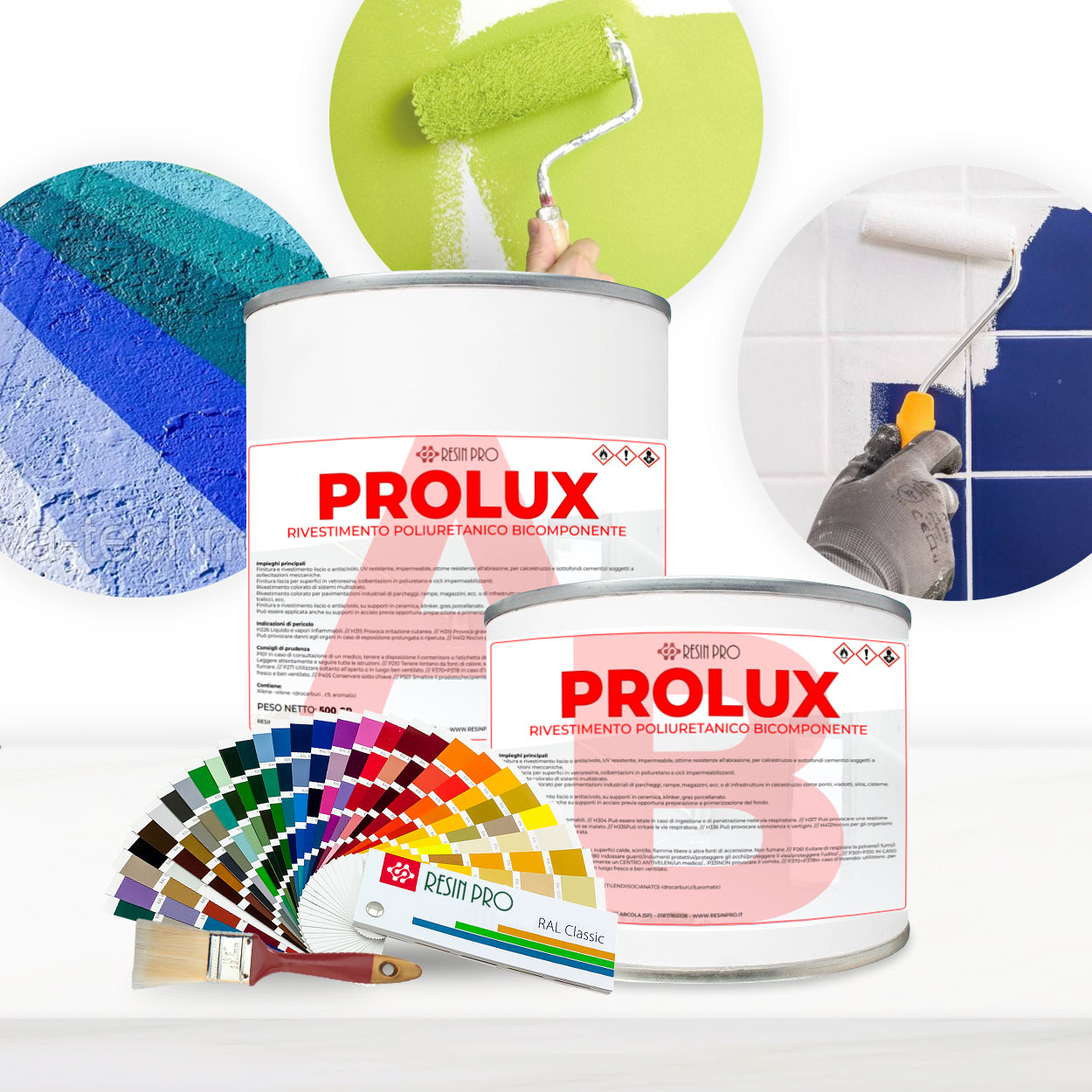 "Prolux" – PU coating for tiles, concrete, plastic and metal – suitable for driveable surfacesPrice range: £44.85 through £494.85"Prolux" is a polyurethane coating designed for durable use on tiles, concrete, plastic and metal surfaces, with options for gloss or satin finishes.
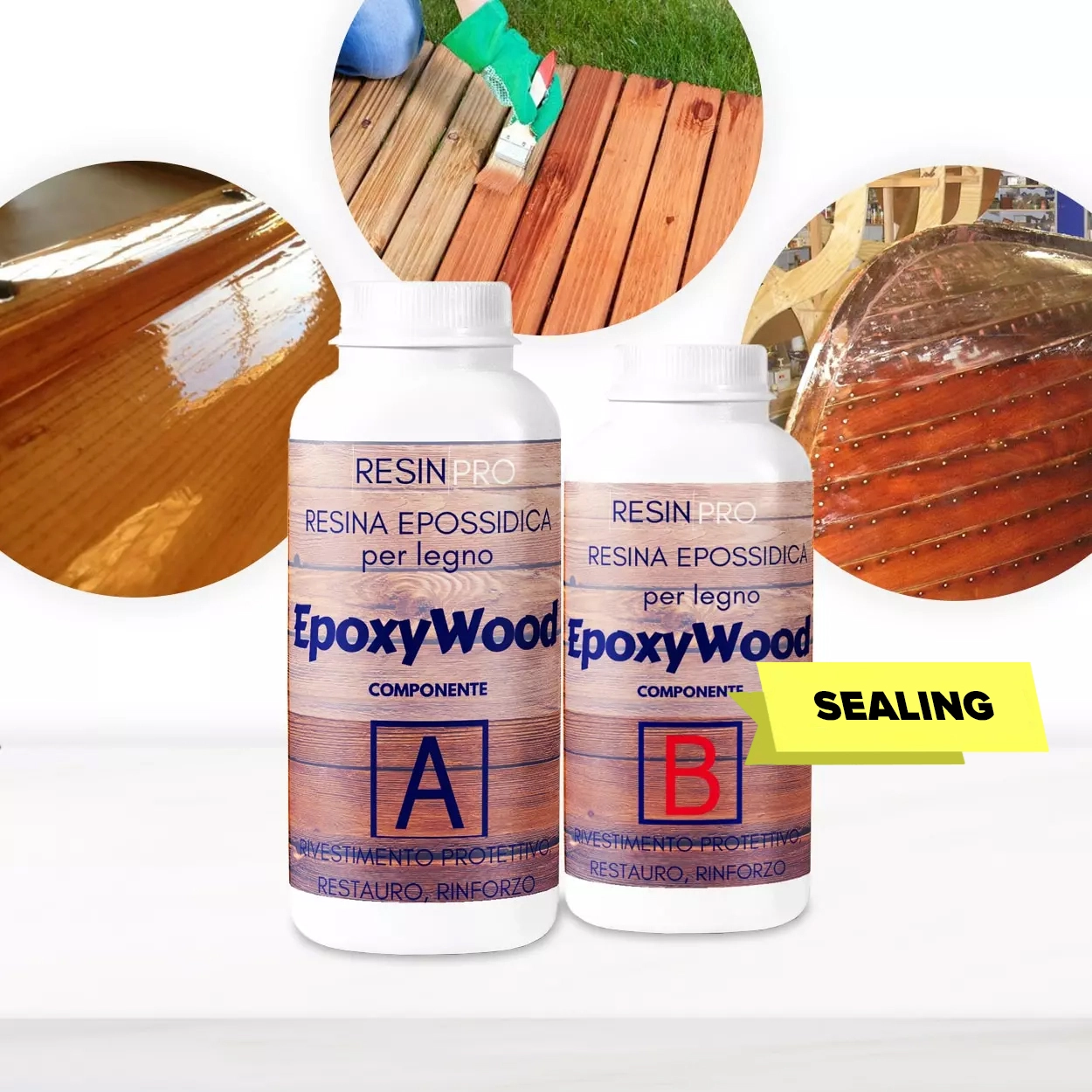 "EpoxyWood" – Wood Restoration Epoxy Resin for Deep Penetration and WaterproofingPrice range: £27.95 through £41.95"EpoxyWood" is a wood restoration epoxy resin suitable for repairing and waterproofing wooden surfaces with a natural finish.
Frequently Asked Questions
Which resin should I use for coating a balcony?
It depends on the surface: use methacrylic for concrete, polyurethane for tiles, and a wood epoxy for decking.
Can I apply resin to my balcony myself?
Yes, most resin balcony coatings are suitable for DIY application with careful surface preparation and by following instructions.
How long does a resin balcony coating last?
With correct application and maintenance, resin balcony coatings can last several years even in demanding weather.
Are resin balcony coatings slip-resistant?
Yes, slip-resistant finishes can be achieved by adding specific aggregates or choosing a resin designed for anti-slip results.
How soon can my balcony be used after resin application?
Most resins require 12 to 36 hours to cure fully before walking on the surface. Always check label instructions for the specific product.
How do I maintain a resin-coated balcony?
Clean regularly with mild soap and avoid harsh chemicals or abrasives to keep the coating in top condition.