 Free shipping on orders over £29,85
  Shipping Tracking!


 Google
 Facebook
How do you mix resin without a scale?
Accurate resin mixing techniques for every crafter’s toolkit
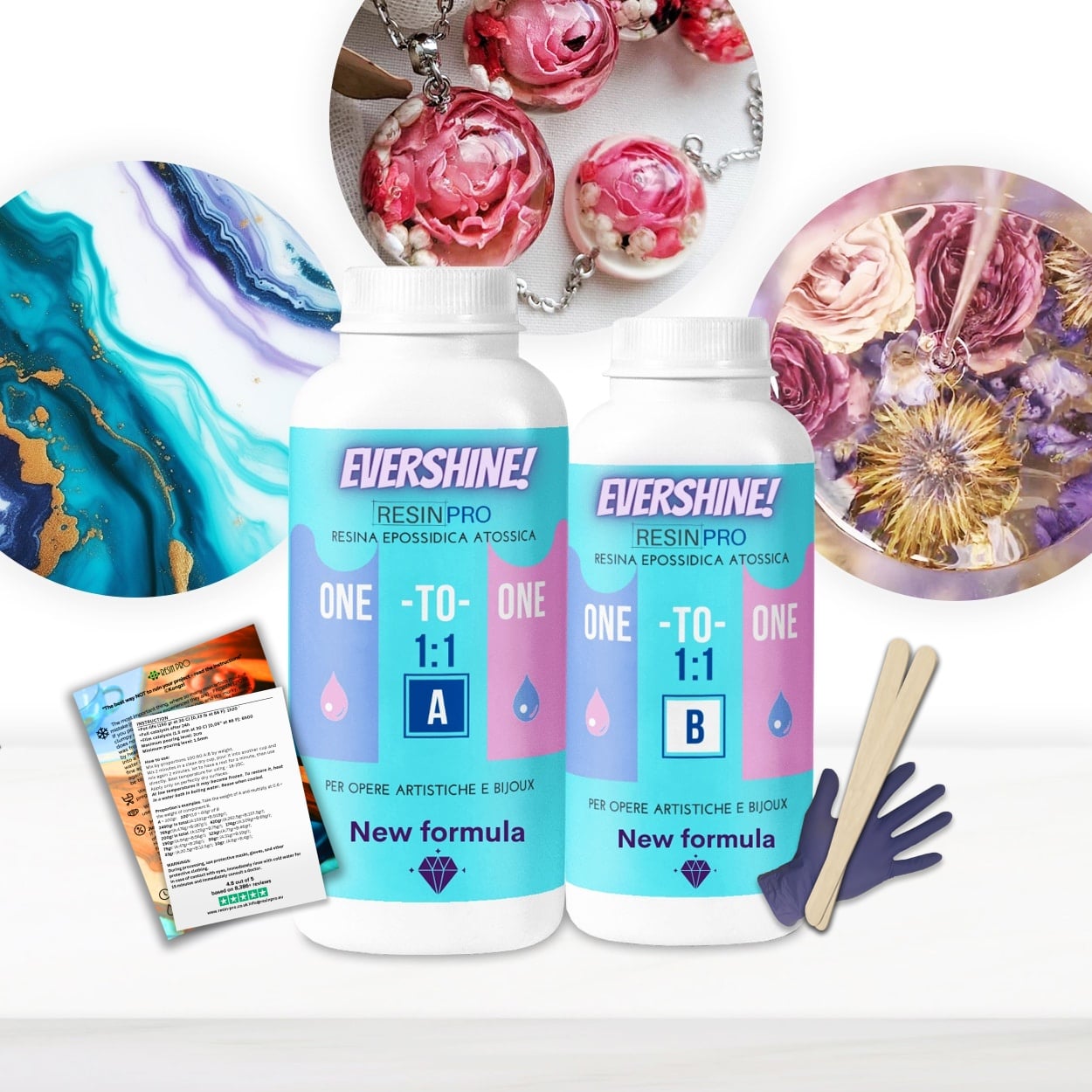

Mixing resin without a scale is entirely possible and can yield precise, reliable results, especially for craft and jewellery projects. This guide is perfect for beginner and hobbyist resin artists who may not have access to weighing equipment, or simply prefer the simplicity of working by volume. We’ll cover the essential tools, techniques, and steps you need to achieve flawless mixtures without the risk of inaccurate ratios.

What You’ll Need
- “One-2-One” – Epoxy Resin for Handcraft, 1:1 Mixing Ratio: Perfect for equal-part, scale-free mixing.
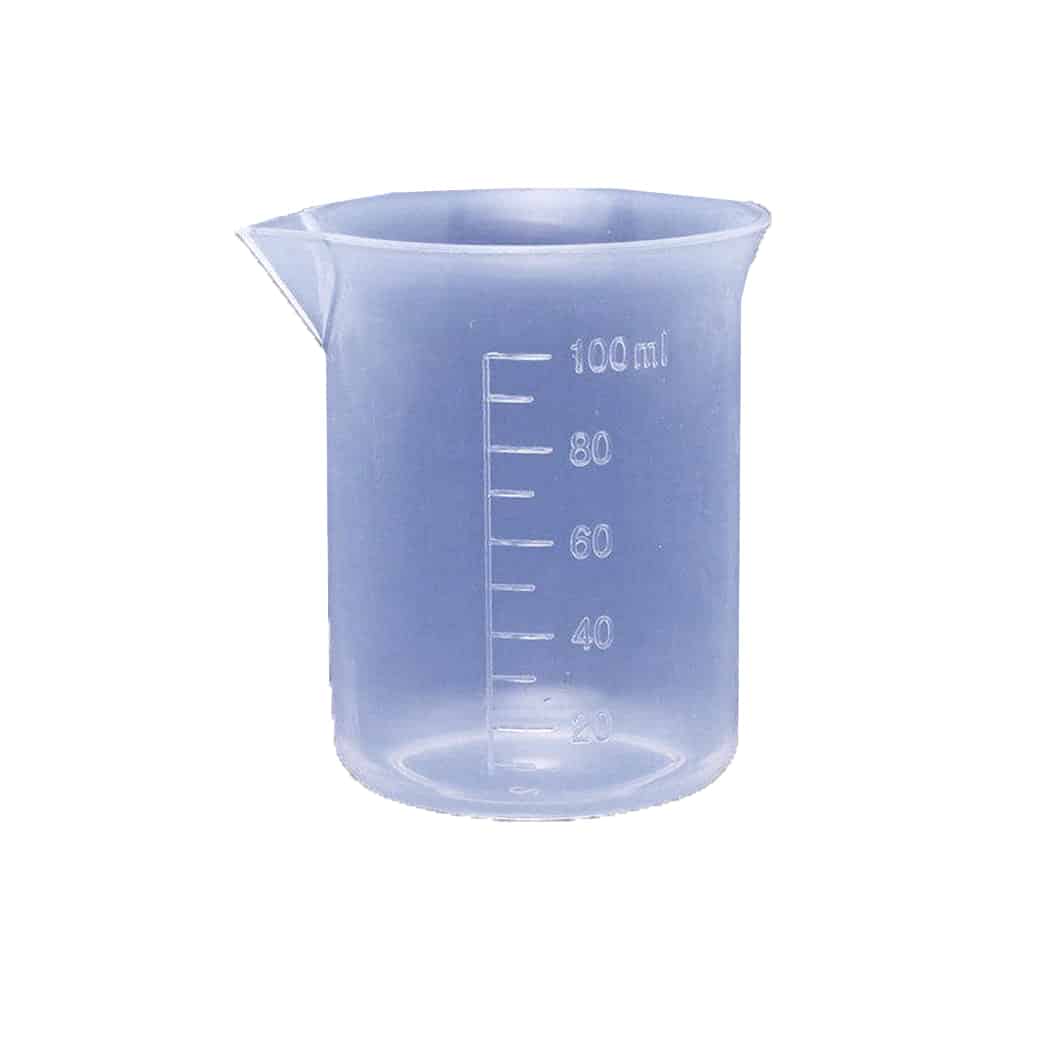
- 2L Graduated Measuring Cup for Resin – Precise Epoxy Dosing Tool: For accurate measurement by volume.
- “Evershine Collection” – Artisan Jewellery Epoxy Resin Kit with 100+ Accessories: An all-in-one solution for jewellers and crafters.
- Flexible Silicone Cup for Mixing and Pouring Resin: A must-have for easy mixing and clean pouring.
- Stir sticks or spatulas
- Protective gloves and a clean working surface
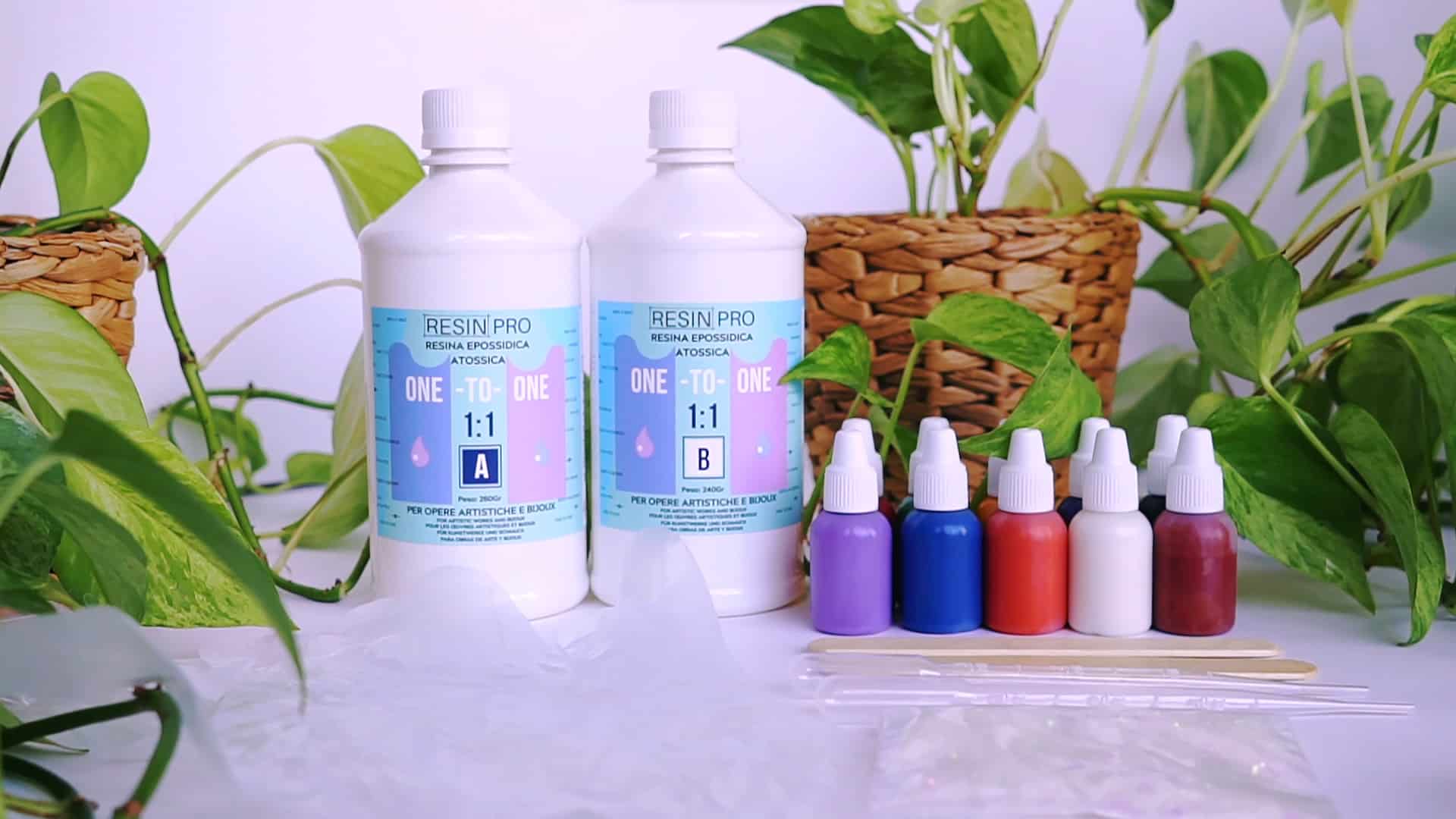
See How Simple Volume-Mixing Tools Make a Difference
Volume-based mixing cups eliminate guesswork. Clear graduation marks on our trusted 2L Graduated Measuring Cup for Resin – Precise Epoxy Dosing Tool help you match resin to hardener with confidence every time.
Step 1: Choose the Right Mixing Ratio
The first step to mixing resin without a scale is understanding your specific product’s requirements. Most handcraft and jewellery resins are formulated for a simple mix—often 1:1 by volume—making measuring by eye or with basic tools not just possible, but highly effective. Before starting, check the instructions on your resin packaging for the required ratio.
For handcraft projects, opt for a resin designed for easy volume mixing such as “One-2-One” – Epoxy Resin for Handcraft, 1:1 Mixing Ratio, where equal parts of resin and hardener are poured together.
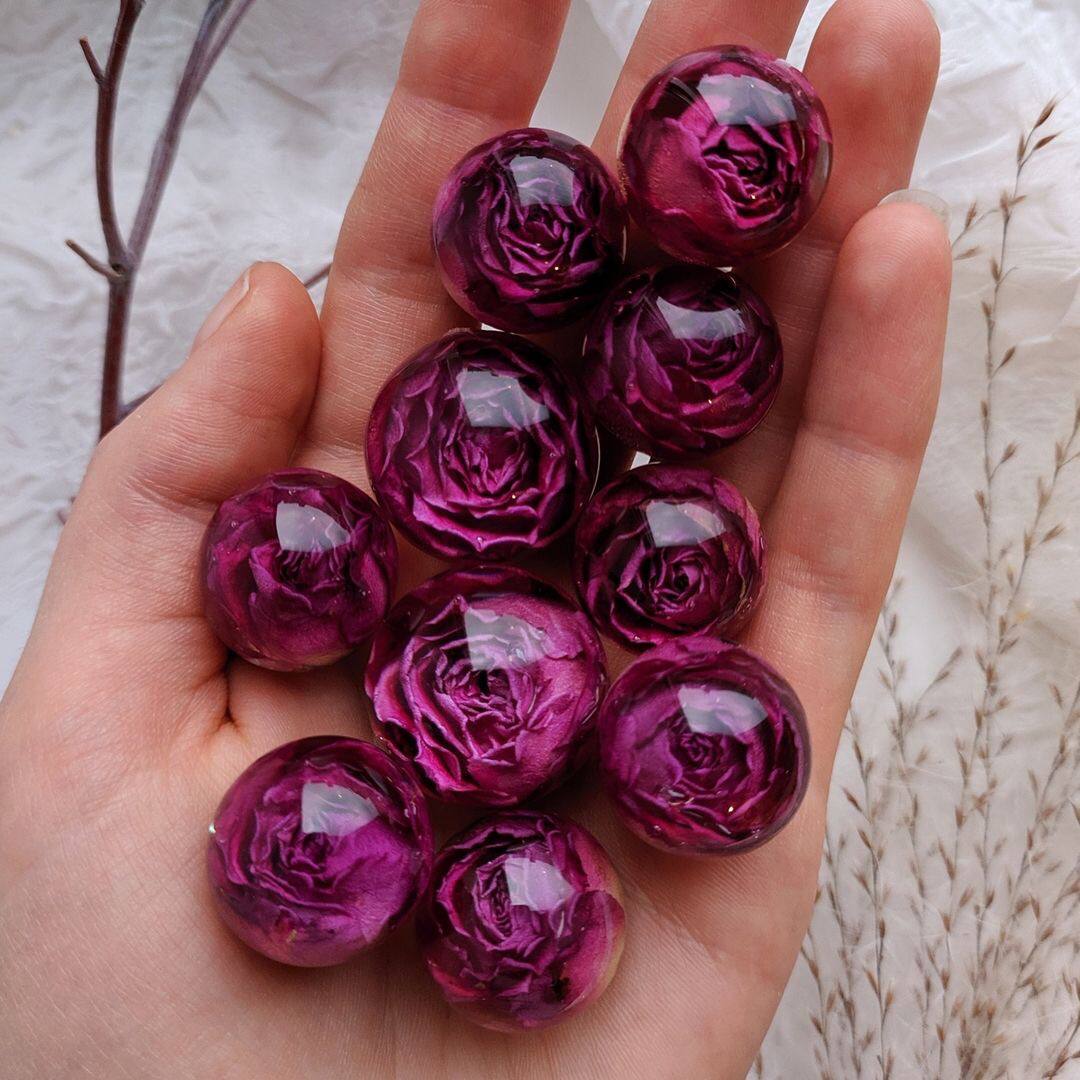
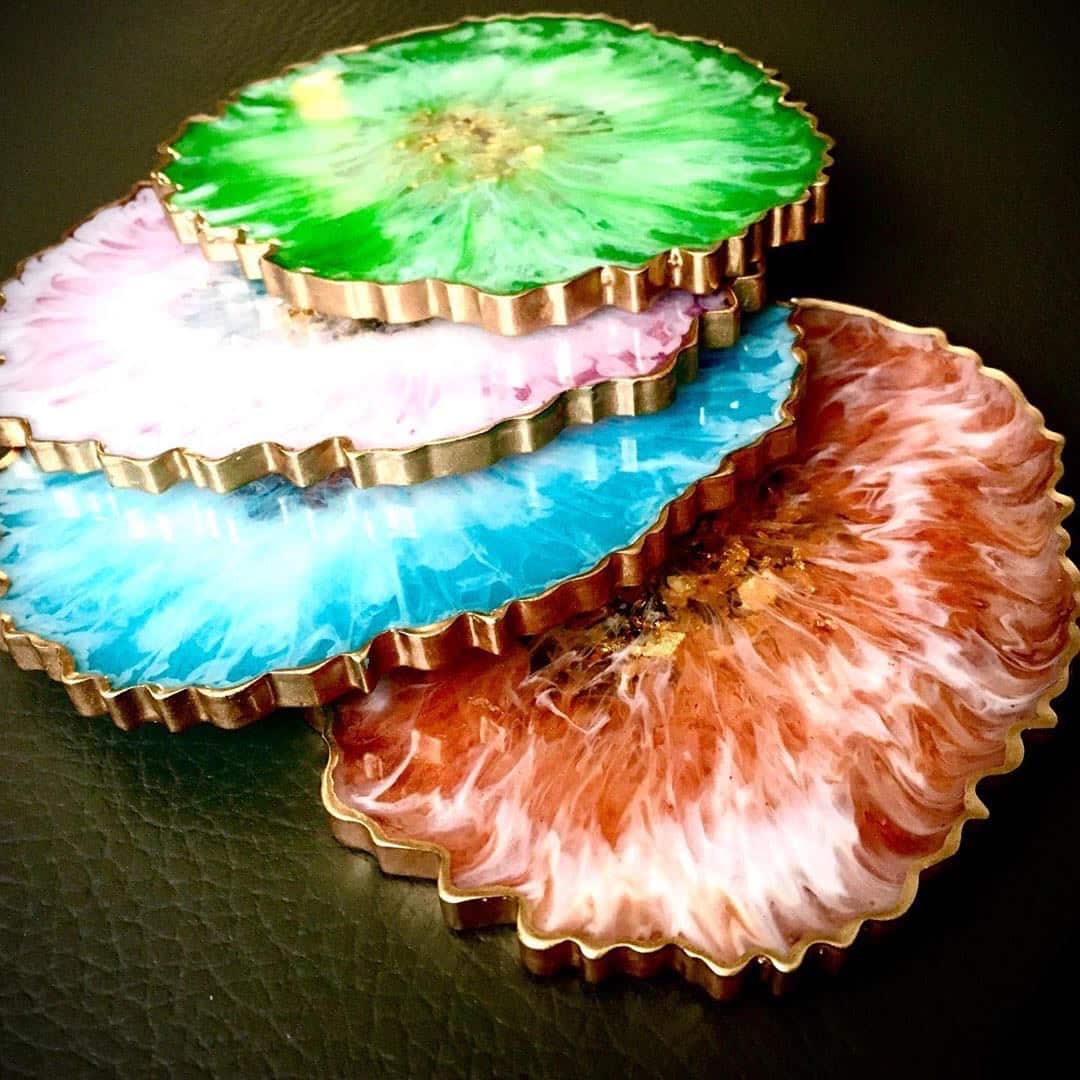
Step 2: Measure by Volume, Not Weight
Using your measuring cup, pour the required amount of resin into the cup first. Add hardener next, matching the same level mark on the cup so the ratio stays precise. Be sure to use a clear, graduated container for best visibility—anything from a small beaker to a larger 2L Graduated Measuring Cup for Resin – Precise Epoxy Dosing Tool will do the trick.
A flexible mixing cup makes it easy to control the flow and combine your two components without spills. This method avoids the need for scales entirely and gives consistent results for your creative projects.
Step 3: Mix Thoroughly and Carefully
Once the components are in your mixing vessel, use a stir stick or spatula to gently but thoroughly mix the resin and hardener. Stir for at least three to five minutes, scraping down the sides and bottom to ensure everything is incorporated. Under-mixing can lead to sticky spots or incomplete curing, so patience here is key.
The Flexible Silicone Cup for Mixing and Pouring Resin is particularly useful, as cured resin peels away easily—making repeated mixing a breeze for multiple projects.


Step 4: Pour Promptly and Clean Efficiently
Once mixed, pour the resin into your mould or onto your project immediately. Resins with a 1:1 ratio will generally begin to set within a short window. Pour steadily to avoid introducing new bubbles. After pouring, immediately clean your utensils and cups—flexible silicone tools can be bent to pop out cured residue, ready for the next round.
Complete kits such as the “Evershine Collection” – Artisan Jewellery Epoxy Resin Kit with 100+ Accessories often supply everything needed for a beginner-friendly experience, making this process smoother for first-timers.
Tips, Common Mistakes, and Troubleshooting
Always double-check your volume marks on any measuring vessels, as uneven ratios are the most common source of problems when mixing without a scale. Avoid guestimating—use clear measuring tools to ensure accuracy. Mix thoroughly but don’t rush: hasty stirring leads to bubbles and uncured patches. If bubbles appear, allow the mixture to rest a few minutes before pouring, or pop them with a stick as needed.
Choose resins formulated for volume-based mixing to ensure the best results—some industrial epoxies require weight-based kits and aren’t suitable for this method. Clean your equipment promptly to keep your tools ready for future projects.

Beginner Results with Professional Finish
1:1 ratio epoxy resins and flexible silicone mixing cups are designed for efficiency—less mess, precise results, and easy clean-up. Perfect for turning your idea into a brilliant crafted piece.
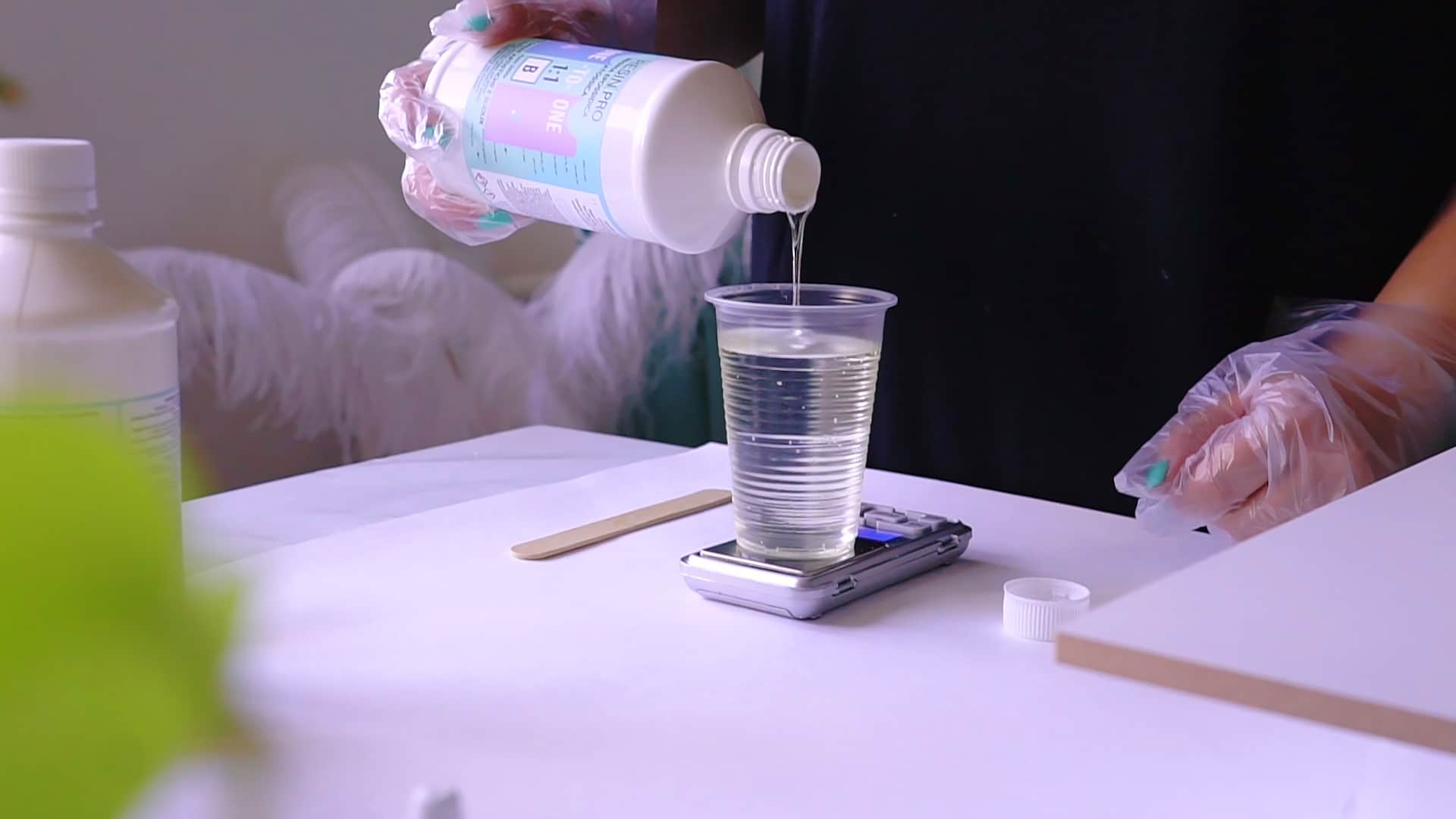
- "One-2-One" – Epoxy Resin for Handcraft, 1:1 Mixing RatioPrice range: £15.95 through £59.95ONE–TWO epoxy resin is suitable for beginners and crafters, designed for easy 1:1 volume mixing in handcraft resin projects.
- 2L Graduated Measuring Cup for Resin – Precise Epoxy Dosing Tool£4.04A measuring cup designed for accurate resin dosing with graduations from 100ml to 2L, suitable for precise epoxy mixing.
- "Evershine Collection" – Artisan Jewellery Epoxy Resin Kit with 100+ Accessories£21.95This kit offers a beginner-friendly 1:1 mixing epoxy resin with over 100 accessories for artisan jewellery and craft projects.
 Flexible Silicone Cup for Mixing and Pouring Resin£6.45Flexible Silicone Cup designed for mixing and pouring epoxy resin, offering easy resin removal without the need for a scale.
Frequently Asked Questions
Can I mix resin without using scales?
Yes, you can mix resin by measuring equal parts by volume, especially if the product uses a simple 1:1 ratio.
What type of resin is best for volume mixing?
Epoxy resins designed for 1:1 volume mixing, such as the One-2-One formula, work best.
Do I need special tools to mix resin by volume?
Use clear, graduated measuring cups and reliable stirrers to achieve an accurate ratio without scales.
Will my resin cure properly without scale mixing?
As long as you follow the recommended ratio by volume, your resin will cure properly.
How do I avoid bubbles when mixing resin by volume?
Mix slowly and thoroughly. Allow the mixture to rest briefly to let bubbles rise before pouring.
Can I use any cup for volume mixing resin?
Accurate, graduated cups work best to ensure equal parts and correct ratios.