 Free shipping on orders over £29,85
  Shipping Tracking!


 Google
 Facebook
← Back to How are epoxy-based acrylic resins obtained?
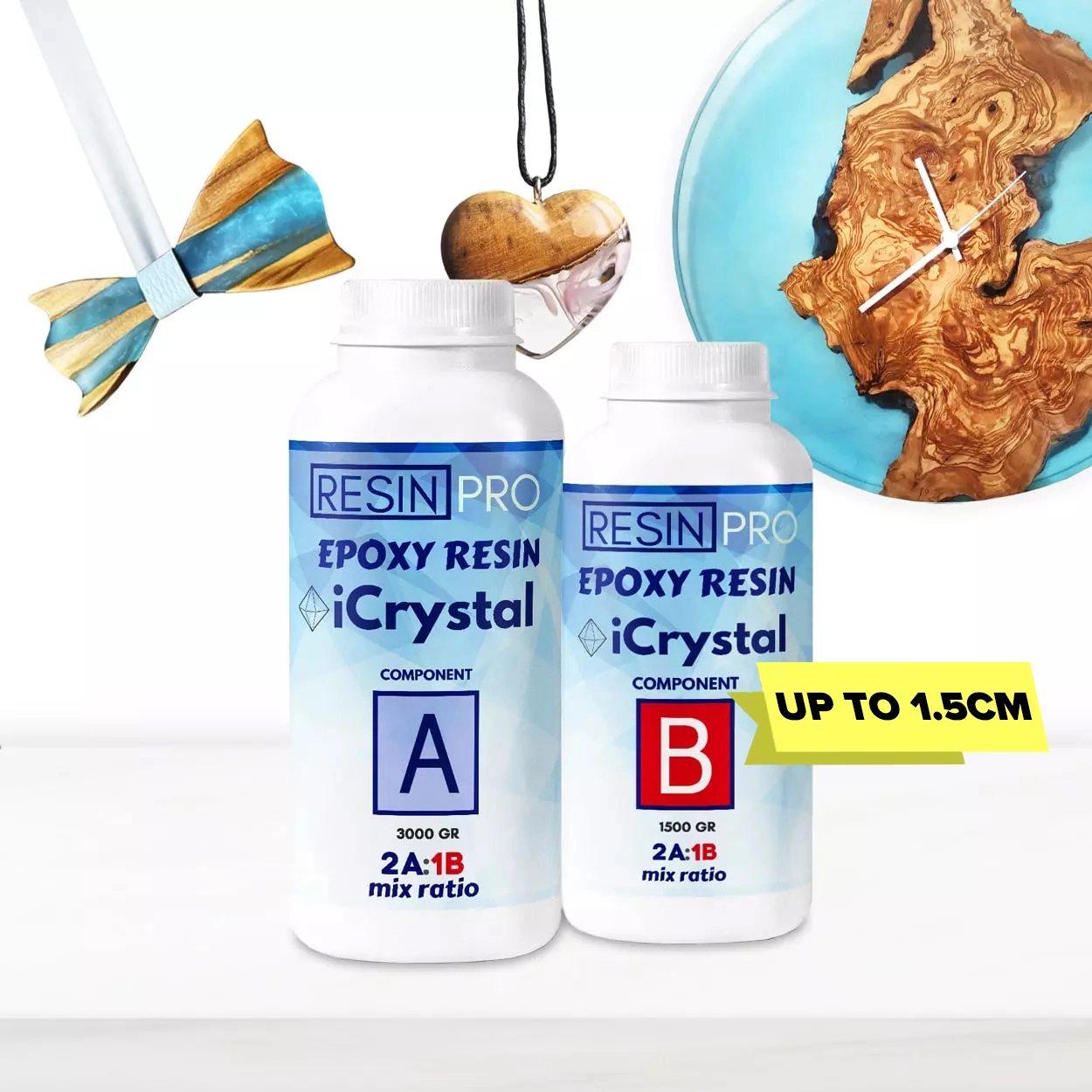
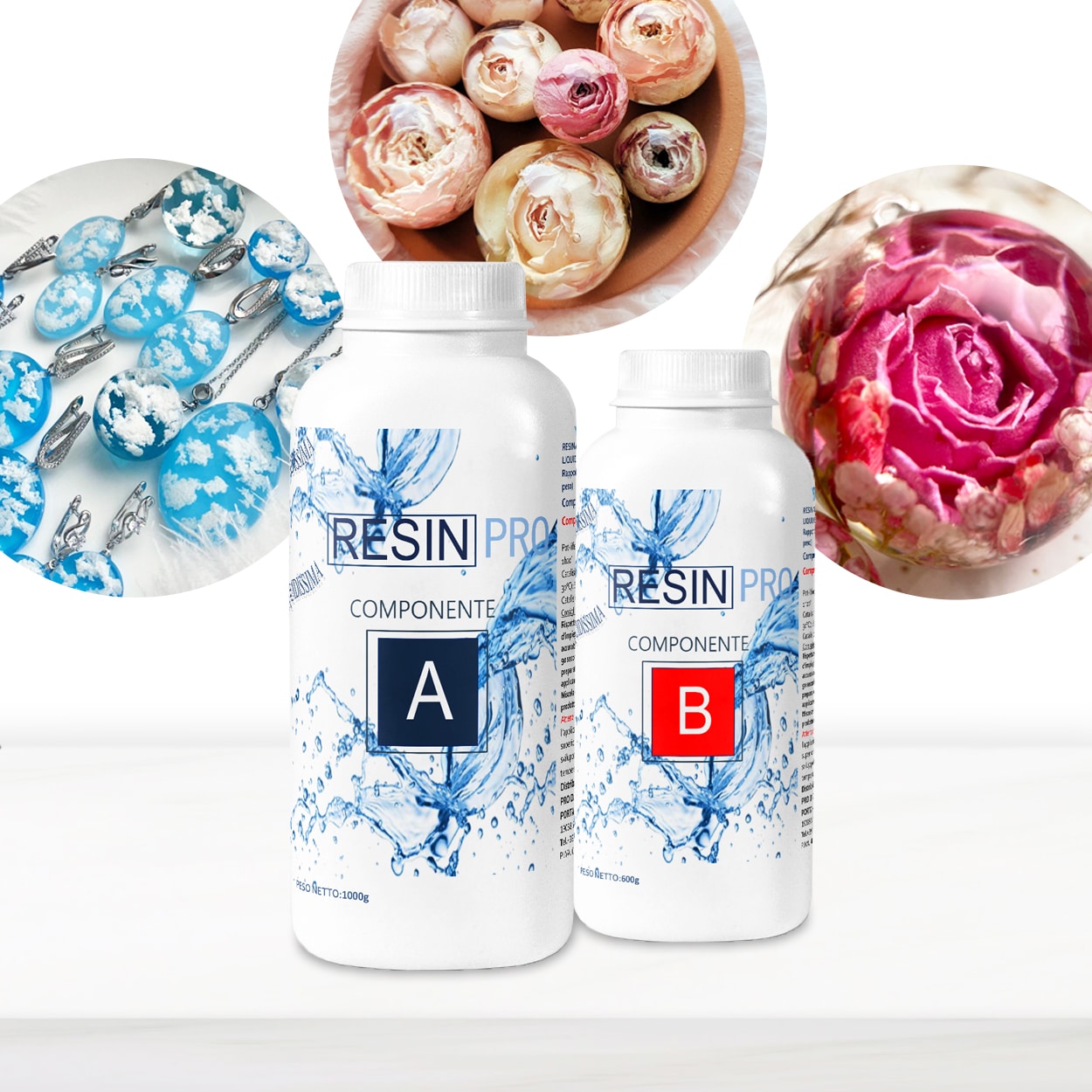
When using epoxy-based acrylic resins, it’s crucial to respect the recommended maximum pour thickness for each layer to achieve a flawless, bubble-free finish. Pouring in layers within manufacturer guidelines helps prevent problems like bubbles, incomplete curing, or surface imperfections.
Recommended Maximum Layer Thickness
The safe maximum thickness per pour depends on the resin’s formulation. For example, “Liquidissima” Epoxy Resin is designed for intricate art and jewellery, recommending layers up to 1 cm. Meanwhile, “Icrystal” Clear Epoxy Resin supports slightly deeper pours, up to 1.5 cm per application. Exceeding these guidelines can result in trapped bubbles or incomplete curing, especially at the core of a thicker casting.
Practical Tips for Multi-layer Pouring
If your project requires thicker results, it’s generally best to pour multiple layers. Allow each layer to cure properly—often until tack-free—before pouring the next. This not only avoids overheating but also reduces the risk of trapped air. Using a low-viscosity, bubble-reducing resin like “Liquidissima” can be beneficial for delicate moulds, while “Icrystal” is suited to robust castings such as tabletops and coatings.
When This Matters Most
- Detailed jewellery pieces or small cast objects, where clarity and shape detail are vital.
- Larger pieces—such as tabletops—requiring deep, clear coats in multiple layers.
- Time-sensitive projects where a fast-curing resin like “ICreation” can help speed up the workflow, while still observing safe thickness guidelines.
Related products
Related guides
Understanding and adhering to thickness limits is key to professional results with epoxy-based acrylic resins. For further details on resin composition and preparation, see our hub: How are epoxy-based acrylic resins obtained?