 Free shipping on orders over £29,85
  Shipping Tracking!


 Google
 Facebook
← Back to How are epoxy-based acrylic resins obtained?
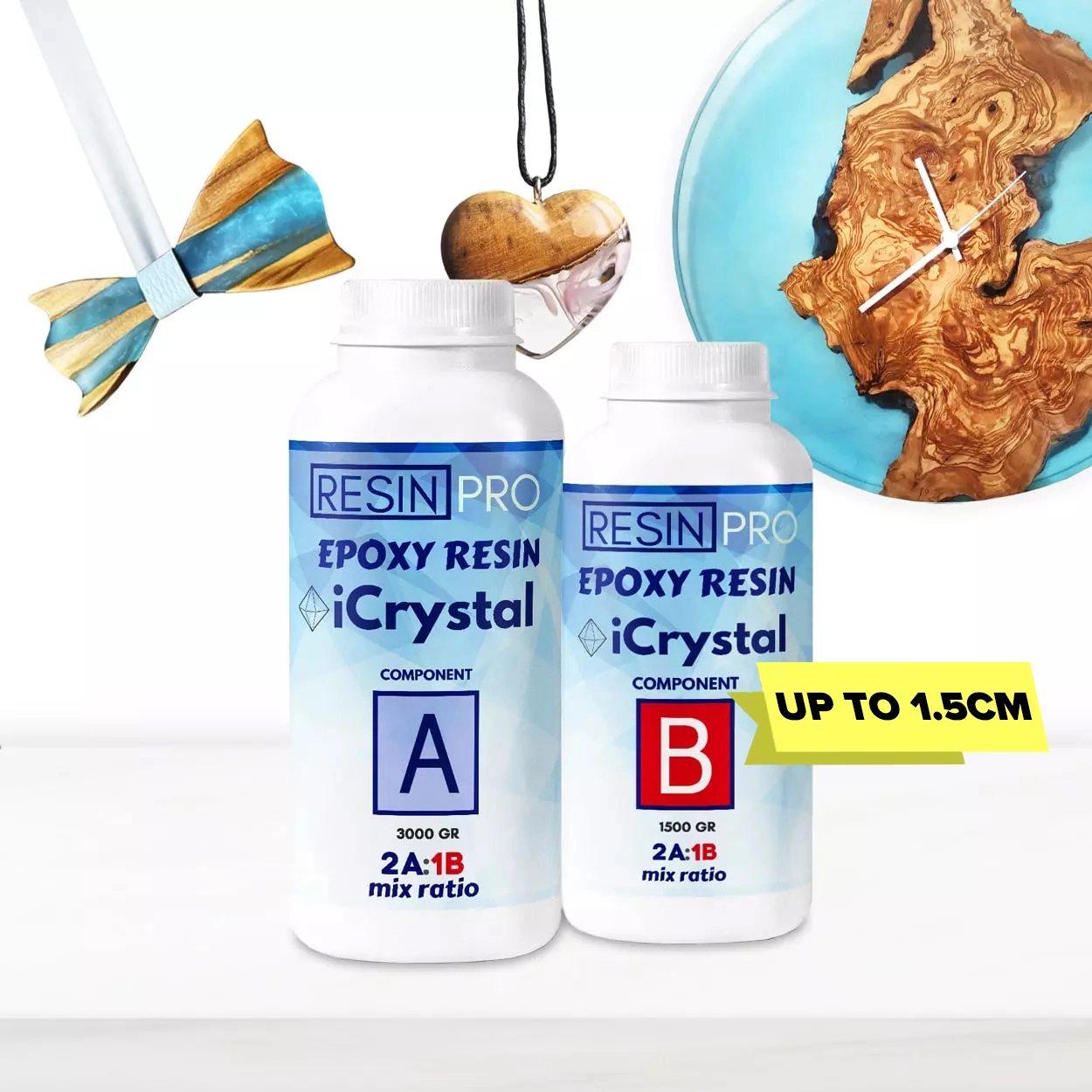
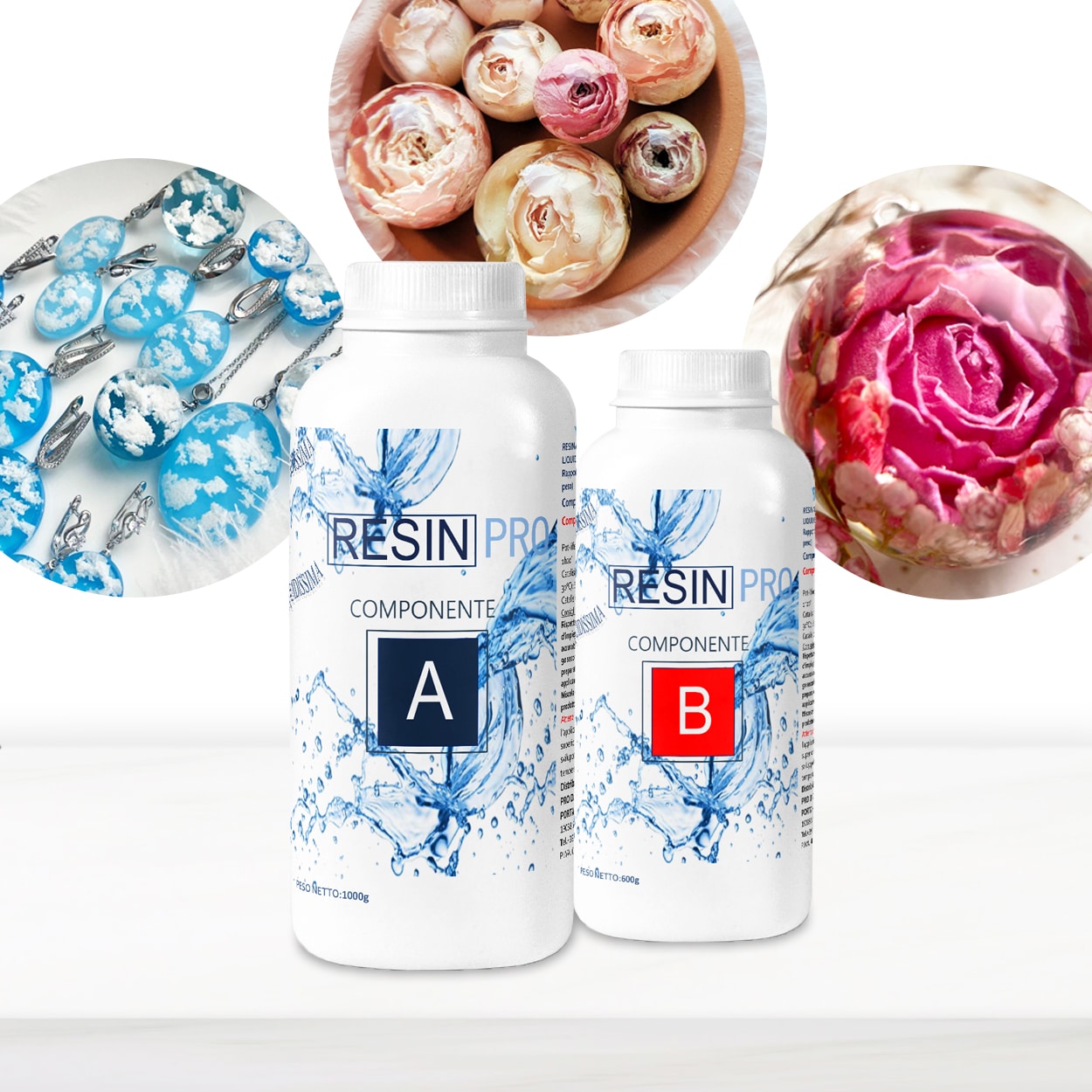
If you’re seeking a robust and scratch-resistant glossy finish for your tables, artwork, or jewellery, the right epoxy resin product and method can make all the difference. Here’s what you need to know for a resilient, long-lasting surface.
What Makes Epoxy Surfaces Scratch Resistant?
Epoxy resins naturally form a hard, clear layer once fully cured. Some advanced formulas, such as Icrystal epoxy resin or Art Pro, include special additives or a denser mix to maximise surface hardness and reduce scratch marks. A properly applied and cured epoxy coating delivers resistance to light abrasion—ideal for furniture tops, creative projects, or decorative displays.
Practical Steps for a Lasting Finish
- Layer Thickness: Applying resin in layers up to the product’s recommended maximum (often 1–1.5cm for durable finishing) helps ensure proper curing and hardness.
- Mixing Accuracy: Stick to the product’s suggested mixing ratio for optimal strength and clarity.
- Even Application: Use a spirit level and a spreader or brush to achieve a consistent coat across your project surface.
- Curing Time: Allow the resin to cure completely before use to achieve its full scratch resistance.
When Is Durability Especially Important?
Scratch-resistant epoxy surfaces are particularly useful on tabletops, resin artwork, or decorative items that will see regular handling. They’re also worth considering in shared spaces or busy homes, where practicality is just as key as appearance.
Related products
Related guides
Choosing the right formula, such as those found in our selection of clear, durable epoxy resins, ensures your project not only looks beautiful but also stands up to everyday wear. For more in-depth information on these innovative materials, return to our page on how epoxy-based acrylic resins are obtained.