 Free shipping on orders over £29,85
  Shipping Tracking!


 Google
 Facebook
← Back to What are polyurethane resins?
If you’re after a resilient, scratch-resistant finish that can recover from daily wear, self-healing polyurethane resins are a smart choice. Their unique surface properties help maintain a pristine look on coated objects, even with regular handling or exposure.
How Self-Healing and Scratch Resistance Works
Polyurethane resins formulated for self-healing use flexible molecular structures that allow minor surface marks, such as light scratches or pressure dents, to gradually disappear. The surface can ‘reform’ itself after minor abrasion, making these materials invaluable for protective purposes where appearance matters. In addition, polyurethanes generally offer robust abrasion resistance, outlasting many standard coatings in day-to-day use.
Common Applications and Buying Advice
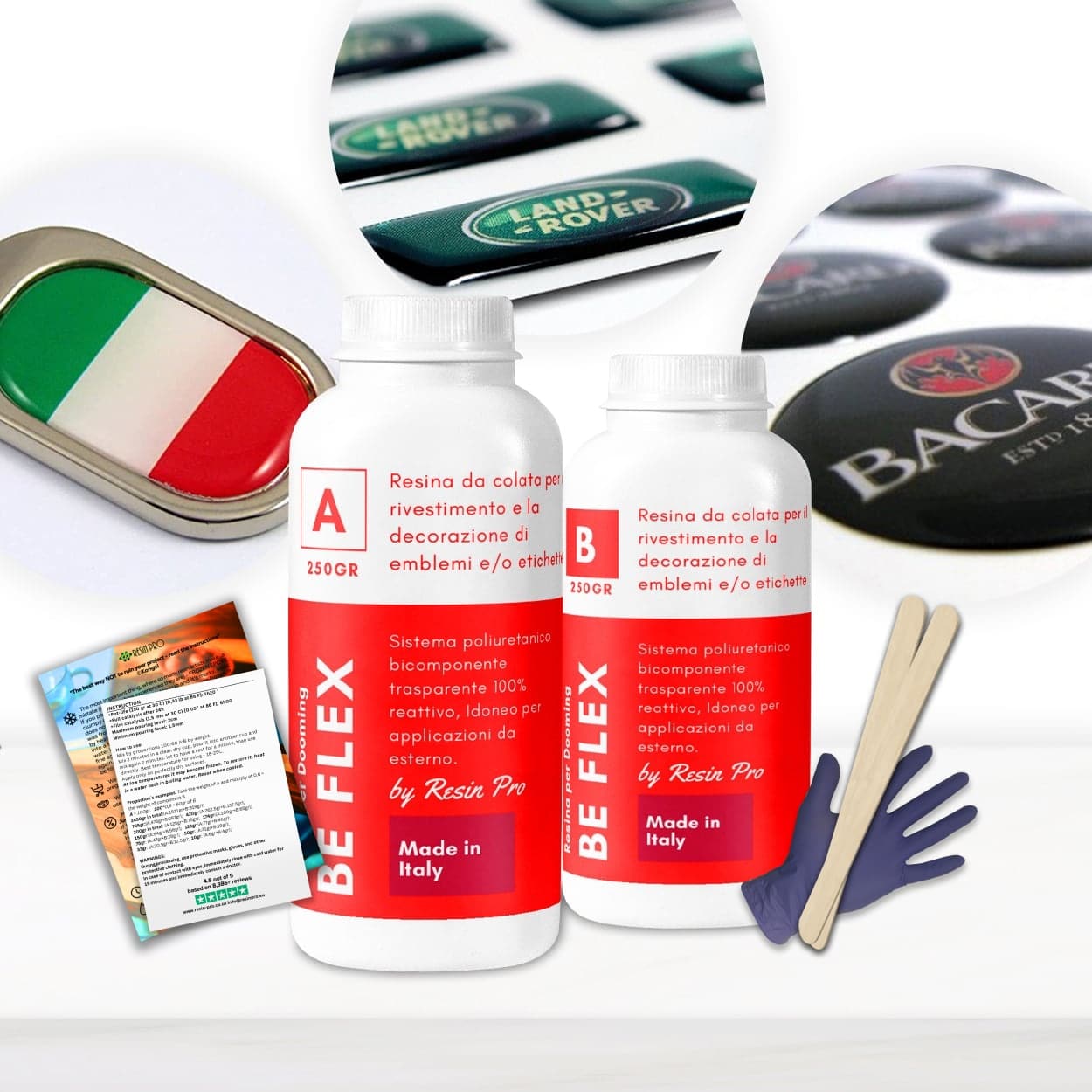
These resins are ideal for creating durable, glossy domed labels, emblems, and stickers, as well as protecting ID tags, badges, and decorative signage. Products like Be Flex Transparent Polyurethane Doming Resin deliver a clear, flexible finish that protects and elevates the look of designs—perfect for both straight and curved surfaces. For floor coatings and surfaces that need to withstand heavier abrasion, a robust polyurethane like Prolux may be more suitable.
When This Matters Most
- Outdoor or high-contact areas where scuffing and general wear are routine
- Applications requiring flexible finishes—such as doming or curved surface labels
- Settings where maintaining a clean, glossy, and professional appearance is important
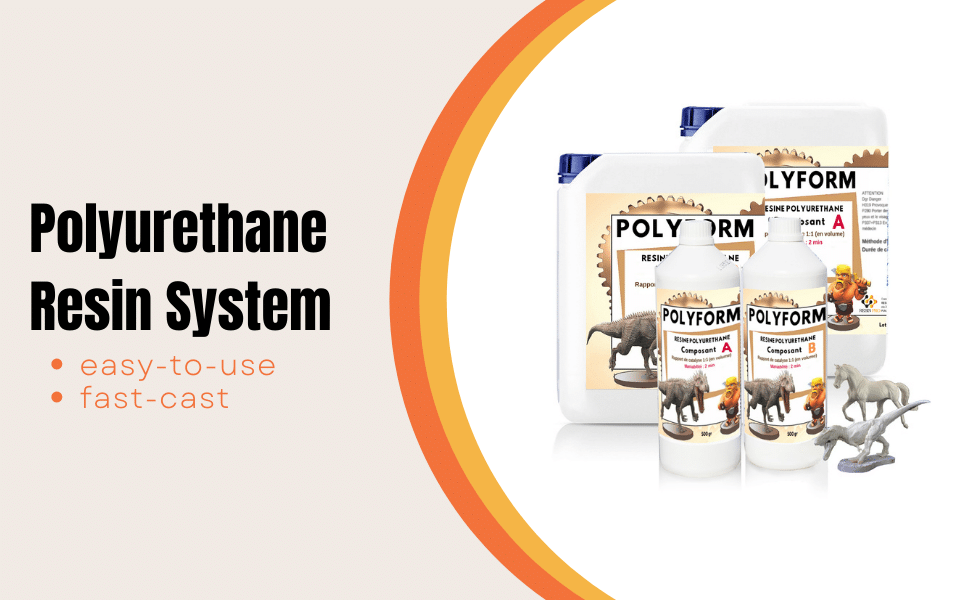
Related products
Related guides
For those seeking a superior finish that resists scratches and restores itself after minor marks, scratch-resistant and self-healing polyurethane resins embody the best qualities of modern resin technology. Explore the full versatility of polyurethane resins by visiting our main guide on what polyurethane resins are.