 Free shipping on orders over £29,85
  Shipping Tracking!


 Google
 Facebook
← Back to What happens if you swallow a small drop of resin?
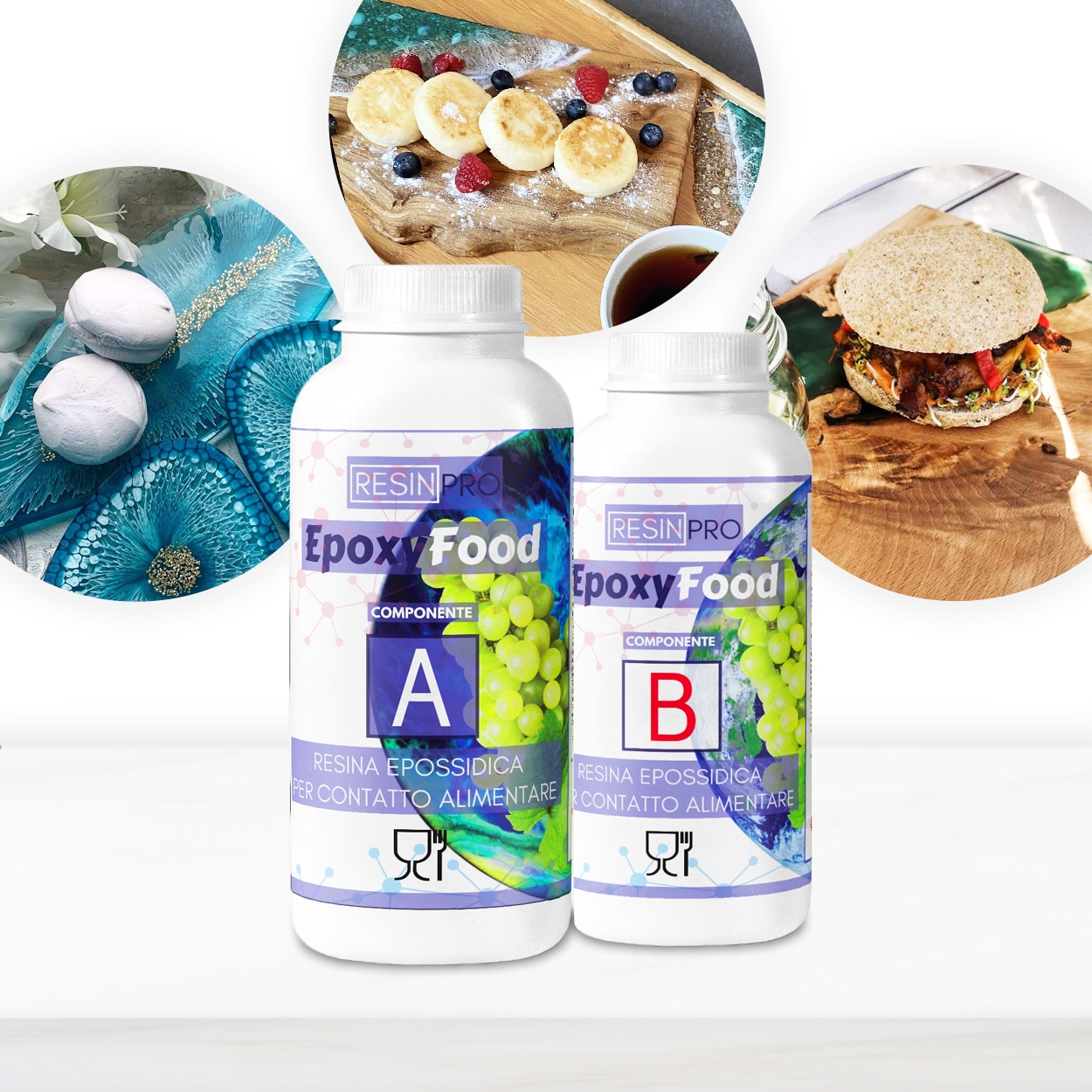
Accidental ingestion of resins can be concerning, especially when working with products labelled as food-safe or non-toxic. Here we clarify what food-safe really means for resins and what to do if a small amount is swallowed inadvertently.
What ‘Food-Safe’ Resin Really Means
‘Food-safe’ resins such as EpoxyFood are formulated and independently tested to comply with food contact regulations in Europe when mixed and cured exactly as directed. This means the cured resin is suitable for surfaces that might touch food, like chopping boards or bowls.
However, food-safe status does not mean the resin is safe to eat or swallow, either in liquid or cured form. Any resin, even once labeled non-toxic or food-safe, should never be ingested.

Risks of Swallowing Resin—Food-Safe vs Non-Toxic
Ingesting any resin, whether it is food-safe, non-toxic or otherwise, is not recommended. Liquid resin (uncured) is a chemical mixture and could cause irritation, digestive discomfort, or other adverse effects. Even fully cured food-contact approved resins, such as those used on kitchenware, are designed for safe surface contact, not for consumption.
- If resin is accidentally ingested, seek medical advice.
- Do not induce vomiting unless advised by a medical professional.
- Keep resins securely stored to prevent accidental swallowing by children or pets.
Practical Guidance for Safe Resin Use
Always use resins in line with manufacturer’s instructions. Ensure products like food-safe or non-toxic resins are fully cured before coming into contact with food items. Wear gloves and wash hands after use. If you’re searching for products suitable for food-contact surfaces, consider certified options such as EpoxyFood, and never add dyes or additives that could compromise safety.

When This Matters
This topic is particularly important for artists, crafters, or those coating items such as bowls, boards, or glassware for use in the kitchen. Choosing the right resin for food-contact applications helps reduce risk, but it’s still vital to prevent ingestion under any circumstances.
Related products
Related guides
While food-safe or non-toxic resins increase peace of mind for creative and kitchen projects, it’s essential to remember that ingestion should always be avoided. For further information on the broader topic, see our main page on what happens if you swallow a small drop of resin.