 Free shipping on orders over £29,85
  Shipping Tracking!


 Google
 Facebook
What happens if I use too much catalyst in resin?
Explore the risks, side effects, and best resin choices
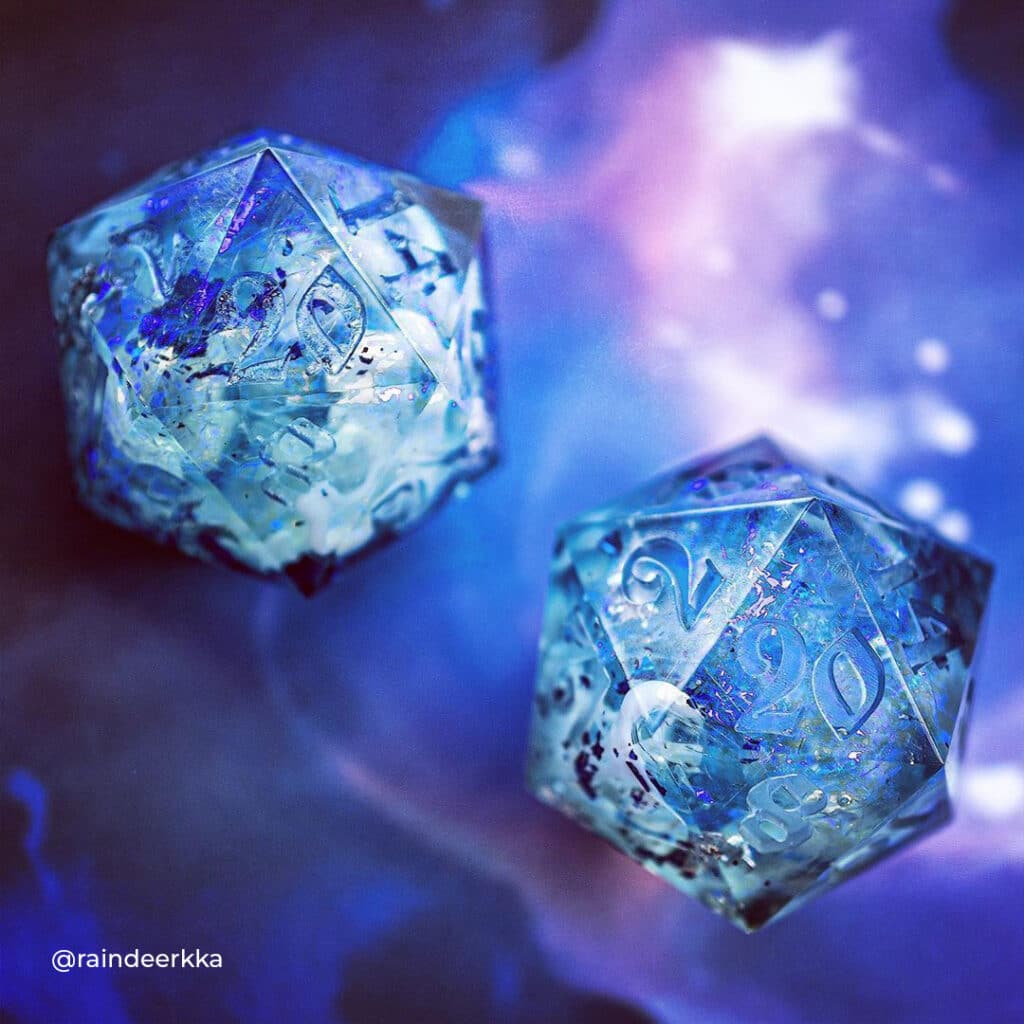
Whether you’re an experienced resin artist, furniture maker, or new to epoxy projects, precise mixing is essential for achieving high-quality results. This page explains the risks and consequences of using too much catalyst (hardener) in resin, and helps you select the best product to minimise mistakes, overheating, and surface imperfections. If you want to understand curing behaviour, avoid common pitfalls, and pick a resin that suits your working style, read on.
Understanding Excess Catalyst in Resin: What’s the Difference?
The catalyst, or hardener, is what transforms liquid resin into a solid, durable finish. However, adding too much catalyst is a common error that leads to unpredictable curing speeds, excessive heat generation (exotherm), distortion, brittleness, and even clouding or yellowing. Every resin system—whether for jewellery, art, or deep-pour tables—has a recommended mixing ratio for optimal performance and clarity. Fast-curing resins react quickly to mixing errors, while those formulated for deep or precise work are more forgiving, but still suffer if proportions are not measured correctly. Choosing a product that matches your project thickness, required cure speed, and expertise will help prevent costly or time-consuming issues.

Visual Guide: How Catalyst Proportions Affect Cure Quality
See how measured versus excessive catalyst can change your results. Images contrast clear, bubble-free cures obtained from correct mixing with those prone to yellowing, cracking, or warping due to over-catalysation. Note how control of catalyst impacts both thickness projects (tables) and fine detail (jewellery).
“ICreation” – Fast Epoxy Resin, 6h Demoulding, Transparent Gloss Finish
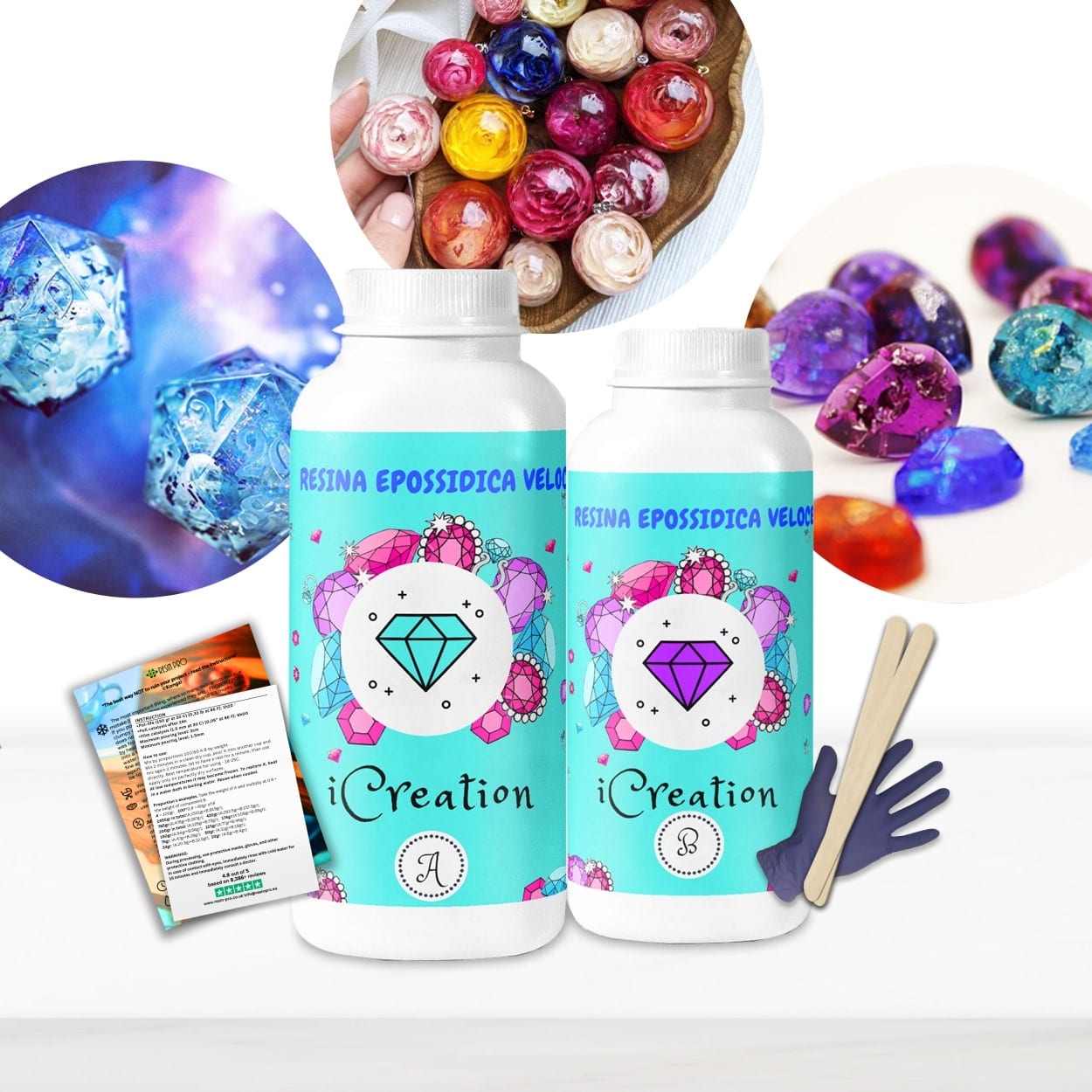
A favourite among crafters and artists, “ICreation” – Fast Epoxy Resin, 6h Demoulding, Transparent Gloss Finish accelerates project timelines with its super-fast catalysis and convenient easy 2:1 mixing ratio. Thanks to its 6-hour demoulding time and 12-hour full cure, those under time pressure benefit from rapid turnaround. However, because of its fast reaction, precision in measuring the catalyst is critical—adding extra hardener does not make the resin cure faster; it increases the risk of overheating and can degrade the clarity of the finished piece. This resin is ideal for smaller castings and detailed jewellery, where working time is less of a concern and control is paramount.
“EpoxyTable 5-Five” – Deep Pour Epoxy Resin for Tables and Large Projects – Up to 5cm
For larger surfaces and mid-depth castings, “EpoxyTable 5-Five” – Deep Pour Epoxy Resin for Tables and Large Projects – Up to 5cm is engineered with a low exothermic reaction, allowing for safe pours up to 5cm without dangerous overheating. Its long working time gives you flexibility in large projects, so even if minor inaccuracies occur, the formulation is more tolerant than ultra-fast systems. Overuse of catalyst, however, still leads to potential heat issues and a reduction in mechanical strength. This resin is a top choice for crafting river tables, large decorative items, and projects where thickness and UV resistance are key.
“Epoxytable 10-Ten” – Deep Pour Epoxy Resin for Tables, Up to 10cm Casting
If your project demands extra-deep casting—up to 10cm—“Epoxytable 10-Ten” – Deep Pour Epoxy Resin for Tables, Up to 10cm Casting stands out. Its formulation for thick castings up to 10 cm without overheating is only possible through careful control of catalyst-to-resin ratios. Although forgiving with longer working times and very low exotherm, too much catalyst increases the risk of distortion, incomplete curing inside the cast, or yellowing at the core. Use it for large-scale art, statement tables, or extra-thick river tables where defect-free clarity is crucial over greater depths.
“Art Pro Deluxe” – Ultra-High Viscosity Epoxy Resin for Artists
Designed for precise colour separation and surface art, “Art Pro Deluxe” – Ultra-High Viscosity Epoxy Resin for Artists gives unparalleled control for geode pours, trays, and accent layers. Its extremely high viscosity keeps lines crisp, but if the catalyst is overused, this property is compromised—potentially resulting in softer blends, diminished gloss, or tacky spots. The advanced 10-year anti-yellowing warranty relies on correct mixing, so following the ratio is vital for artists who demand gallery-quality finishes.
Tips for Accurate Catalyst Mixing and Project Success
Measure both resin and catalyst by weight or volume according to the product instructions—never estimate. Use digital scales for best accuracy, especially with fast-cure or deep-pour systems where thermal runaway can occur. Pouring in layers is advisable for thicker items, as recommended for “EpoxyTable 5-Five” and “Epoxytable 10-Ten”, to prevent excess heat. Stick to the specified ratios, as all featured products are formulated to deliver strength, UV resistance, and surface clarity only when mixed accurately—overuse of catalyst cannot be reversed once poured. When in doubt, consult the product’s guidelines or reach out for advice before you begin your project.
Mixing Techniques for Flawless Resin Results
Careful pre-mixing, scraping sides, and using separate, marked containers ensure even catalyst distribution. Artists and table makers show precise measurements and layered pouring using scales and mixing sticks for exceptional clarity and strength in their finished work.
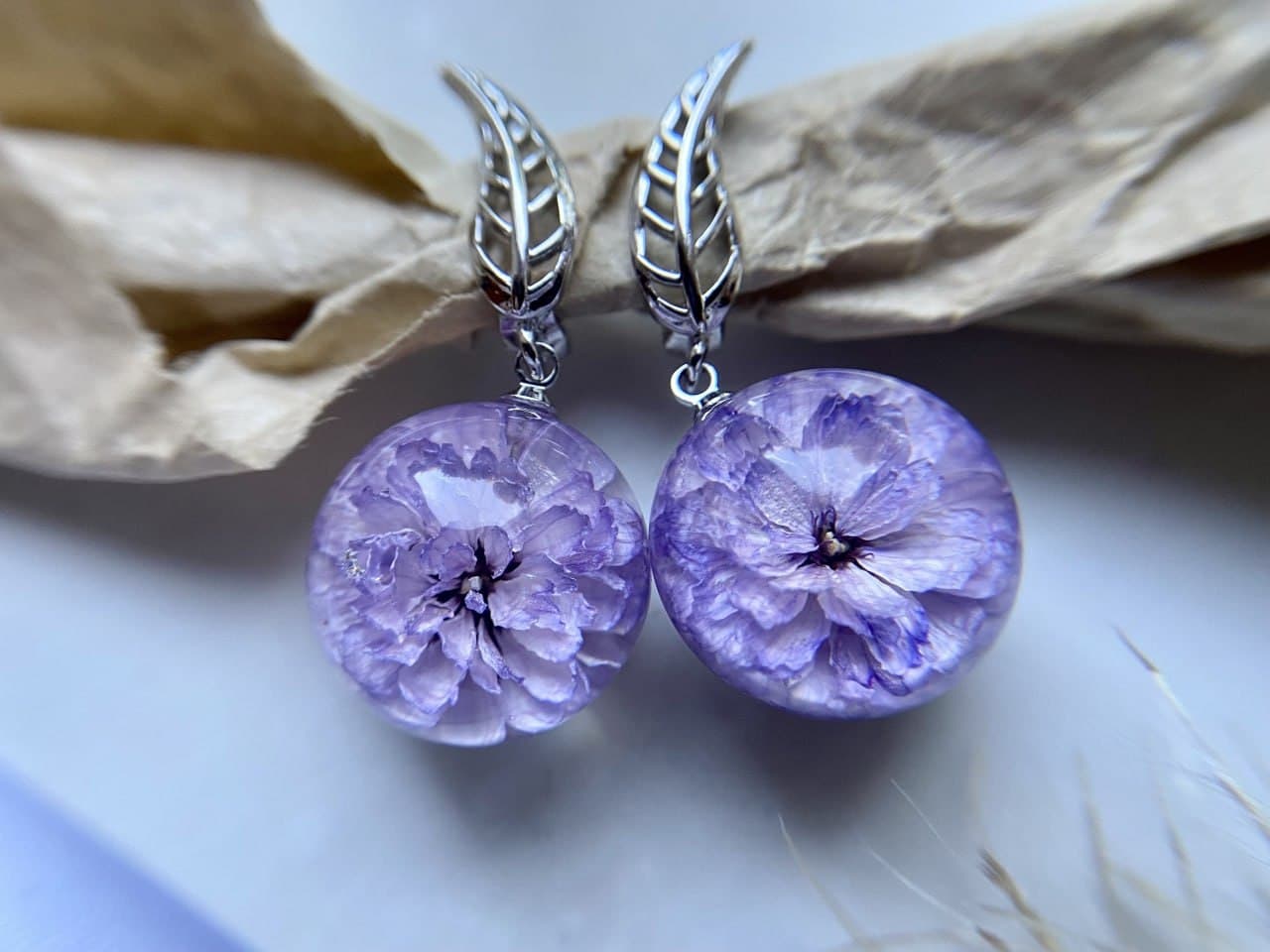
- "ICreation" – Fast Epoxy Resin, 6h Demoulding, Transparent Gloss FinishPrice range: £15.95 through £55.95"ICreation" fast epoxy resin provides a transparent, glossy finish with a 6-hour demoulding time for quicker resin craft projects.
 "EpoxyTable 5-Five" – Deep Pour Epoxy Resin for Tables and Large Projects – Up to 5cmPrice range: £17.95 through £1,154.95"EpoxyTable 5-Five" resin is designed for deep pour projects like tables, with features supporting medium-thickness castings up to 5cm.
 “Epoxytable 10-Ten” – Deep Pour Epoxy Resin for Tables, Up to 10cm CastingPrice range: £35.95 through £351.95Epoxy resin suitable for creating tables with deep pours up to 10cm, providing low exothermic reaction and long working time.
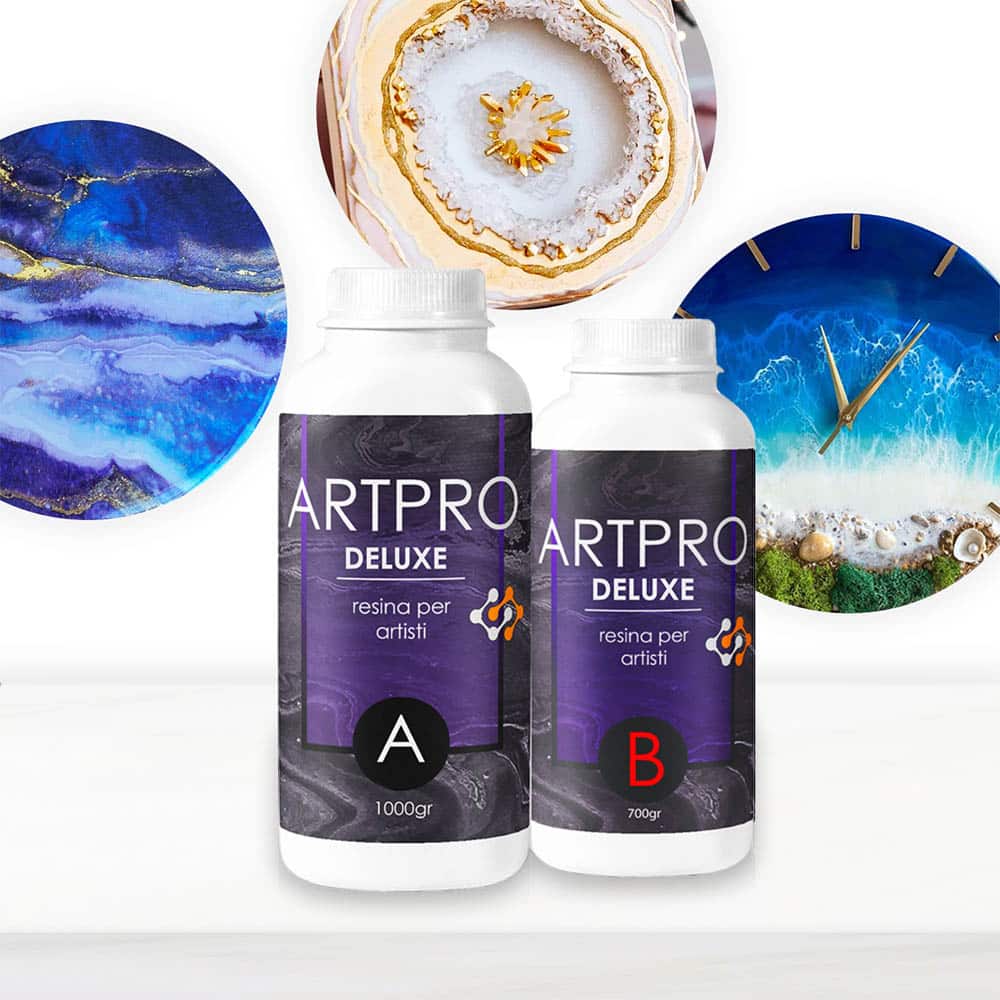 "Art Pro Deluxe" – Ultra-High Viscosity Epoxy Resin for ArtistsPrice range: £35.95 through £302.45"Art Pro Deluxe" ultra-high viscosity epoxy resin offers precise control for resin art with a clear, self-levelling surface and high scratch…
Frequently Asked Questions
What are the symptoms of too much catalyst in resin?
Resin may cure too quickly, become brittle, develop excess heat, yellowing, or clouding, and may lose mechanical strength.
Can extra catalyst make resin cure faster safely?
Increasing catalyst can cause dangerous heat, warping, and compromise clarity. Always stick to the recommended ratio.
How can I fix a resin project that was over-catalysed?
Once poured, over-catalysed resin can't be undone. Sanding, refinishing, or starting over may be necessary.
What mixing ratio should I use for epoxy resin?
Always follow the specific instructions on your resin product. Ratios like 2:1 or 100:55 must be measured precisely.
Is layering better than a single deep pour?
Layering reduces exotherm risks, helps control curing, and improves the finish for deep or large-volume resin projects.
Which resin should I use for jewellery or detailed art?
"ICreation" suits fast, small castings; "Art Pro Deluxe" excels in precise detail, gloss, and colour separation.